Winter
Steam, snow and clear skies
50 places for winter — the editors' six first, then the rest by rating.
50 places
-
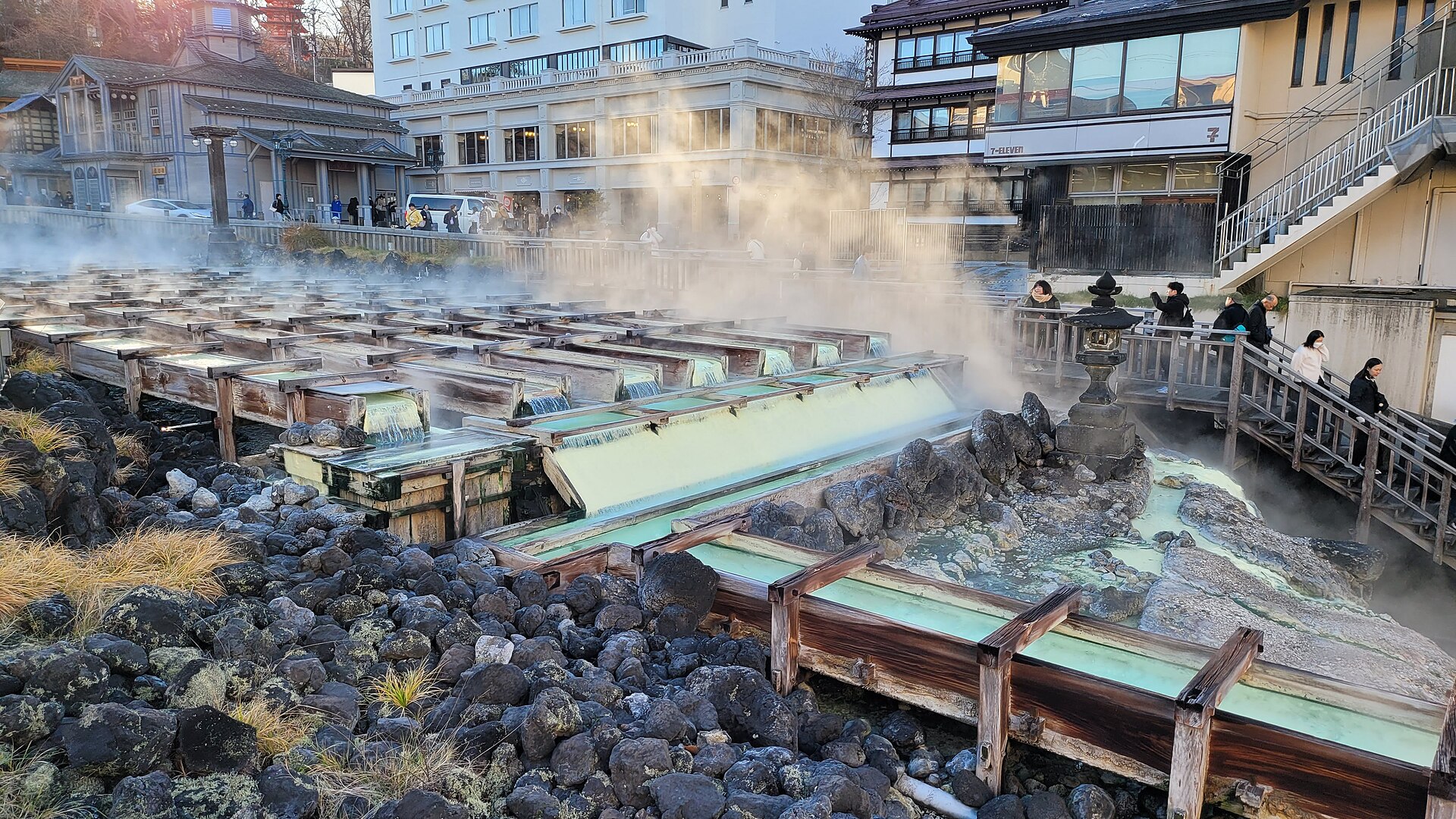
Kusatsu Onsen's Yubatake — hot spring running through open wooden channels
4,000 litres a minute at pH 2.1, running through seven wooden channels in the open — free, always open, best at dawn or after dark.
-
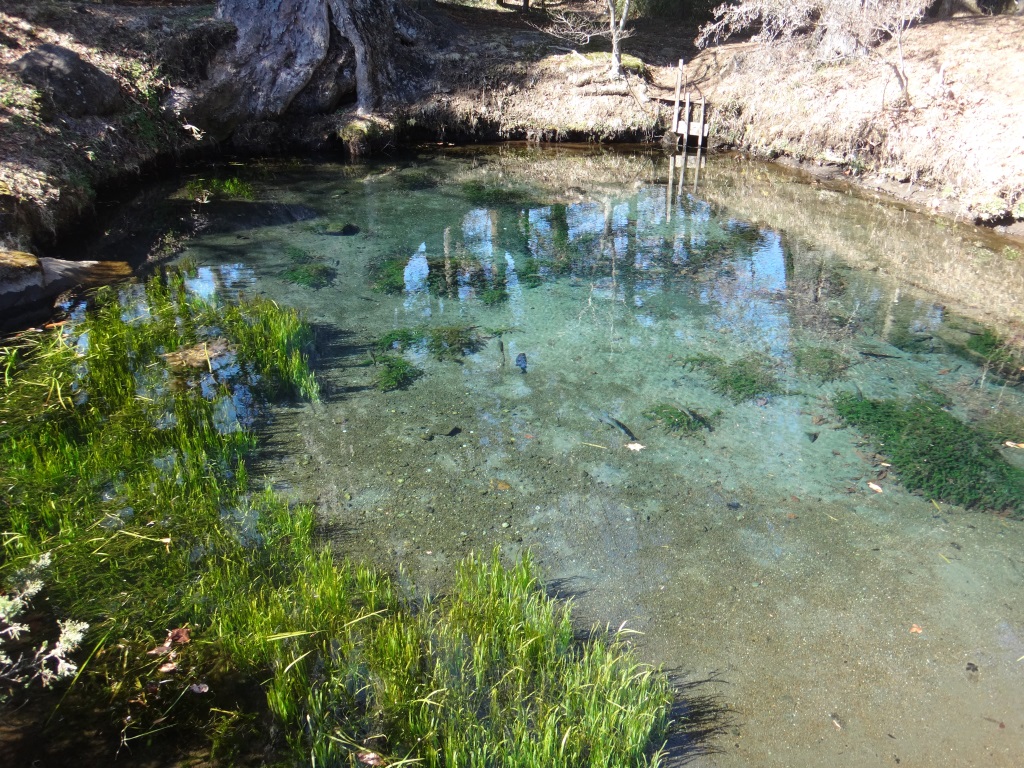
Oshino Hakkai — Mount Fuji's eight spring ponds
Eight glacier-clear spring ponds fed by Fuji snowmelt — all part of the Fuji UNESCO World Heritage Site.
-
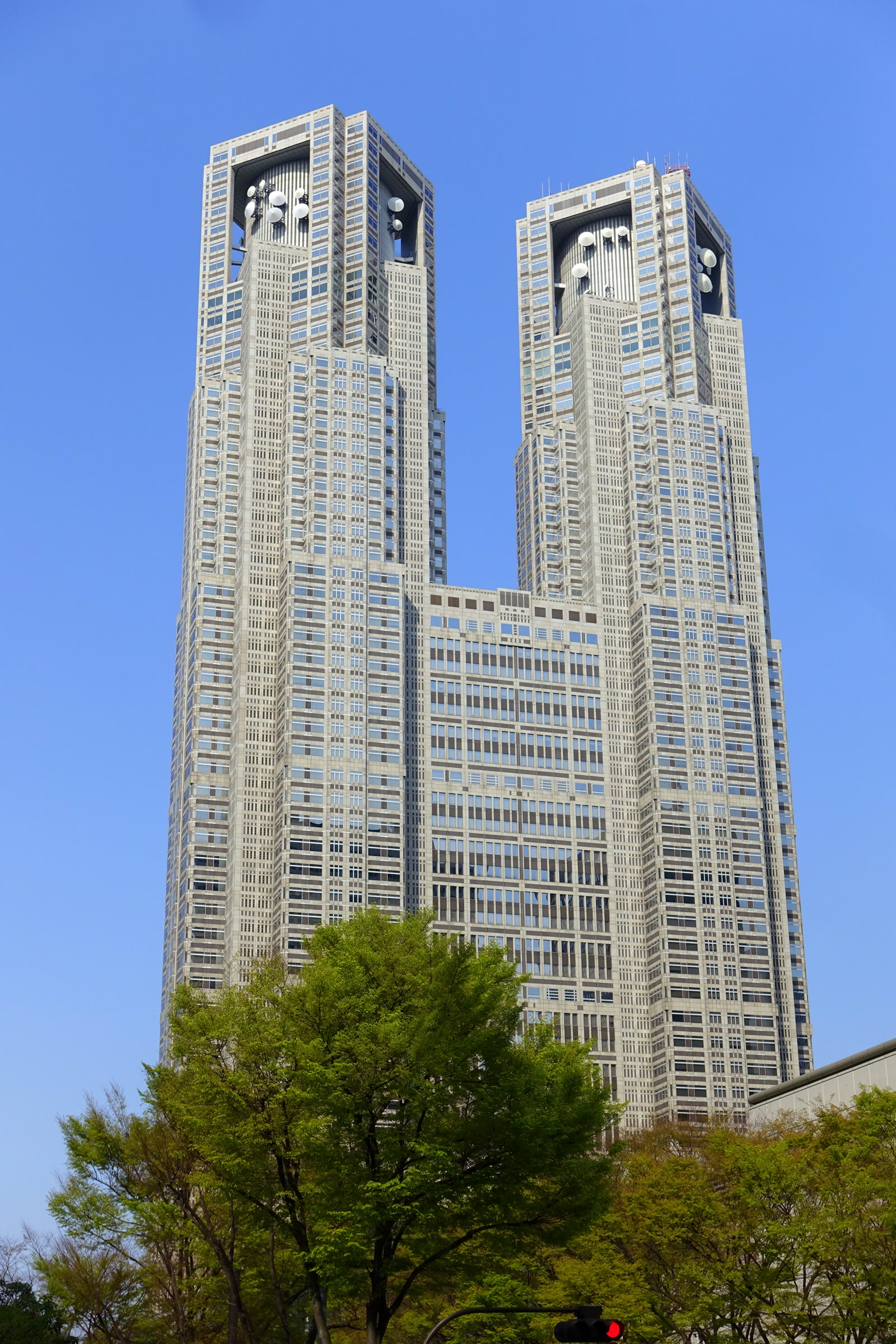
Tokyo Metropolitan Government Building — the city's best free panorama
Tokyo's best free viewpoint: 202 m, south deck open until 22:00, clear-day Fuji views — no tickets, no queue.
-
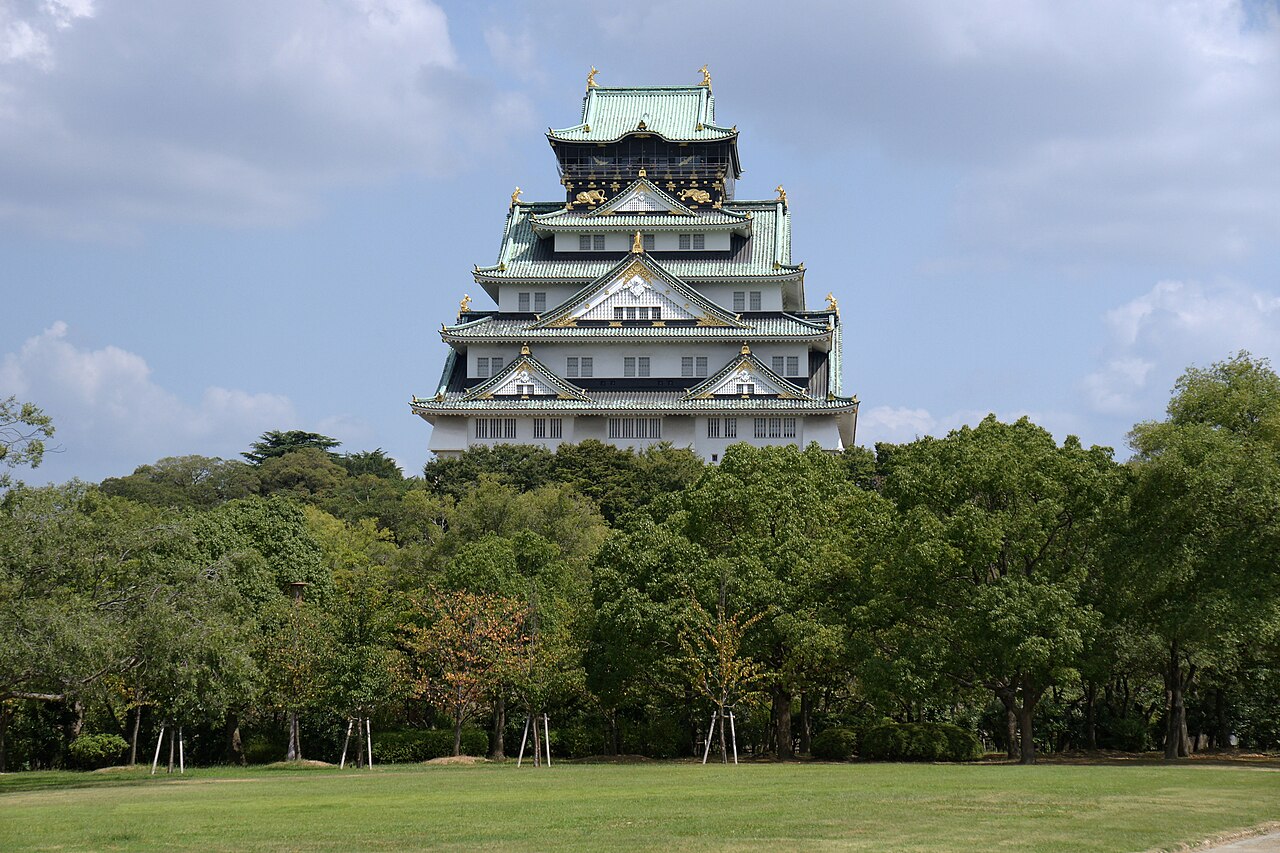
Nishinomaru Garden
An open lawn with a clean, uncrowded view of the keep over the moat.
-
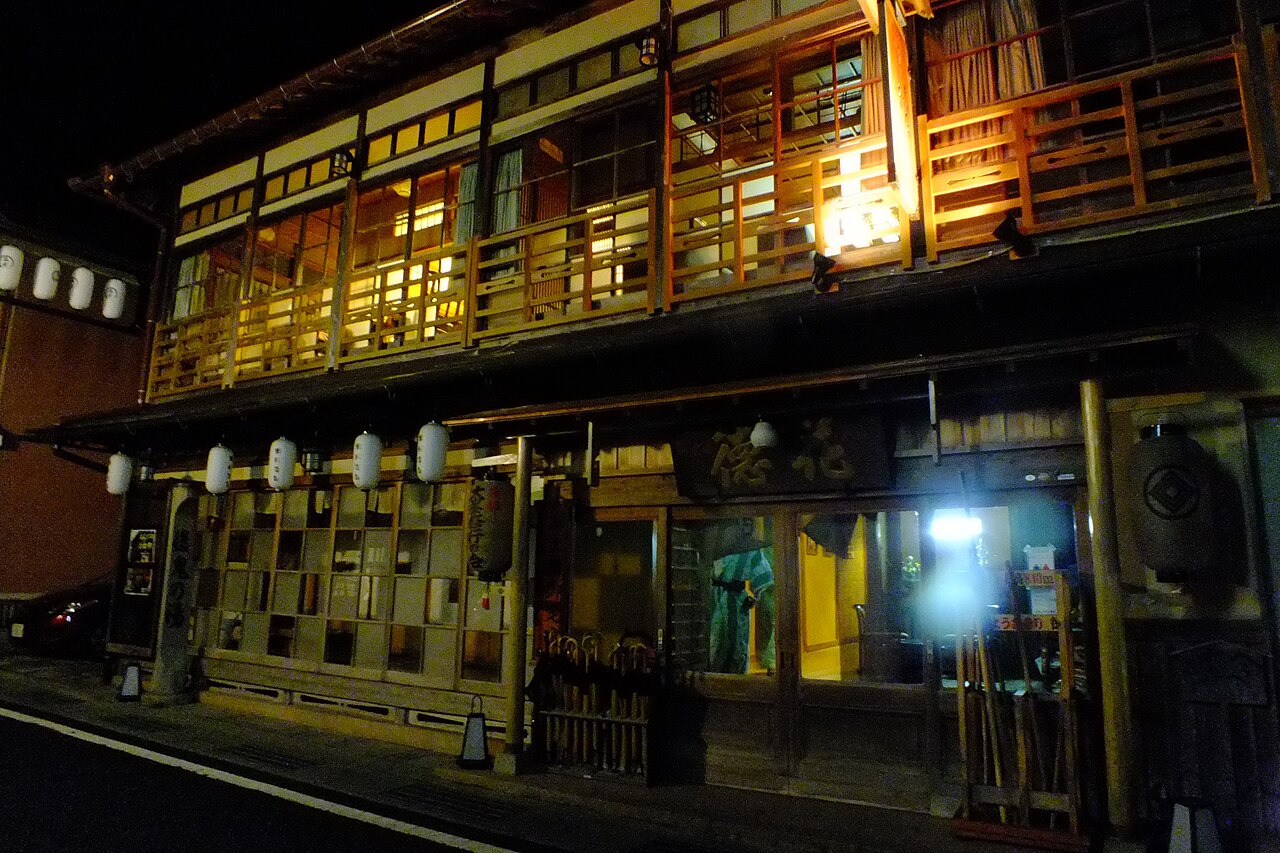
Dorogawa Onsen
A pilgrim's onsen street that still looks the part after dark. Two and a half hours from Osaka, but the bus decides your day — plan around it.
-
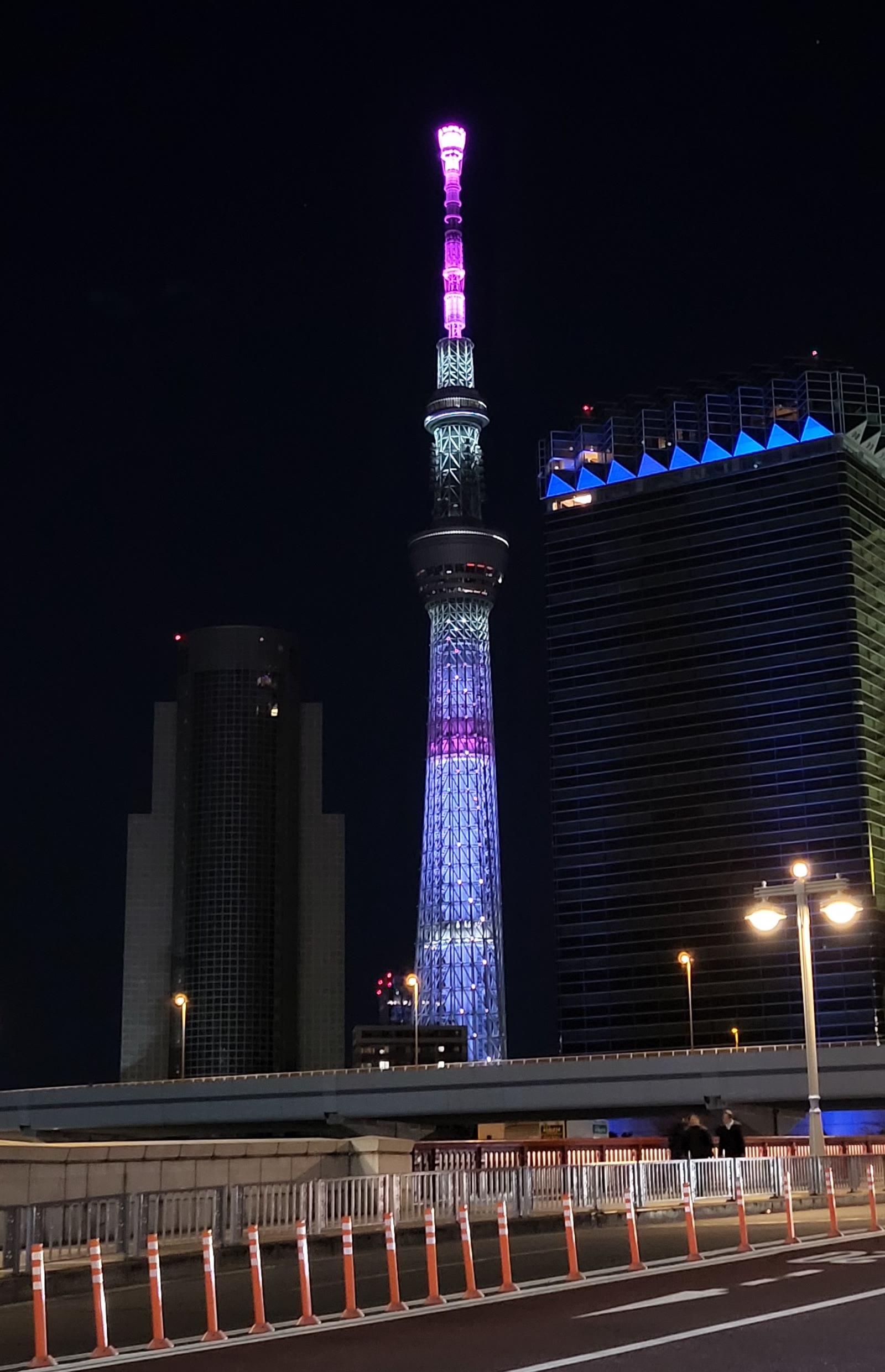
Tokyo Skytree
Japan's tallest tower at 634 m — clear winter mornings reveal Fuji-san from the 350 m deck. One stop from Asakusa.
-
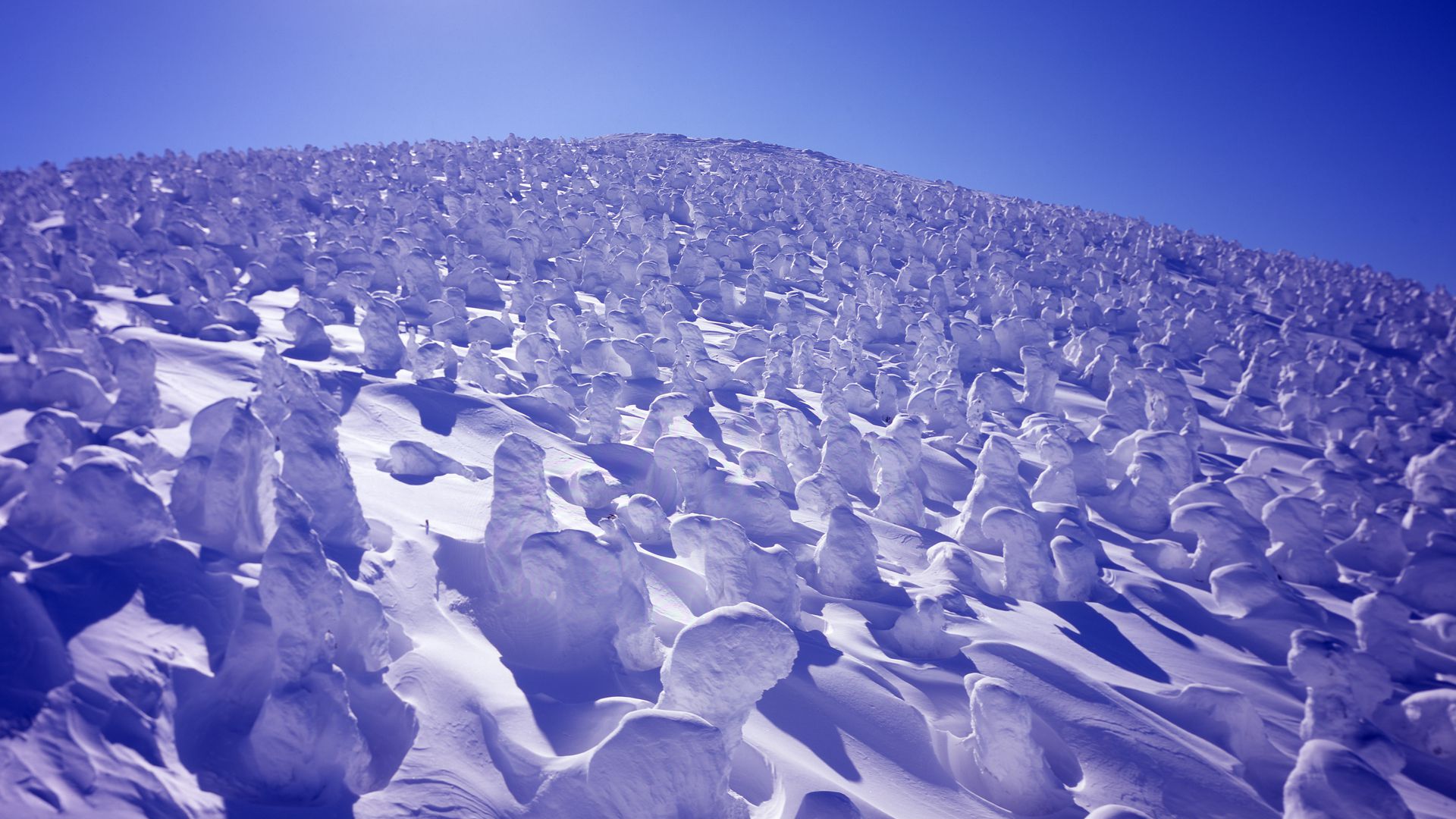
Zao Onsen and the Snow Monsters
Strongly acidic sulphur water in the lanes, a plateau of ice-cased firs above them.
-
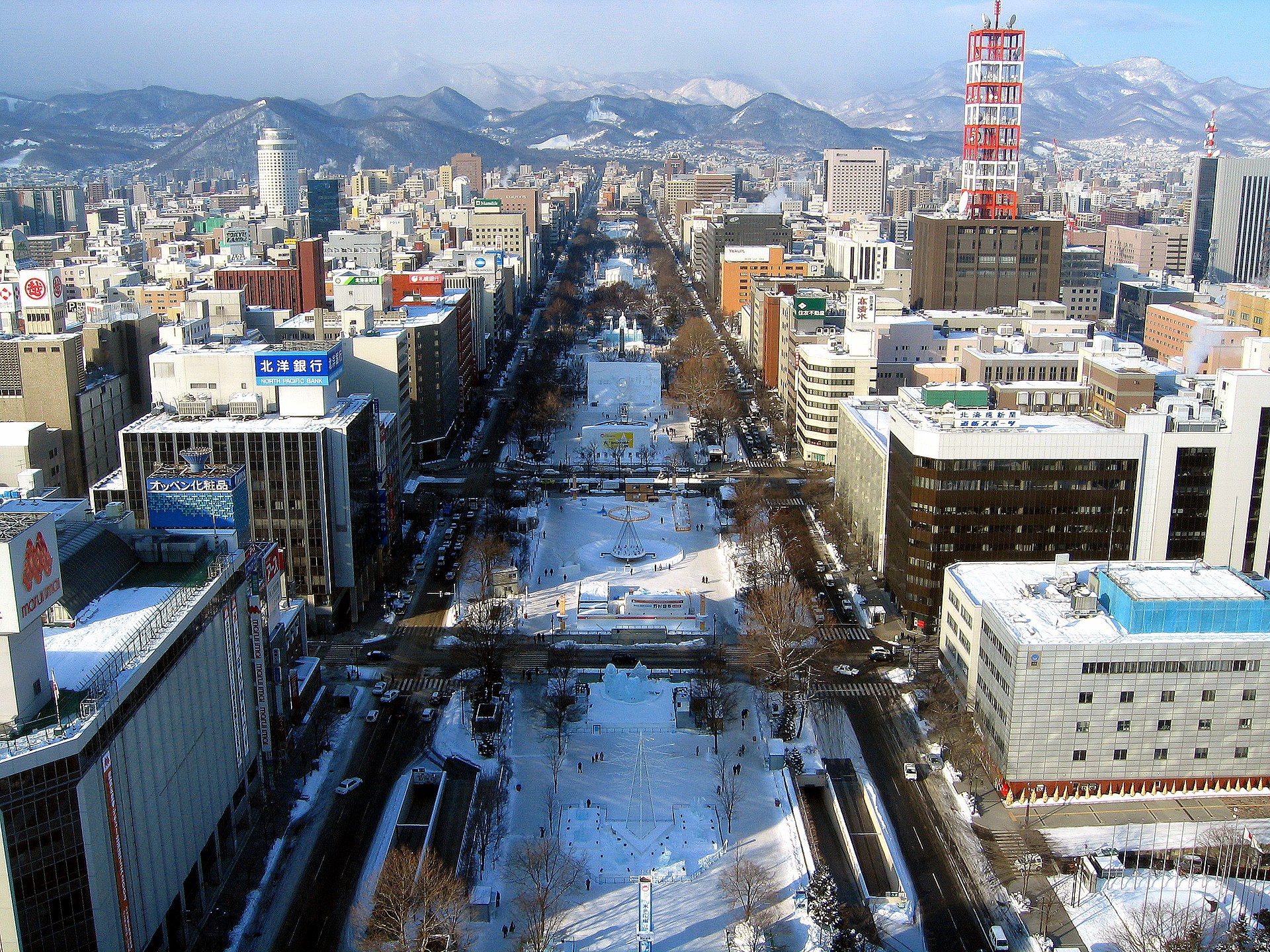
Odori Park
A firebreak that became a park, and the front room of the snow festival.
-
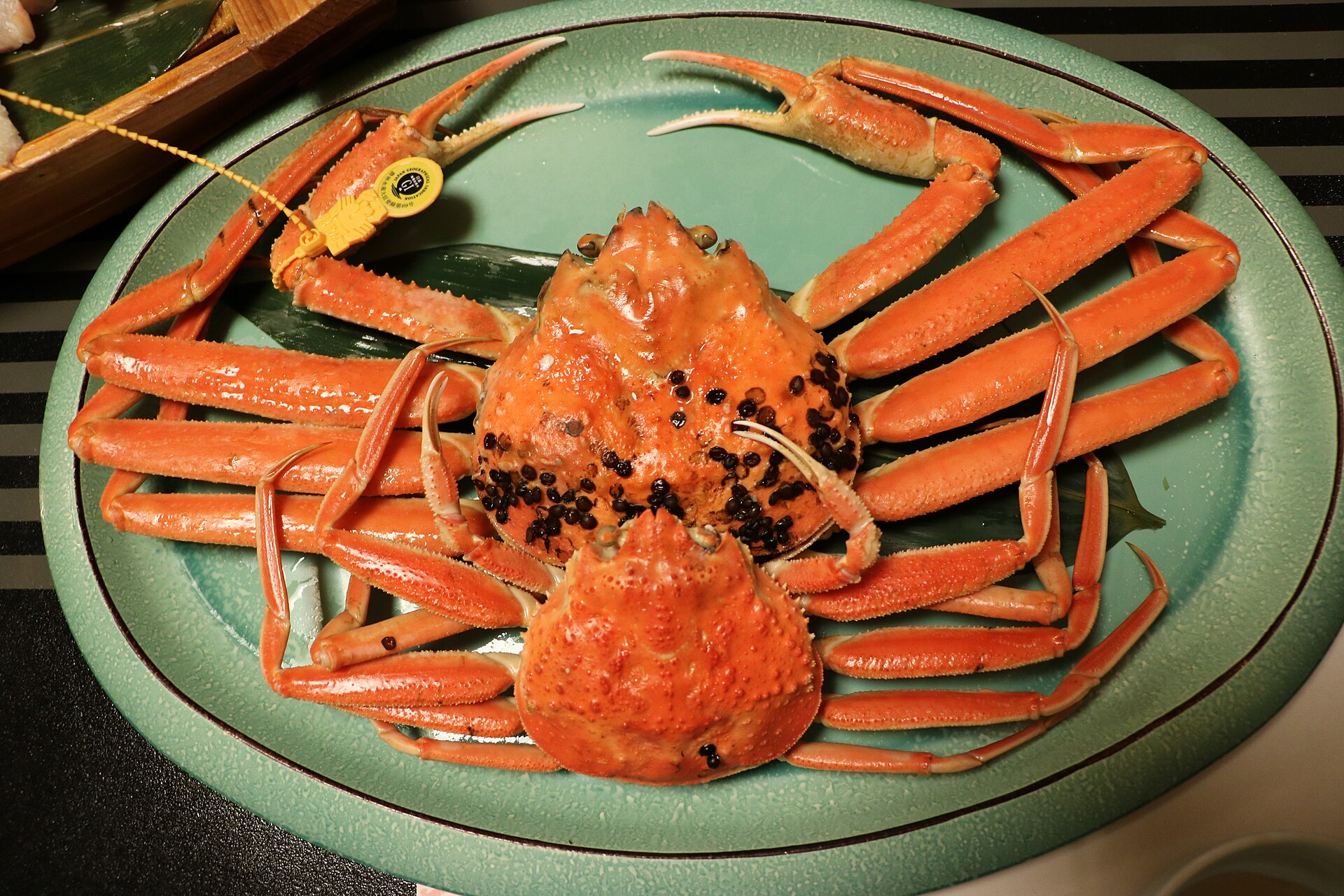
Echizen Snow Crab
The crab's own front door — museum, market hall and a sea bath on one roadside site.
-
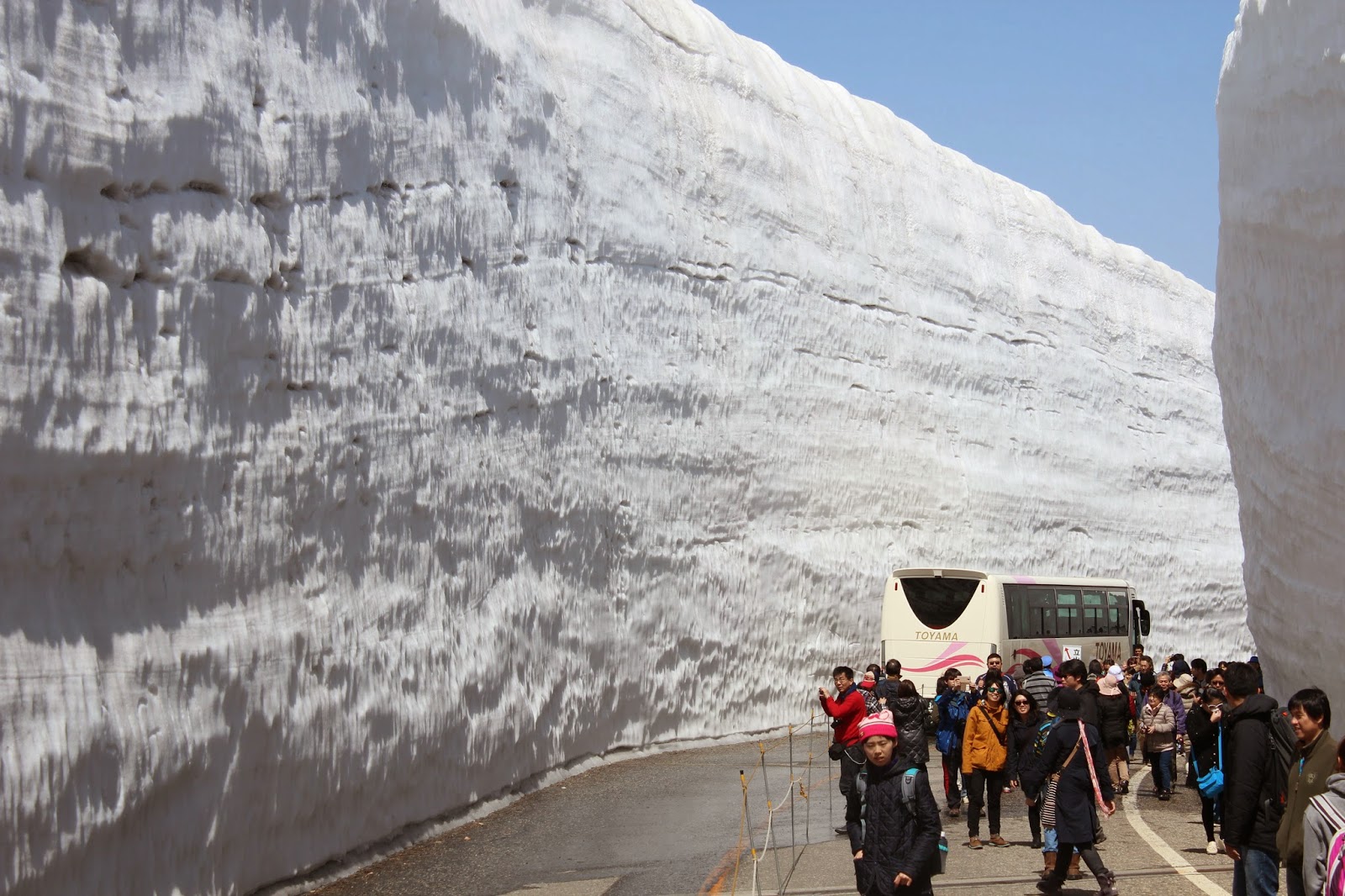
Tateyama Kurobe Alpine Route
A spring road cut through the snow rather than cleared off it.
-
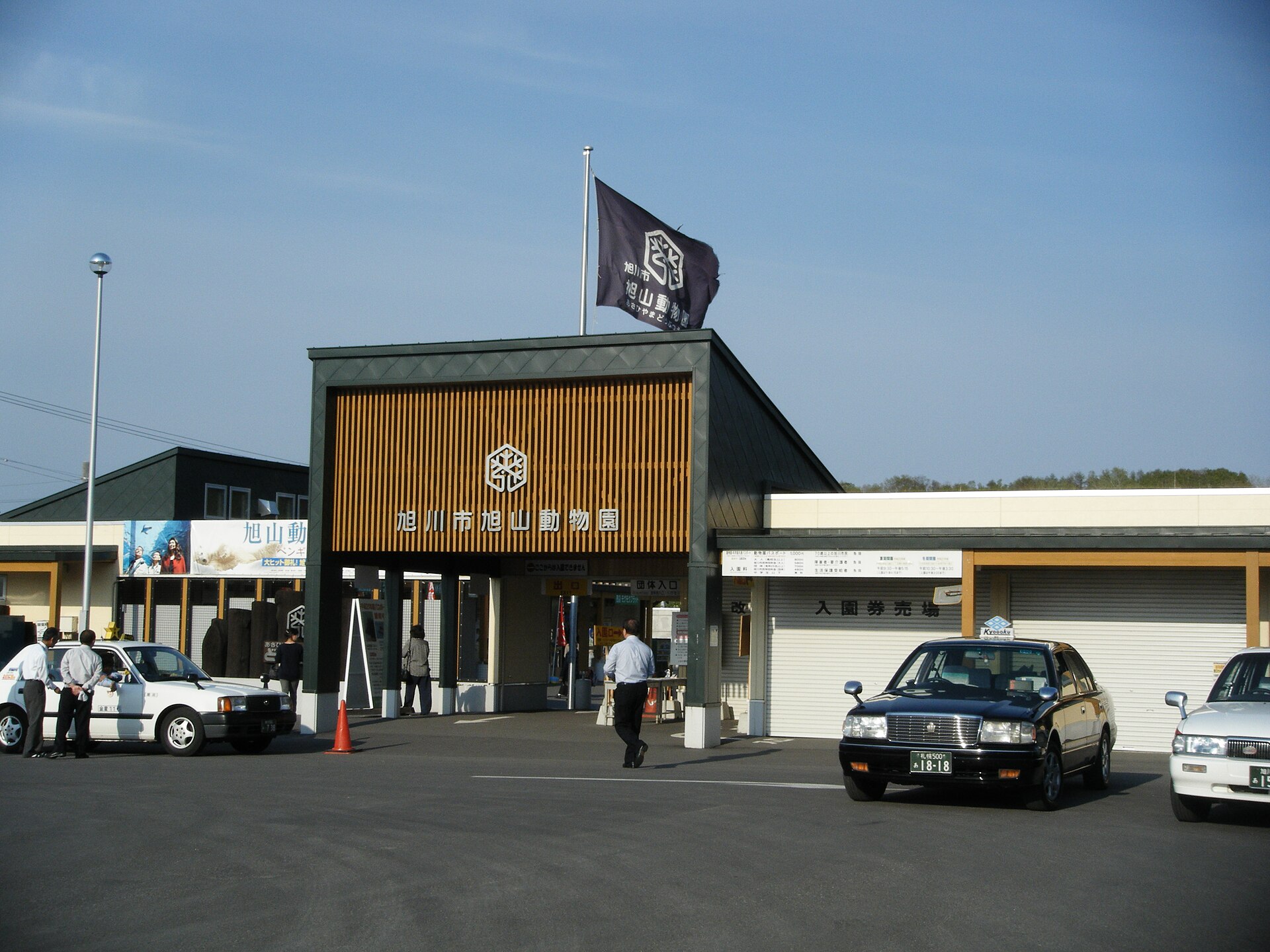
Asahiyama Zoo
Japan's northernmost zoo, built so the animals are seen moving.
-
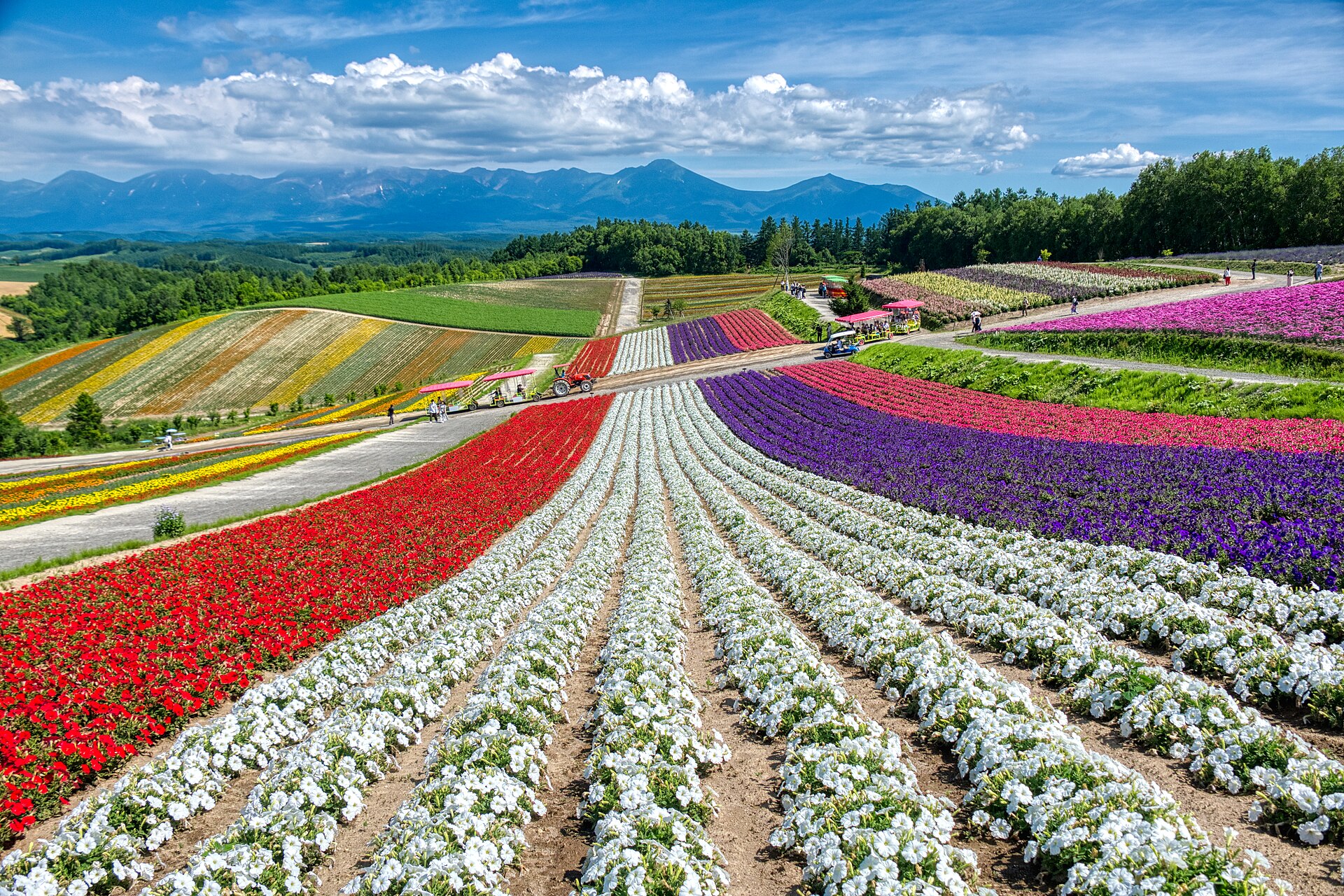
Shikisai-no-oka — A banded flower garden on the Biei hills
A hillside planted in bands, so the slope itself does the composing.
-
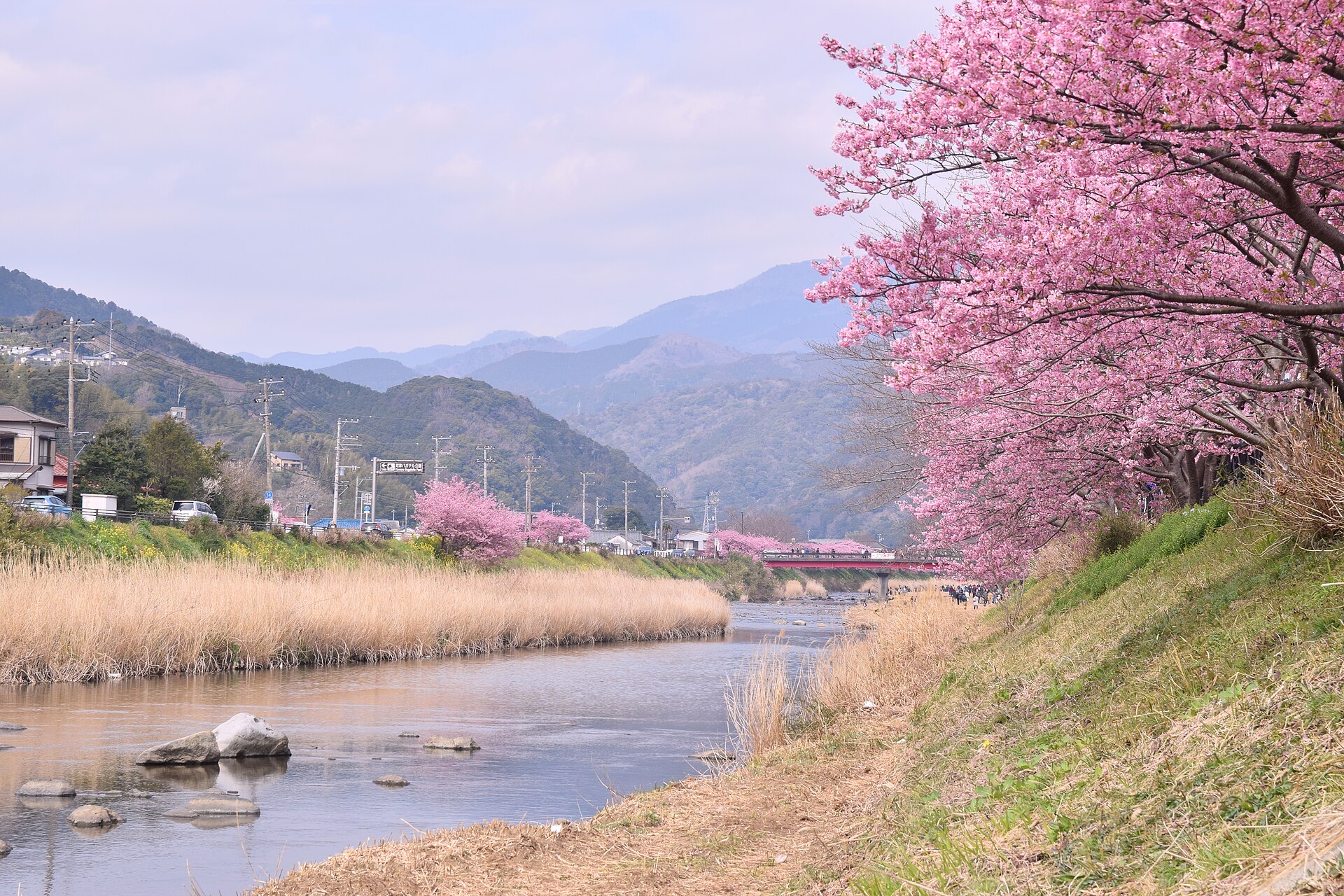
Kawazu-zakura — The early cherry avenue along the Kawazu River
Late-winter cherries along a river, walked from the station to the tree they began with.
-
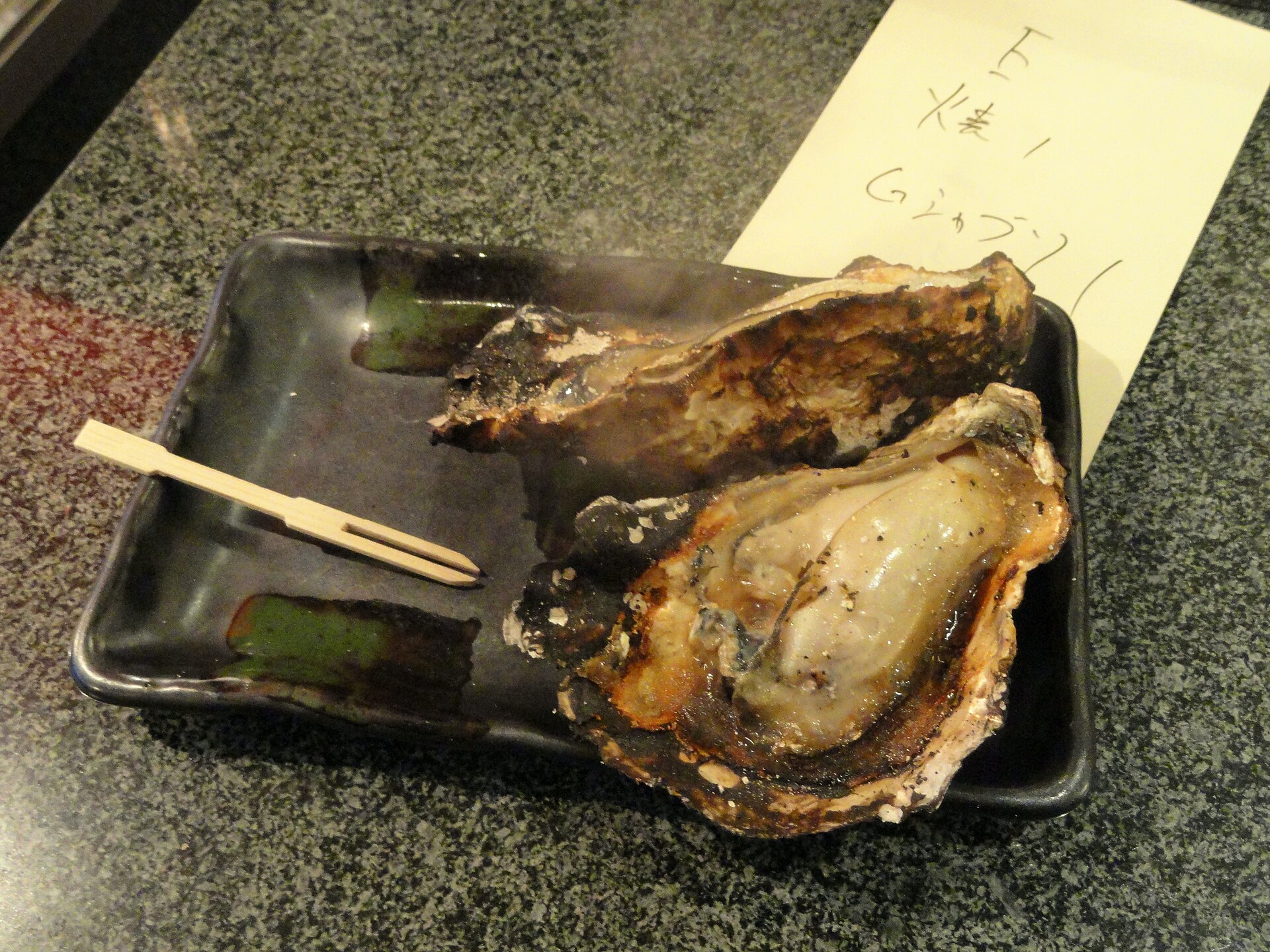
Hiroshima Oysters
Grilled oysters handed over at the counter, on the road between the pier and the shrine.
-
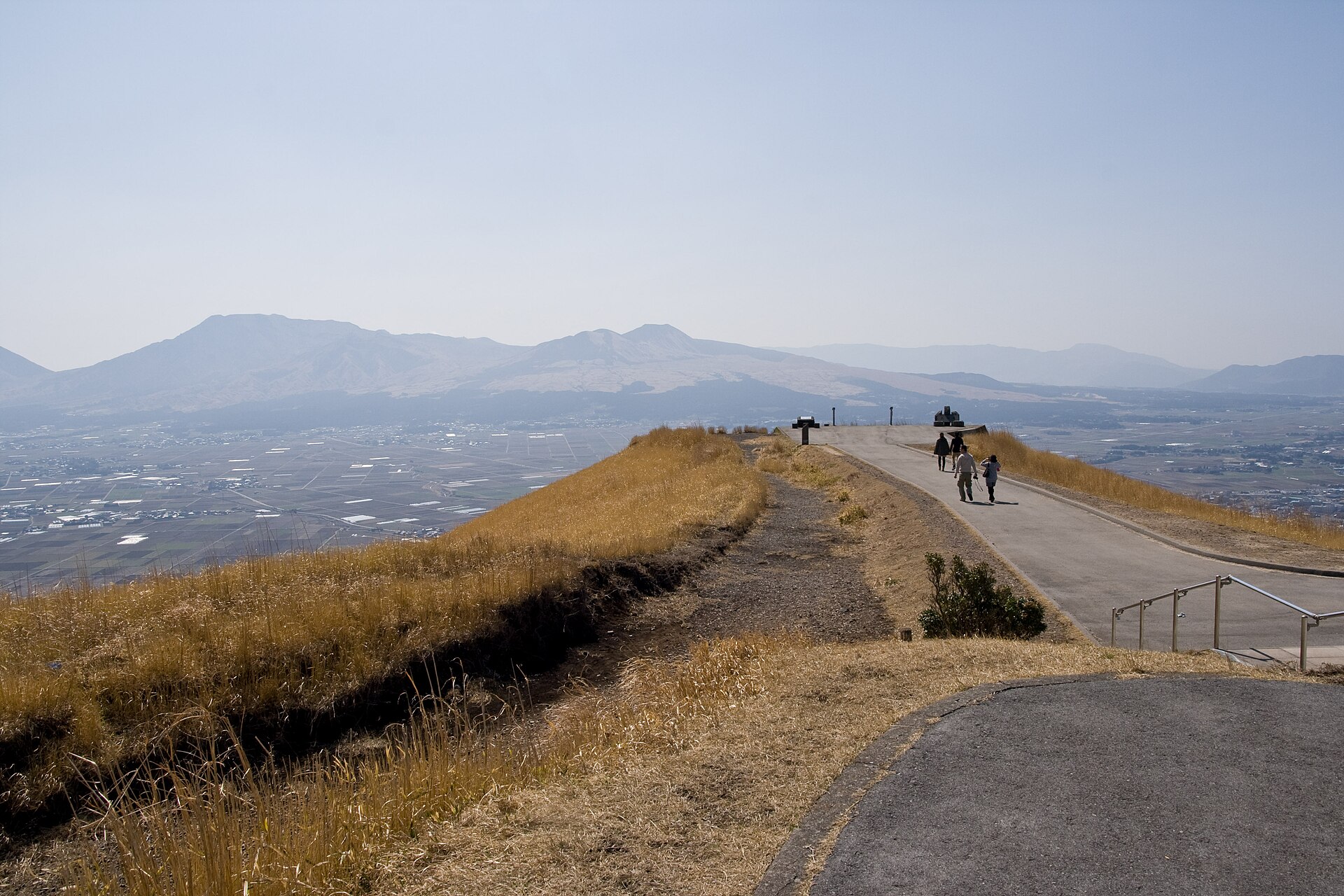
Daikanbo Lookout — The high point of Aso's northern caldera rim
The one view that shows you how large the Aso caldera really is.
-
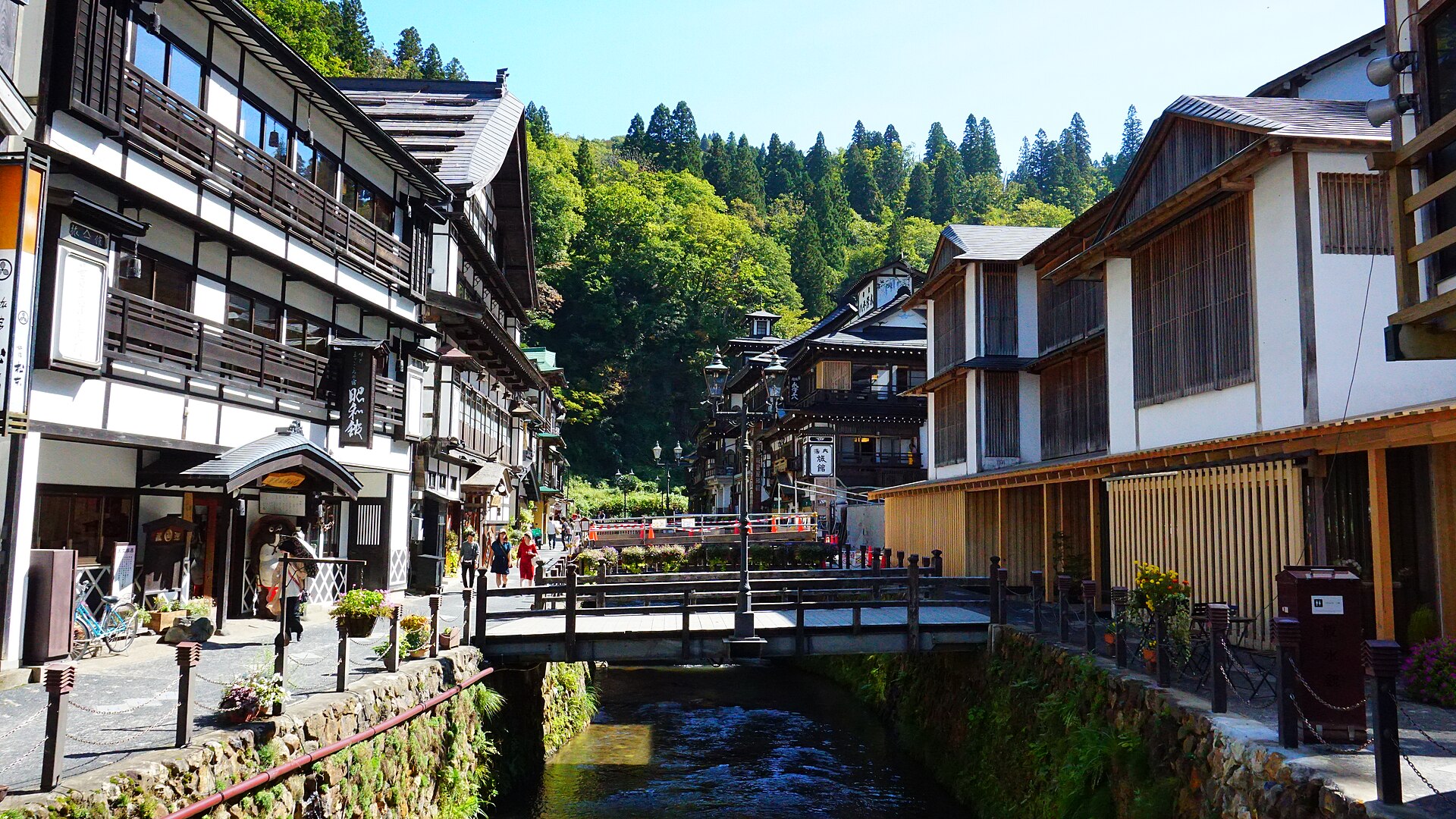
Ginzan Onsen — A wooden inn street in the Yamagata hills
A gaslit street of wooden inns, reached by city bus and worth walking twice in a day.
-
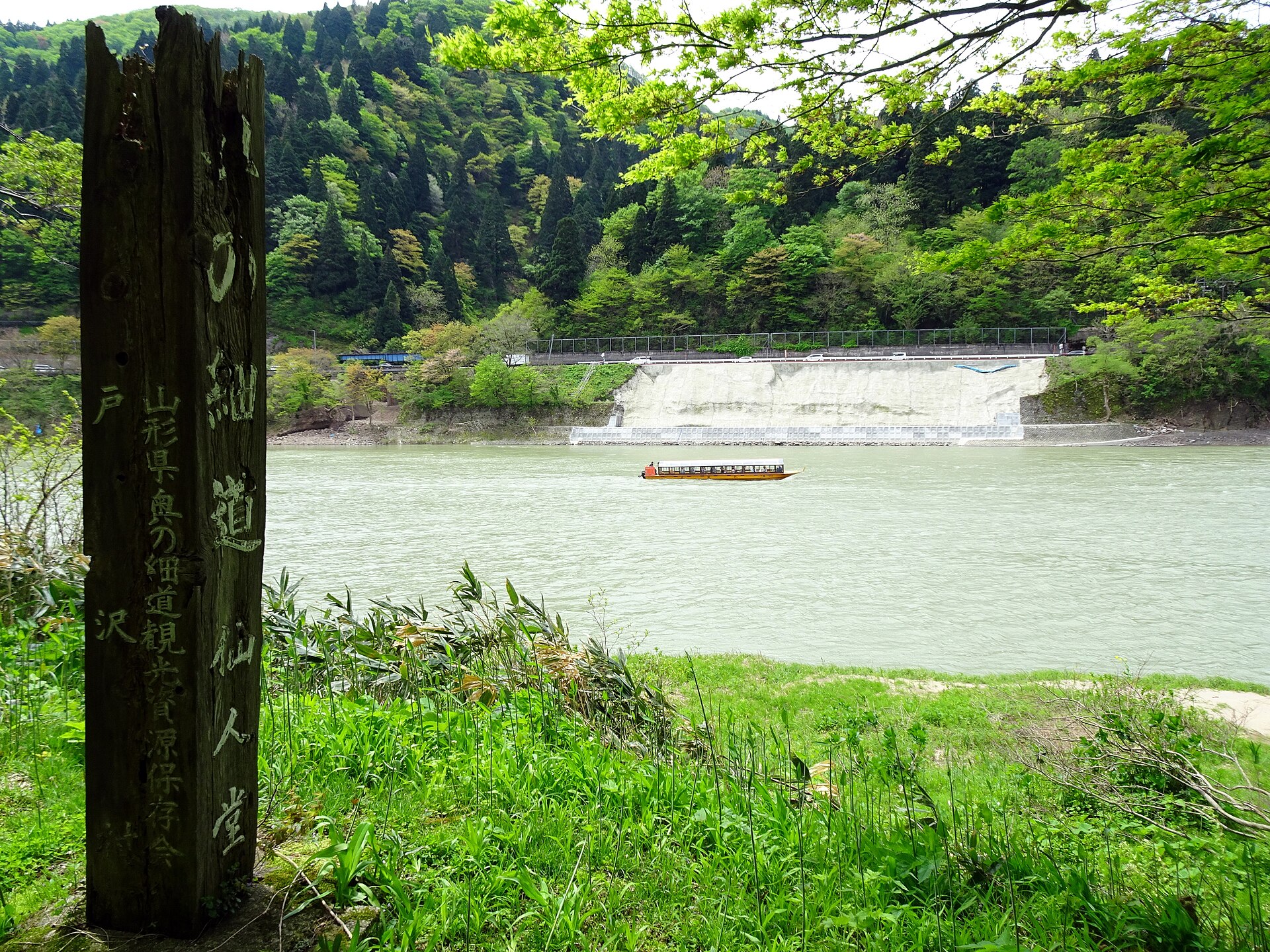
Mogami Gorge Boat Ride
A scheduled boat down a river gorge, running every day of the year, singing included.
-
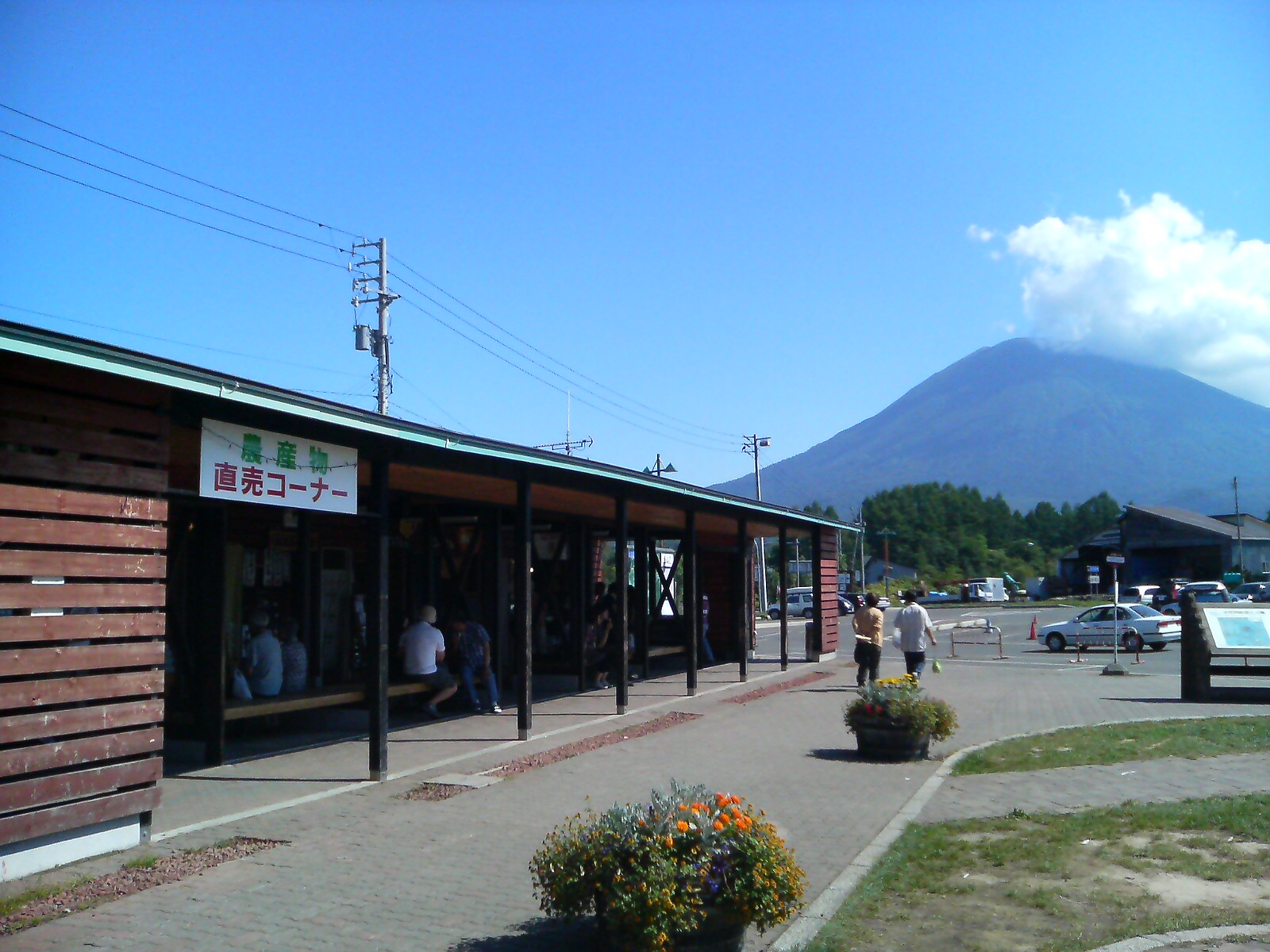
Niseko — Hokkaido's four-season highland resort under Mount Yotei
The valley's front door — maps, farm produce and Mount Yotei in one yard.
-
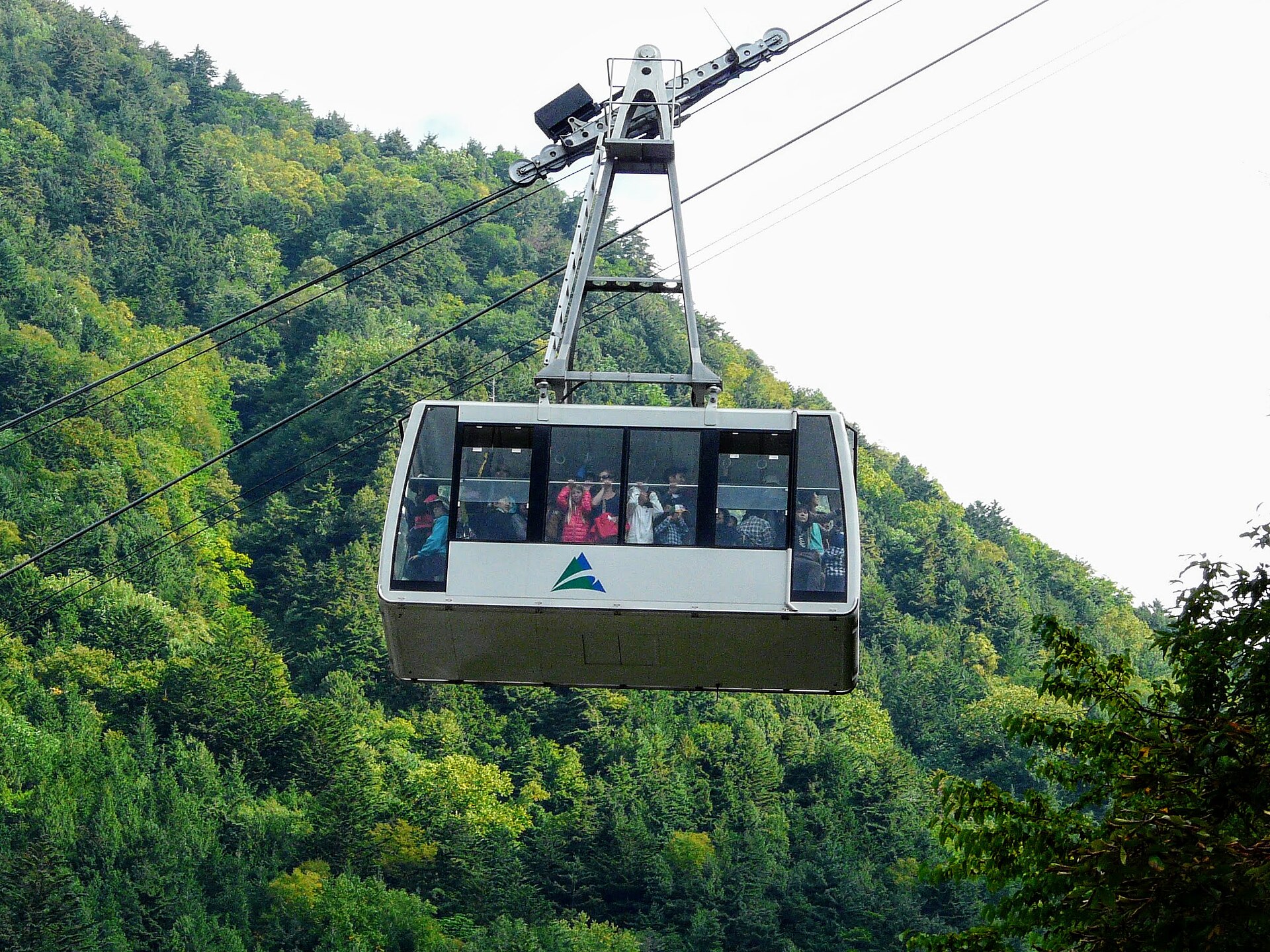
Shinhotaka Ropeway
Japan's only two-storey gondola, and an Alpine viewing deck you reach in shoes, not boots.
-
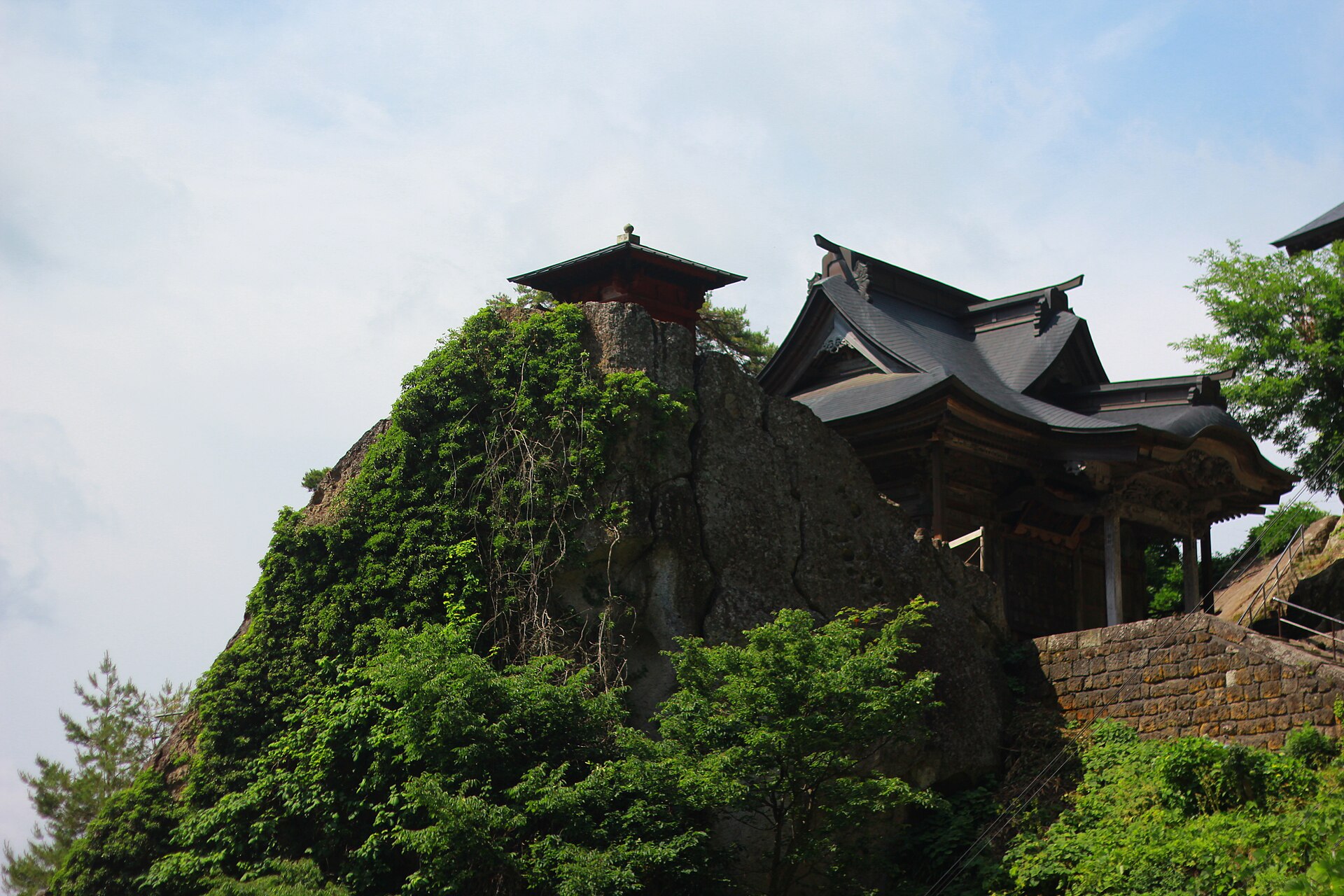
Yamadera Risshakuji — The cliff temple above the Tachiya valley
A cliff temple you climb rather than visit, and the first hour after opening is the one to take.
-
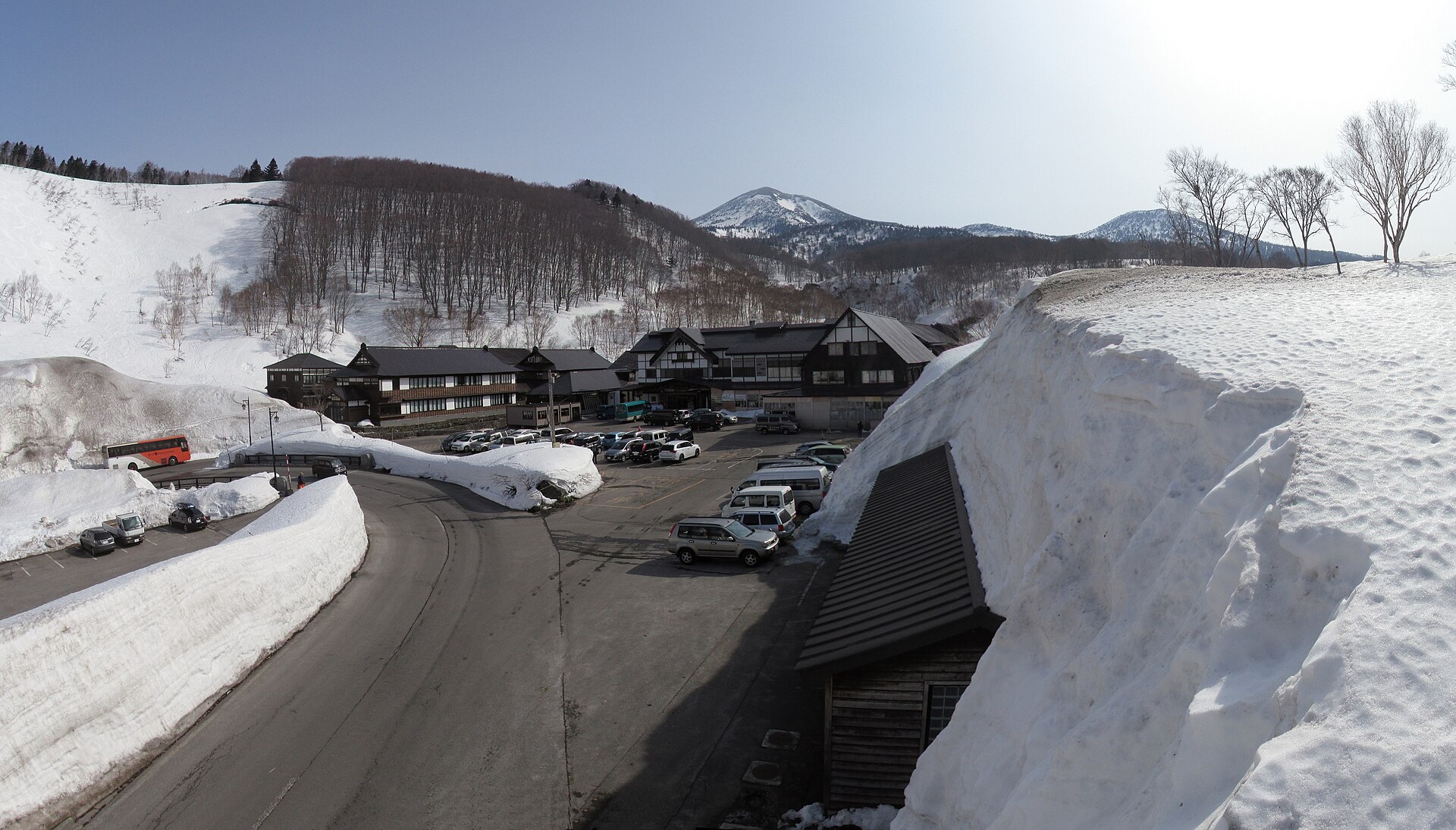
Sukayu Onsen — The all-cypress mountain bath on Hakkoda
A pillarless cypress bath on Hakkoda, open to day visitors, in Japan's record snow country.
-
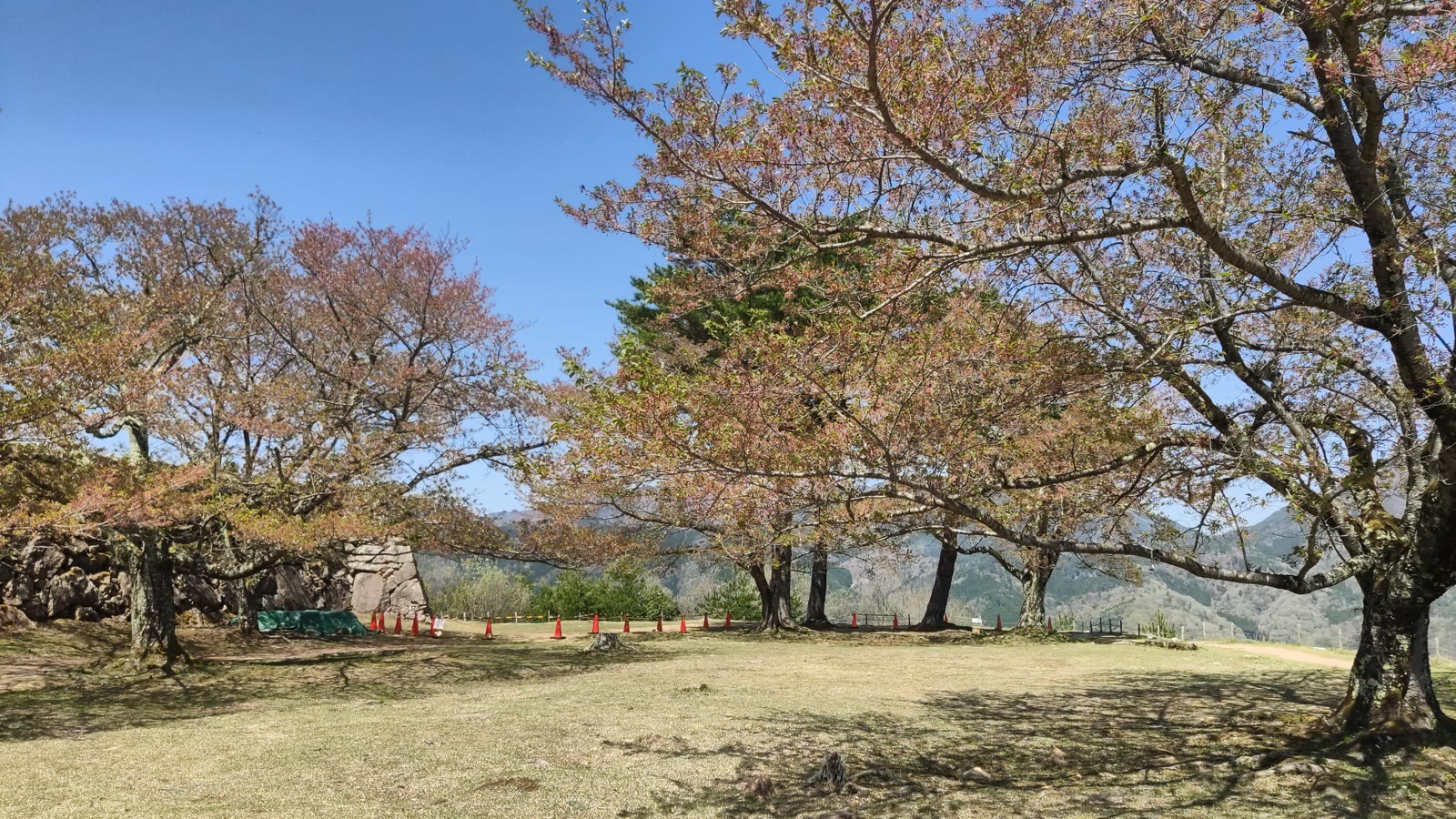
Takeda Castle Ruins
One of Japan's most dramatic castle ruins: a 353-metre hilltop, intact stone walls, and on autumn mornings, a valley of cloud below. Allow ~2.5 hours from Osaka each way.
-
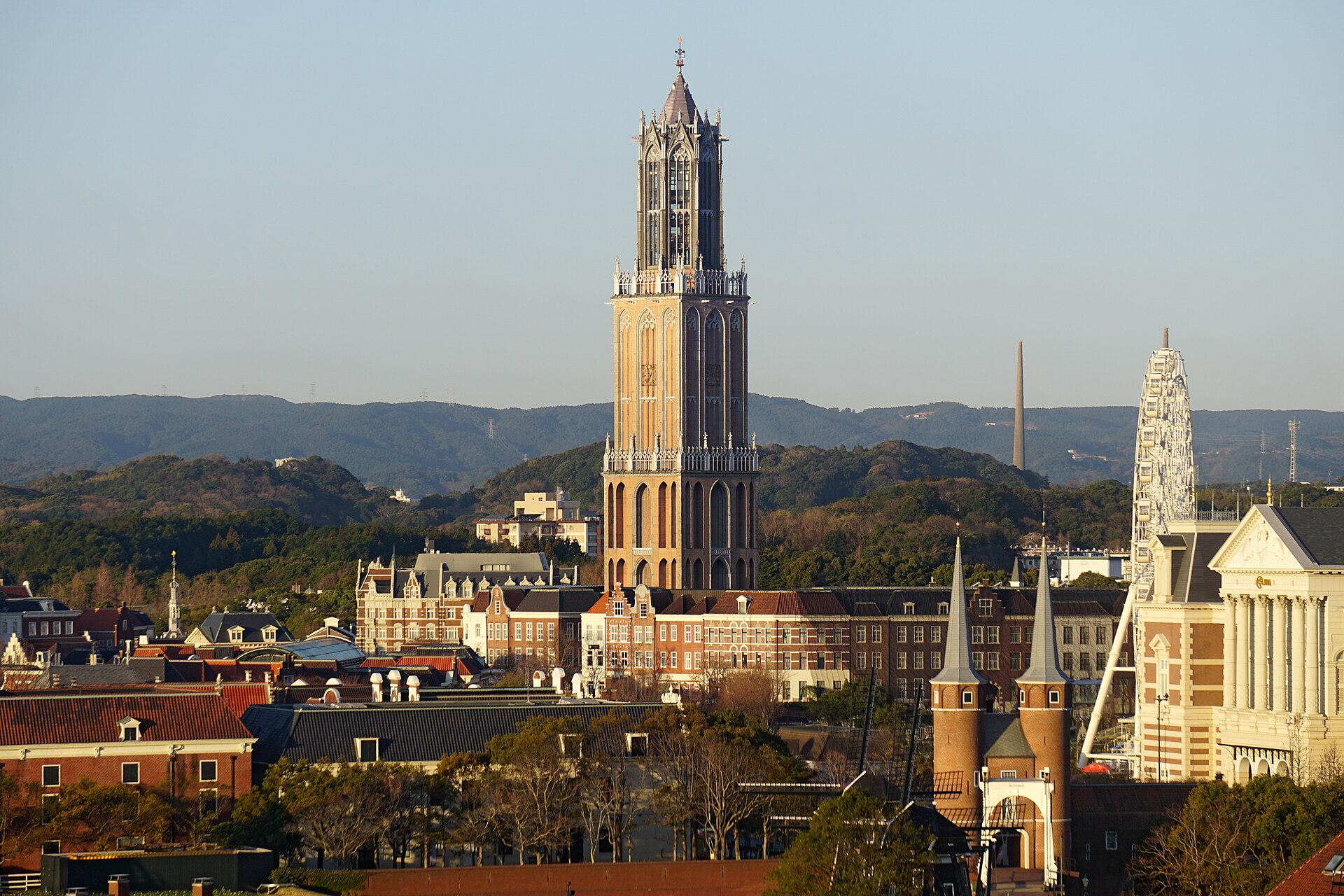
Huis Ten Bosch — A full-scale Dutch town rebuilt as a theme park
A whole Dutch town you can walk, and it changes character after dark.
-
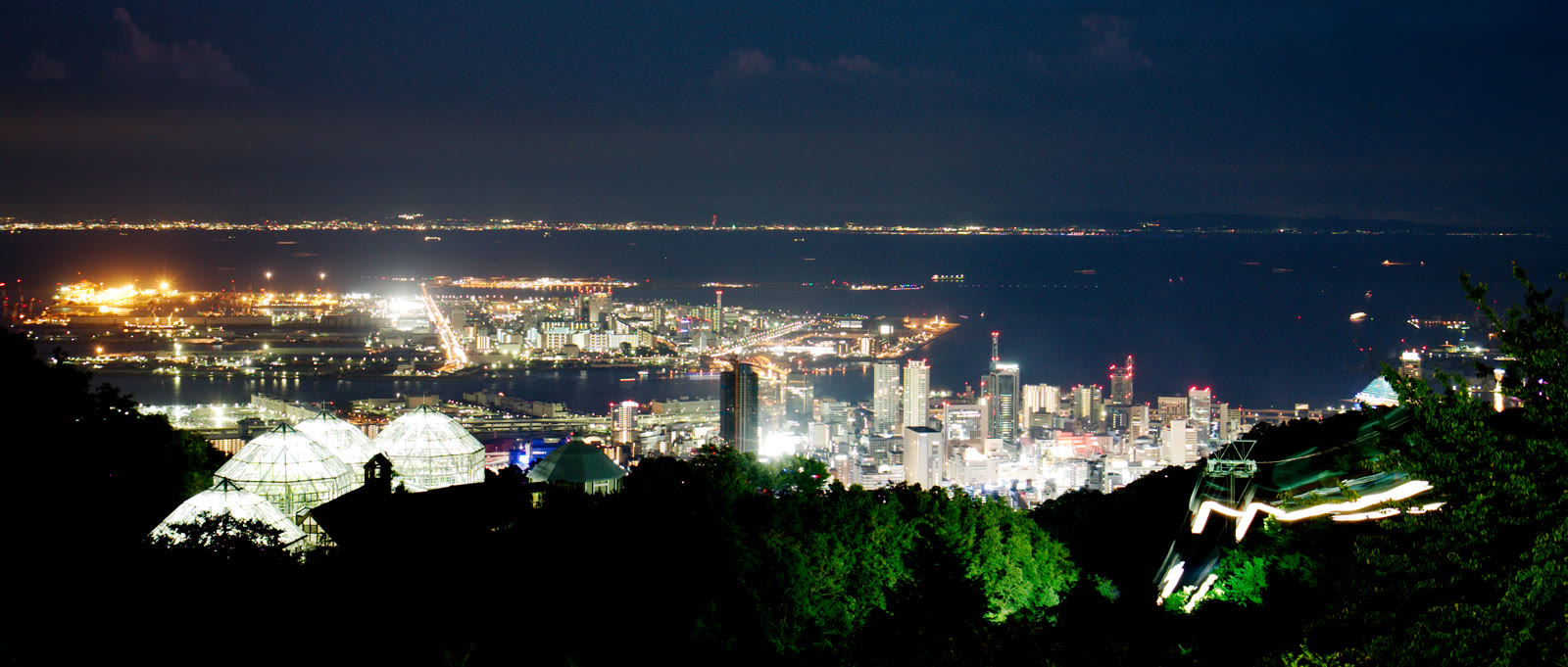
Nunobiki Herb Gardens
Japan's largest herb garden on a Rokko mountainside, with a city-and-harbour panorama that changes from morning light to evening glow.
-
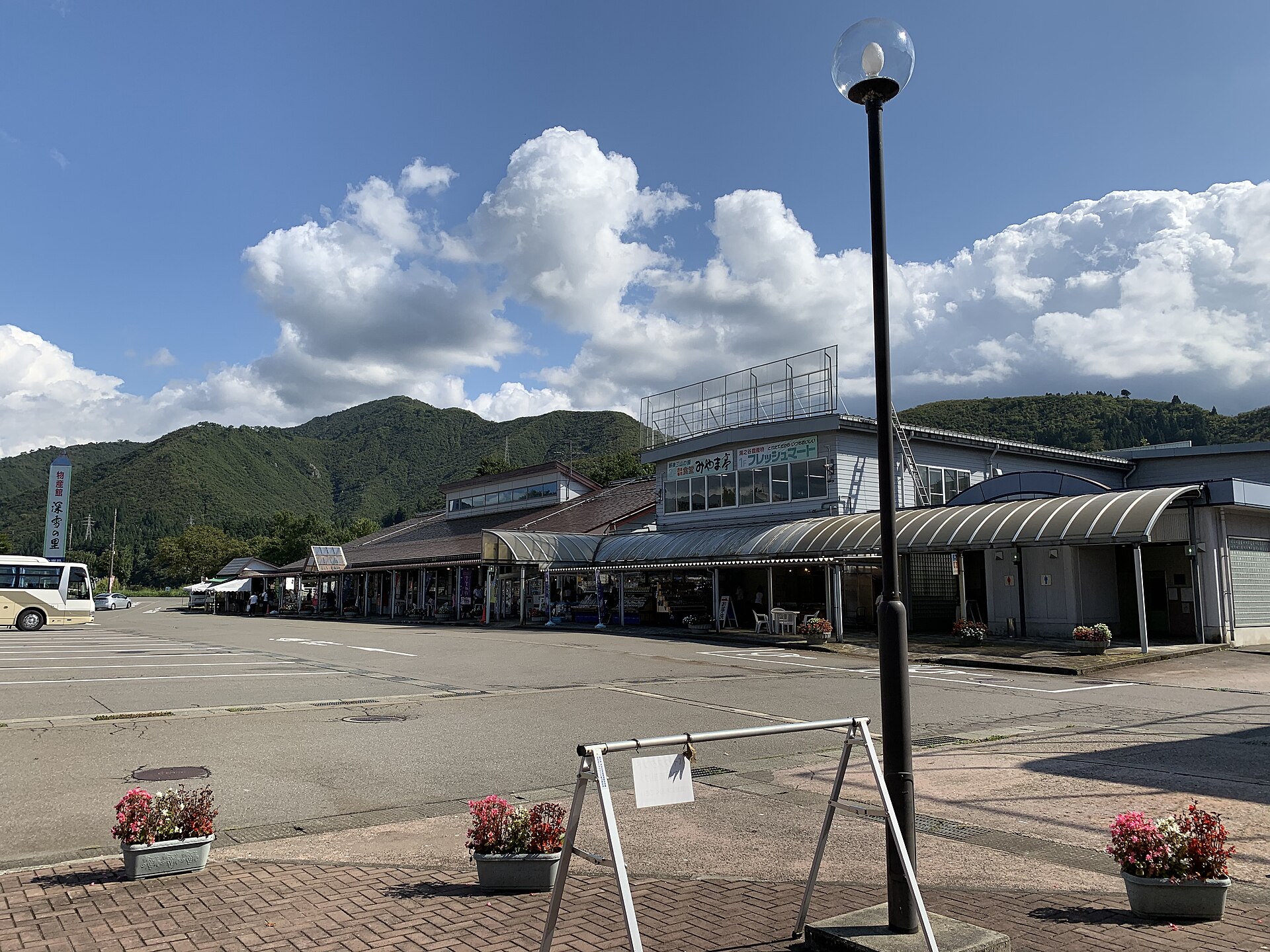
Uonuma Koshihikari Rice
A counter inside Japan's most famous rice district, where the rice is sold and cooked on the spot.
-
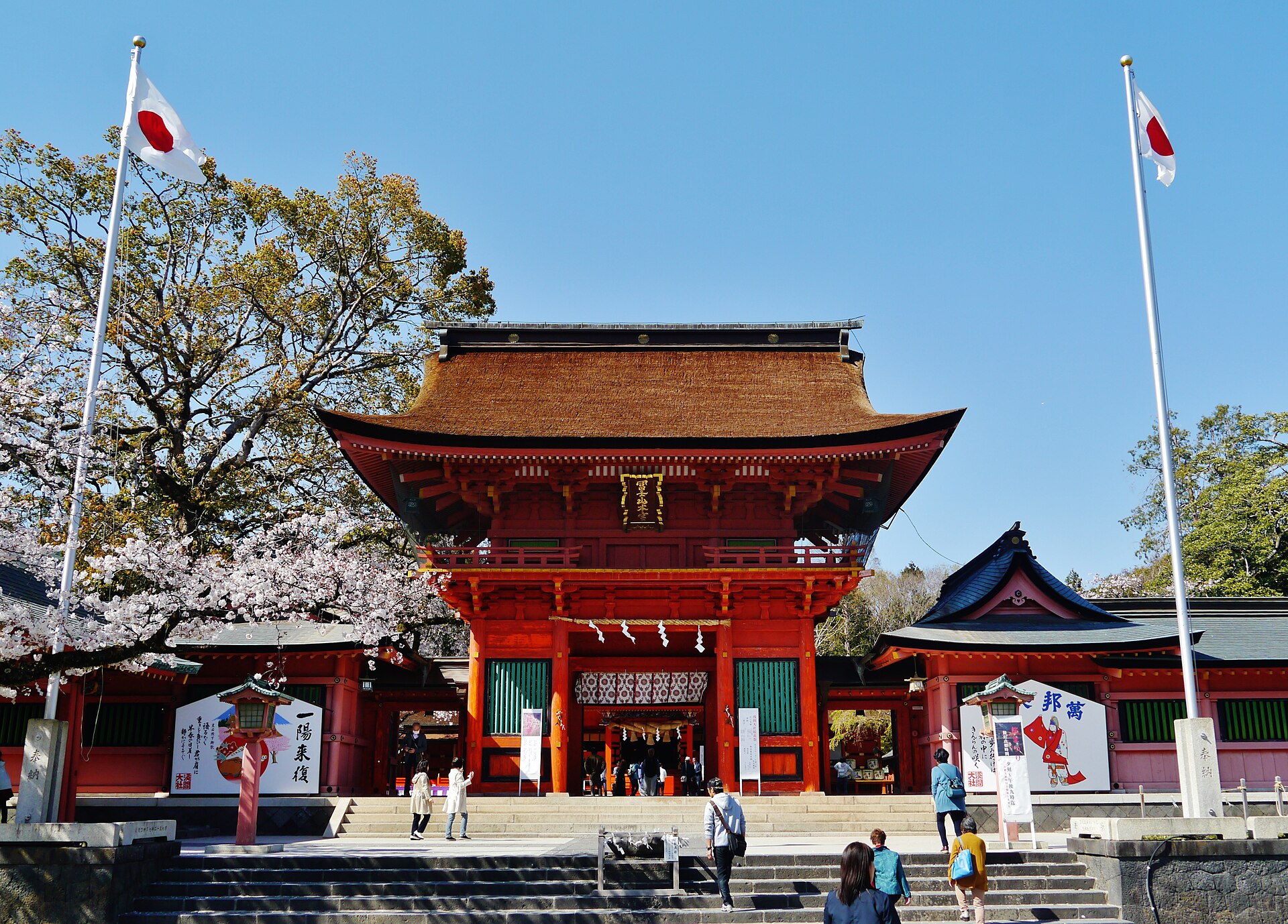
Fujisan Hongu Sengen Taisha — Head shrine of the Sengen shrines of Mount Fuji
The mountain's own head shrine, free and open before the traffic.
-
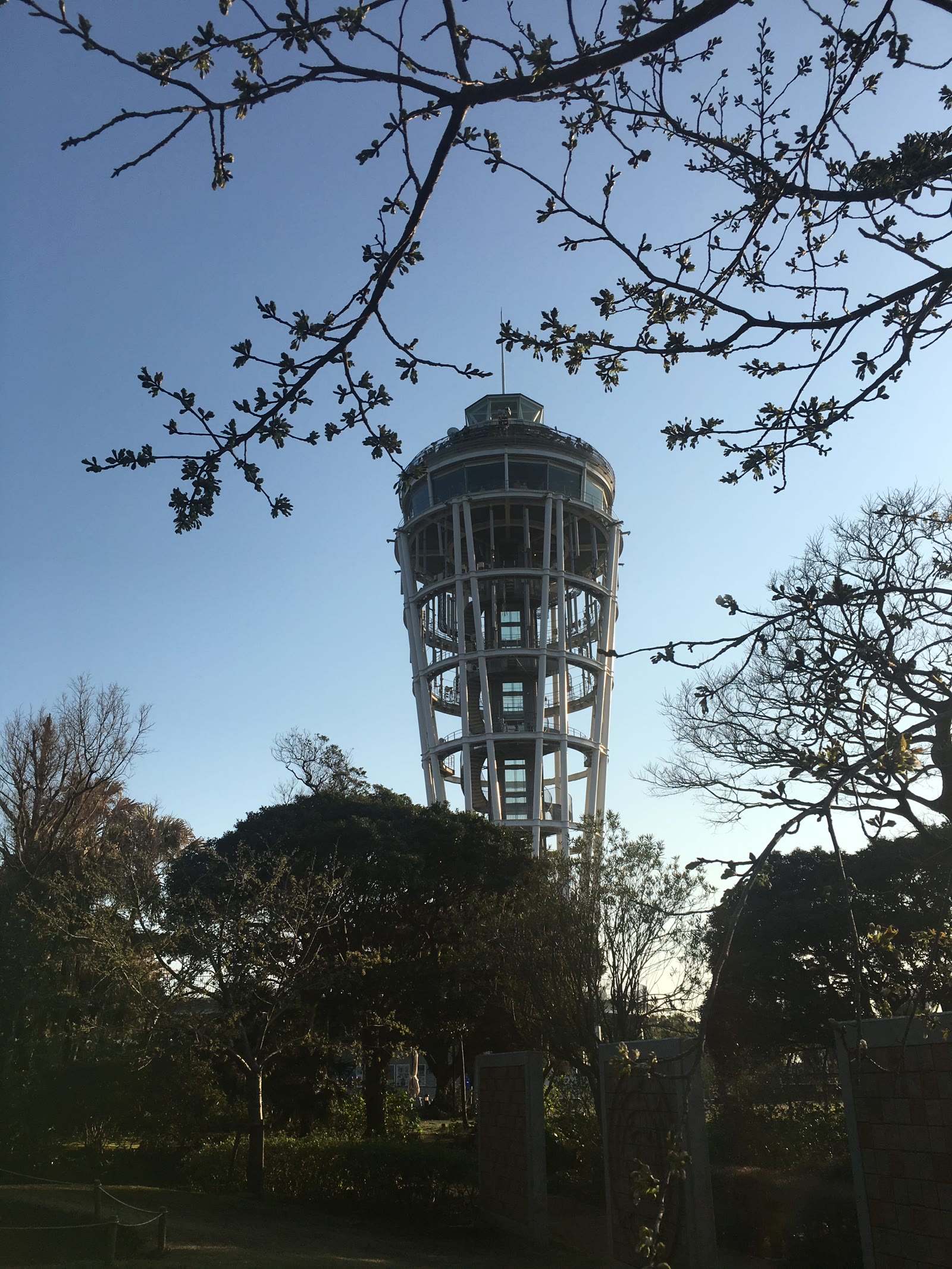
Enoshima Island
Shonan's island shrine — 1,500-year-old Benzaiten, sea caves, and a lighthouse tower with a Mount Fuji view.
-
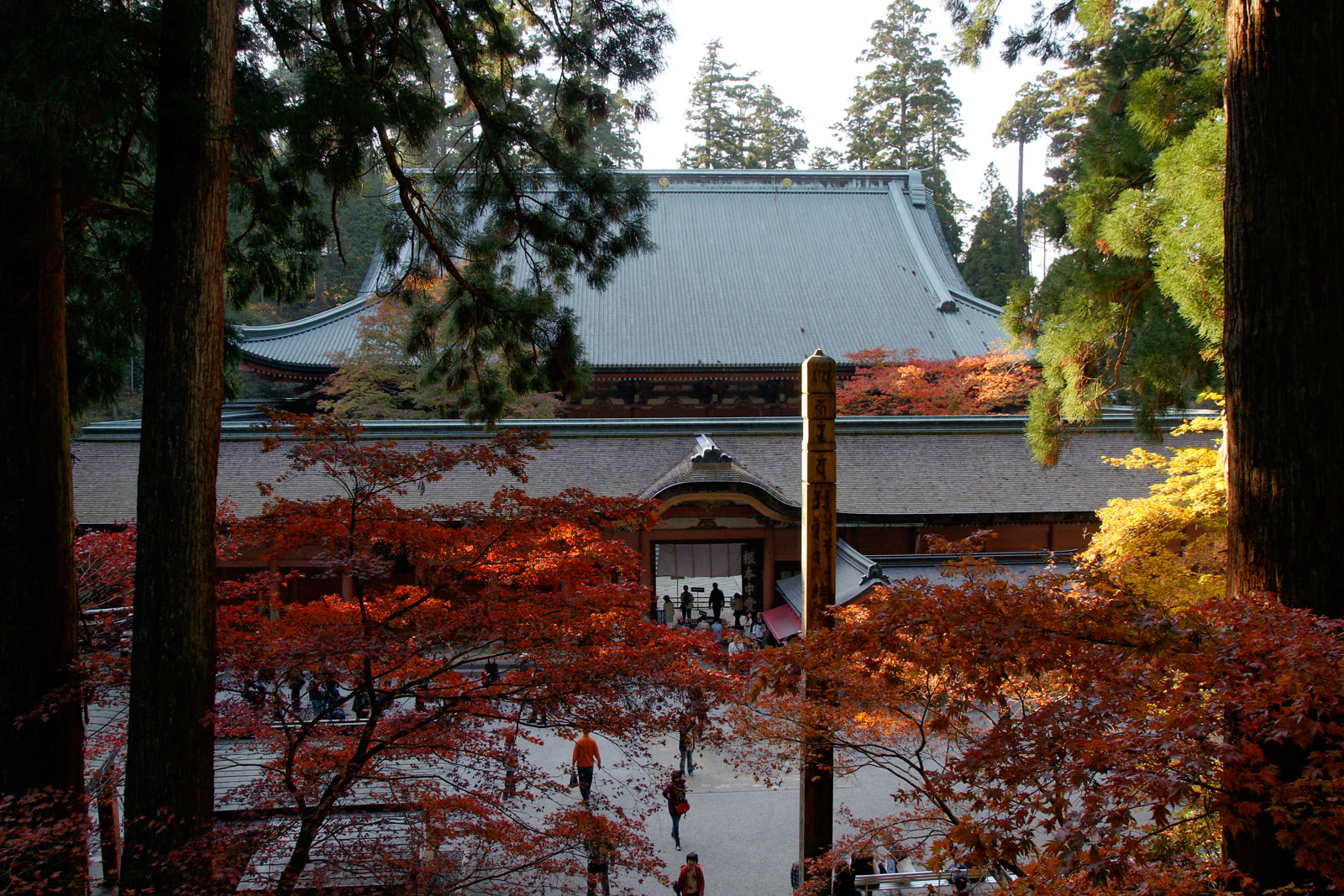
Enryaku-ji Temple
Mount Hiei's mountaintop monastery — where the founders of Japan's major Buddhist schools trained, and a single flame has burned for 1,200 years.
-
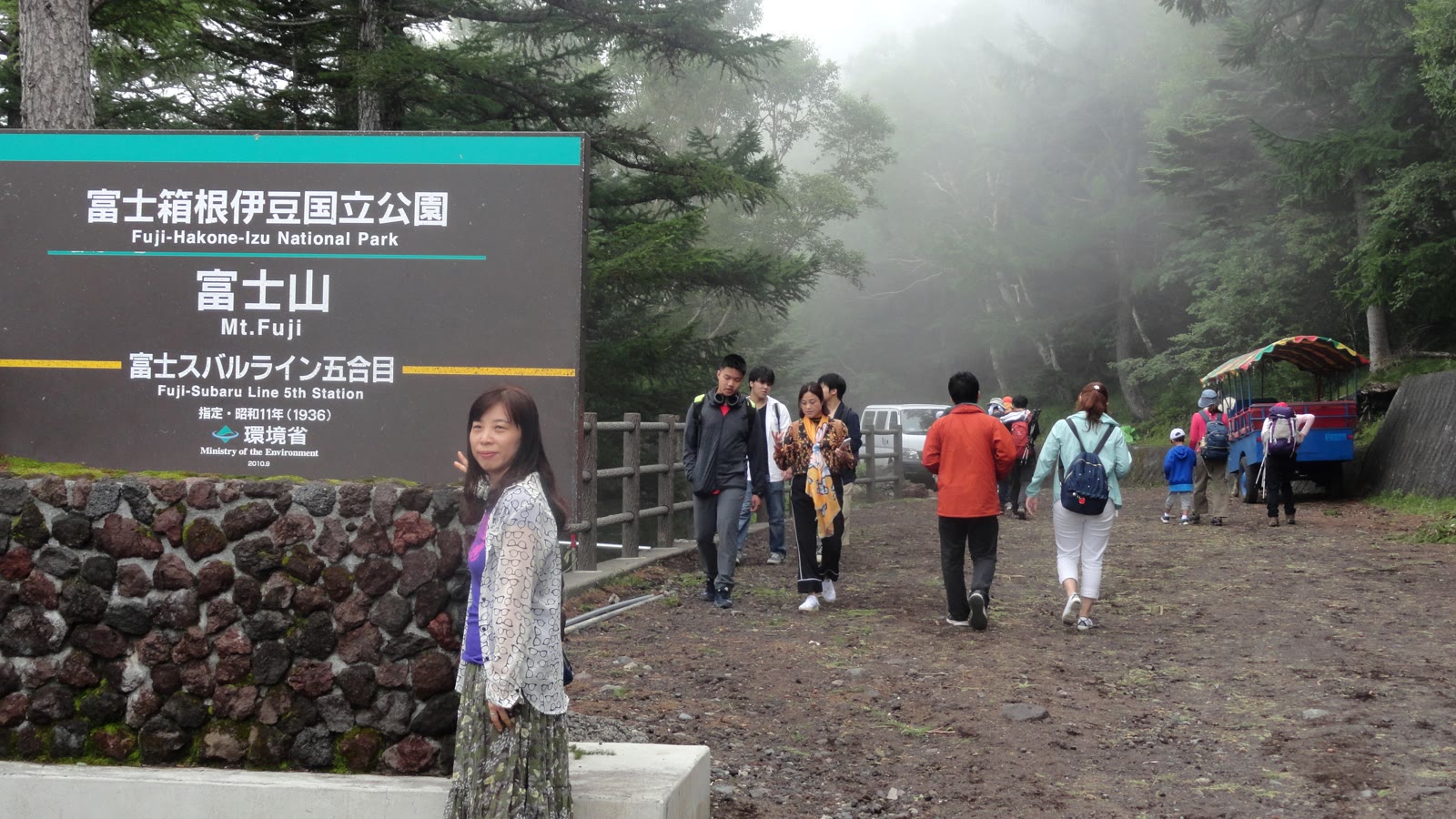
Mount Fuji
Japan's highest mountain and most iconic image — the 5th Station at 2,305 m is accessible by bus and often above the cloud layer on clear mornings.
-
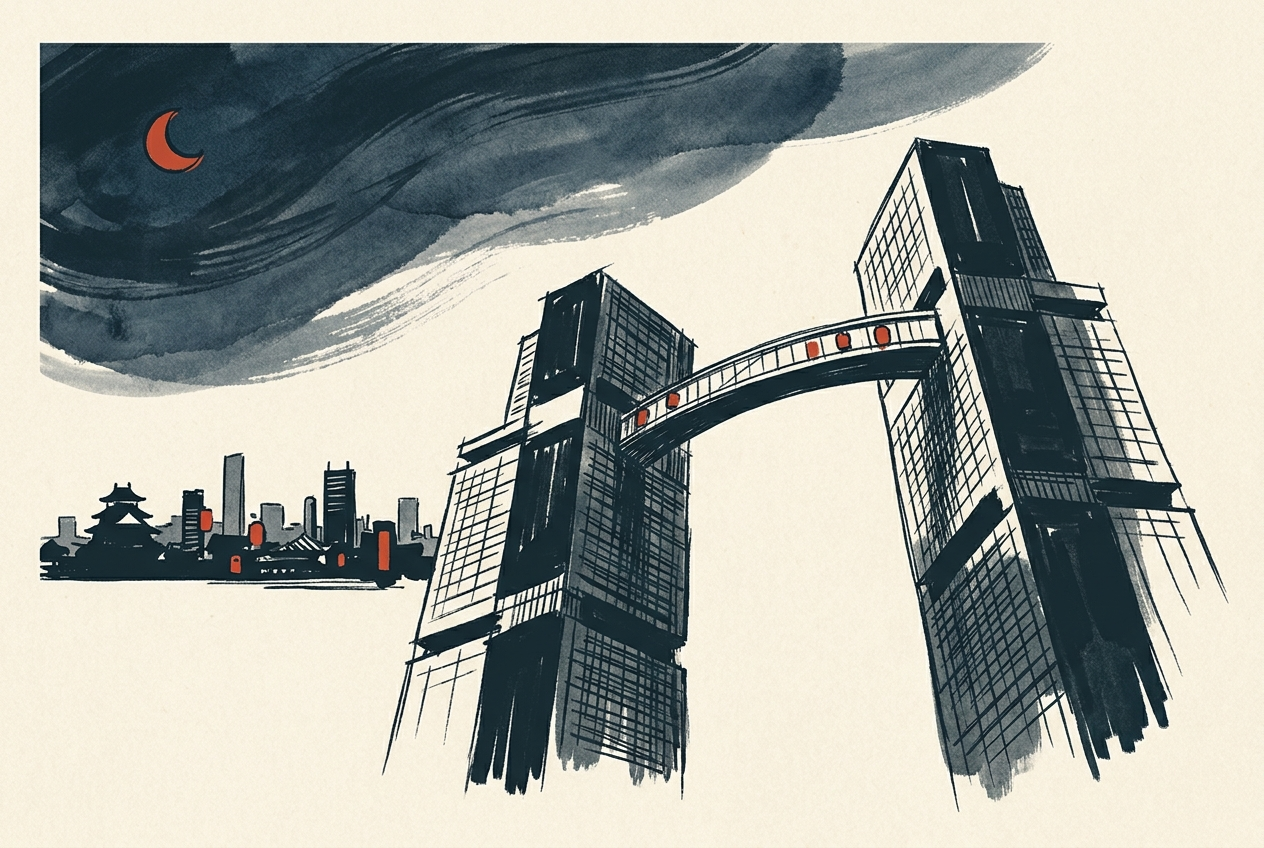
Umeda Sky Building — the open-air rooftop at 173 m
Osaka's most dramatic observation point — the open-air cross-tower escalator and 360-degree rooftop at 173 m, open until 22:30 for night views.
-
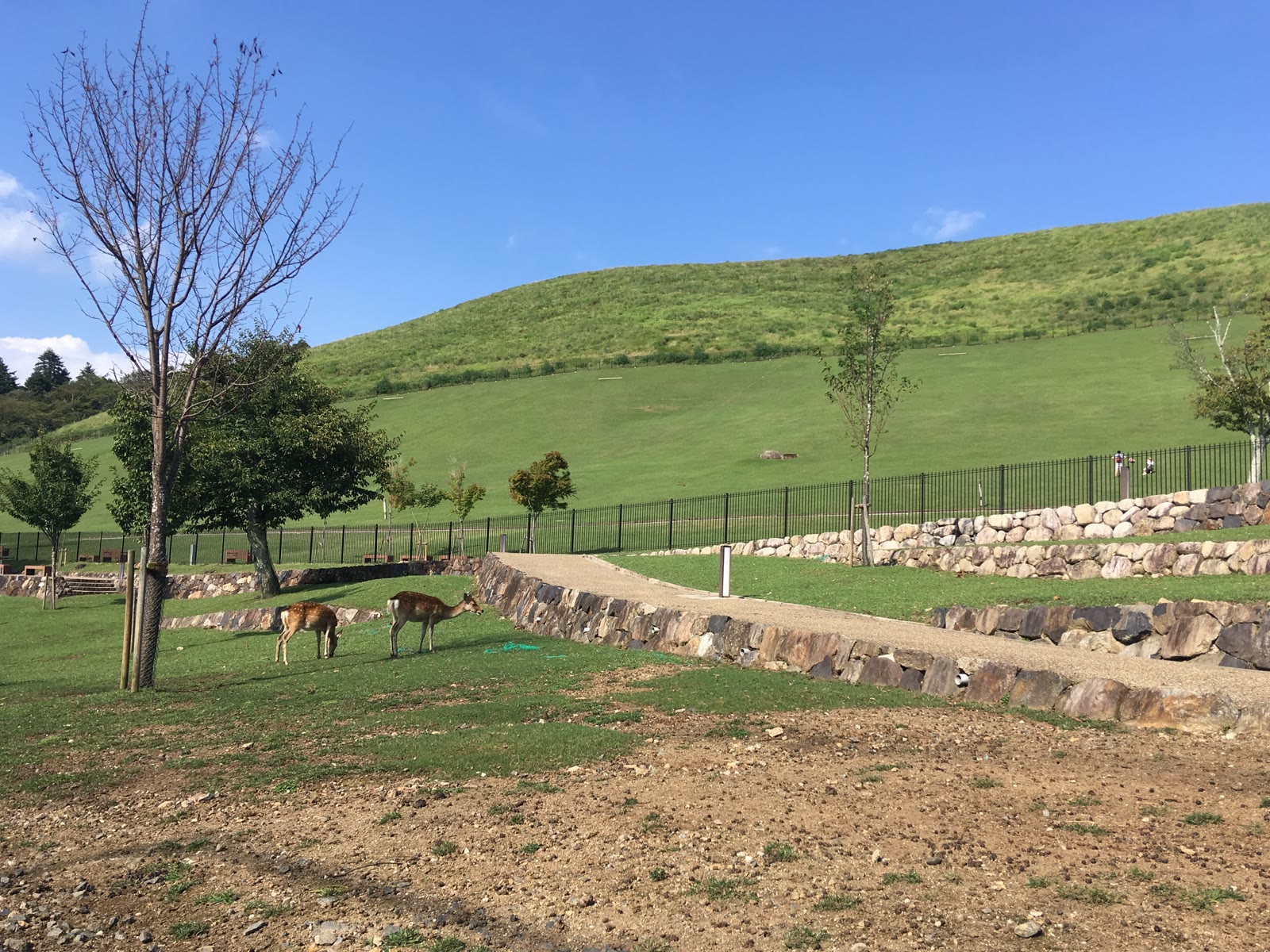
Mount Wakakusa
A three-tiered hill of pure grass above Nara Park — 30 minutes up, deer the whole way, and Todaiji's Great Buddha Hall seen from above.
-
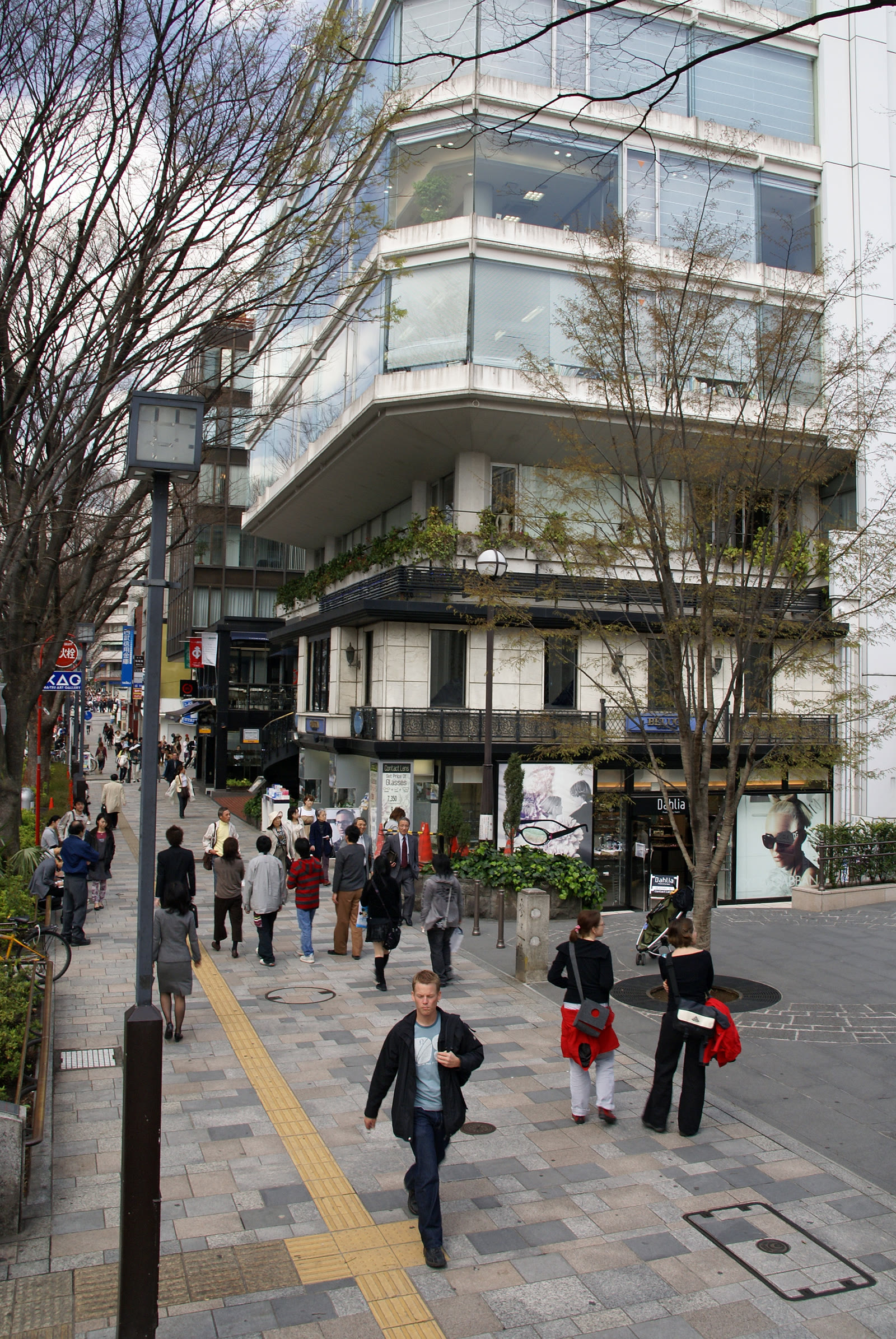
Omotesando — a shrine approach turned shopping street
Tokyo's flagship boutique avenue is a shrine approach — zelkova trees set the scale, and even Tadao Ando's building was held to three storeys to stay under them.
-
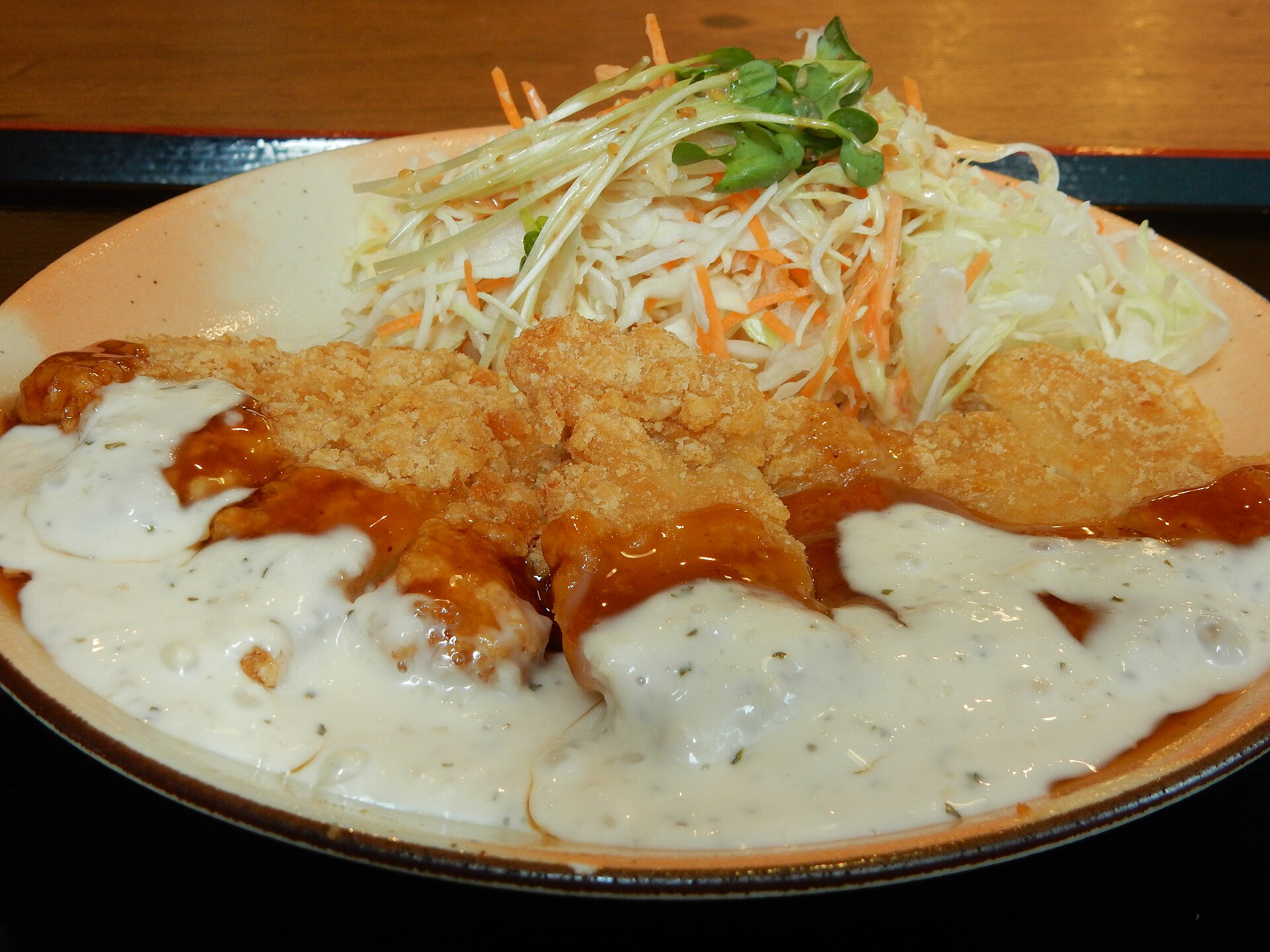
Chicken Nanban — Nobeoka's fried chicken in sweet vinegar
The birthplace of a dish the whole country eats, plus the valley's own produce hall on the way.
-
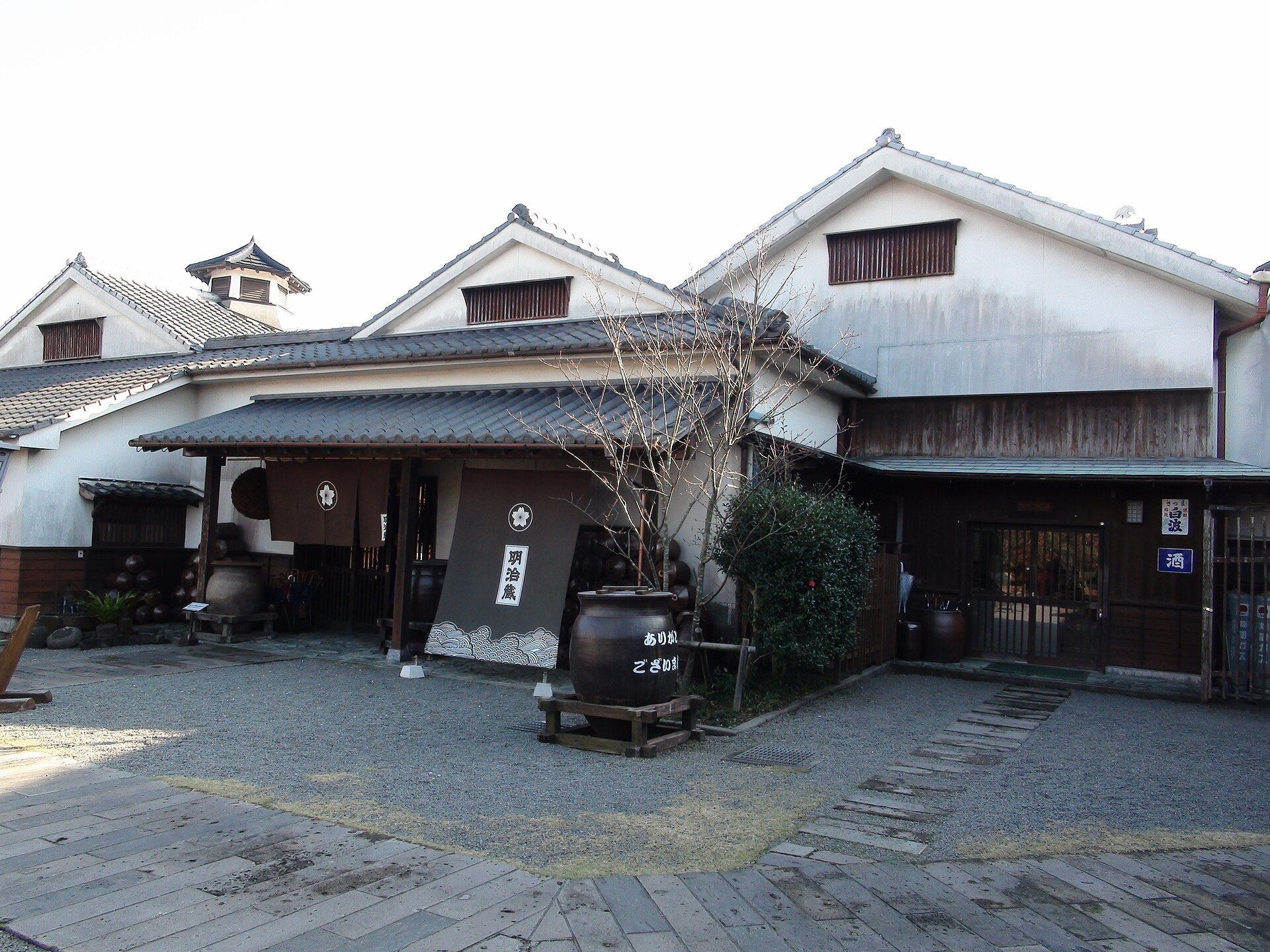
Satsuma Shochu — Kagoshima's sweet-potato spirit
A working Meiji-era shochu kura at the southern tip of Kagoshima, free to enter, tasting included.
-
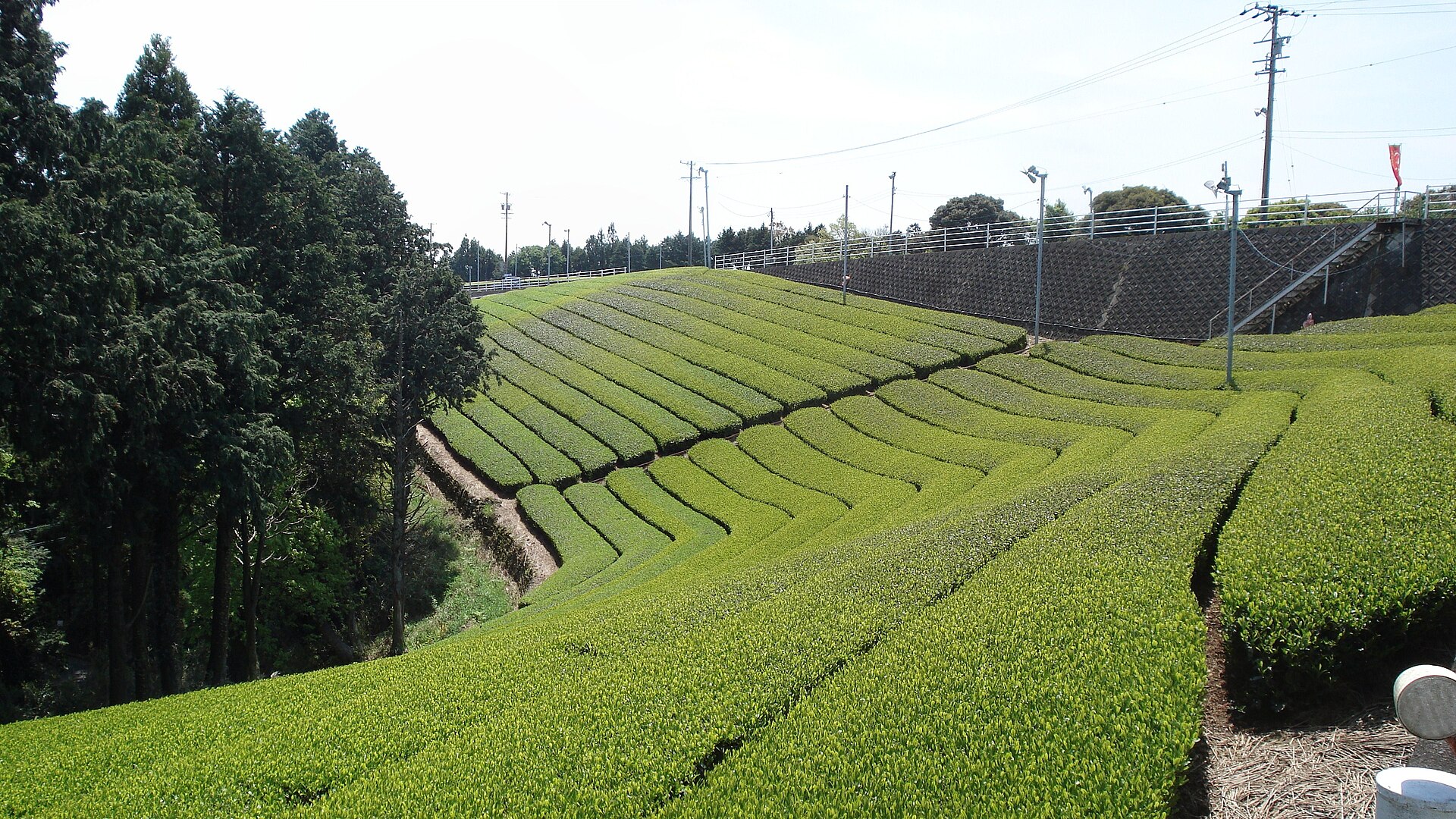
Shizuoka Green Tea
The tea plateau's only front door, with Enshu's tea room behind it.
-
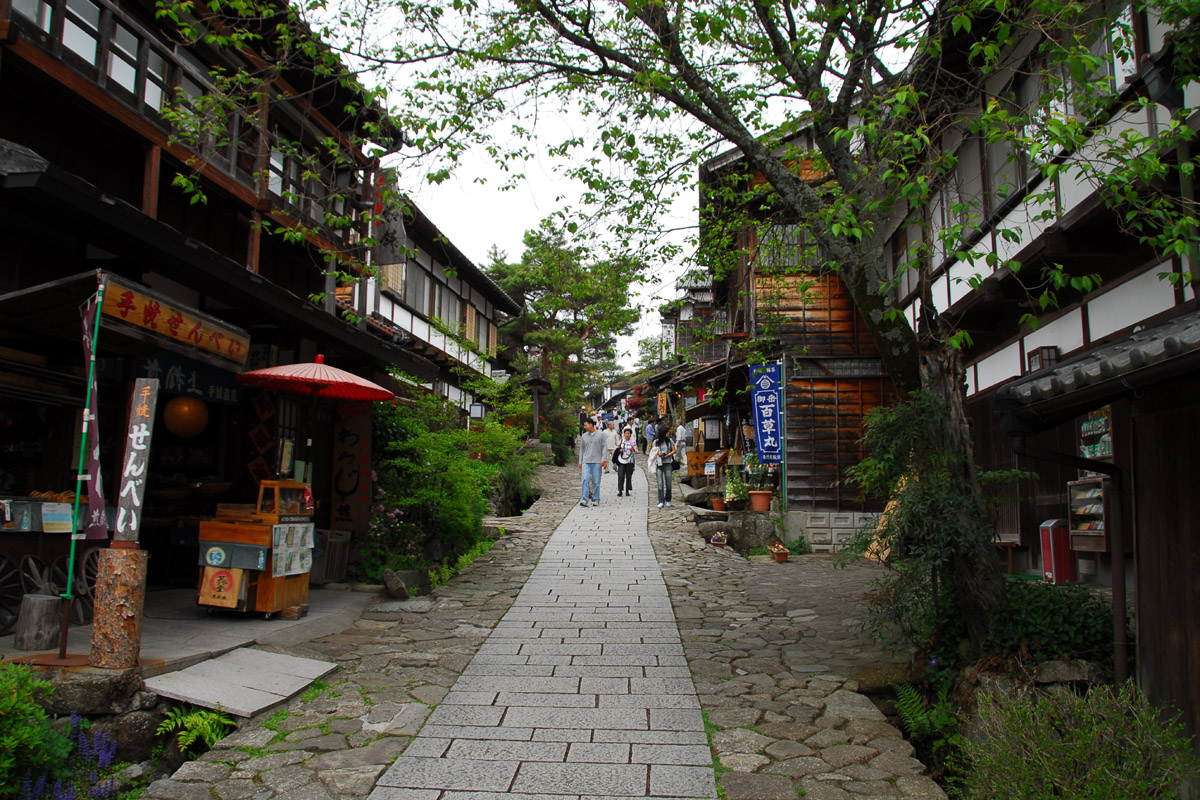
Magome-juku — A stone-paved post town on the Nakasendo
One stone street up a ridge, closed to cars for the best hours of the day.
-
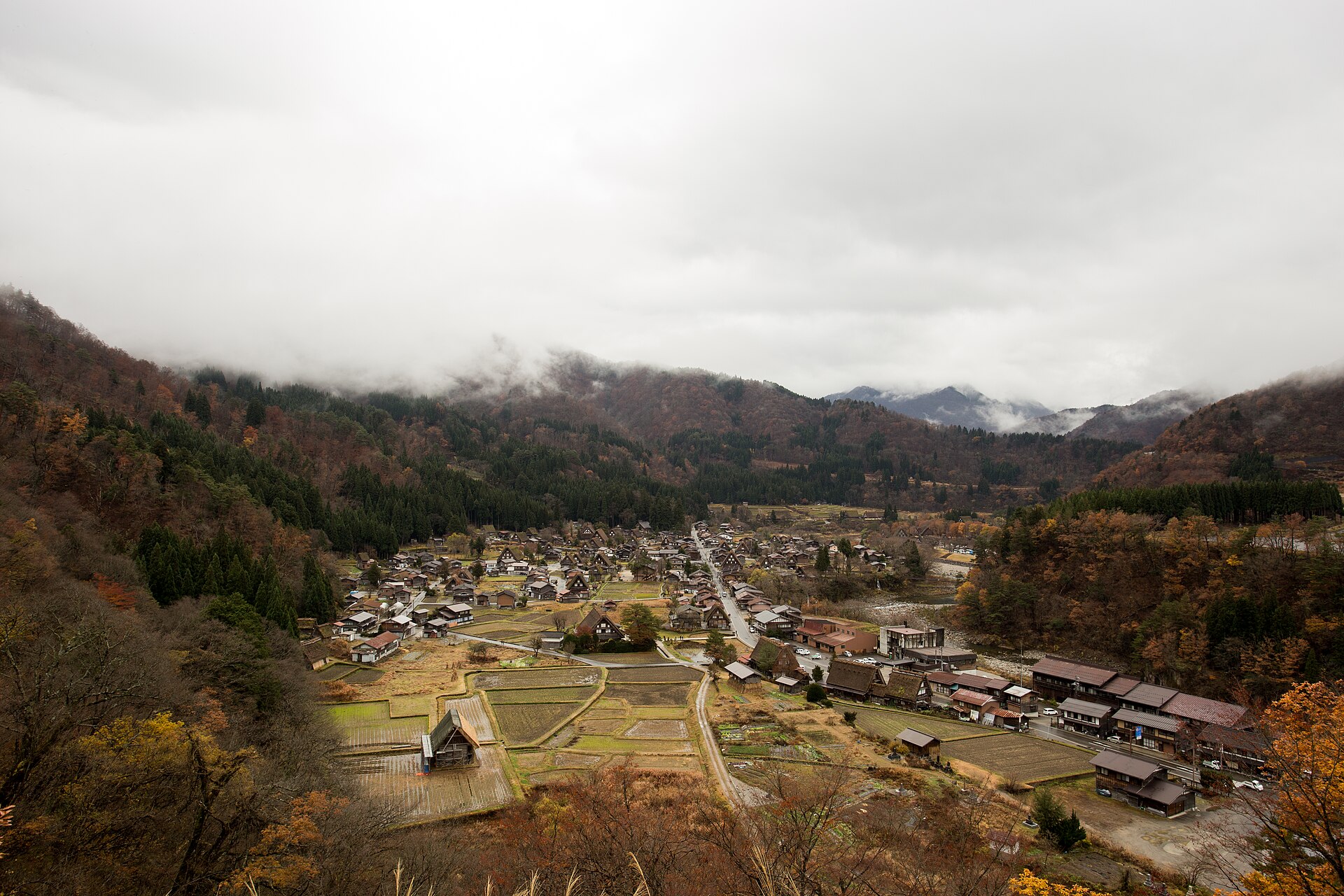
Shirakawa-go Gassho Village — Gifu's World Heritage thatched hamlet
A World Heritage village still lived in, on a bus you have to book.
-
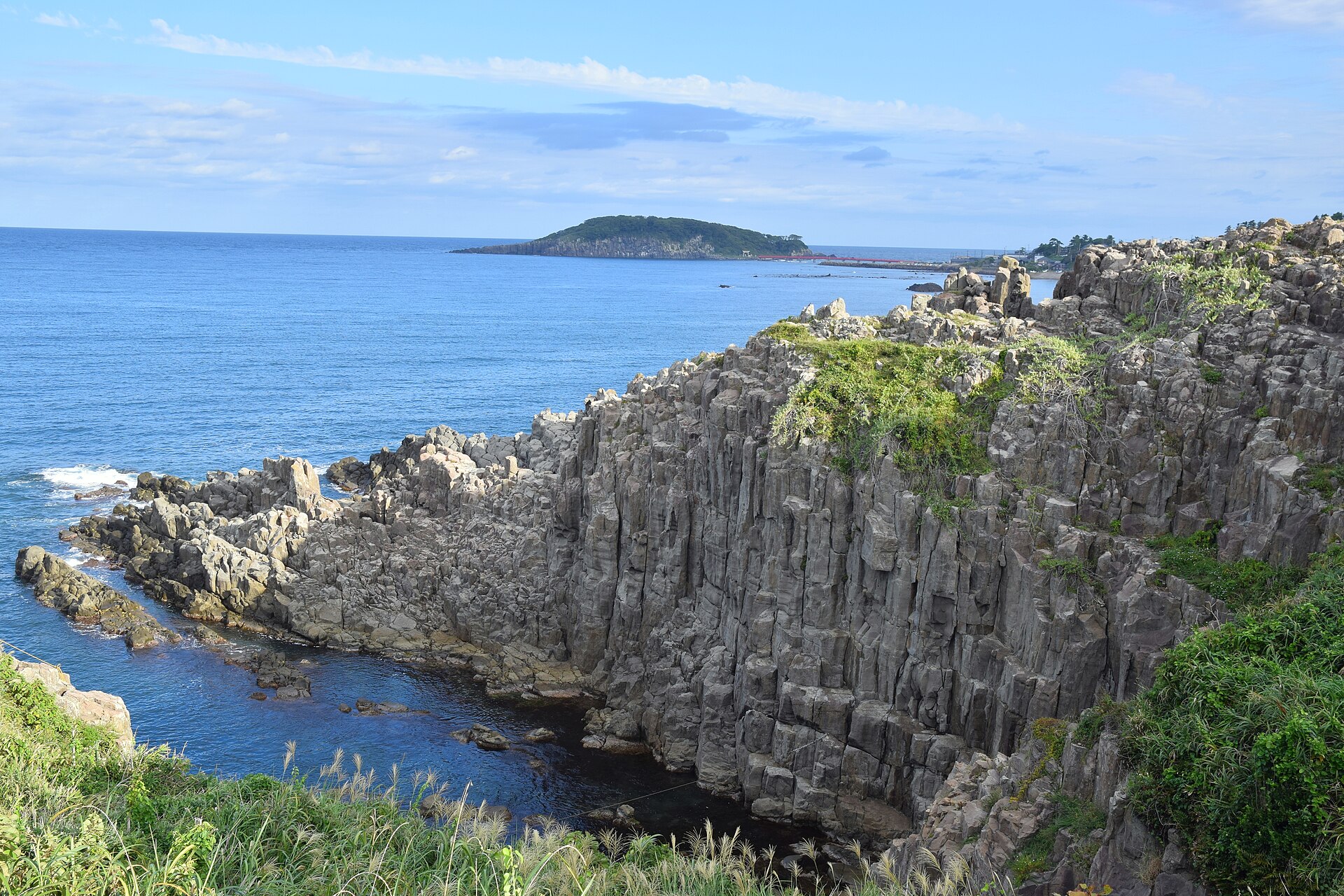
Tojinbo Cliffs — Columnar sea cliffs on the Sakai coast
Columnar cliffs you can walk out onto, with a boat along the base.
-
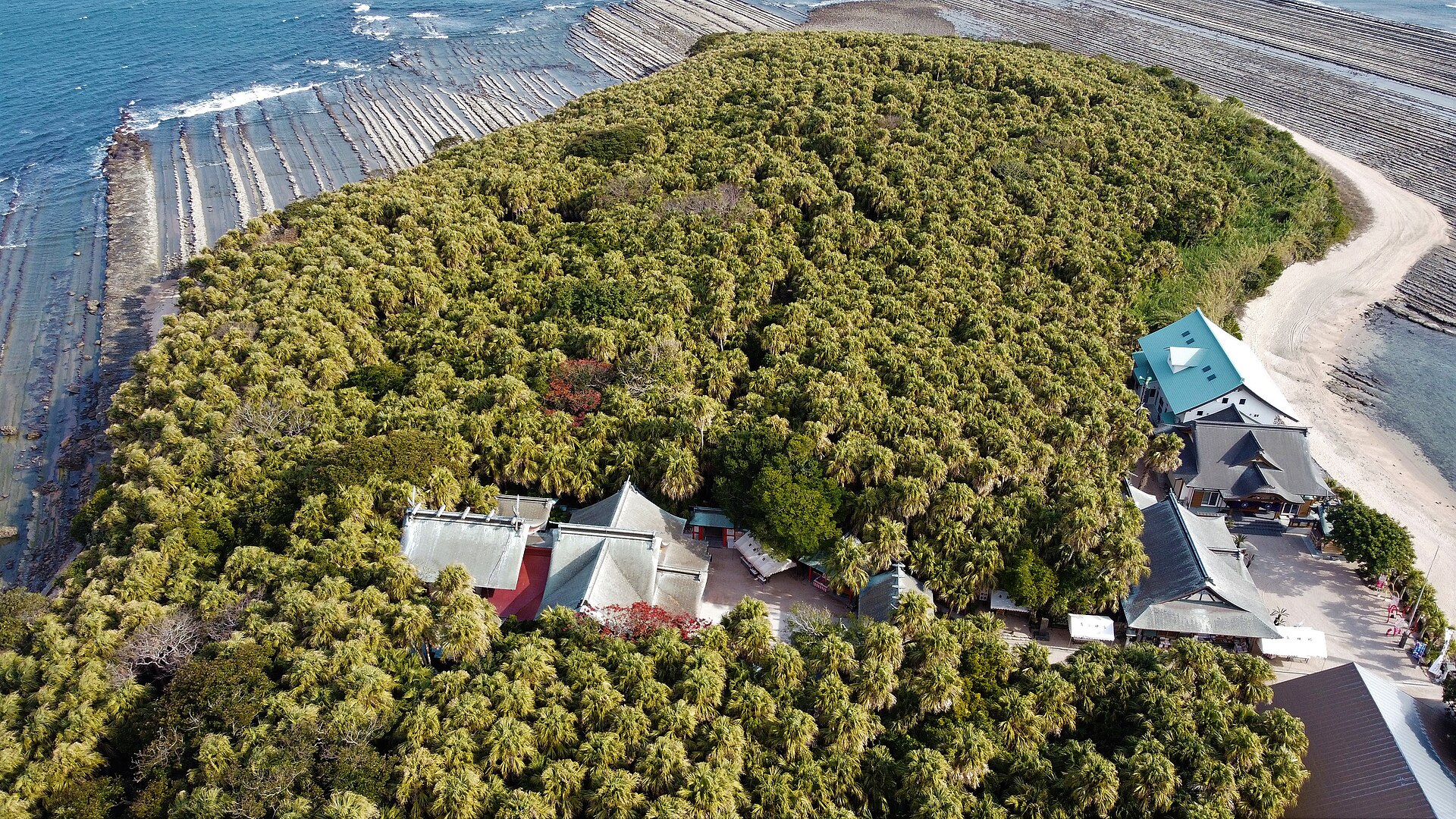
Aoshima Shrine — An island shrine ringed by wave-cut rock
A whole island serving as one shrine, with a rock shelf that changes by the hour.
-
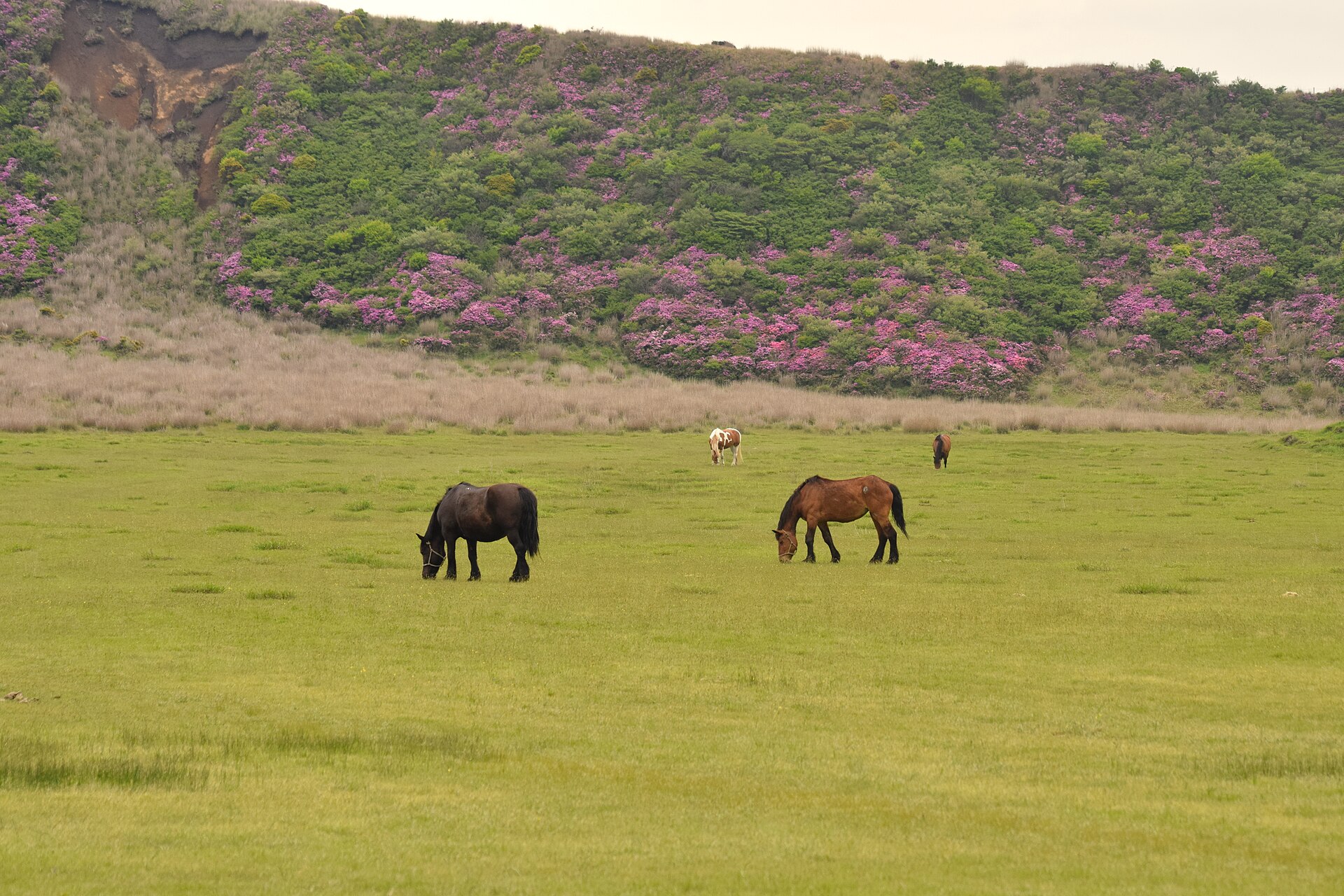
Kusasenri Plain — A grass-floored old crater below Mount Aso's active vent
Open grassland under a live volcano, reachable even when the crater is not.
-
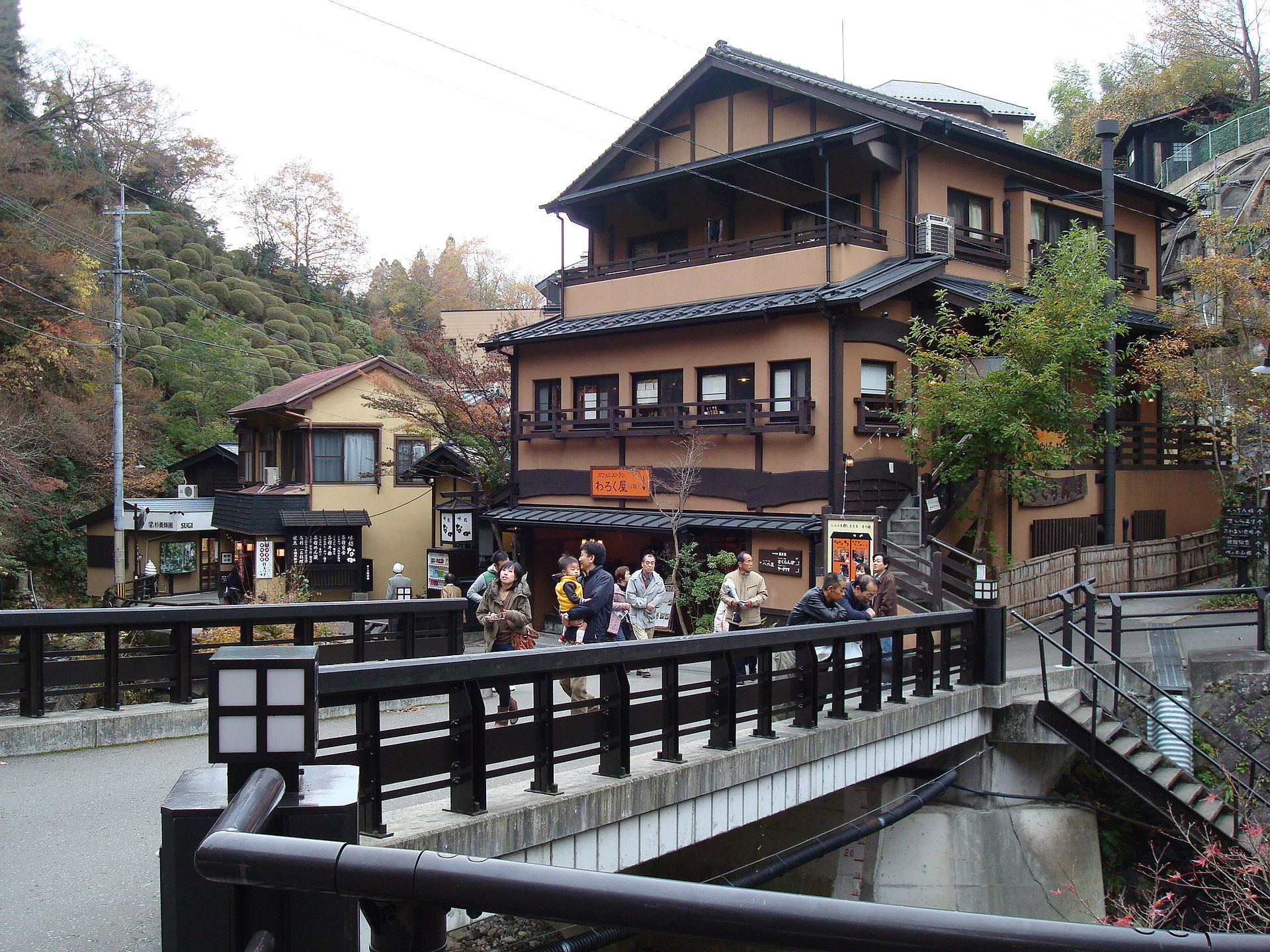
Kurokawa Onsen
A hot-spring village that runs its open-air baths as one shared attraction.
-
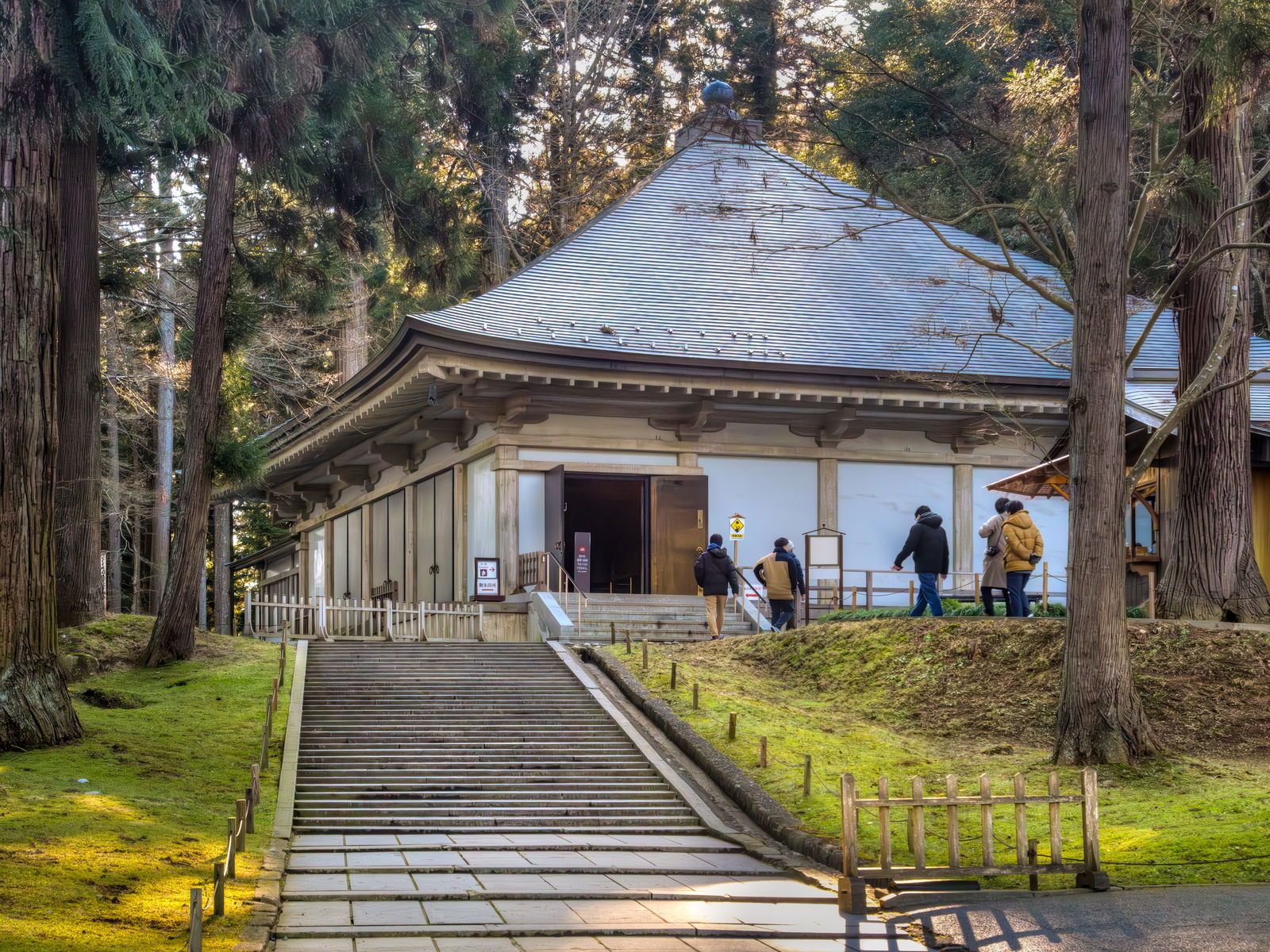
Chusonji Konjikido — The Golden Hall of the Fujiwara lords at Hiraizumi
A gold-leafed hall at the top of a cedar approach, open every day of the year.
-
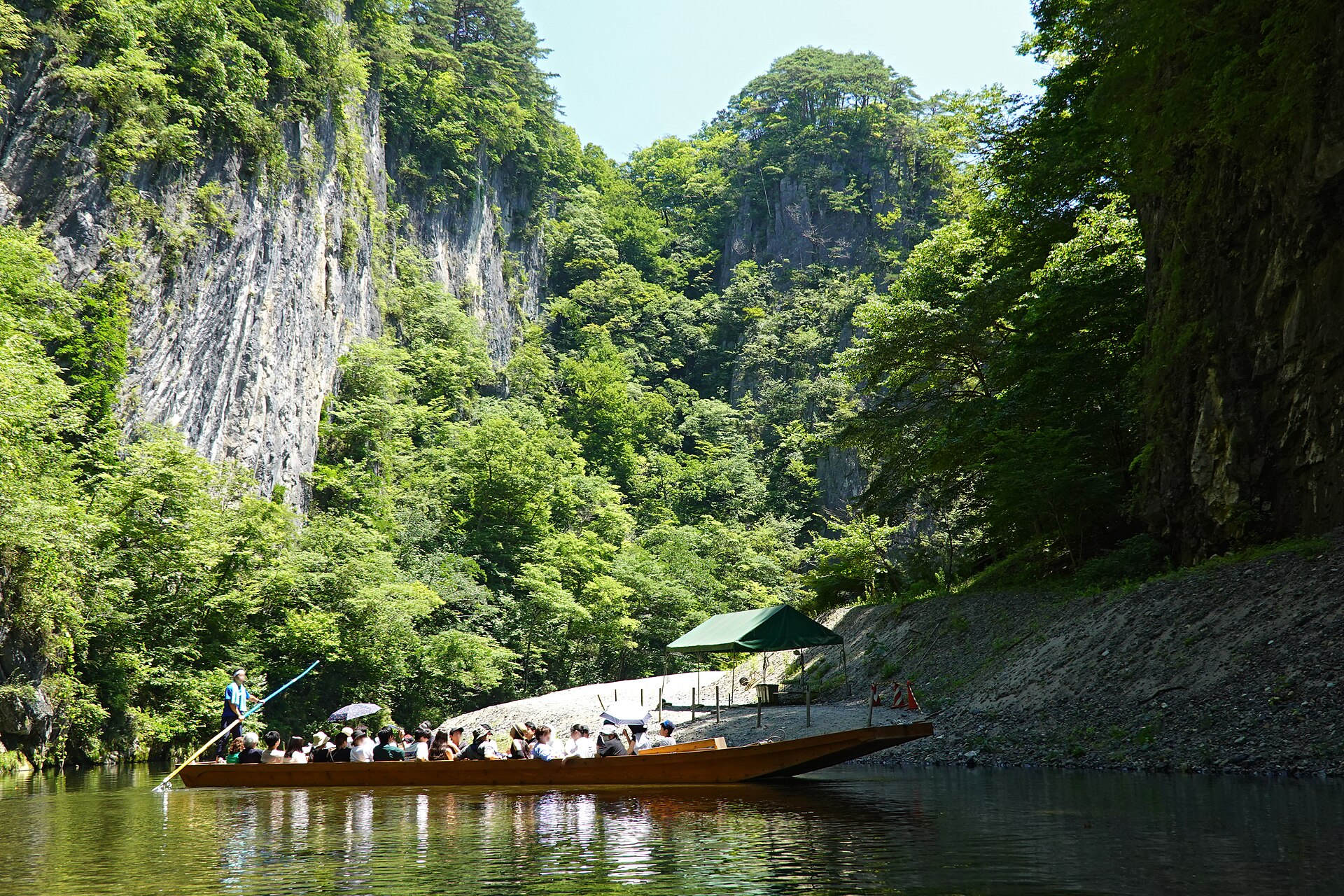
Geibikei Gorge
Limestone walls seen from a hand-poled boat, with the boatman's song on the way back.
-
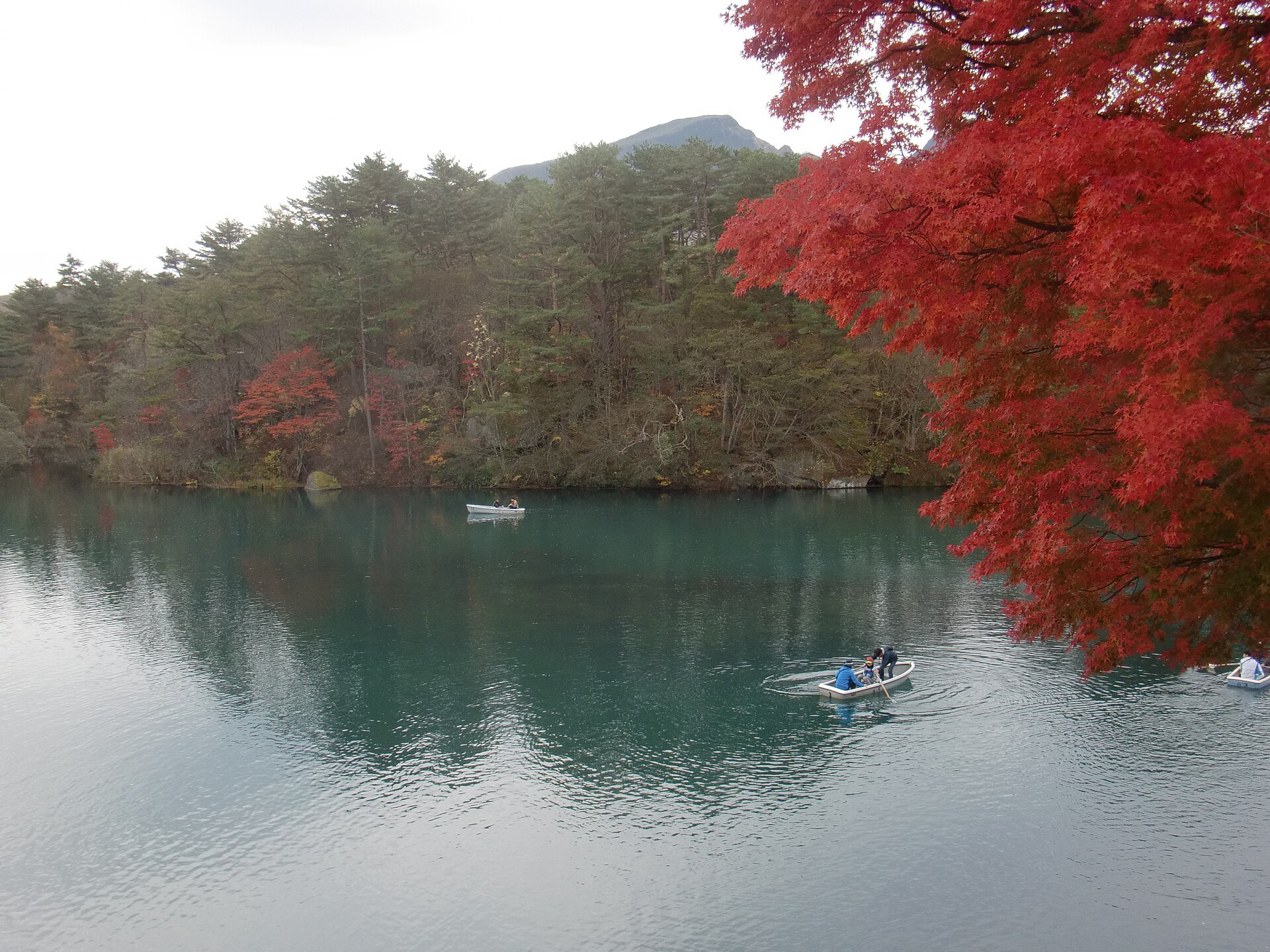
Goshikinuma Ponds
Eight ponds, no two the same colour, on a four-kilometre walk with buses at both ends.
-
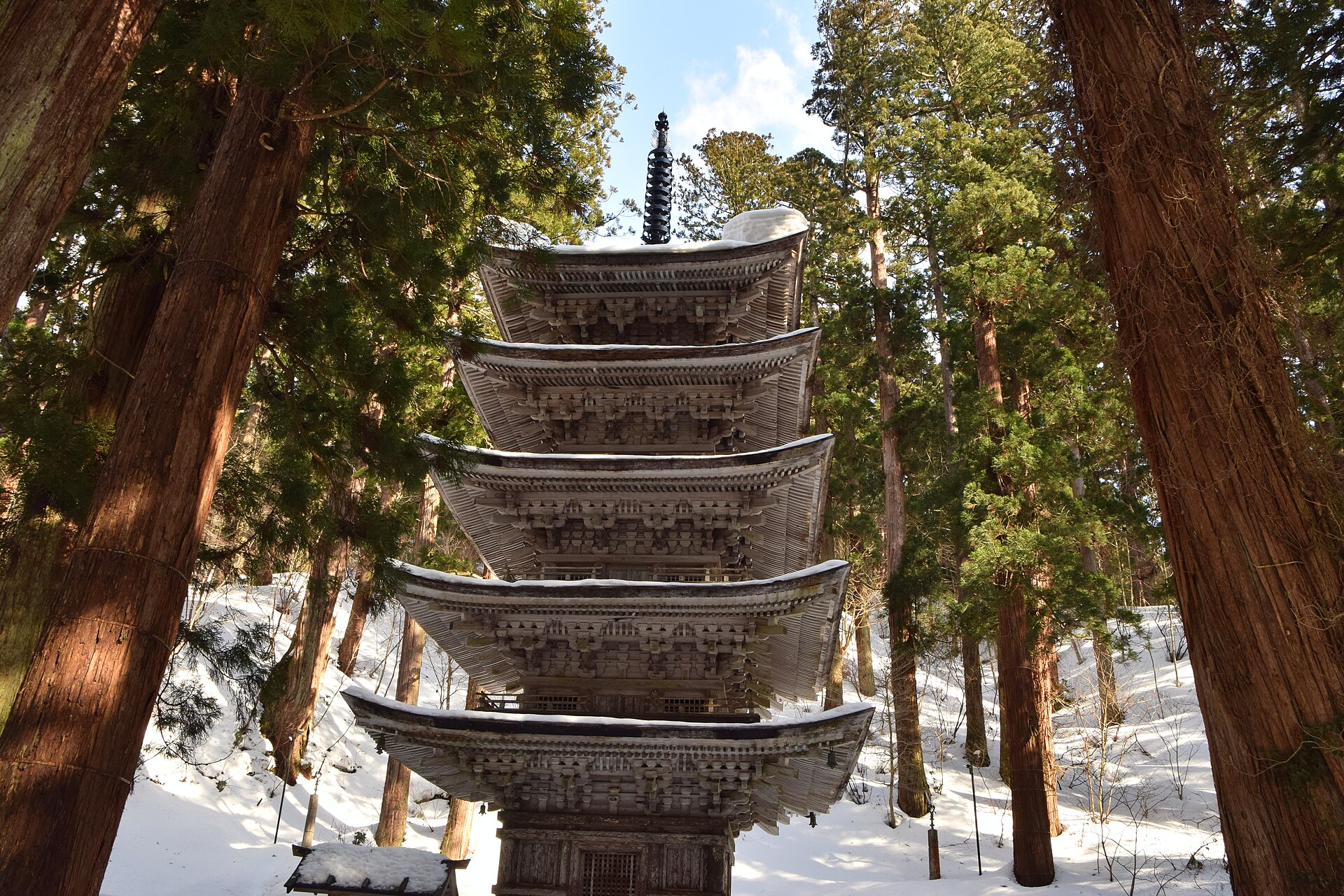
Haguro-san Five-Story Pagoda
An unpainted National Treasure alone among ancient cedars, at the pilgrim path's start.
-
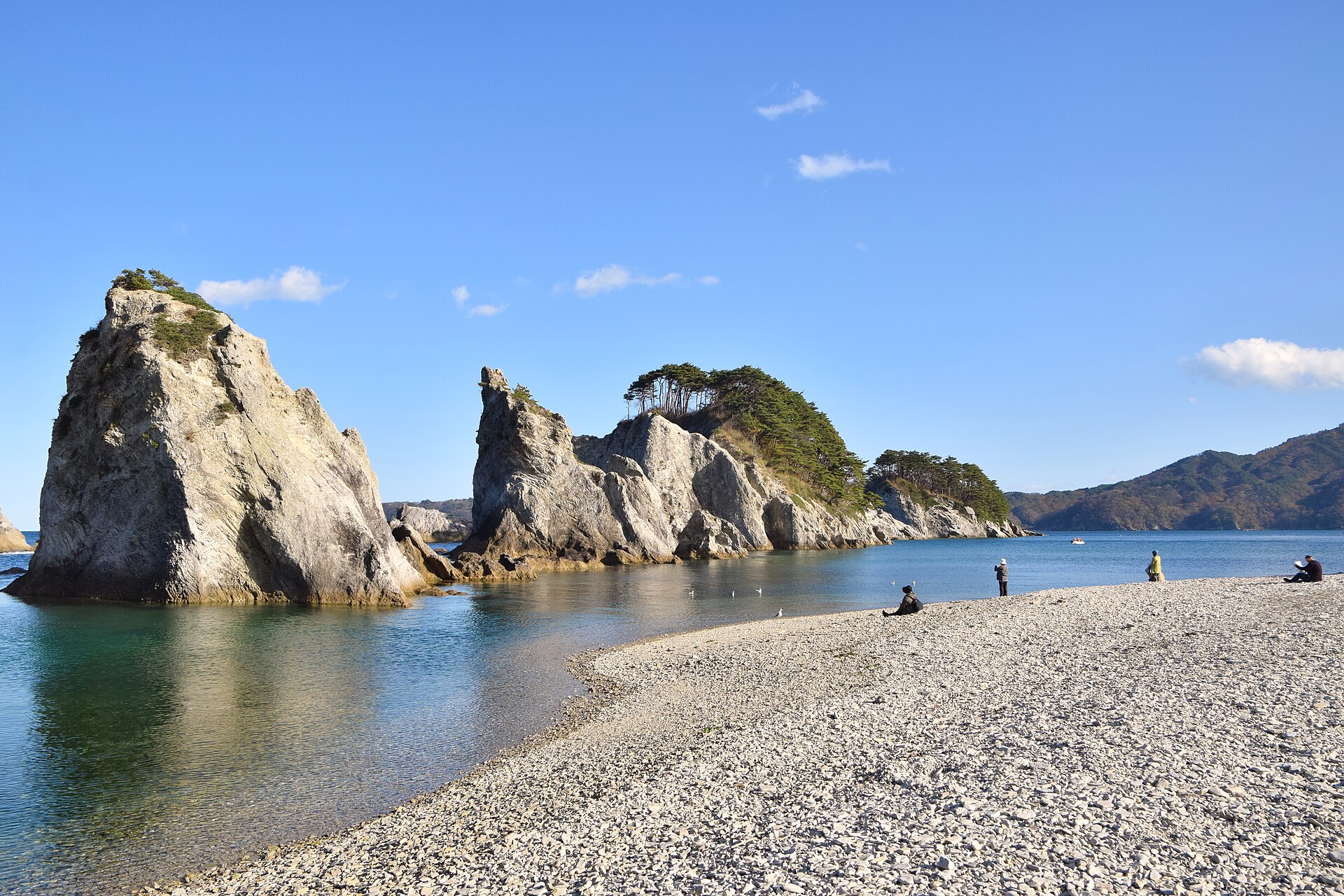
Jodogahama — White rhyolite spires on the Sanriku coast
White rock, dark pines and flat water, a short bus ride out of Miyako.
-
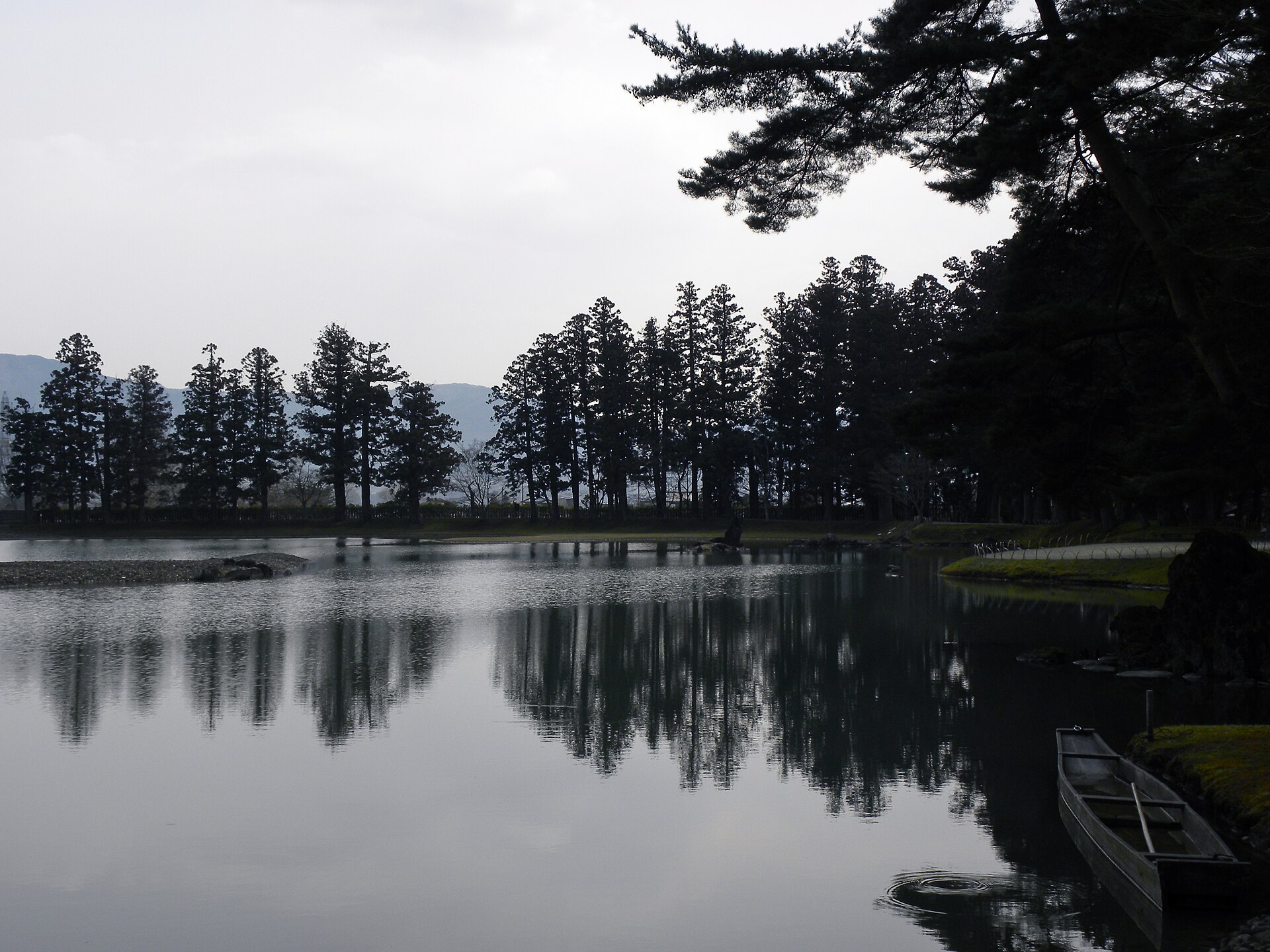
Motsuji Temple
A Heian garden that survived the temple it was built for.
-
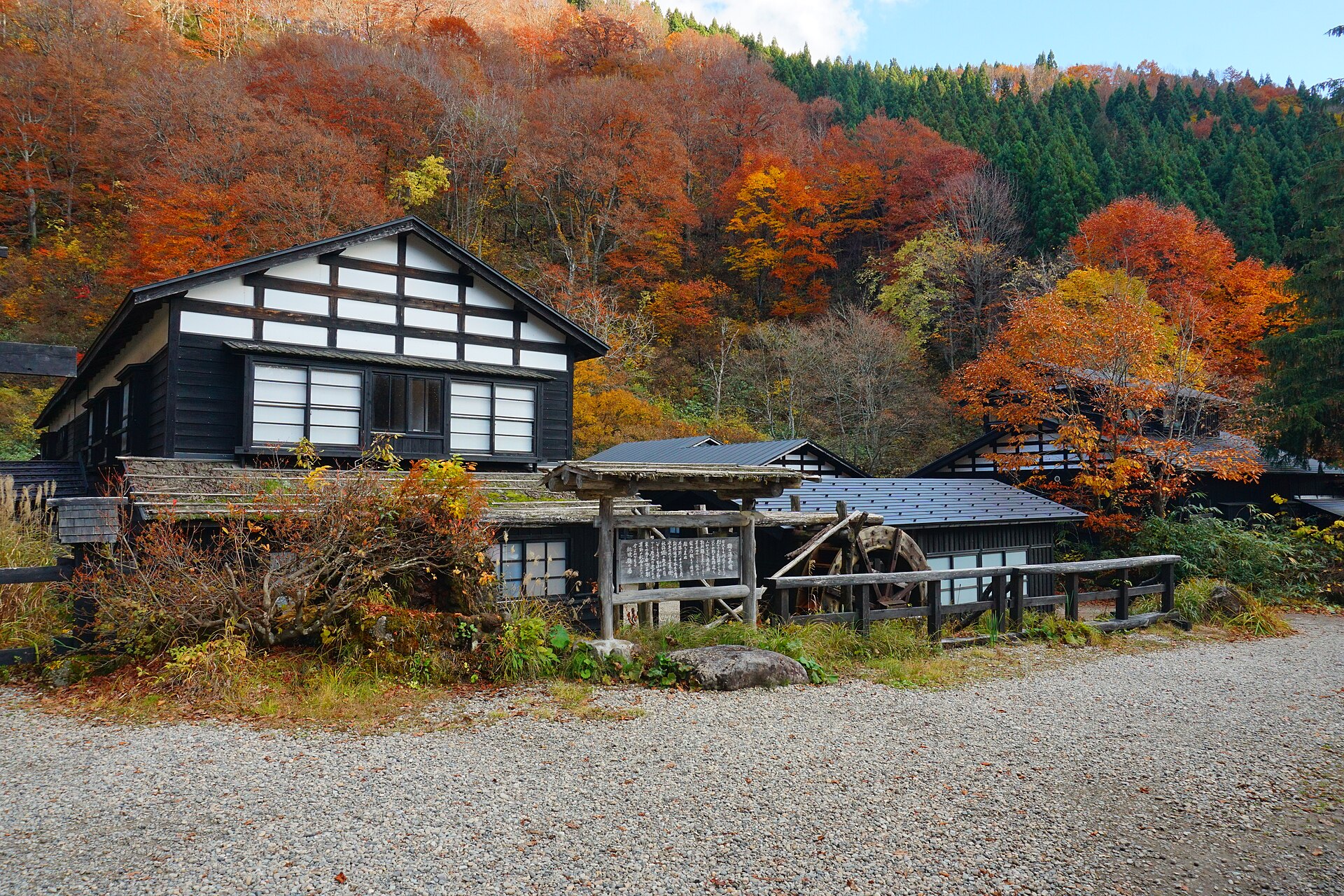
Nyuto Onsenkyo — Seven inns, each with its own spring
Seven mountain inns on one bus line, each with a different water.
-
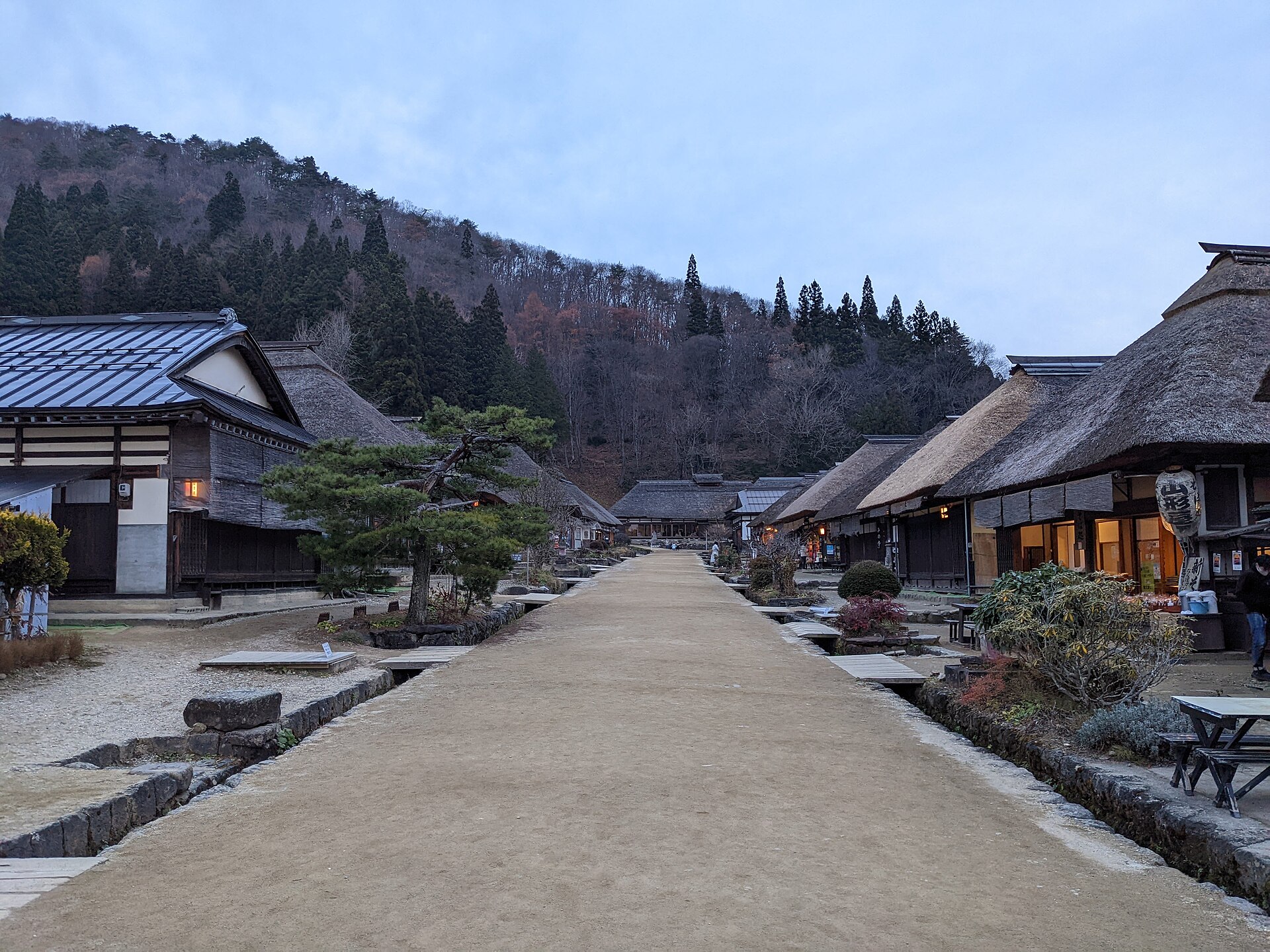
Ouchi-juku — A thatched post town on the old Shimotsuke Kaido
An Edo post town kept whole by its own residents, best with a bowl of onion soba.
-
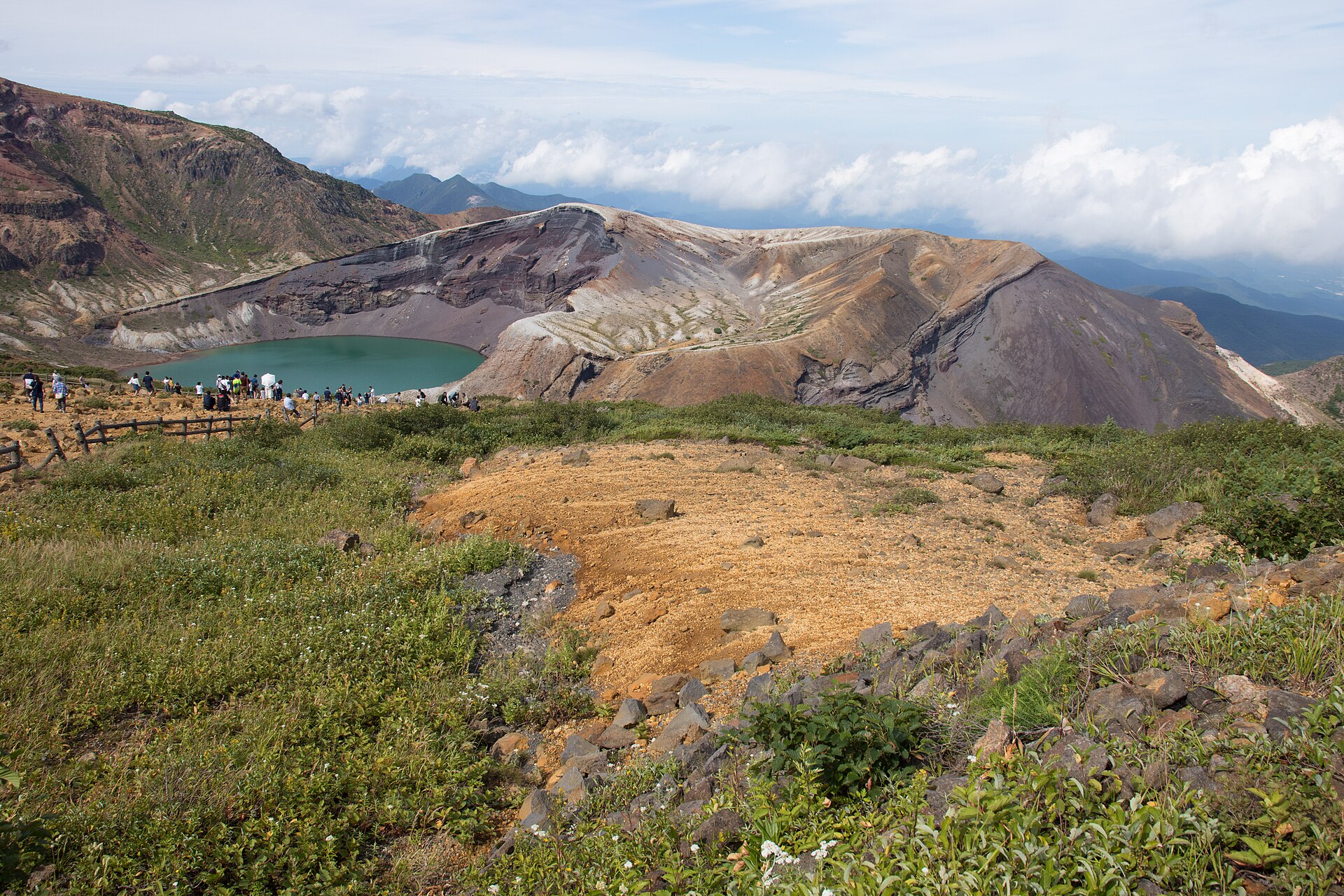
Okama Crater Lake — The Zao volcano's green summit pool
A green crater lake you reach on foot from a car park, for roughly half the year only.