Shizuoka · Kanaya, MakinoharaNo.452★★★Open in map →
Shizuoka Green Tea
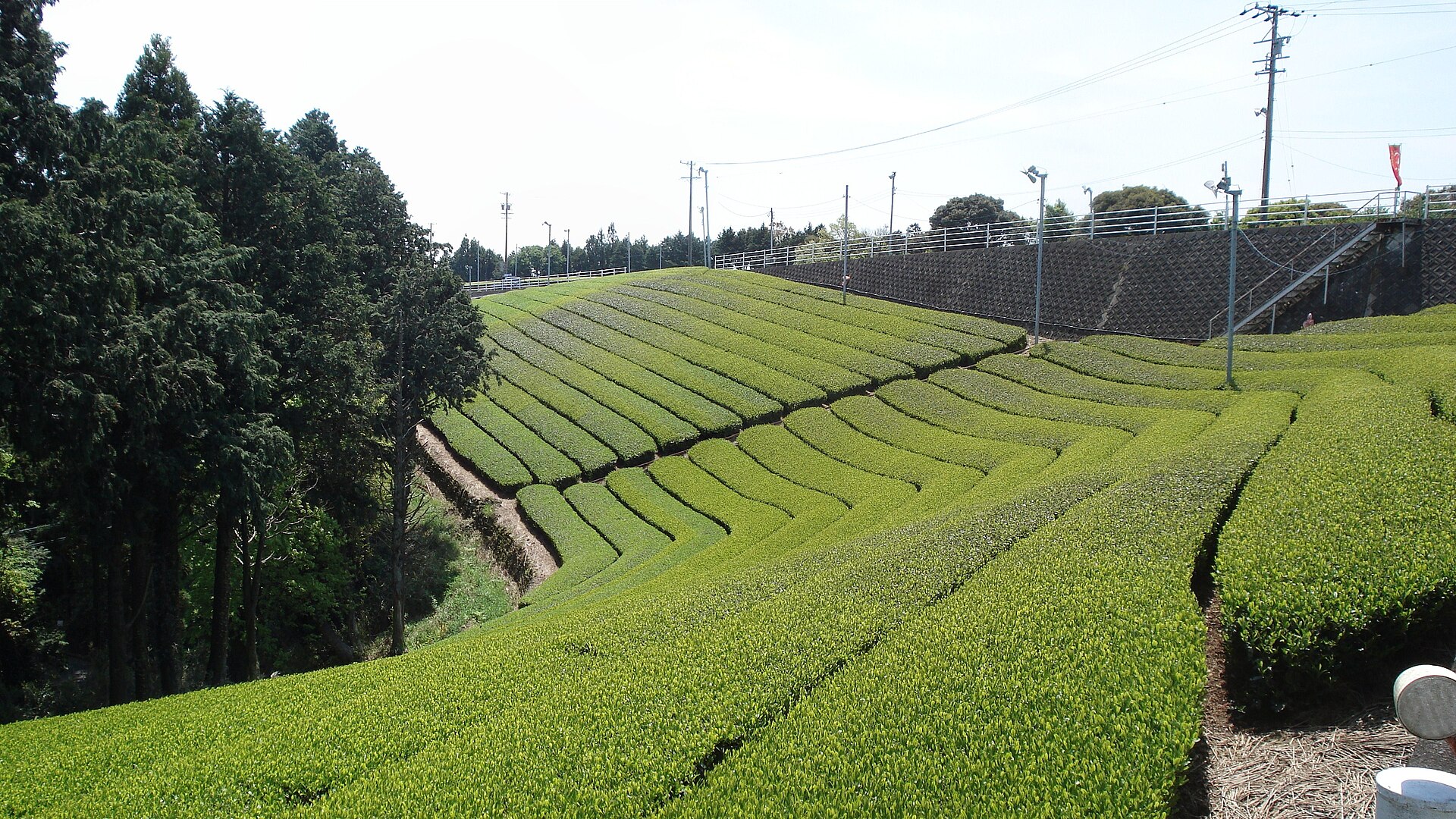
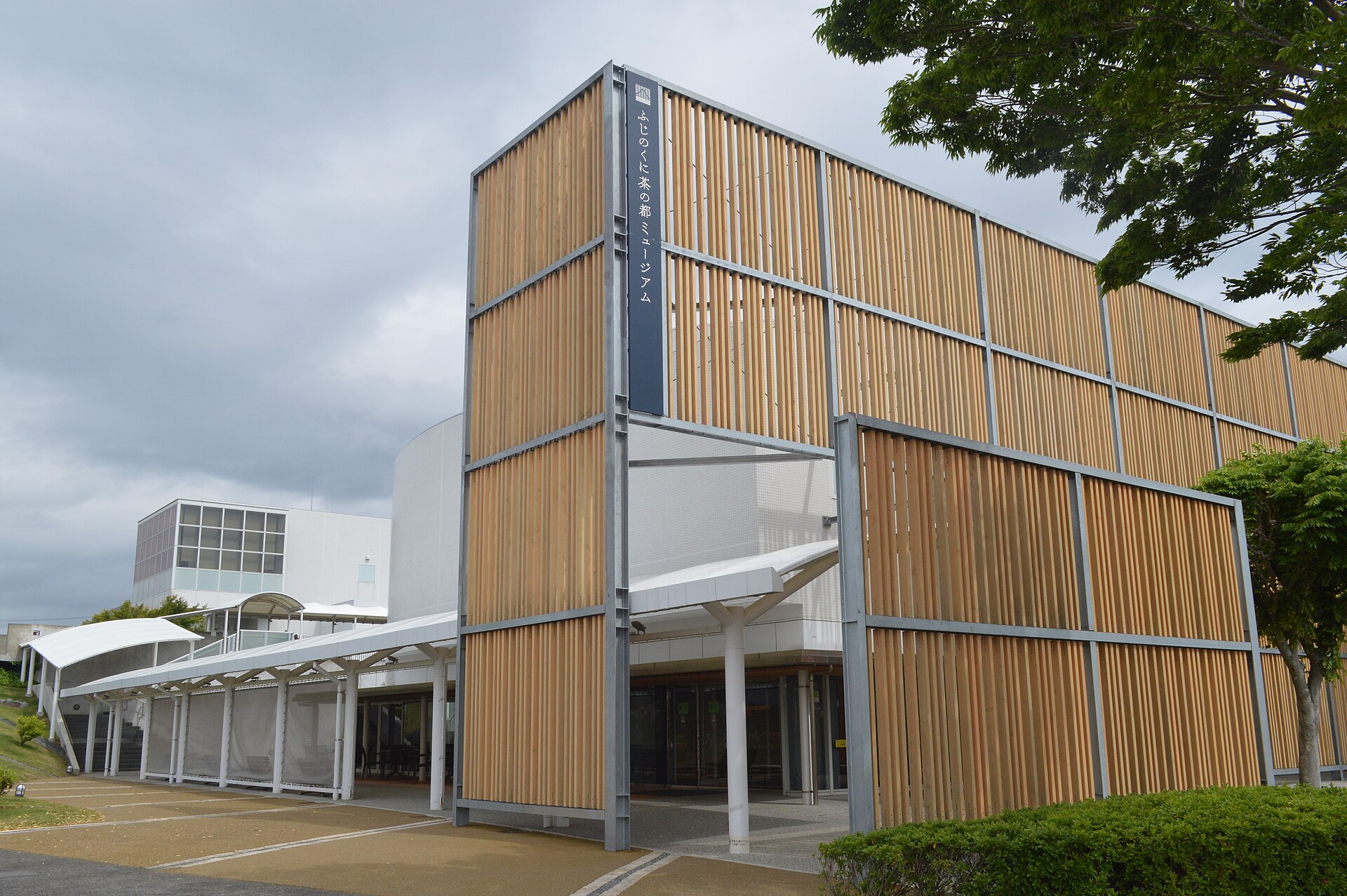
Shizuoka's tea plateau at Makinohara is farmland with nothing to enter. The prefecture's museum on the ridge above Kanaya is the one place built for visitors: exhibition floors on tea, a reconstructed Kobori Enshu tea room, and a garden.
- FromKanaya Station
- ~6 minCity loop bus, ~6 min
- Get off atFujinokuni Cha-no-Miyako Museum (Shimada city loop bus)
- On foot
- Shizuoka Green Tea
Where it is
16 more notes in Shizuoka · open the map →What to look for — in walking order
- Mount Fuji viewing floorthe top-floor space where the museum starts, looking north across the plateau on a clear day
- Permanent exhibitionJapanese tea and the Shizuoka tea industry on one floor, the teas and drinking customs of the world on another
- Museum shop and cafe Maruobaraprefectural leaf and tea-based cooking, the tasting counter that follows the exhibition
- Tea room Shomokuroa reconstruction of a tea room by Kobori Enshu, entered separately from the galleries
- Japanese gardena stroll garden around a pond, rebuilt from Enshu's design and best walked after the tea room
How to actually get there
- Shizuoka or Hamamatsu → Kanaya Station (JR Tokaido Line).
- Kanaya-Ekimae stop → Fujinokuni Cha-no-Miyako Museum (Shimada city loop bus, Kikugawa–Kamiyagi line).
- Start on the top floor for the view, then work down through the permanent exhibition.
- Cross the grounds to the tea room and the garden, then take the loop bus back from the same stop.
- Shimada city loop bus from Kanaya
- Kanaya Station (JR Tokaido Line; the Oigawa Railway terminus is alongside) → walk to the Kanaya-Ekimae stop → Shimada city loop bus, Kikugawa–Kamiyagi line → Fujinokuni Cha-no-Miyako Museum, six minutes up onto the plateau. The stop carries the museum's name and is at the building, so there is no walk at the far end.
- Return to Kanaya Station
- The loop bus comes back past the museum on its return leg and reaches Kanaya-Ekimae six minutes later. It runs only a handful of times a day, with fewer departures at weekends and public holidays and none between 29 December and 3 January, so photograph the timetable at the stop when you arrive and fix your return before you start the exhibition.
About the place
Shizuoka is the tea prefecture, and Makinohara — the plateau that rises behind Kanaya — carries its largest single expanse of garden. What is up there is farmland, though: clipped rows running back from a road, with no gate and no reason for a stranger to stop. This museum is the one thing on the ridge built to be walked through. Its floors take the tea of Shizuoka first, then the tea of Japan, then the teas and drinking customs of the rest of the world, with leaves put out to be touched and smelled rather than only read about. Behind the exhibition building stand a reconstructed tea room and a garden, which is where the leaf ends up once it becomes a ceremony.
How to enjoy it
The museum runs 9:00 to 17:00 with last entry at 16:30, but the tea room keeps shorter hours — 9:30 to 16:00, last entry 15:30 — so anyone arriving late in the afternoon should cross to the tea room and garden first and take the exhibition afterwards. Do the tasting counter between the two halves rather than at the end. A clear winter morning is the best chance of getting Mount Fuji from the top floor and the plateau's tea rows in the same visit.
Background & history
The building is younger than the tea. It began as a city-run attraction called Ocha-no-Sato, passed from Shimada to Shizuoka Prefecture, and reopened under its present name in March 2018. What stands behind it is older in spirit. The tea room and the garden are reconstructions of work by Kobori Enshu, the daimyo tea master who came after Sen no Rikyu and Furuta Oribe and settled the style known as kirei-sabi — an austerity with the edges tidied — which became the manner of the warrior class rather than the merchant one.
Before you go
- Cash
- Admission is free for university students and under, for anyone aged seventy or over, and for holders of a disability certificate with one companion — bring proof, as it is checked at the desk. Everyone else pays, and the hands-on sessions in the museum and the tea room are charged separately from the entrance.
- Before you go
- The museum closes on Tuesdays, or on the next weekday when the Tuesday is a public holiday, and over the new year. Last entry is half an hour before closing, and the tea room shuts an hour before the museum does. The site is on an exposed plateau, so wind and cloud arrive here before they reach the valley.
- Another way
- Shizutetsu Just Line buses on the Katsumata and Hagima routes leave Kanaya-Ekimae far more often than the loop bus and set down at Nikenyabara, a few minutes' walk from the site. By car the Shimada-Kanaya interchange on the Shin-Tomei and the Sagara-Makinohara interchange on the Tomei are the nearest exits, and there is a car park.
- After you get off
- The loop bus stops at the museum itself, so the entrance is in front of you when you step down. The exhibition building comes first; the tea room and the garden are a separate building on the far side of the site, reached across the grounds rather than through the galleries.