North Kyoto · OharaNo.990★★★Open in map →
Kyoto Pickles
— Senmaizuke, suguki and shibazuke at the source
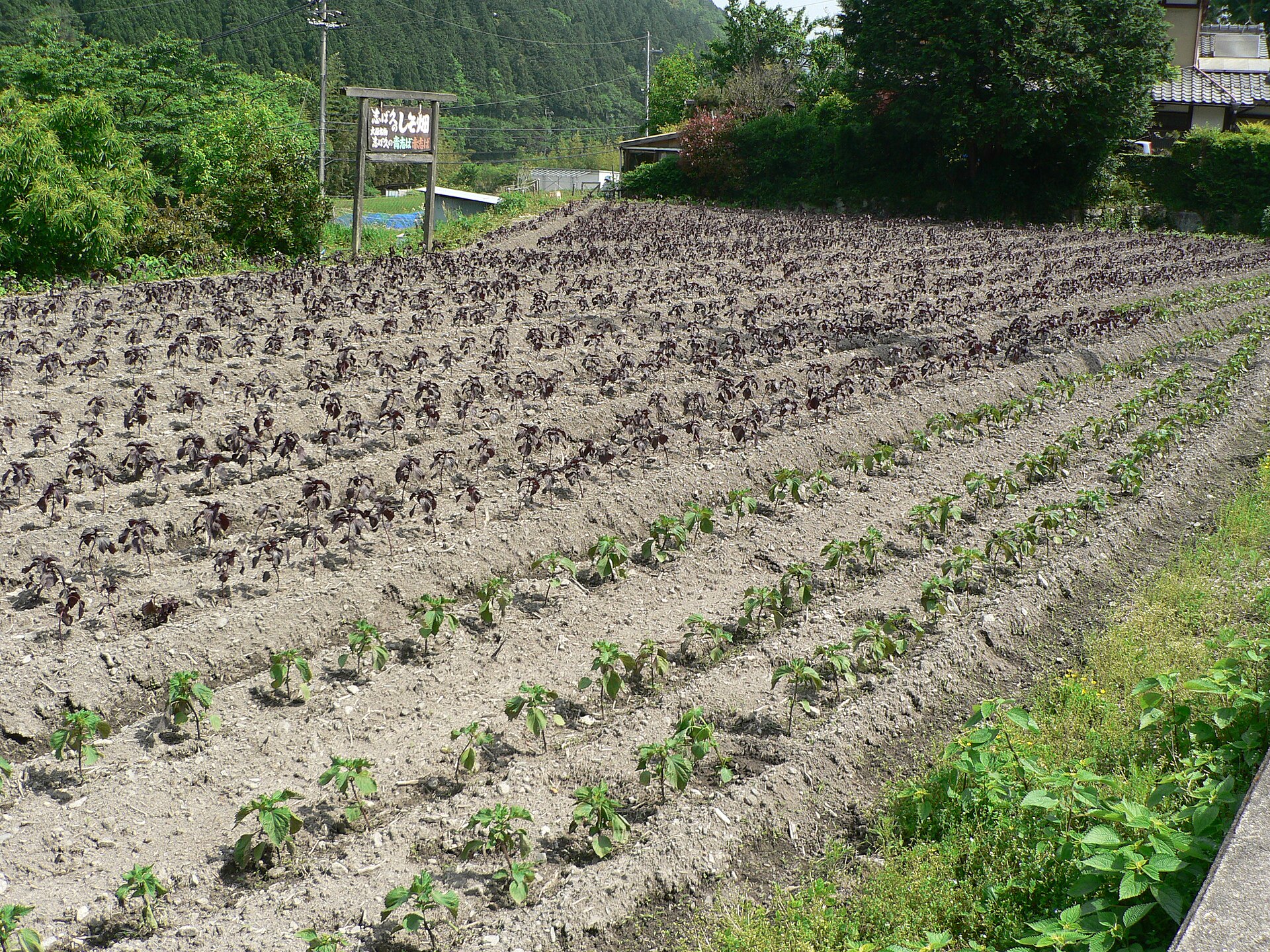
Kyoto's three famous pickles are sold on every tourist street in the city. One of them, shibazuke, takes its purple from red shiso grown in Ohara, a farming basin north of town — where the crop is sold plainly, beside the greens.
- FromKokusaikaikan Station
- ~20 minKyoto Bus, routes 19 and 17
- Get off atNomura-wakare (Kyoto Bus)
- On foot
- Kyoto Pickles
Where it is
90 more notes in Kyoto · open the map →What to look for — in walking order
- Waiwai AsaichiSunday stalls on the east side of Route 367, run by the growers themselves
- Fureai Asaichithe Sunday market in the farm-shop yard, with vegetables, pickles and rice cakes
- Shunsai Ichiba produce hallthe year-round shop where Ohara growers stock their own shelves
- Mochi no Yakatathe rice-cake workshop on the same site, part of the farm-shop complex
- Ohara's red shiso fieldssmall plots on the valley floor and lower slopes, the source of shibazuke's colour
How to actually get there
- Kyoto Station to Kokusaikaikan (Karasuma subway line).
- Kokusaikaikan to Nomura-wakare (Kyoto Bus route 19 towards Ohara, about twenty minutes).
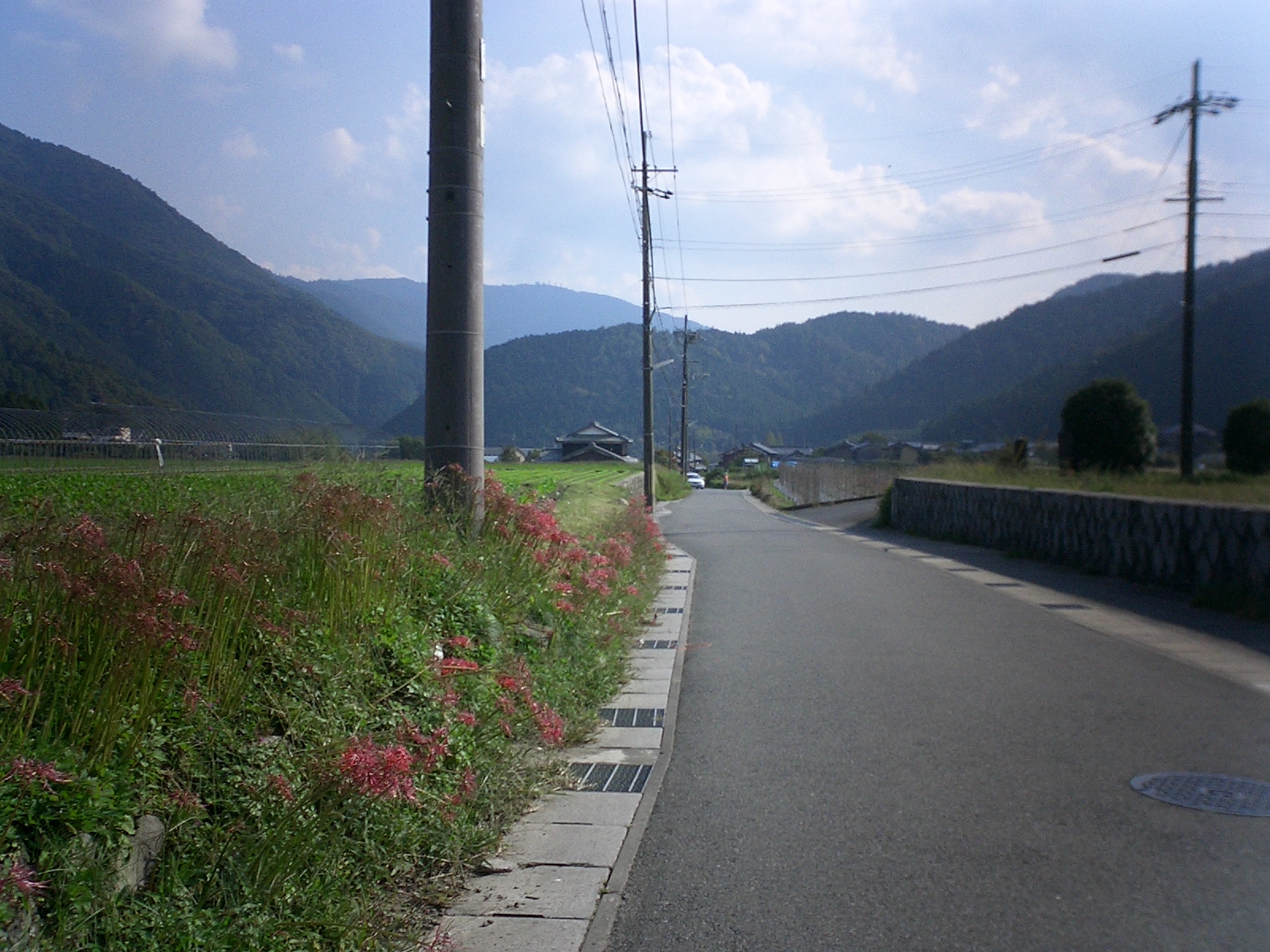
- Turn at the signal towards Shizuhara and walk a few minutes to the farm shop.
- On a Sunday, take in the roadside market first, then the yard market and the produce hall.
- Kyoto Bus route 19 from Kokusaikaikan
- Take the Karasuma subway line from Kyoto Station to Kokusaikaikan, then pick up Kyoto Bus route 19 towards Ohara at the station. Ride about twenty minutes and get off at Nomura-wakare. Note that Kyoto Bus is a separate operator from the city buses of central Kyoto.
- Back from Nomura-wakare
- The same stop serves buses back towards Kokusaikaikan, and other Kyoto Bus routes through here run to Demachiyanagi and to Kyoto Station. Read the return times on the stop timetable when you arrive, rather than after the market has packed up.
About the place
Kyoto's pickle culture grew out of its vegetables, and three names are always spoken together. Senmaizuke is Shogoin turnip shaved almost transparent and layered with kelp, made to be eaten soon rather than kept. Suguki is a turnip variety from Kamigamo, salted and then held in a warmed room until lactic fermentation turns it sour. Shibazuke is aubergine and other summer vegetables salted with red shiso leaves, and Ohara grows the shiso. The valley is a basin, so pollen from other strains rarely drifts in. Growers have saved and re-sown their own seed here for eight hundred years, and Ohara's red shiso is held to be the closest surviving strain to the original.
How to enjoy it
Sunday morning is the reason to come early: the market in the farm-shop yard runs from six to nine, and the roadside one carries on later into the morning. On any other day the produce hall is open through the daytime, so a weekday visit still works. July is the red shiso season here, when the leaves are sold in bundles.
Background & history
The oldest of the three stories belongs to shibazuke. Kenreimon-in, the retired empress who withdrew to Jakko-in in Ohara after the fall of the Taira, was brought a pickle of summer vegetables and shiso by the villagers, and is said to have named it murasaki-ha-zuke, the purple-leaf pickle. Suguki began with the shrine families of Kamigamo in the Momoyama period, who kept the method a household secret for generations. Senmaizuke is the youngest: a palace kitchen chef devised it, opened his own shop, and won national recognition at a Kyoto exposition in 1890.
Before you go
- Cash
- This is a farm shop and a market, so you pay only for what you buy. Payment methods differ between the produce hall and the Sunday stalls, and growers selling from a table are easiest to pay in small notes and coins, so carry some.
- Before you go
- The site closes on Mondays, or on the following weekday when a public holiday falls on a Monday. The produce hall shuts in the daytime and the Sunday markets finish in the morning, so an afternoon arrival on a Sunday will find the stalls gone.
- Another way
- There is another way in. Kyoto Bus services from Demachiyanagi run out along the same valley road, and routes from Kyoto Station also pass this stop. Either approach puts you at Nomura-wakare.
- After you get off
- From Nomura-wakare, turn at the signal towards Shizuhara and follow the lane for a few minutes. The farm shop is on the right, diagonally opposite the JA Kyoto Chuo Ohara branch, with its car parks behind it.