Tochigi · SanoNo.1049★★★Open in map →
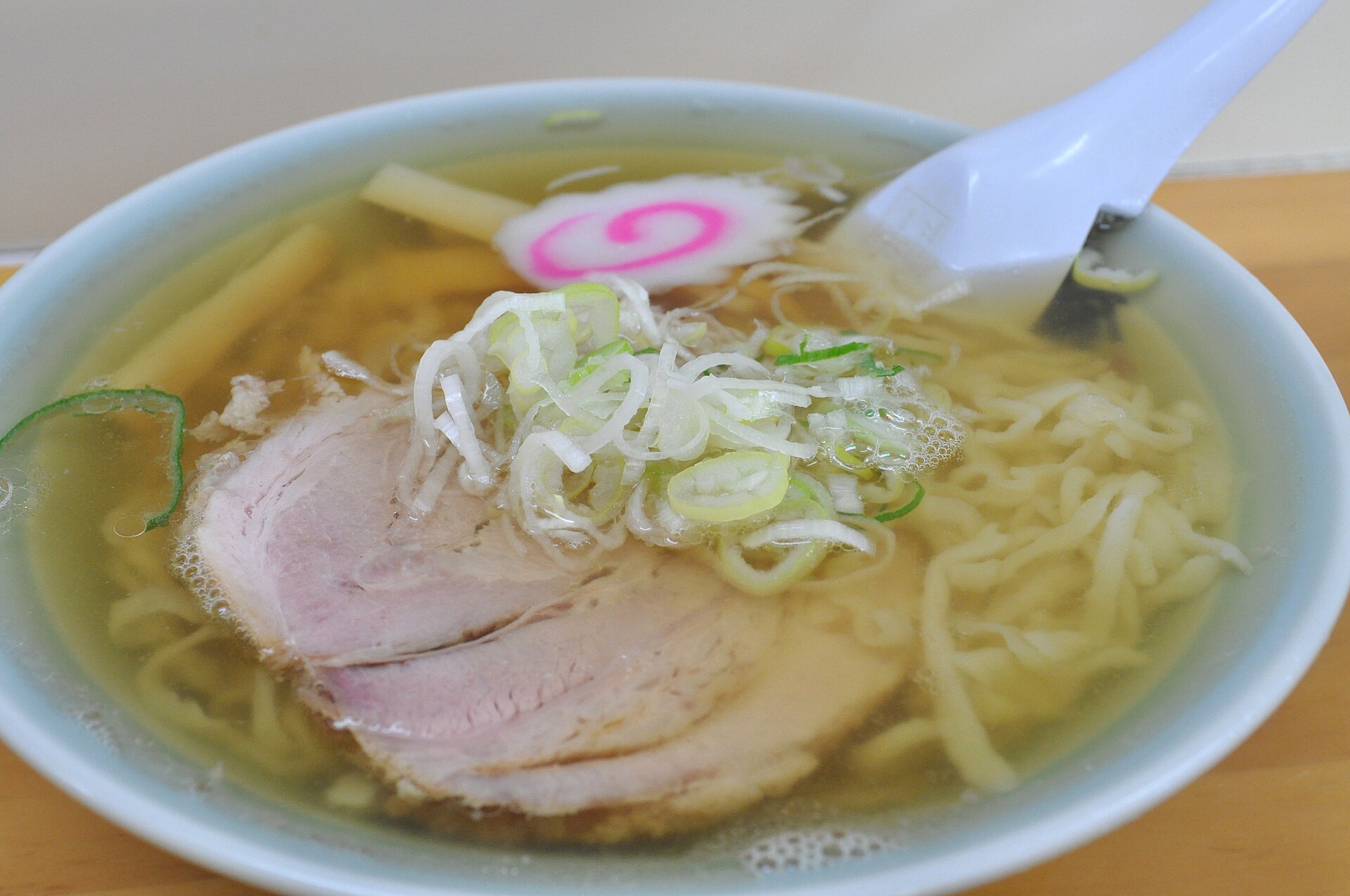
Sano Ramen
— Tochigi's bamboo-pole noodle town
A city in southern Tochigi where the noodles are flattened under a green bamboo pole and served in a clear soy broth. The shops sit apart from each other across the streets, so the tourism hall facing the temple gate is the practical way in.
- FromAsakusa Station
- ~1 hr 20 minTobu line, change at Tatebayashi
- Get off atSano Station (JR Ryomo Line / Tobu Sano Line)
- On foot
- Sano Ramen
Where it is
16 more notes in Tochigi · open the map →What to look for — in walking order
- Shiroyama Parkthe castle ruin just behind the station's north exit, under cherry, azalea, maple and pine
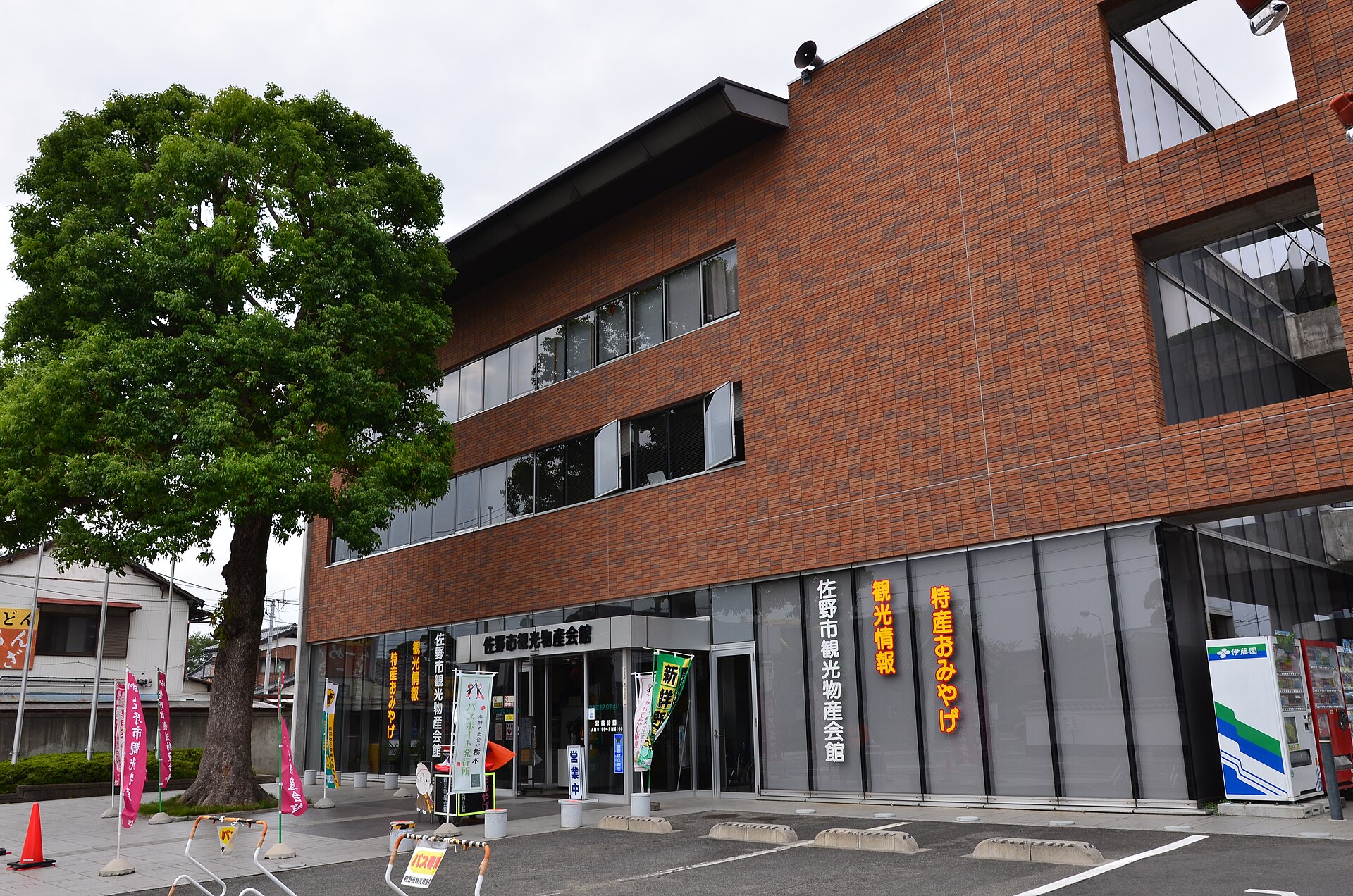
- Sano City Tourism and Products Hallthe town's information and souvenir hall, holding the ramen map, local crafts and packaged noodles
- Sano Yakuyoke Daishithe temple whose entrance the hall faces, long tied to the Tokugawa house
- The shops within walking distancethe ramen counters the hall lists as reachable on foot from its own door
How to actually get there
- Asakusa Station → Tatebayashi (Tobu Isesaki Line), change to the Tobu Sano Line for Sano Station.
- Sano Station, north exit → Shiroyama Park, the castle ruin, if you want the town's green corner first.
- Sano Station, south exit → the tourism and products hall, walking south then west; collect the ramen map there.
- Eat, then walk the streets between the shops rather than doubling straight back.
- Tobu from Asakusa, change at Tatebayashi
- Asakusa Station →(Tobu Isesaki Line)→ Tatebayashi, then change to the Tobu Sano Line for Sano Station. The city puts the whole run at about an hour and twenty minutes. A few Liberty Ryomo limited expresses work straight through between Asakusa and Kuzuu and call at Sano — one toward Asakusa in the morning, one out of it in the evening — which saves the change.
- Return from Sano Station
- Back to Tatebayashi on the Sano Line, then the Isesaki Line toward Asakusa. The branch line is not a frequent one, so read the departure board when you arrive rather than assuming a train will be waiting when you finish eating.
About the place
What marks Sano out is not the broth but the way the dough is handled. A length of green bamboo is wedged into the bench, the maker hooks a leg over the far end and bounces, and body weight rather than a roller flattens the dough. Prefecture and city describe the same outcome: air worked into the noodle, so it carries heat well, cooks quickly, and comes out springy under the tooth and smooth in the mouth. The strands stay uneven and wavy. Under them sits a clear soy broth, light rather than heavy, built on spring water that appears on the national list of famous waters.
How to enjoy it
The hall runs from morning through to evening and is open every day, so it works as a first stop whichever train you take. The tourism association's map shows not only where the shops are but how busy they are, which is worth reading before you set off. Walking between two or three of them beats settling for the nearest.
Background & history
The city traces the technique to the Taisho era, when a Chinese cook is said to have taught bamboo-pole noodle making here. For decades it stayed kitchen work rather than a name. In 1988 the shops organised themselves as the Sano Ramen Association, putting one label on what had been dozens of separate house styles, and the reputation spread from there. The temple at the middle of the old town is far older, and had already made Sano a place people travelled to.
Before you go
- Cash
- The hall takes credit cards and PayPay, but the ramen counters in town are a different matter and cash is the safe assumption. The park and the hall are free to enter.
- Before you go
- The hall is open year round, though its car park closes over the first three days of January. Sano is flat and easy to walk in any season, but there is little shade on the road in from the station.
- Another way
- From the JR side, the Ryomo Line runs across Tochigi and Gunma between Oyama and Takasaki and stops at Sano. If you are already on the Tohoku Shinkansen, changing at Oyama is the simpler approach.
- After you get off
- From Sano Station's south exit, follow the station-front street south, then turn right and continue west. The hall stands facing the entrance to Sano Yakuyoke Daishi. Shiroyama Park is on the opposite, north side of the station.