Ibaraki · YukiNo.968★★Open in map →
Yuki-tsumugi Silk
— Ibaraki's UNESCO-listed hand-spun silk
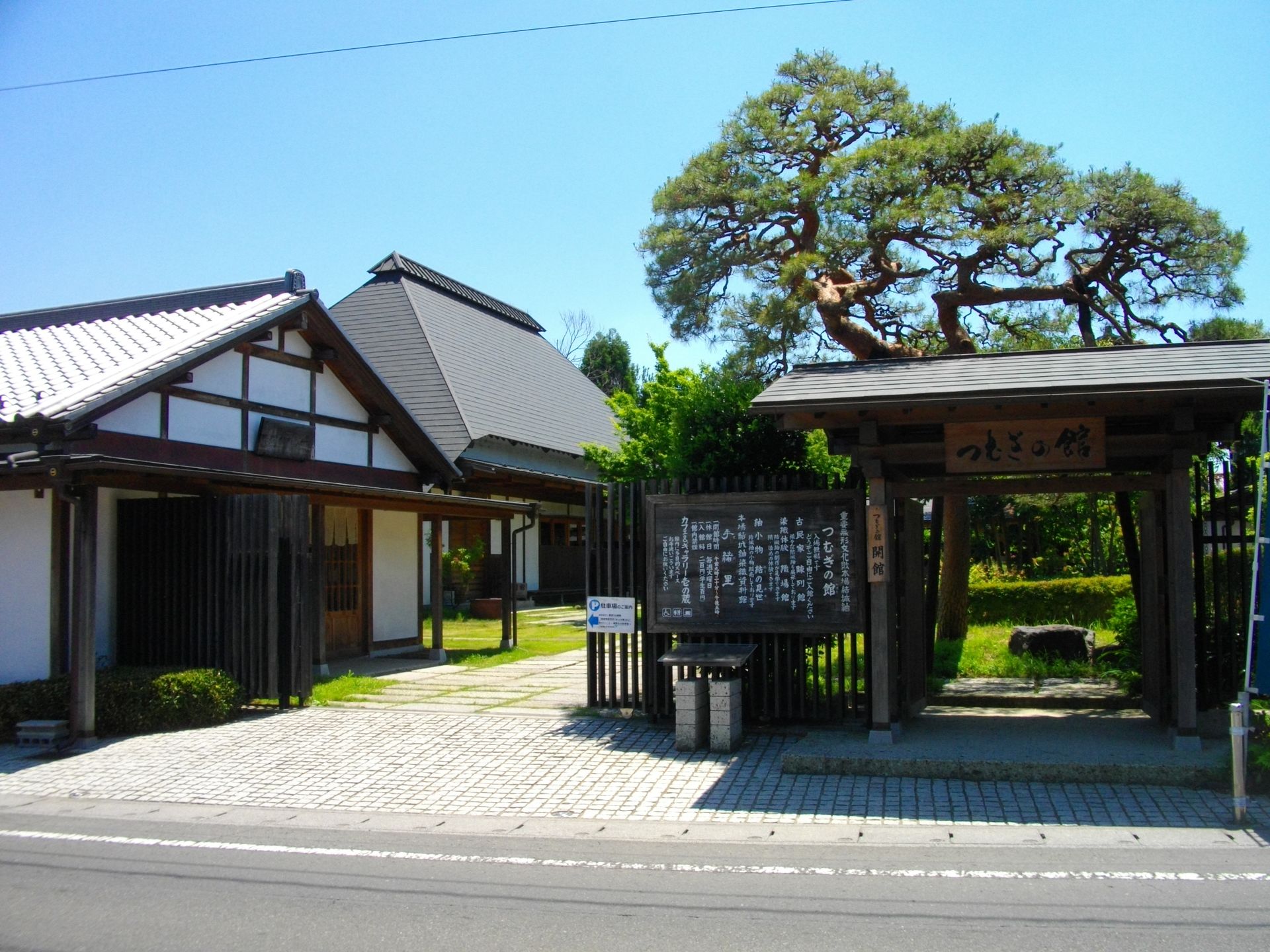
The silk cloth of Yuki, whose hand-spun thread, tied kasuri pattern and backstrap loom are inscribed by UNESCO. At Tsumugi-no-Yakata the wholesaler's own walled compound is opened so the steps can be seen in one place.
- FromTokyo Stn
- ~1 hrJR Mito Line, then a 10-min walk
- Get off atYuki Station (JR Mito Line)
- On foot
- Yuki-tsumugi Silk
The sweet spot
Yuki-tsumugi is not an obscure craft. It holds a national Important Intangible Cultural Property designation and a UNESCO listing. What is unusual is being able to stand beside the work at all: kimono cloth is normally made out of sight, split among workshops that take no visitors. Here the loom demonstration, the reference collection and the hands-on rooms sit inside one compound, and the grounds themselves are open without charge.
Where it is
13 more notes in Ibaraki · open the map →What to look for
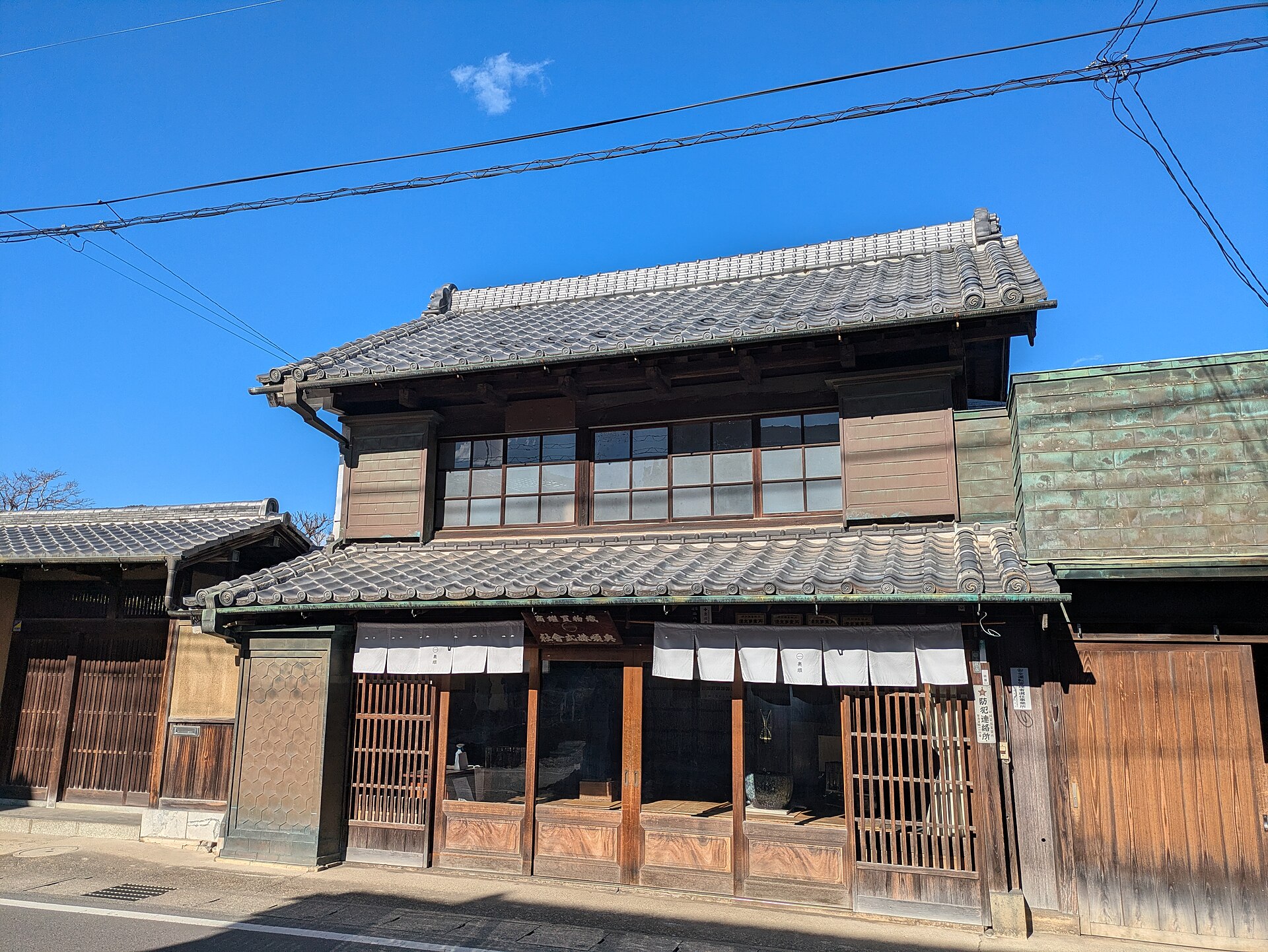
- Okujun store buildingthe wholesaler's Taisho-era shopfront on the street, a registered cultural property
- Yui-no-Misethe reception building, where jibata weaving is demonstrated
- Kominka Chinretsukana relocated old farmhouse hung with bolts of Yuki-tsumugi to see and handle
- Teorithe reference museum covering dyeing and weaving, admitted separately
- Oribakanthe workshop building for hand-weaving and plant-dyeing sessions
How to actually get there
- Tokyo Station → Oyama Station (Tohoku Shinkansen, about 45 min).
- Oyama Station → Yuki Station (JR Mito Line, about 7 min).
- Yuki Station north exit → Tsumugi-no-Yakata (walk about 10 min).
- Start at Yui-no-Mise for the jibata demonstration, then the display house, the reference museum and the workshop building.
- Tokyo to Oyama, then the Mito Line to Yuki
- Tokyo Station →(Tohoku Shinkansen, about 45 min)→ Oyama Station →(JR Mito Line, about 7 min)→ Yuki Station, then about a 10-minute walk from the north exit. Without the Shinkansen, the Ueno-Tokyo Line reaches Oyama in about 75 minutes and the Shonan-Shinjuku Line from Shinjuku in about 80.
- Back from Yuki Station
- Walk back to Yuki Station and take the JR Mito Line to Oyama, where both the Shinkansen and the Utsunomiya Line run south. The Mito Line is a local service with gaps between trains, so check the departure time before you leave the compound rather than after.
About the place
Yuki-tsumugi is the silk of Yuki, on the Ibaraki bank of the Kinu River, which became the centre of the trade in the medieval period. Three steps define it. The thread is drawn out by hand from silk floss rather than reeled from the cocoon. The pattern is fixed before any weaving begins, by binding the thread at measured points so the dye cannot reach them. The cloth is then woven on a jibata, a low loom whose warp is tensioned against the weaver's own body. Tsumugi-no-Yakata gathers that sequence into a single walled compound of old town houses and storehouses.
How to enjoy it
Start at Yui-no-Mise, which doubles as reception, and watch the jibata demonstration before looking at the cloth itself — seeing the loom changes what the bolts are saying. Hand-weaving and plant-dyeing are run in the Oribakan and are arranged separately from entry. Hours and closing days are listed inconsistently across official pages, so confirm on the operator's own site before setting out.
Background & history
Silk from this region was sent to the imperial court as ashiginu in the Nara period, and by the Kamakura period it was known as Hitachi-tsumugi, with Yuki as its production centre. Under the Muromachi shogunate the name Yuki-tsumugi was in use and the cloth was presented as tribute. In 1956 the three techniques — hand-spinning, kasuri tying and jibata weaving — were designated a national Important Intangible Cultural Property, and in 2010 they were inscribed by UNESCO.
Before you go
- Cash
- Entry to the grounds is listed as free on the prefecture's official tourism site, with the reference museum and the dyeing and weaving sessions charged separately. Cloth and small goods are sold on site, and parking is free.
- Before you go
- Opening hours are given differently by the operator's own site and by the prefectural tourism site, and the compound closes on some weekdays as well as over New Year and Obon, so confirm before travelling. Several buildings in the compound are registered cultural properties that can only be seen from outside.
- Another way
- Coming from Mito or Kasama, take the JR Mito Line west and get off at Yuki — the same station, approached from the other direction. By car, the Kita-Kanto Expressway at Sakuragawa-Chikusei and the Tohoku Expressway at Sano-Fujioka both feed onto Route 50 into Yuki.
- After you get off
- Leave Yuki Station by the north exit and walk roughly ten minutes north into the old merchant quarter. The compound sits behind a wooden gate carrying the name Tsumugi-no-Yakata, with the wholesaler's own shopfront facing the street beside it.