North Yamaguchi · HagiNo.1040★★★Open in map →
Hagi Ware
— Tea ceramics that change colour the more you use them
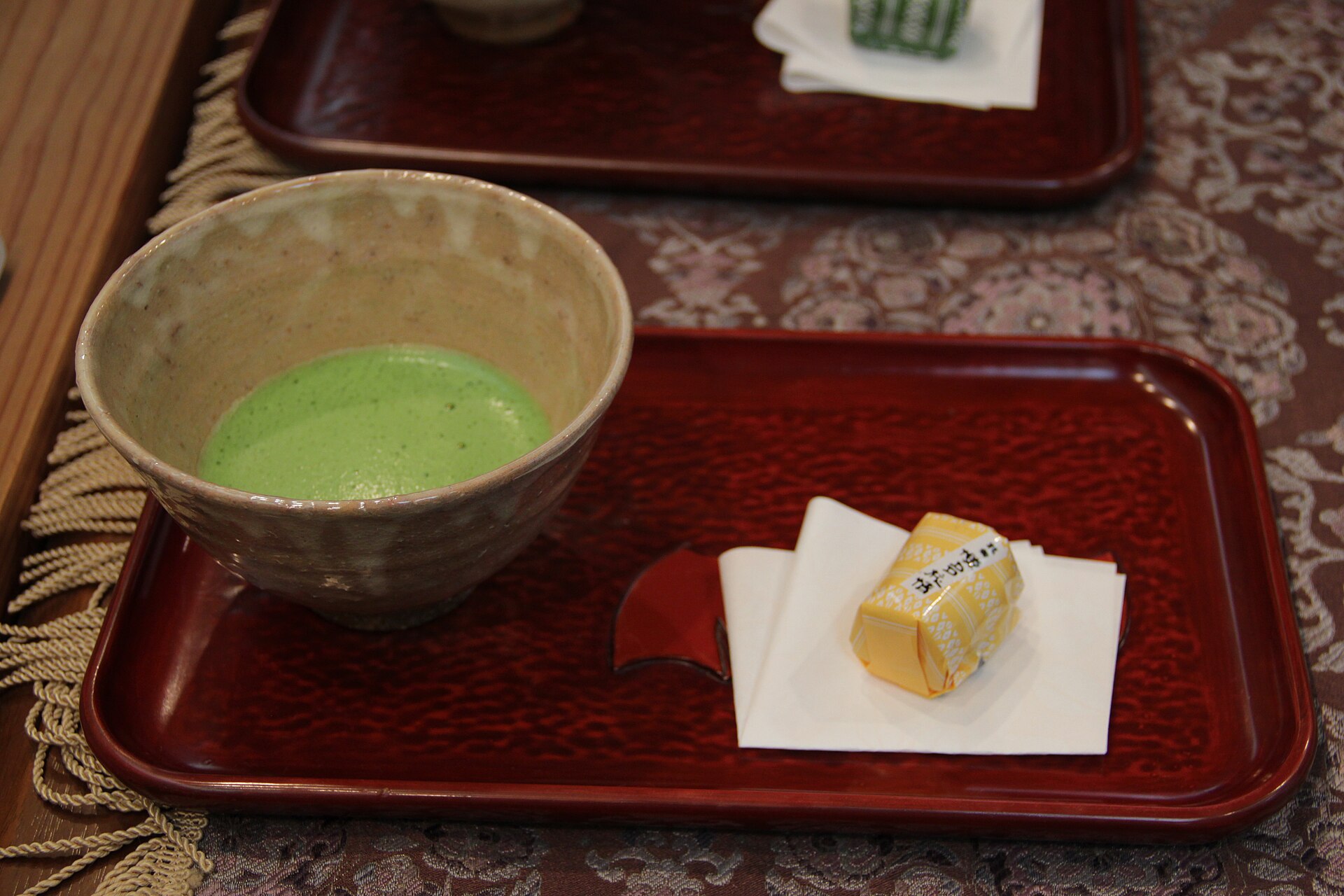
Ceramics from a castle town on the Sea of Japan, fired soft so the clay drinks in tea and deepens in colour with use. Painting is almost never applied. Hagiyaki Kaikan, near Higashi-Hagi Station, holds work from many kilns in one room.
- FromShin-Yamaguchi Station
- ~1 hr 20 minHighway bus, 6 round trips a day
- Get off atHigashi-Hagi Station (JR San'in Line)
- From there
- Hagi Ware
Where it is
13 more notes in Yamaguchi · open the map →What to look for — in walking order
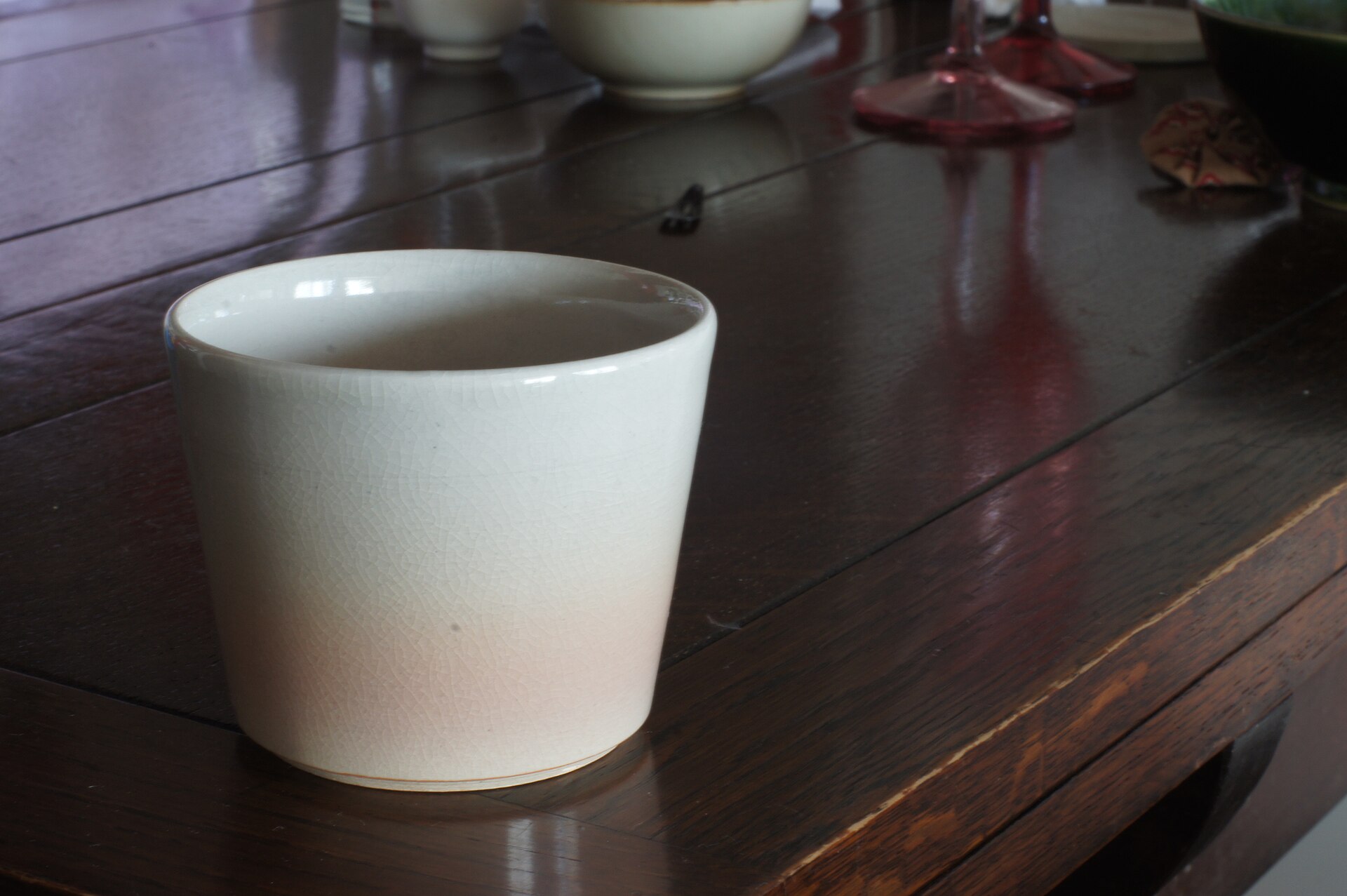
- Ground-floor Hagi ware gallerypieces sold direct from the kilns, from tea utensils to everyday bowls
- Local produce cornernatsumikan sweets and seafood from Hagi, set out beside the ceramics
- Wheel-throwing workshopa corner showing and selling work from the Hagijo kiln and the hall's own studio
- Second-floor pottery roomhand-building and brush decoration, booked ahead by phone or fax
How to actually get there
- Shin-Yamaguchi Station → Higashi-Hagi Station (Super Hagi highway bus, about 1 hour).
- Higashi-Hagi Station → Hagiyaki Kaikan (walk northeast along Route 191, about 10 minutes).
- Compare pieces from different kilns on the ground floor, then look in on the wheel-throwing corner.
- See the class rooms upstairs, then head back to the station or take the loop bus on to the castle town.
- Highway bus from Shin-Yamaguchi
- Shin-Yamaguchi Station →(Super Hagi highway bus, about 1 hour)→ Higashi-Hagi Station, then a walk of roughly 10 minutes to the hall. Bocho Kotsu and JR Bus Chugoku run the route together, six round trips a day, twelve services in all. Shin-Yamaguchi is a Sanyo Shinkansen stop, so it is one change from the bullet train.
- Return from Higashi-Hagi Station
- The same Super Hagi buses leave from the stop at Higashi-Hagi Station, calling at Hagi Bus Center and the Meirin Center before Shin-Yamaguchi. With so few departures the timetable shapes the day, so photograph the board when you arrive. JR San'in Line trains also serve the station, but services along this coast are sparse and the bus is the surer way back.
About the place
Hagi ware is never fired hard enough to seal. The clay stays porous, and tea and sake seep in slowly through the fine crackle in the glaze, so the colour of a bowl deepens over the years — potters here call it the seven changes of Hagi. Painted decoration is almost absent. Character comes from the clay blend, the glaze and the drag of a rib. Two glazes carry most of the work: a loquat-toned ash glaze and an opaque white straw-ash glaze. The densest cluster of kilns is in Hagi itself, and Hagiyaki Kaikan on the eastern edge of town puts their pieces side by side.
How to enjoy it
The hall's own guide gives 8:30 to 17:00, year round, with the pottery class on weekends and holidays by reservation. Arrive in the morning and the sales floor is quiet enough to lift a bowl and turn it over to the foot ring, which is the only honest way to read one. Hold two differently glazed pieces at once — the difference registers in the hands before it does in the eye.
Background & history
The craft traces back to the potter brothers Ri Shakko and Ri Kei, brought home by Mori Terumoto from the campaigns in Korea. In 1604, as the Mori moved their seat to Hagi, a kiln was opened for the clan at Matsumoto, and that is counted as the start of Hagi ware. Tea masters took to its soft surface, and the old ranking of tea ceramics — first Raku, second Hagi, third Karatsu — fixed its standing. The industry ministry designated it a traditional craft on 30 January 2002, and kilns still work in Hagi, Nagato and Yamaguchi.
Before you go
- Cash
- The gallery is free to enter. The bus was listed at 1,600 yen one way for adults when checked, a discount from the standard 2,090 yen, and drivers take cash or IC cards as you get off. Ceramics and the pottery class are paid for separately.
- Before you go
- The hall gives itself as open year round, but the pottery class runs on Saturdays, Sundays and holidays and has to be booked by phone or fax, so a weekday visit is a looking-and-buying visit. There is no evening opening.
- Another way
- By car, leave the Chugoku Expressway at the Mine-Higashi junction for the Ogori-Hagi Road and come off at the Edo interchange, about 30 minutes out. The hall stands on Route 191 with a large car park.
- After you get off
- From Higashi-Hagi Station, walk northeast along Route 191 for about 10 minutes; the hall sits on the road behind its own car park. The Hagi Maaru loop bus, eastbound, also stops at Hagiyaki Kaikan-mae.