East Kyoto · YamashinaNo.991★★★Open in map →
Kyo-yaki and Kiyomizu-yaki
— Kyoto's own ceramics and the quarter that fires them
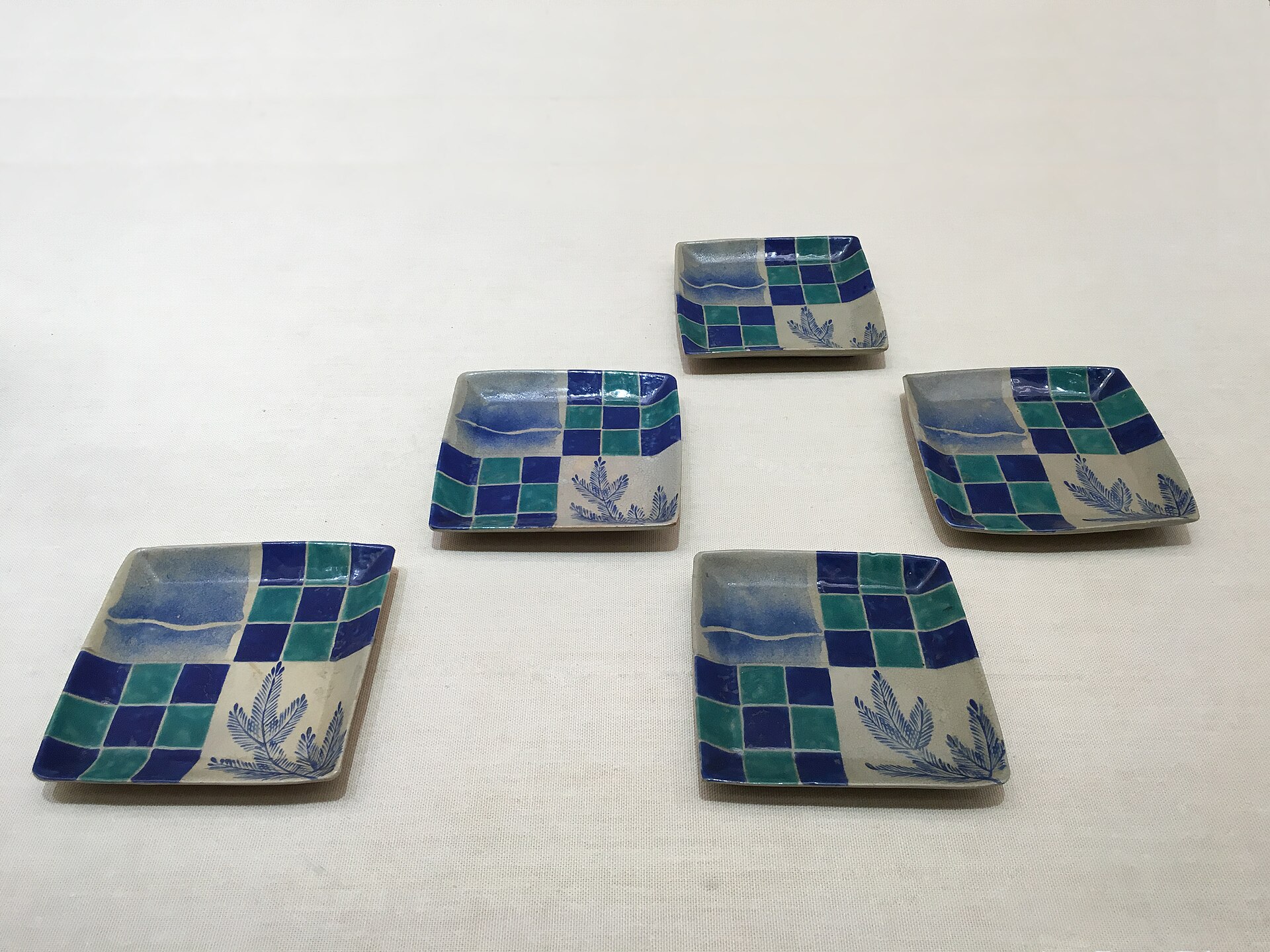
Kyo-yaki is not one kiln or one clay. It is the name for pottery made in Kyoto itself, and most of it now leaves a purpose-built quarter in Yamashina, over the ridge from the shops that sell it.
- FromYamashina Station
- ~15 minKeihan Bus 29 or 29C
- Get off atKiyomizu-yaki Danchi (Keihan Bus)
- On foot
- Kyo-yaki and Kiyomizu-yaki
Where it is
90 more notes in Kyoto · open the map →What to look for — in walking order
- Kiyomizu-yaki no Sato Kaikanthe cooperative's own hall, permanent display and sale, and the district's front door
- Kiln and studio shopsstreet-front rooms selling everything from artists' pieces to bowls for daily use
- Hands-on workshopsmember studios taking bookings for hand-building and for painting on unfired ware
- The supply-trade blocksstreets where the suppliers work, signed by trade rather than by brand
How to actually get there
- Kyoto Station to Yamashina Station on the JR Biwako Line or the Tozai subway.
- At Yamashina, board a Keihan Bus on route 29 or 29C and alight at Kiyomizu-yaki Danchi.
- Walk up the street to the cooperative's hall and pick up the quarter's walking map.
- Loop the blocks from the hall, taking in the shops, the studios and the supply trades.
- Yamashina Station, then Keihan Bus
- From Kyoto Station, Yamashina is reached on the JR Biwako Line or the Tozai subway, and Keihan trains stop at Keihan-Yamashina alongside. There, board a Keihan Bus on route 29 or 29C and get off at Kiyomizu-yaki Danchi. Fares and departures vary by hour, so check the Keihan Bus timetable before you set out.
- Back to Yamashina and the city
- Buses from the same stop run back to Yamashina Station, where the JR, subway and Keihan lines all connect. Departures thin out after dark, so read the last-bus time on the stop timetable when you arrive rather than at the end of the afternoon.
About the place
Kyo-yaki is a collective name rather than a single style. Kyoto's kilns worked for the court, the temples and the tea rooms, so one district had to turn out celadon, enamelled stoneware and porcelain alike. Today the trade is concentrated in a planned quarter of 8.25 hectares in Yamashina, laid out as a grid of streets. Kilns and independent potters share it with wholesalers, with clay and pigment merchants, and with the makers of the wooden and paper boxes the finished pieces travel in. Forming is done by hand, on the wheel and in plaster moulds, and firing has largely moved from climbing kilns to electric and gas.
How to enjoy it
The cooperative's hall keeps weekday hours, nine in the morning to five, and closes on Saturdays, Sundays and public holidays. Pick up its walking map and loop the streets rather than aiming at one shop. The one weekend the whole quarter turns into a market is the Kiyomizu-yaki no Sato Matsuri, Friday to Sunday on the third weekend of October.
Background & history
Two potters fixed the reputation of Kyoto ware in the seventeenth century. Nonomura Ninsei brought overglaze enamel to a high finish at his kiln outside the gate of Ninna-ji, and Ogata Kenzan learned the technique directly from him. Porcelain came later, through Okuda Eisen. The workshops stayed on the Gojozaka slopes below Kiyomizu-dera until the ground there grew crowded, and in the 1960s the trade formed a cooperative and moved over the Higashiyama hills to Yamashina.
Before you go
- Cash
- Walking the streets of the quarter costs nothing. Each business sets its own payment methods, so carry cash rather than assume cards are taken. Hands-on sessions are arranged and paid for with the individual workshop.
- Before you go
- This is a working district rather than a shopping street, and opening days differ from business to business. The wholesalers among them keep trade hours, so what is open on any given day varies. Check the hall's schedule before travelling out.
- Another way
- Another way in: from the Shijo-Kawaramachi and Sanjo-Keihan side, Keihan Bus route 88B runs out to the same Kiyomizu-yaki Danchi stop. Other services stop at Kawada, a short walk below the quarter.
- After you get off
- From the Kiyomizu-yaki Danchi stop it is about two minutes on foot to the cooperative's hall, uphill along the quarter's street. The blocks are small and signed, and the walking map covers all of them.