Ishikawa · Wajima, NotoNo.1014★★★Open in map →
Wajima Lacquerware
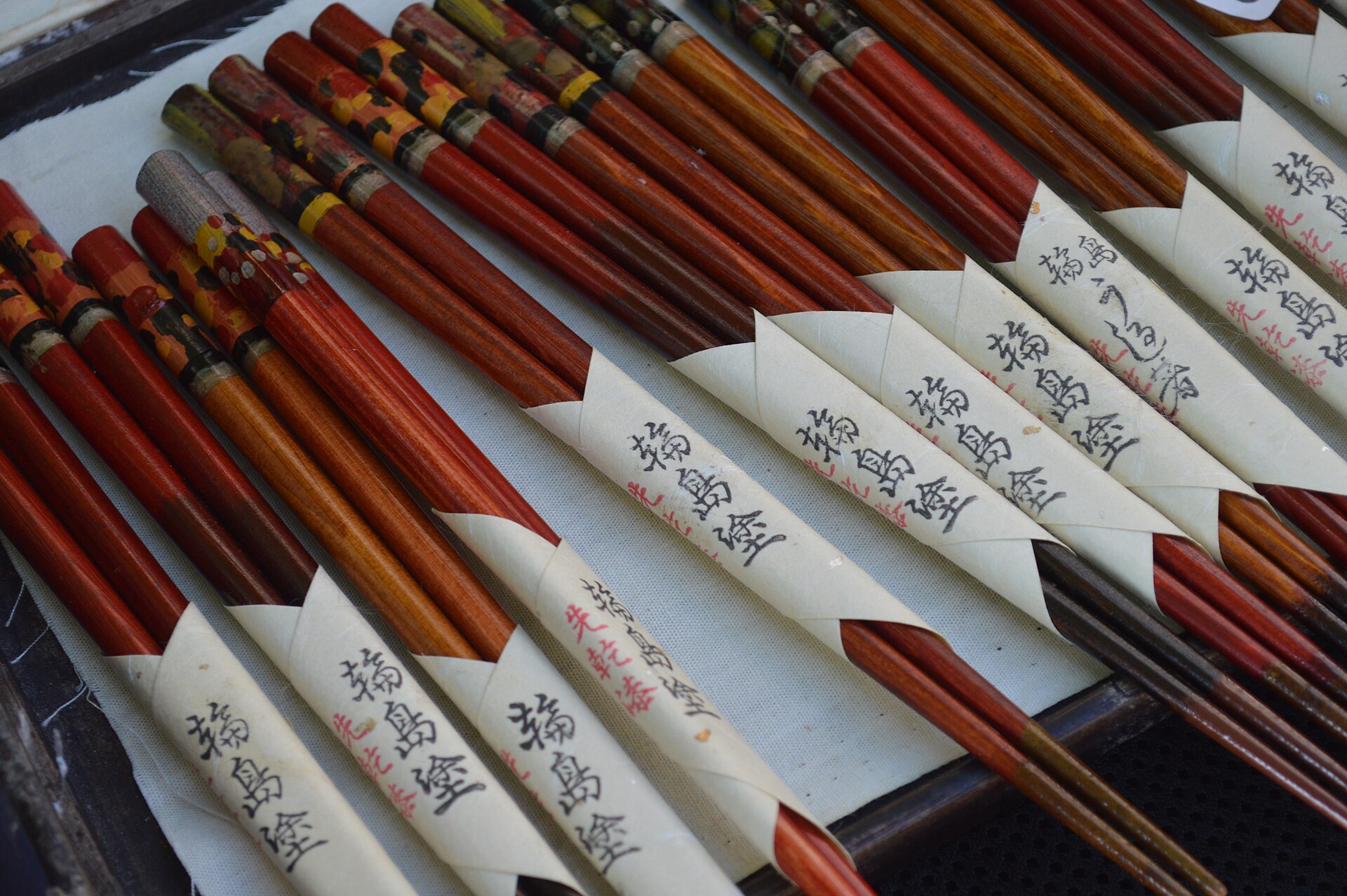
Wajima has made lacquerware on the tip of the Noto peninsula for centuries, and its bowls are built to be used rather than admired. The prefectural museum of lacquer art, on a rise above the town, holds pieces from the Edo period through to living masters.
- FromKanazawa Station
- ~2 h 50 minHokutetsu express bus, 6 a day
- Get off atWajima Ekimae (Michi-no-Eki Wajima Furatto Homu)
- From there
- Wajima Lacquerware
Where it is
16 more notes in Ishikawa · open the map →What to look for — in walking order
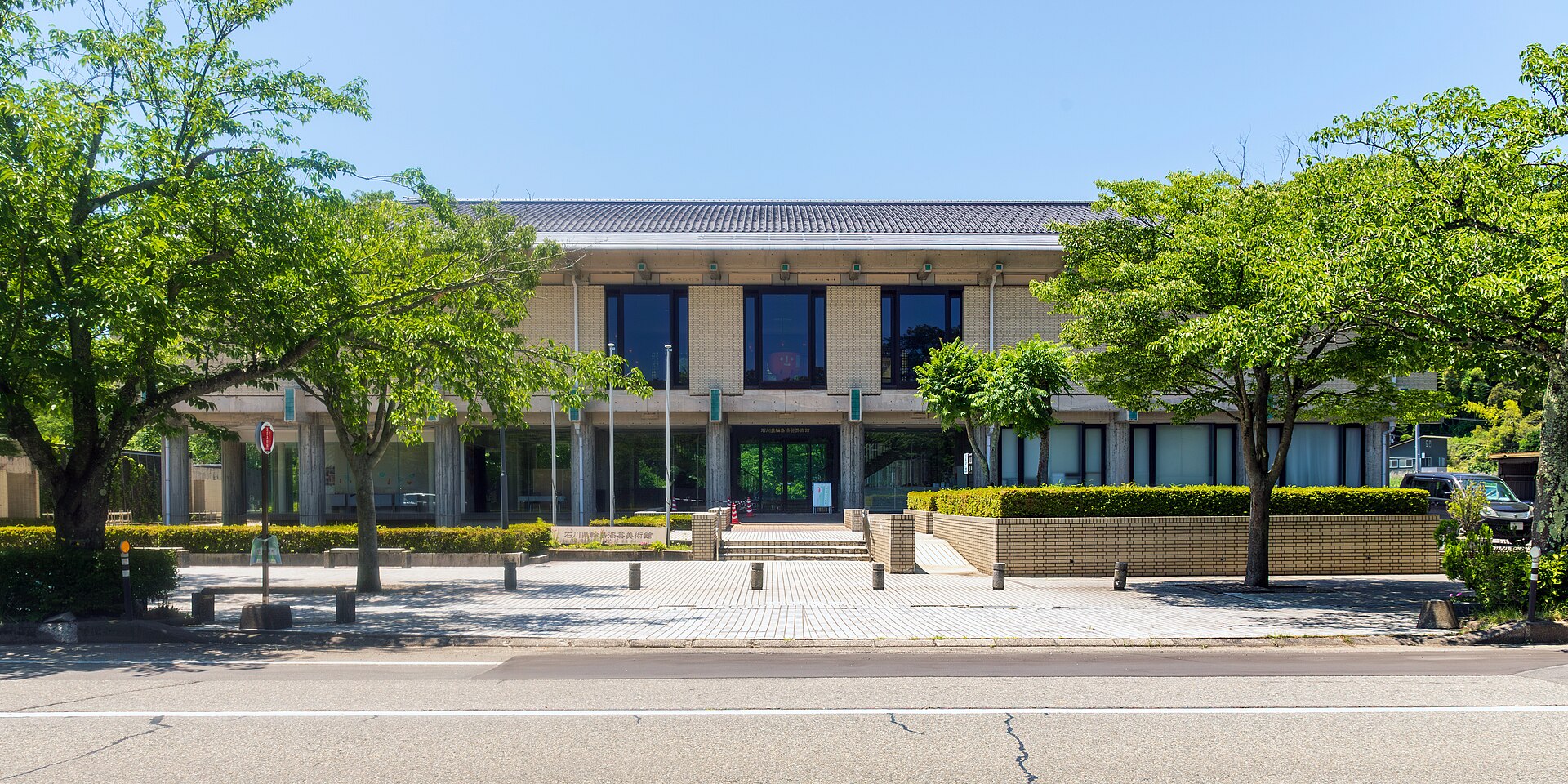
- Entrance halla lobby open without a ticket, fitted with a lacquered reception counter and lacquered benches
- Globe rooma ground-floor room built around a large Wajima-lacquer globe titled Earth at Night
- Special exhibition roomsthree upstairs rooms that change through the year, taking in lacquer from elsewhere in Asia
- Permanent exhibition roomthe room that explains the making, with craftsmen's tools and film shown beside finished pieces
- Museum shoplacquer for sale on the ground floor, back on the free side of the ticket desk
How to actually get there
- Kanazawa Station west exit → Wajima Ekimae by the Hokutetsu Okunoto express bus, via Noto Satoyama Airport.
- Wajima Ekimae → Ishikawa Wajima Urushi Art Museum, on foot uphill or by taxi.
- Start on the free ground floor with the globe room, then buy a ticket for the rooms upstairs.
- Book a chinkin or maki-e session if you want the tools in your own hands, then take the bus back from Wajima Ekimae.
- Hokutetsu express bus from Kanazawa Station west exit
- Kanazawa Station west exit →(Hokutetsu Okunoto Bus, Wajima express, about 2 h 50 min)→ Wajima Ekimae. Six departures a day when checked, the first at 7:15 and the last at 17:20, every one of them by way of Noto Satoyama Airport. From the stop the museum's own guide gives about 25 min on foot; a taxi is the short way.
- Back from Wajima Ekimae
- Six services run back to Kanazawa Station west exit, the first leaving Wajima at 6:20 and the last at 17:20, taking about the same time again. There is no railway to Wajima, so the last bus is the last way out of town; fix it in your plan before the afternoon fills up.
About the place
Wajima sits at the top of the Noto peninsula, and its lacquer is known for toughness rather than delicacy. The rim and the thin parts of a turned bowl are covered with hemp cloth stuck down with raw lacquer and rice paste, a step most lacquerware on sale today leaves out. Over that goes the ground: raw lacquer, rice paste and a fired diatomaceous earth quarried nearby and called Wajima jinoko. It is applied and sanded back through several passes, the grain of the filler getting finer each time, and only then is the coloured surface brushed on. Decoration, where there is any, is chinkin, cut with a needle chisel and filled with gold, or maki-e, drawn in lacquer and dusted with metal powder.
How to enjoy it
The museum runs 9:00 to 17:00 with last entry at 16:30. Hands-on slots are taken between 9:00 and 10:30 or 13:00 and 15:30, and the shortest of them, a maki-e strap, takes about ten minutes. Come on a bus that lands before lunch and you can see the rooms, do a session and still catch an afternoon service back.
Background & history
The technique behind Wajima lacquer is said to have settled in the Kanbun era, in the second half of the seventeenth century, and the museum holds a set of trays and bowls made in those years. Wajima was a port of call on the coastal shipping route, so the wares went out with the boats instead of staying local. Chinkin, the cut-and-gild decoration, came first. Maki-e was learned later, from a craftsman of the Aizu tradition.
Before you go
- Cash
- Entering the museum building is free and so is the car park. What you pay for is the exhibition rooms upstairs, 630 yen for adults when checked, with lower rates for students and school groups. Hands-on sessions are priced separately and are booked in advance.
- Before you go
- Closed while exhibitions are changed over, and from 29 to 31 December. Since the 2024 earthquake the museum has been announcing its opening in fixed blocks of dates rather than as an open-ended calendar, so read the notice on its own site before you travel. Wajima's morning market lost its street to the fire that followed the quake, and the city's tourism guide says it has restarted inside a shopping centre in town.
- Another way
- By car it is about two hours from Kanazawa by the Noto Satoyama Kaido. In the town centre, Wajima Kobo Nagaya, a row of working lacquer studios open to visitors, is listed as partly open by Ishikawa Prefecture's official travel site, with sessions taken by phone in advance; confirm before you walk over, because the picture in Wajima still changes month to month.
- After you get off
- The museum stands on a rise west of the town centre, and the museum's own access page gives about 25 min on foot from Wajima Ekimae. The road out of the centre climbs, so with luggage or in rain a taxi from the bus terminal is the sensible call.