South Okinawa · ItomanNo.1033★★★Open in map →
Ryukyu Glass Village
— Okinawa's largest hand-blown glass works
The largest hand-blown glass works in Okinawa, at the southern end of the main island in Itoman. Furnaces, gallery and shop share one site on the old highway through Fukuji, right by the bus stop that carries the works' name.
- FromNaha Bus Terminal
- ~60–90 minBus, one change, ~60–90 min
- Get off atRyukyu Glass Village (buses 82 / 108)
- On foot
- Ryukyu Glass Village
Where it is
41 more notes in Okinawa · open the map →What to look for
- Workshop floormelting furnaces and blowing benches, watched from the viewing walkway
- Galleryfinished work set out by maker and by technique
- Hands-on roomsbooked bench sessions, charged separately from entry
- Outlet cornerthe Jangaraya counter, where seconds are sold apart from the main shop
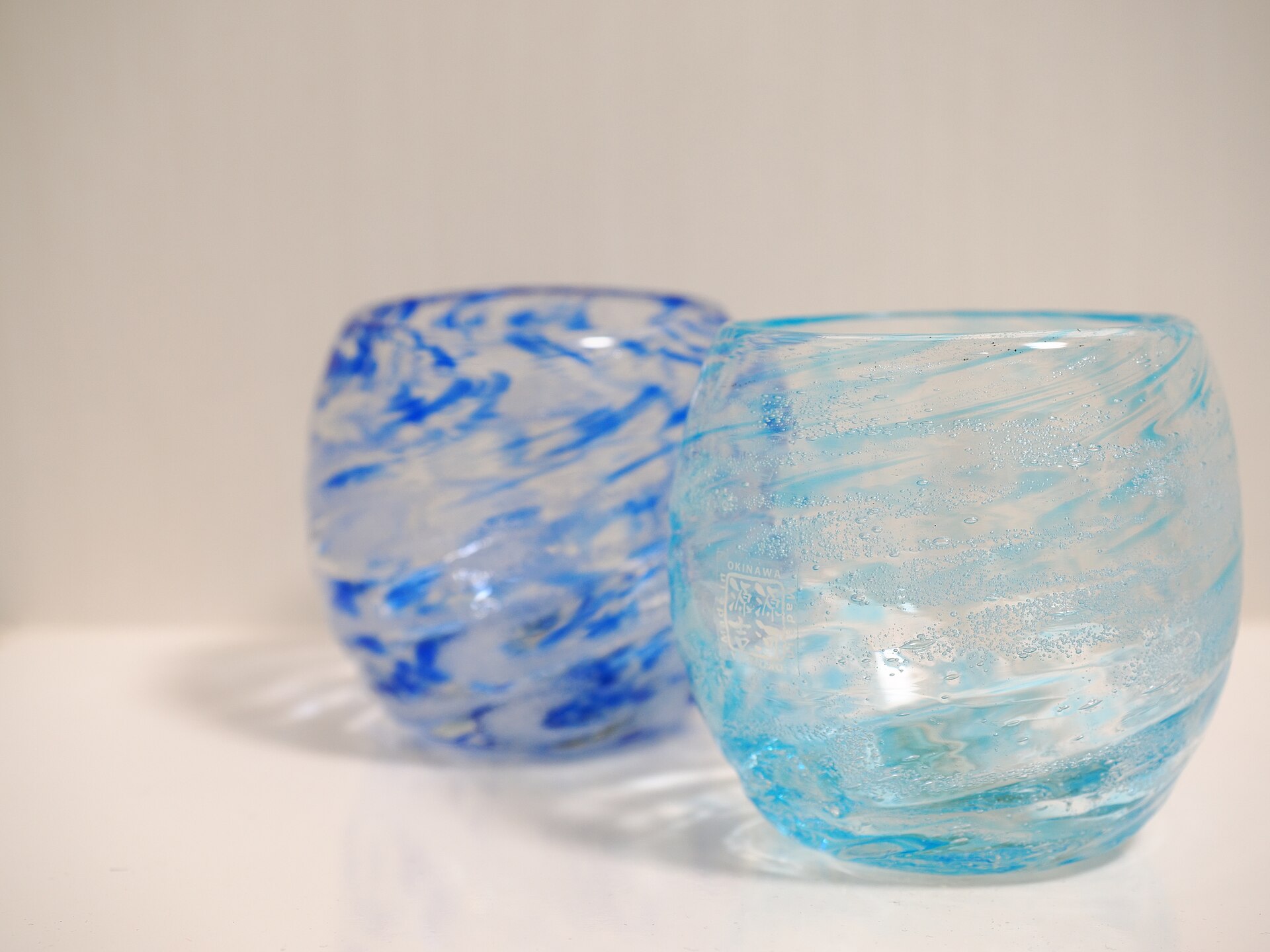
- Shopeveryday glassware from the group's Okinawan workshops
How to actually get there
- Naha Bus Terminal → Itoman Bus Terminal (route 89).
- Itoman Bus Terminal → Ryukyu Glass Village (route 82 or 108).
- Workshop walkway first, while the furnaces are working, then the gallery.
- Shop and outlet last, so nothing fragile is carried around the site.
- Bus from Naha, changing at Itoman
- Naha Bus Terminal →(route 89)→ Itoman Bus Terminal →(route 82 or 108)→ Ryukyu Glass Village. The change makes this the slow way in, and the southern routes are not frequent, so read the return times before you go through the gate. The same route can be joined at Akamine Station on the Yui Rail monorail.
- Return toward Naha
- Take route 82 or 108 back to Itoman Bus Terminal and change there for route 89 to Naha. Services thin out through the evening, so check the posted times at the shelter rather than after you have finished shopping.
About the place
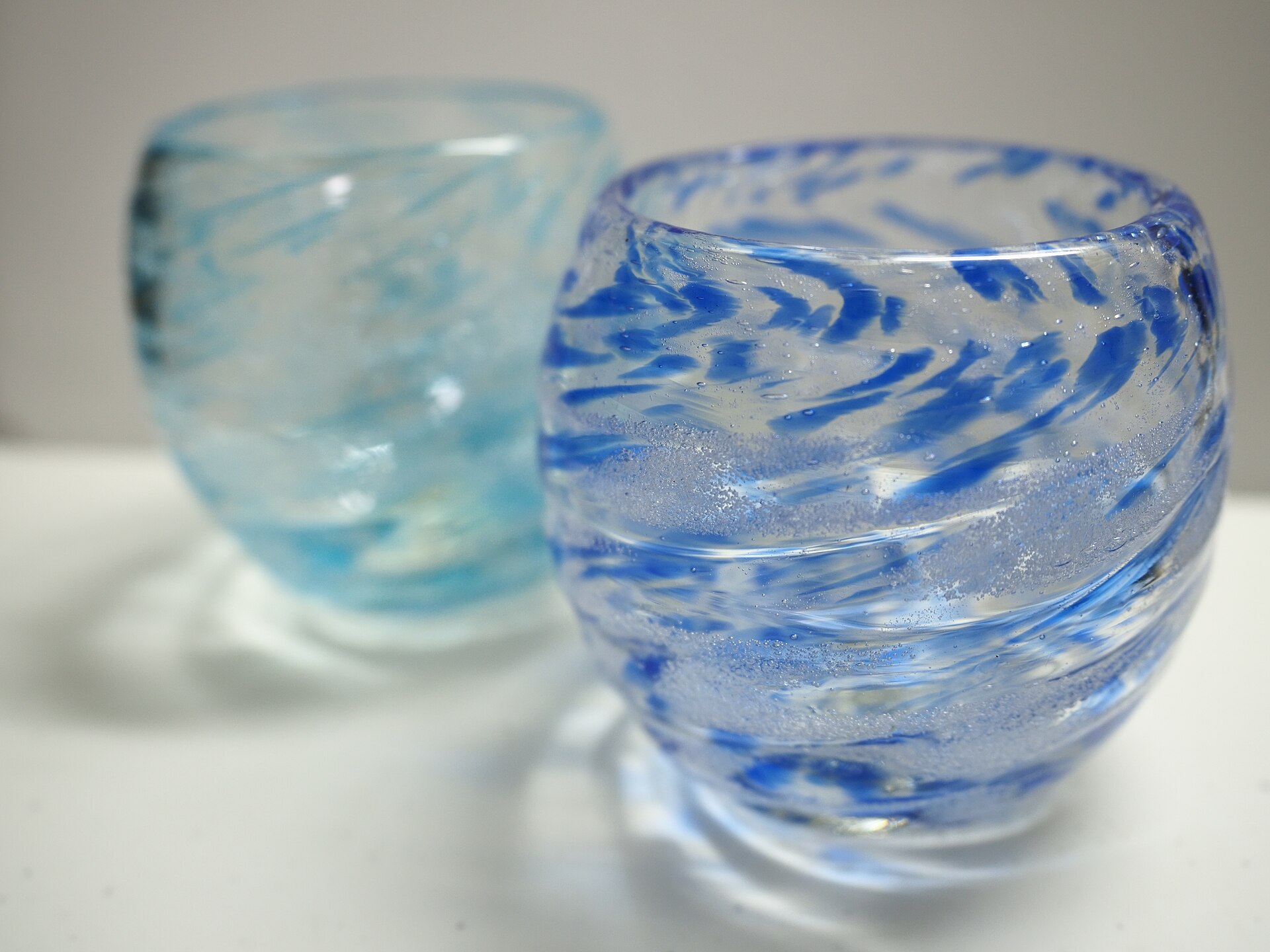
Ryukyu glass is a post-war trade that turned a defect into a signature. Bottles thrown out by the American bases were washed, broken and melted down, and the labels and grit that would not come off left bubbles in the finished glass. The makers kept them. Bottle colour set glass colour — brown from beer, pale blue from sake bottles, green from soft drinks — and mineral colourants were added later for purple and deep blue. The works at Fukuji, in the far south of the island, is the largest hand-blowing operation in the prefecture, and it puts the furnace floor, the gallery and the shop on a single site.
How to enjoy it
The site opens in the morning and closes in the late afternoon, and it advertises no regular closing day. Come before lunch if you want the benches busy, since furnace work winds down towards the end of the day. Hands-on sessions are charged and fill up, so book ahead rather than turn up, and ask when a finished piece can be collected — hot glass has to cool before it travels.
Background & history
Glass came to Okinawa late in the Meiji era, when a merchant from Kagoshima opened a works in Naha and craftsmen from Osaka and Nagasaki followed him south. The workshops were destroyed in the war. Under the American administration the surviving makers rebuilt around the bases, selling tableware and souvenirs to service families and melting their discarded bottles for stock. The prefecture designated Ryukyu glass a traditional craft product in 1998, and the makers formed a prefecture-wide manufacturing cooperative in 2018.
Before you go
- Cash
- Walking the workshop and the gallery is free, and the car park on site is free as well. Hands-on sessions are charged and the rates change, so check the current list before you plan a visit around one.
- Before you go
- The site advertises no regular closing day, but hours can still change, so confirm before a long trip south. The furnace floor is hot and loud, and the walkway runs close to the work, so keep children in hand. Typhoons in summer and early autumn can close roads and suspend buses across the south of the island.
- Another way
- By car from Naha Airport the drive south takes about twenty-five minutes on ordinary roads, ending on the old highway that runs through Fukuji. Many visitors pair it with the peace memorial sites further east along the same coast.
- After you get off
- The stop is on the old highway directly outside the site and carries the works' name; it was formerly called Namihira-iriguchi. From the shelter the entrance is a short walk past the car park.