Noto · Nanao NakajimaNo.442★★Open in map →
Noto Oysters
— Nanao Bay's winter oyster coast
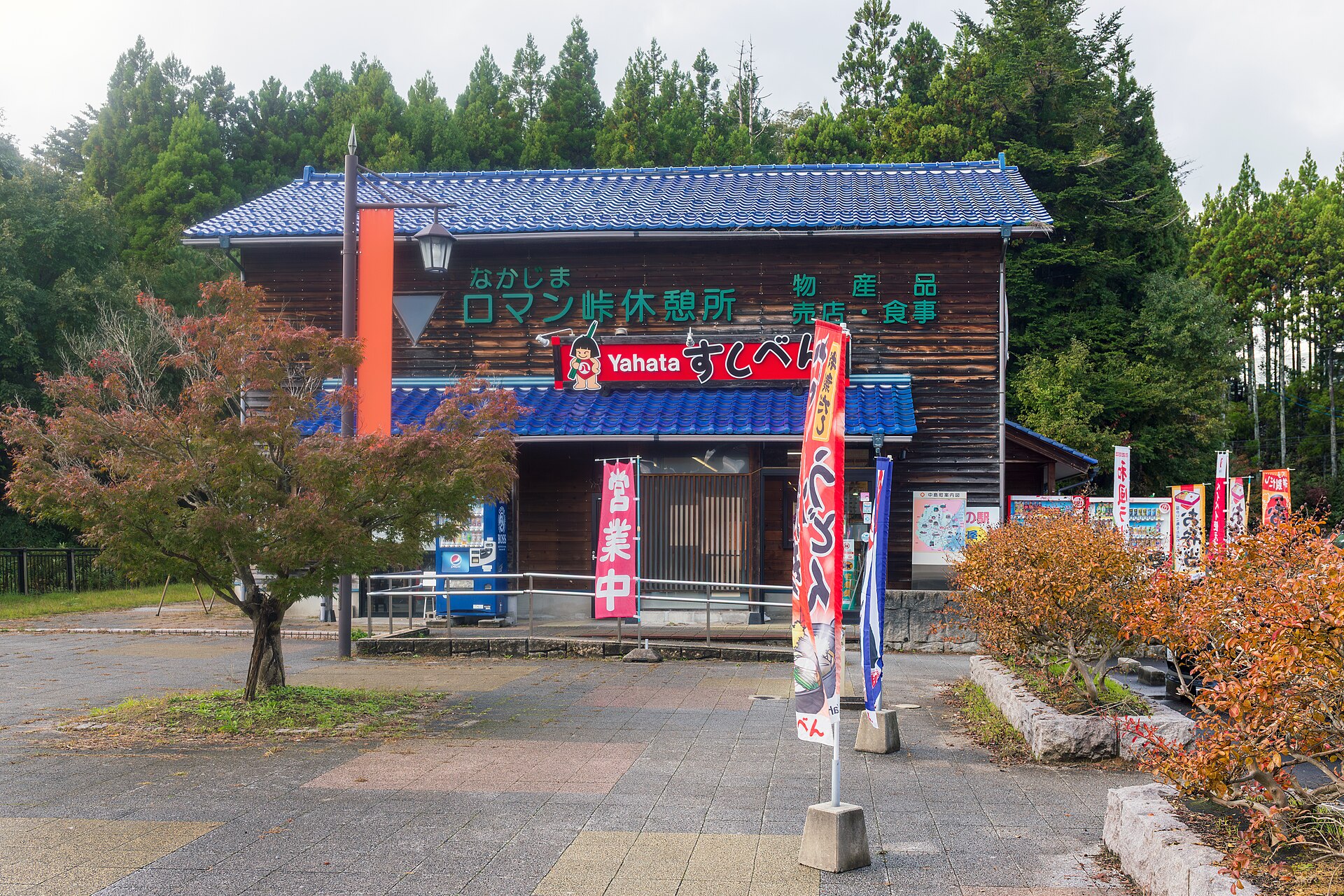
Oysters are farmed in the sheltered inlets of Nanao Bay, on the inner coast of the Noto peninsula. In winter the road through Nakajima carries a line of growers' counters and grill huts, and the roadside station at Roman Toge is the simplest place to start.
- FromKanazawa Station
- ~1 hr 40 minLimited express + Noto Railway
- Get off atNoto-Nakajima Station (Noto Railway Nanao Line)
- From there
- Noto Oysters
The sweet spot
Nothing here is secret — the oyster road is an organised campaign with its own map, and the roadside station is signposted from the main road. What keeps it quiet is that it only exists in winter, in a rural stretch of coast two hours from Kanazawa, on a road most visitors drive past on the way to Wajima.
Where it is
16 more notes in Ishikawa · open the map →What to look for — in walking order
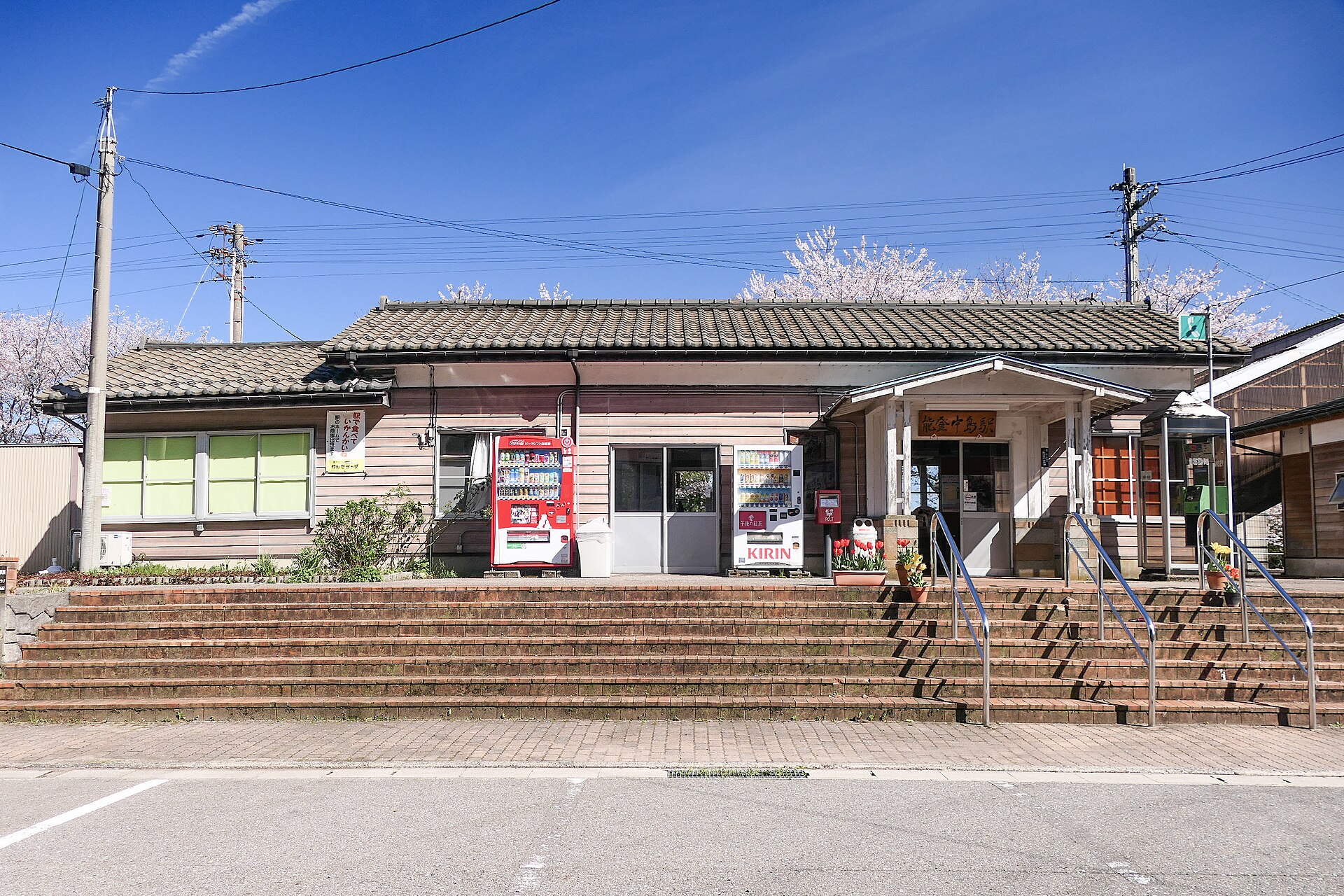
- Noto-Nakajima Stationa small Noto Railway station with a retired mail carriage preserved beside the platform
- West Nanao Bay shorelinerows of oyster rafts on flat water, with wooded hills closing the far side of the inlet
- Noto Kaki Kaido countersgrowers' direct-sale sheds and grill huts strung along Route 249 through the cold months
- Roman Toge festival lampa tall lamp cut in the shape of the crimson banner carried at the Okuma Kabuto festival
- Urushidani Pond viewing standa stand behind the roadside station looking over the pond and the wooded slope above it
How to actually get there
- Kanazawa Station → Nanao Station (JR Nanao Line, limited express about 1 hr).
- Nanao Station → Noto-Nakajima Station (Noto Railway Nanao Line, about 20 min, no change of platform at Wakura Onsen).
- Noto-Nakajima Station → Michi-no-Eki Nakajima Roman Toge, about 2.5 km north on Route 249 by taxi or on foot.
- Work back south along the same road for the direct-sale counters and the view over the west bay.
- Limited express to Nanao, then the Noto Railway
- Kanazawa Station →(JR limited express Noto Kagaribi to Nanao, then the Noto Railway Nanao Line)→ Noto-Nakajima Station. About 1 hr 40 min with one change, around 2,780 yen; the all-local version takes about 2 hr 10 min for around 1,820 yen. Trains on the Noto Railway run roughly hourly. From the station the roadside station is about 2.5 km north, so a taxi or a 30 min walk finishes the trip.
- Return via Nanao
- Retrace the route from Noto-Nakajima to Nanao and change there for Kanazawa. Services are roughly hourly rather than frequent, so pick a return train before you set out; the last useful connection leaves well before the end of the evening.
About the place
Nanao Bay folds into the inner side of the Noto peninsula, screened by islands and headlands so the water stays calm through winter. Forested hills ring it, and the co-operative that manages the west bay puts the quality of the oysters down to the nutrients those hills send downriver, which feed the plankton the shellfish live on. Growers hang ropes strung with scallop shells from rafts and floats, and the co-operative says the oysters reach market size in a single year, coming out small-shelled, thick-fleshed and sweet. Along Route 249 through Nakajima and on toward Anamizu, those same growers run direct-sale counters and grill huts through the season.
How to enjoy it
Come in the cold half of the year: the co-operative ships from autumn to spring, and the oyster road runs its season through winter. The roadside station opens at 7:00 and closes at 17:00, which makes an early start workable, and it stocks the local oysters alongside Nakajima greens. Grilled in the shell is the plain way to eat them here; buy raw ones only if the label says they are meant to be eaten raw, since that is a separate legal grade rather than a measure of freshness.
Background & history
Oyster farming reached Japan in the Edo period, but the co-operative dates the serious start of it in the west bay to the Taisho era, after which it grew into the district's main industry after rice. Harvest runs from autumn into early spring, and the shells are still opened by hand by shuckers on shore. The road itself was cut in two on 1 January 2024, when the Noto Peninsula earthquake struck; the Noto Railway reopened its full line that April, and the oyster road's winter campaign has run again since.
Before you go
- Cash
- The Noto Railway takes cash only — no IC cards, no credit cards, no code payment on board. The roadside station is free to enter, and the oyster counters along the road price by weight on the day.
- Before you go
- The roadside station lists Mondays and 1 January as closed days, and Nanao City notes that hours may still be shortened as a result of the 2024 Noto Peninsula earthquake. The oyster season runs through the cold months, roughly December into April; outside it the direct-sale counters are not open.
- Another way
- Driving is the way most people cover this route: the roadside station is about 7 minutes from the Yokota interchange on the Noto Satoyama Kaido, or about 30 minutes north of Nanao on Route 249. Coming from Wakura Onsen, the Noto Railway reaches Noto-Nakajima in a few stops.
- After you get off
- From Noto-Nakajima Station, follow Route 249 north for about 2.5 km, roughly 30 minutes on foot. The roadside station is on the east side of the road, marked by a tall lamp shaped like a festival banner.