East Yamaguchi · IwakuniNo.600★★★Open in map →
Kintaikyo Bridge
— Iwakuni's five-arched wooden bridge
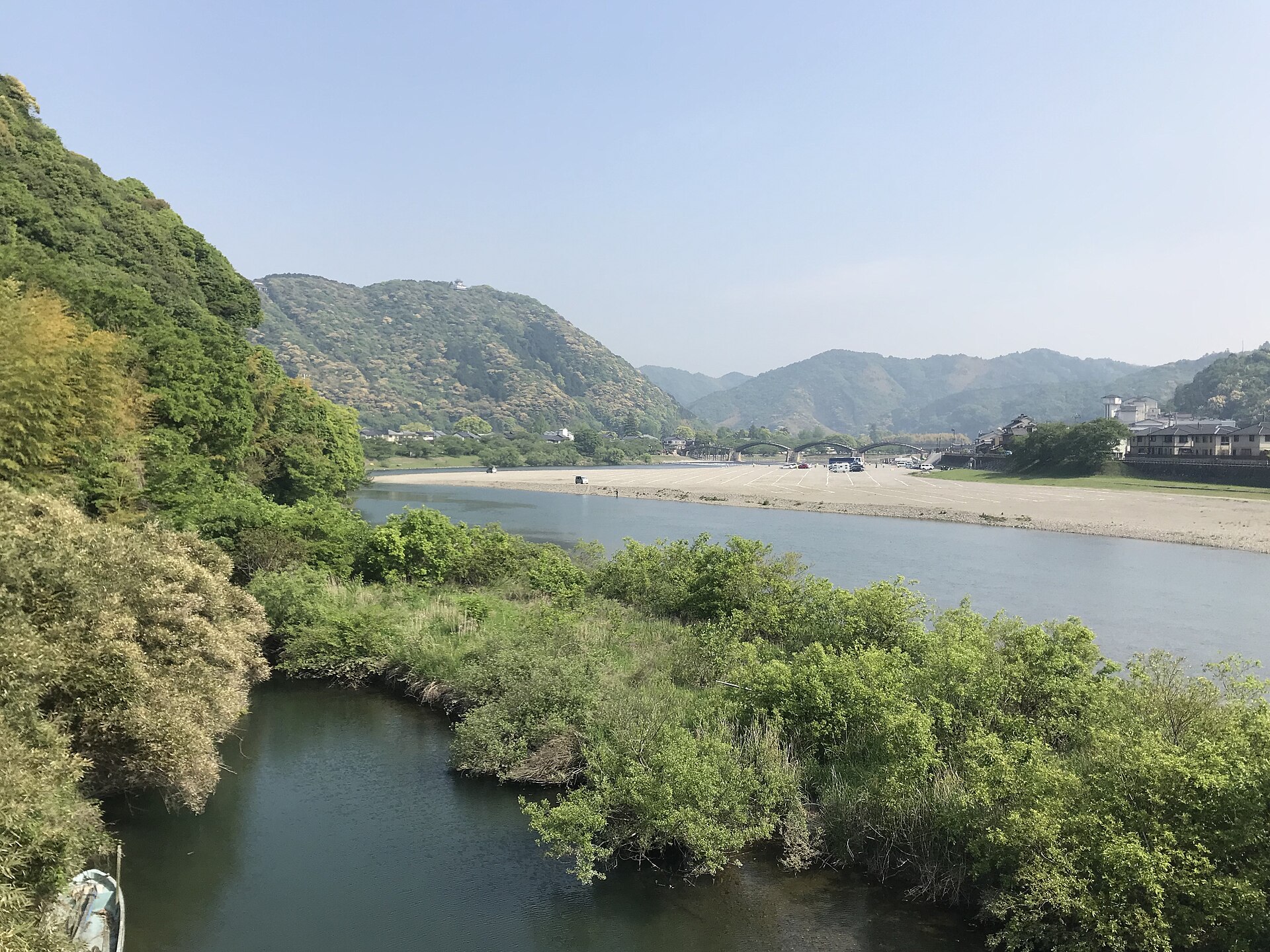
Five wooden arches over the Nishiki River at Iwakuni, with a castle keep on the ridge behind them. The bridge is a working piece of carpentry that has been renewed in rotation for three and a half centuries, and crossing it on foot is the whole experience.
- FromIwakuni Station
- ~35 minJR Gantoku Line, then a walk
- Get off atKawanishi Station (JR Gantoku Line)
- From there
- Kintaikyo Bridge
Where it is
13 more notes in Yamaguchi · open the map →What to look for — in walking order
- The riverbed below the archesgravel banks where the joints and the iron bands can be seen from underneath
- The crossing itselfstepped boards over each curve, on a deck about five metres wide
- Kikko Parkthe former samurai quarter on the castle bank, now lawns, water and old gates
- The castle ropewaya cable car from the park up the wooded ridge behind the bridge
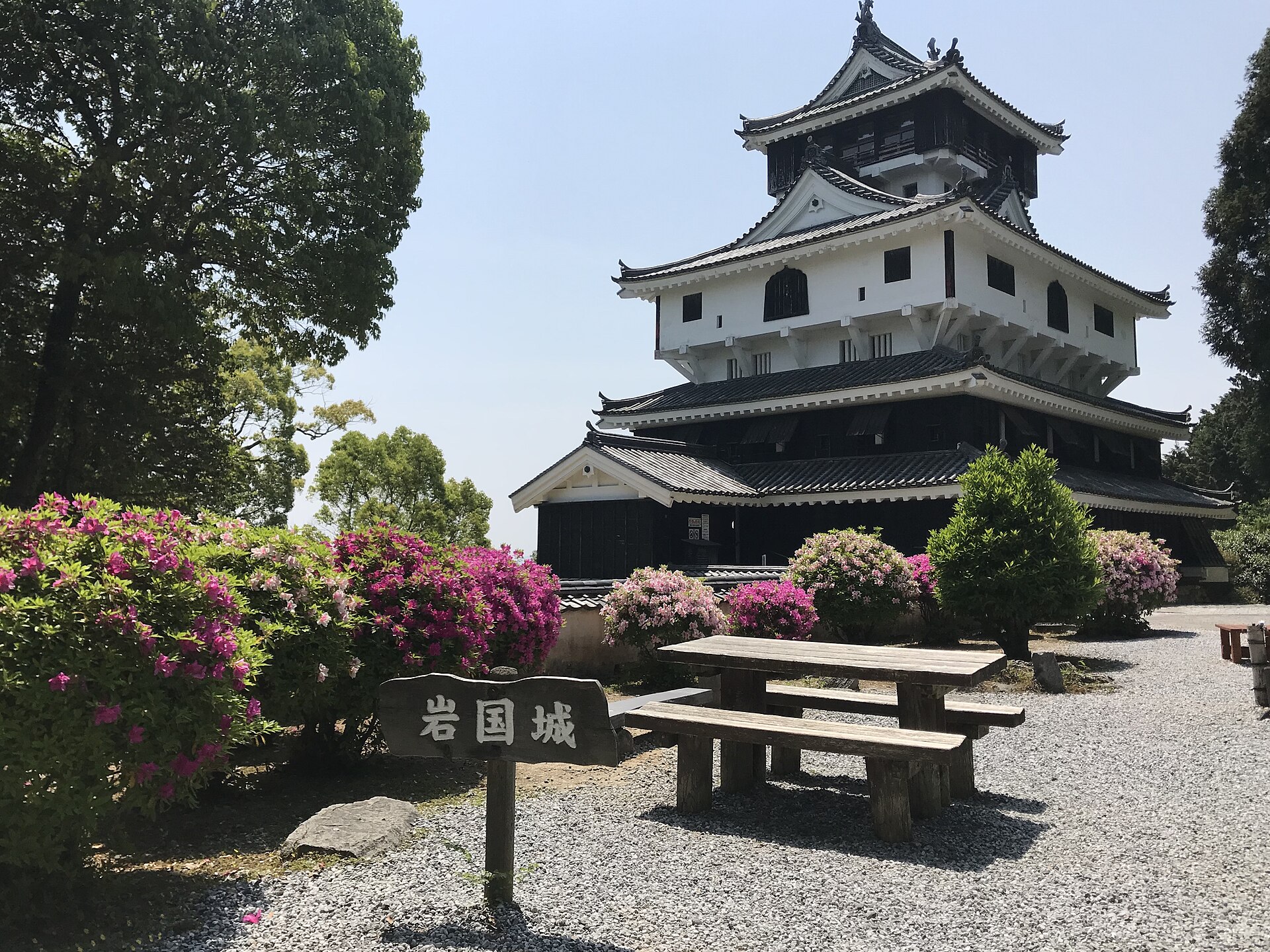
- Iwakuni Castle keepa rebuilt keep on the ridge, looking down on the five arches and the river bend
How to actually get there
- Iwakuni Station to Kawanishi Station (JR Gantoku Line, two stops).
- Kawanishi Station, then north along the west bank until the arches come into view.
- Cross to the town bank and walk back over the arches.
- Go up through Kikko Park to the ropeway and ride it to the castle keep.
- JR Gantoku Line from Iwakuni
- Iwakuni Station to Kawanishi Station on the JR Gantoku Line, two stops inland. Trains on this branch are infrequent, so read the return times before you leave the platform.
- Return from Kawanishi Station
- Walk back down the west bank to Kawanishi Station for trains toward Iwakuni, where the San'yo Line and the Shinkansen connections are. Services thin out through the evening, so fix your return before you start up the castle hill.
About the place
Five wooden arches step across the Nishiki River, rising and falling so that the walking surface is longer than the bridge. The span measures 193.3 metres, while the deck, following every curve, runs to about 210 metres. Each arch is assembled from short timbers cut into interlocking joints and then bound with iron bands and clamps. Sections are replaced in rotation, a cycle the domain's bridge carpenters kept going through the Edo period and one the city has continued. The castle hill rises directly behind, so the bridge and the keep are almost always seen in the same frame.
How to enjoy it
Allow a couple of hours if you mean to go up to the keep, because the ropeway and the walk at the top add more than the map suggests. The arches carry steps, not a slope, so the crossing is slower than its length implies and awkward with wheeled luggage. Summer brings cormorant fishing on the water below the bridge, and autumn turns the natural woodland on the castle hill.
Background & history
Kikkawa Hiroyoshi, third lord of Iwakuni, had the bridge built in 1673, and the river carried it away almost immediately. The version rebuilt in 1674 stood until a typhoon flood in September 1950 took it down. Public pressure brought it back in timber rather than concrete, and the present bridge was completed in 1953. It is designated a national scenic beauty.
Before you go
- Cash
- There is a toll to cross the bridge, paid at booths at either end, and combined tickets covering the bridge, the ropeway and the castle keep are sold at the same counters.
- Before you go
- The arches are stepped rather than ramped, so the crossing is not step-free and the boards are slippery in rain. The Nishiki River runs high after heavy weather, and the gravel riverbed under the arches is no place to be when it does.
- Another way
- Buses signed for Kintaikyo run from the forecourt of Iwakuni Station and from Nishi-Iwakuni Station, setting down at the Kintaikyo stop. By car it is a short run from the Iwakuni interchange of the San'yo Expressway.
- After you get off
- From Kawanishi Station the bridge lies about 1.2 km north along the west bank of the Nishiki River, roughly fifteen minutes on foot, with the arches in view for the last part of it.