Kyoto · Near Kyoto StationNo.244★★★Open in map →
Nishi Hongan-ji Temple
The head temple of Jodo Shinshu Buddhism and a UNESCO World Heritage Site, a 15-minute walk north of Kyoto Station. Free to enter, open from 5:30 in the morning, with a pair of National Treasure buildings that rank among the finest surviving examples of Momoyama architecture.
- FromKyoto Stn
- ~15 minwalk 15 min
- Get off atNishi-Hongwanji-mae (City Bus)
- On foot
- Nishi Hongan-ji Temple
Where it is
90 more notes in Kyoto · open the map →What to look for — in walking order
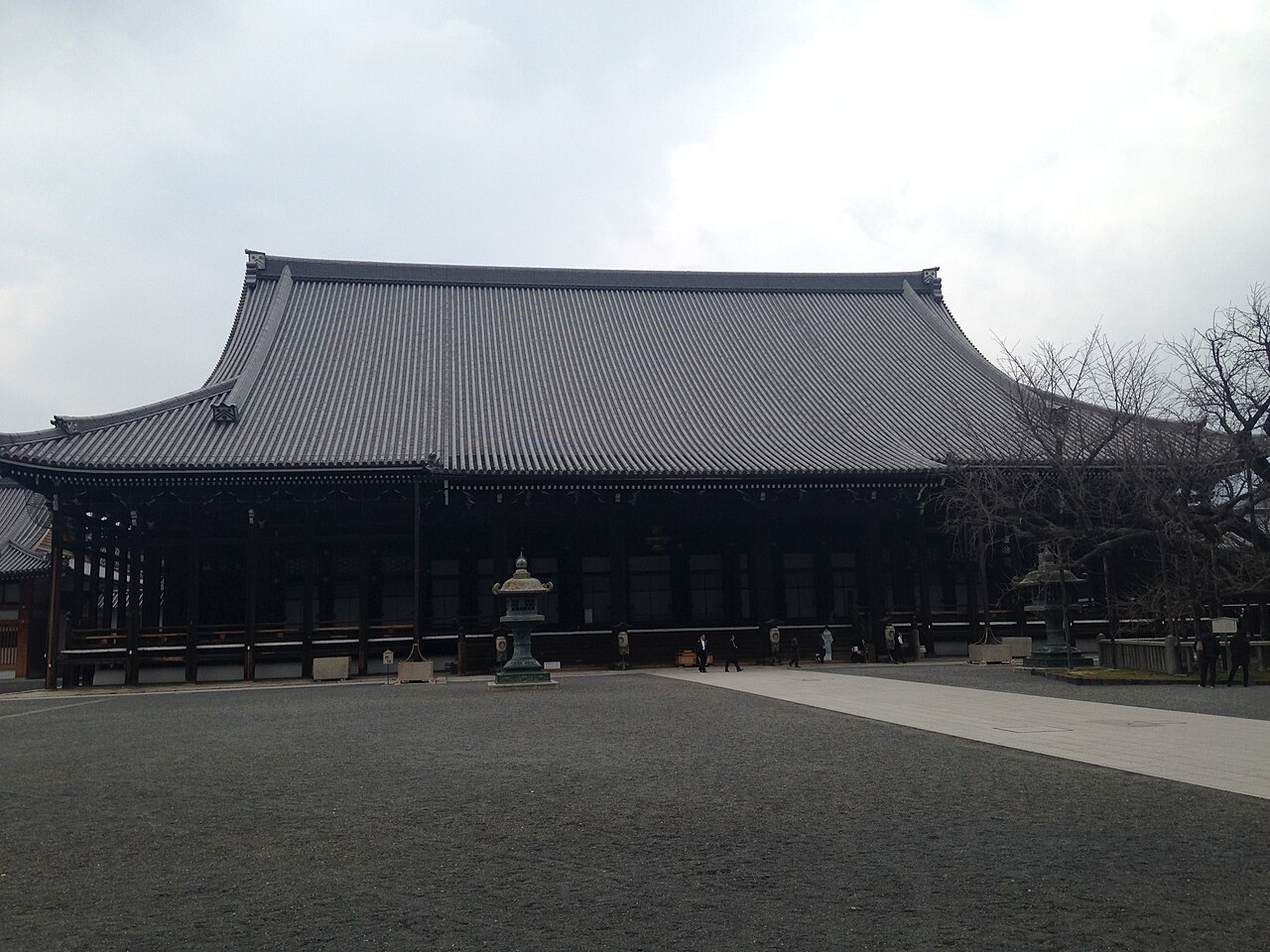
- Goei-do (Founder's Hall)the larger of the two main halls; a National Treasure of monumental scale
- Amida-do (Amida Hall)the companion hall, also a National Treasure, enshrining the Amida Buddha
- Karamon Gatea National Treasure gate with extraordinarily dense carved decoration
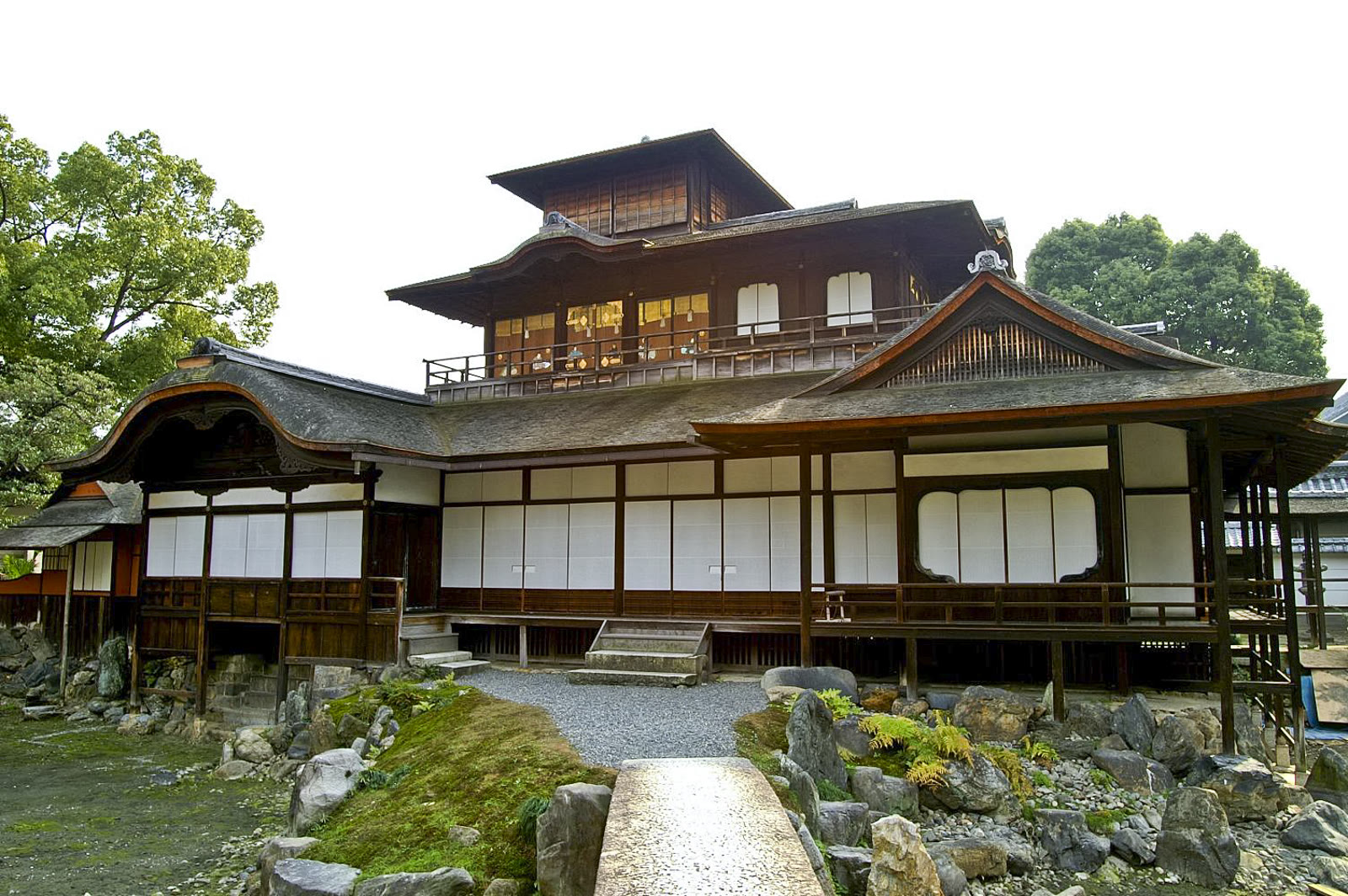
- Hiunkaku Paviliona three-storey pavilion over a garden pond, counted among Kyoto's three great pavilions; normally not open to the public
How to actually get there
- Kyoto Station Hachijo Exit → walk north on Aburanokoji-dori for about 10 min.
- Turn left at Hanayacho-dori → main gate is on the right. Total walk ~15 min.
- Through the gate → Goei-do courtyard → Amida-do → south garden (Hiunkaku).
- Walk north from Kyoto Station Hachijo Exit
- Kyoto Station Hachijo Exit (north side) → walk north on Aburanokoji-dori for about 10 minutes → turn left (west) at Hanayacho-dori → the main temple gate is on the right. About 15 minutes on foot in total.
- Walk or bus back to Kyoto Station
- Walk south-east about 1 km back to Kyoto Station, or take City Bus line 9, 28 or 75 from the Nishi-Hongwanji-mae stop to Kyoto Station (a few minutes).
About the place
Nishi Hongan-ji occupies a whole block of central Kyoto, a short walk from the Hachijo Exit of Kyoto Station. Two monumental halls face each other across a wide stone courtyard: the Goei-do, built in 1636 and one of the largest wooden buildings in Japan, and the Amida-do beside it. Beyond the courtyard, in the southern garden, the three-storey Hiunkaku pavilion stands over a pond — asymmetrical and remarkable, built at an angle that makes it look different from every direction. The whole complex dates to the height of the Momoyama period and is unrestored to that degree; the carved and gilded decoration is some of the richest of the era.
How to enjoy it
The main precinct is free and opens at 5:30 (5:30 from May to August; check hongwanji.kyoto for current seasonal hours). Morning is a calm time to visit: the daily morning service in the Amidado begins around 6:00. The Hiunkaku pavilion interior is open only during special events; check the temple's event calendar. Shoin (the palace-style halls with painted fusuma panels) has limited special opening periods.
Background & history
Nishi Hongan-ji's roots go back to a mausoleum built in 1272 by Shinran, the founder of Jodo Shinshu Buddhism, and the sect grew into one of Japan's largest. The temple at its current site dates from 1591, when the warlord Toyotomi Hideyoshi granted this land to the sect. The Goeido (founder's hall) and the Amidado (Amida hall) are National Treasures. The Hiunkaku pavilion, a three-storey structure reflected in a pond in the southern garden, is counted as one of the three great pavilions of Kyoto alongside the Golden and Silver Pavilions, though it is normally closed to the public. The temple was designated a UNESCO World Heritage Site in 1994.
Before you go
- Cash
- Entry to the main precinct is free. IC cards work on the bus. Some special interior openings have a separate admission.
- Before you go
- The Hiunkaku pavilion and Shoin (palatial rooms) are not open on regular days; check the temple's event calendar at hongwanji.kyoto for special openings.
- Another way
- Higashi Hongan-ji (East Hongan-ji), the related sister temple, is a few minutes' walk north of Kyoto Station and is also free; its main hall is one of the largest wooden buildings in the world.
- After you get off
- The bus stop Nishi-Hongwanji-mae is right in front of the temple's main gate. From Kyoto Station it is about 1 km on foot to the north-west.