West Tottori · DaisenNo.822★★★Open in map →
Mount Daisen
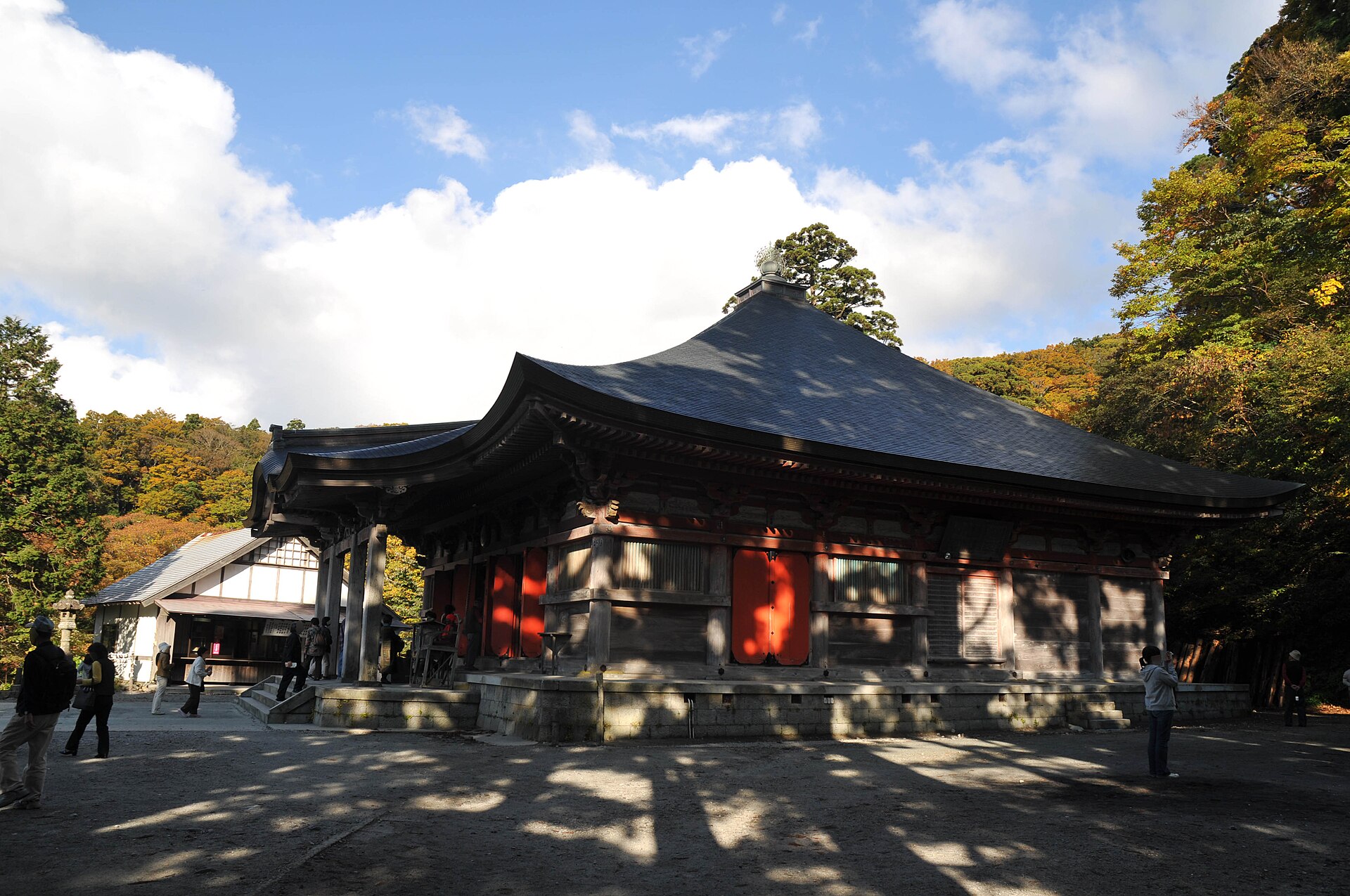
The highest peak in the Chūgoku region, rising by itself above the San'in coast. The way in is Daisenji, a Tendai temple town on the northern flank, where a long approach of natural stone climbs through the forest to a shrine set among the trees.
- FromYonago Station
- ~50 minJR San'in Line, then mountain bus
- Get off atDaisenguchi Station (JR San'in Line)
- From there
- Mount Daisen
Where it is
10 more notes in Tottori · open the map →What to look for — in walking order
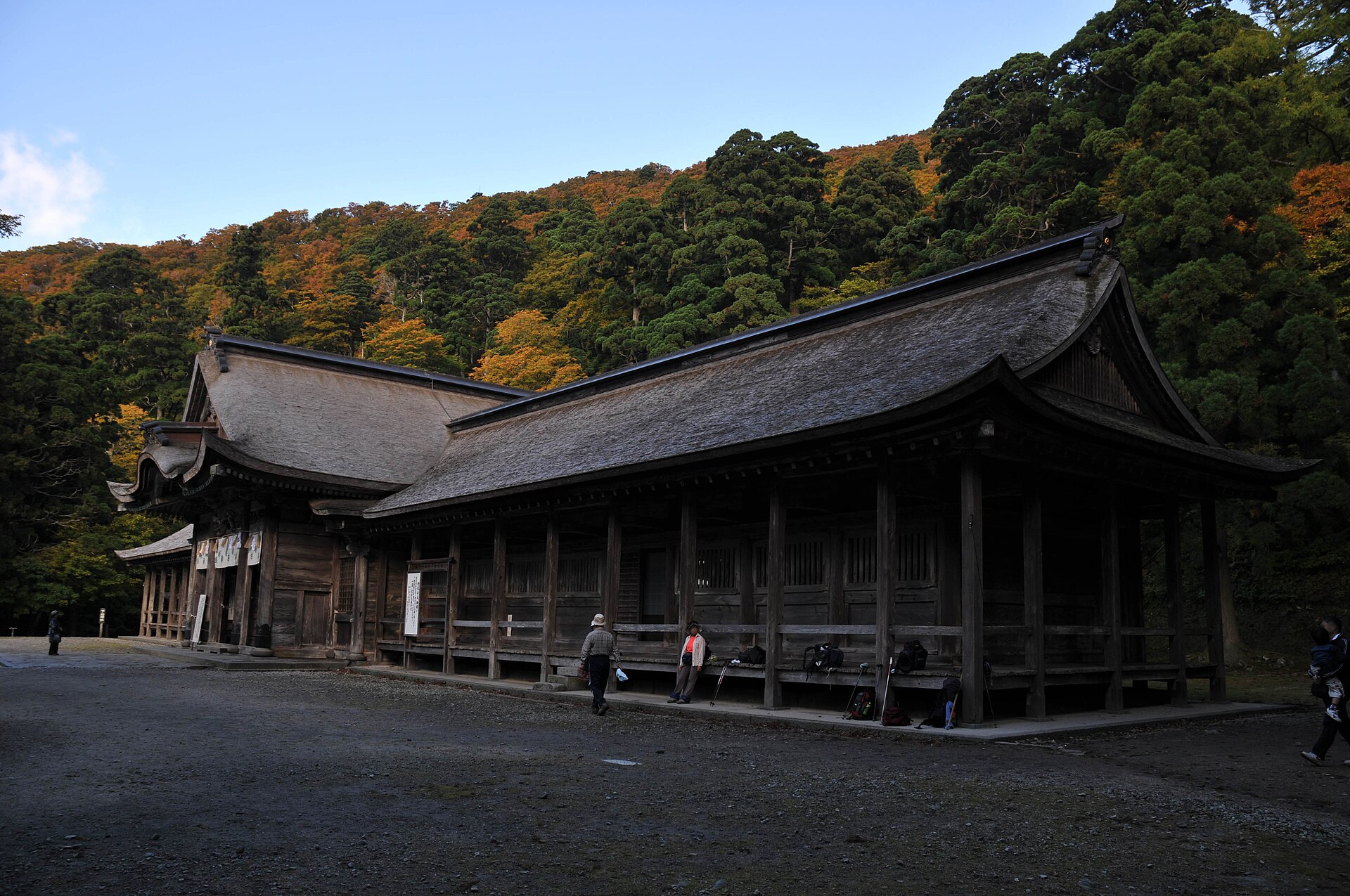
- Amida-dōa nationally designated Important Cultural Property, set apart from the main precinct
- Daisenji Main Hallthe Tendai main hall at the head of the temple steps, rebuilt after the Shōwa fires
- The stone approachroughly 700 metres of natural stone paving, called the longest of its kind in Japan
- Ōgamiyama-jinja Okumiyathe shrine at the top of the approach, an Important Cultural Property in its own right
How to actually get there
- Yonago Station → Daisenguchi Station (JR San'in Line local, down the coast).
- Daisenguchi Station → Daisenji bus stop (Nihon Kotsu bus, climbing the northern flank).
- Daisenji bus stop → Daisenji Main Hall, up through the temple town and its steps.
- Main Hall → Ōgamiyama-jinja Okumiya, along about 700 metres of stone approach.
- San'in Line to Daisenguchi, then the mountain bus
- Take a San'in Line local from Yonago down the coast to Daisenguchi, the station below the mountain, then the Nihon Kotsu bus that climbs to the Daisenji stop. Services up the mountain are thin — a handful of round trips a day — so read the bus timetable before you commit to a train.
- Down the mountain and back to Yonago
- The same bus runs back down to the coast, and the last departure from Daisenji is early by city standards. The direct Yonago service is the fallback if the connection does not work. Either way, settle your return before you start up the stone approach, because the walk back down takes longer than the walk up suggests.
About the place
Daisen stands alone at the western end of the San'in coast, with no ridge tying it to anything else, which is why it reads as a cone from the plain and picked up the name Hōki Fuji. The summit ridge has broken down over time: the true high point, Kenugamine, is higher still, but the peak walkers actually reach is Misen at 1,709 metres. Below the treeline the mountain carries beech forest, and the whole massif sits inside Daisen-Oki National Park. The temple town of Daisenji is on the northern flank, at the point where the road stops and the stone begins.
How to enjoy it
Give the temple town half a day rather than an hour. The stone approach is the part people underestimate: it is uneven natural rock the whole way and it climbs, so footwear matters more than the clock. The paid buildings keep daytime hours and change them with the season, while the approach and the shrine at the top of it are open ground. If you are also climbing Misen, the trailhead leaves from the same street — treat that as a separate day.
Background & history
Daisenji was founded in the Yōrō era of the Nara period and grew into one of the great Tendai mountain establishments of western Japan. The Meiji separation of Buddhism and Shinto stripped it — the temple name was abolished and its lands were taken — and of the many sub-temples that once filled the slope, ten remain. Fires in the Shōwa era took most of what survived, and the main hall standing today was rebuilt after them. The mountain and its forest were designated as a national park on 1 February 1936.
Before you go
- Cash
- The temple's main hall and treasure house charge admission together; the stone approach and the shrine at its head are open. The temple town is small and geared to walkers rather than shoppers, so carry cash for the mountain rather than assuming you can top up at the top.
- Before you go
- The paid buildings keep seasonal hours and are not open year-round on the same schedule. This is snow country in winter, when the bus timetable thins further and the stone approach ices over. The paving is natural rock throughout — uneven, and slick after rain.
- Another way
- Nihon Kotsu also runs a direct bus from Yonago Station up the Hongū Daisen line to Daisenji, which skips the change at Daisenguchi entirely. From Yonago Kitarō Airport, a hire car or a taxi reaches the temple town without going through Yonago at all.
- After you get off
- Daisenguchi is a small station on the coast, and there is no walking route from here to the temple — the climb is the bus's job. The mountain bus leaves from outside the building. Check the return board before you board, because the station has little to wait in.