San'in · ChizuNo.594★Open in map →
Itaibara Village
— Japan's first prefecture-designated village district
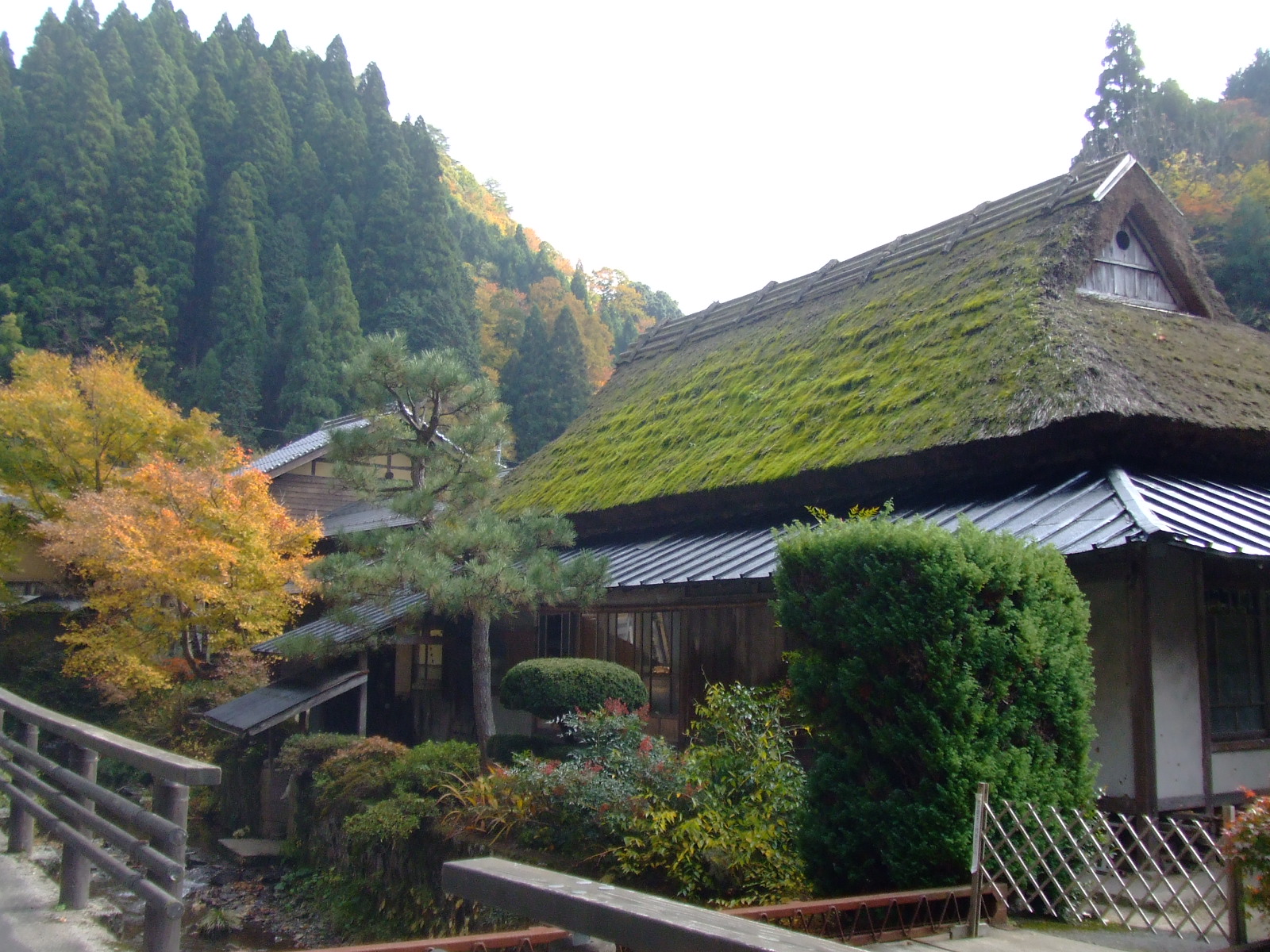
A hamlet of timber and thatch in a side valley above Chizu, kept much as it stood between the Edo period and early Showa. It was the first preservation district in Japan chosen by a prefecture rather than by a town.
- FromChizu Station (JR Inbi Line / Chizu Express)
- ~10 minTaxi from Chizu, about 10 min
- Itaibara Village
The sweet spot
Itaibara is documented and signposted. The prefecture chose it, and the town's tourism association sends visitors up. What is easy to get wrong is what you are walking into: these are private houses, and the prefecture's own record states that the interiors are closed. The village is meant to be read from the lane, which is also the honest way to read it.
Where it is
10 more notes in Tottori · open the map →What to look for — in walking order
- The Itaibara tunnelthe bore under the pass that first let cars into the valley
- The Itaibara public hallan early-Showa timber building standing at the centre of the hamlet
- The thatched Fujiwara housea kayabuki roof among the tiled ones on the lane
- The lane through Itaibarathe one street the houses are arranged along, beside the stream
- Mukaiyama Shrinethe village shrine on the slope above the roofs
How to actually get there
- Chizu Station to Itaibara, about 10 minutes by taxi or car up the valley road northeast of town.
- The road passes under the ridge through the tunnel, and the hamlet begins on the far side.
- Leave the car at the edge and walk in, because the lane is narrow and the houses are lived in.
- Follow the lane to the public hall and the thatched house, then take the slope up to the shrine before turning back.
- Taxi or car from Chizu Station
- Chizu Station to Itaibara, about 10 minutes up the valley road northeast of the town centre. Chizu is a junction of the JR Inbi Line and the Chizu Express line, and every Super Hakuto limited express between Osaka and Tottori calls there, so the Kansai side reaches the station in one train.
- Return to Chizu Station
- The same road back down. No scheduled bus serves the hamlet itself, so agree the return with your driver before you are dropped off, or keep the number of a Chizu taxi firm to hand.
About the place
Itaibara sits in a side valley northeast of Chizu, closed in by cedar. Farming and charcoal burning carried it through the Edo period, and silk-raising through the Meiji years. Then the road arrived: a tunnel was driven under the pass, cars reached the valley for the first time, and the population thinned quickly. What stands now is a village that largely stopped being rebuilt. Houses from the Edo period through early Showa survive side by side at a density the prefecture singled out when it chose the place, strung along one lane beside the stream. The houses are private homes. The lane between them is not.
How to enjoy it
Come in daylight and walk rather than drive through, because the lane is the exhibit. The visit is an outdoor one by design: the prefecture's record is explicit that interiors are closed, so what you are looking at is roofs, walls, the stream and the path up to the shrine. Autumn colour running down the valley sides is what the prefectural tourism guide sends people here for.
Background & history
The valley carries a Heike legend, of warriors defeated in the twelfth century hiding upstream, but its documented life is agricultural: charcoal burning and farming under the Edo shogunate, then sericulture through the Meiji era. Walking was the only way in until the tunnel opened in 1967, and that is the hinge the whole village turns on. In 2004 Tottori designated Itaibara a preservation district for groups of traditional buildings, the first anywhere in Japan chosen by a prefecture rather than by a municipality.
Before you go
- Cash
- The lane is public and free to walk. The houses are private, and the prefecture's cultural-property record states that their interiors are not open. Treat the valley as somewhere people live rather than a site with facilities.
- Before you go
- Snow is heavy in this part of Tottori and the access is a mountain road, so winter can shut the day down entirely. Plan on daylight in any season.
- Another way
- By car it is about 15 minutes from the Chizu interchange on the Tottori Expressway.
- After you get off
- Chizu Station is the last rail point. The valley road runs northeast from the town centre and climbs through the tunnel under the ridge; the hamlet lies just beyond it, and the walking starts where the lane narrows.