San'in · KurayoshiNo.602★★Open in map →
Kurayoshi White-Walled Storehouses
— A preserved San'in merchant town on a canal
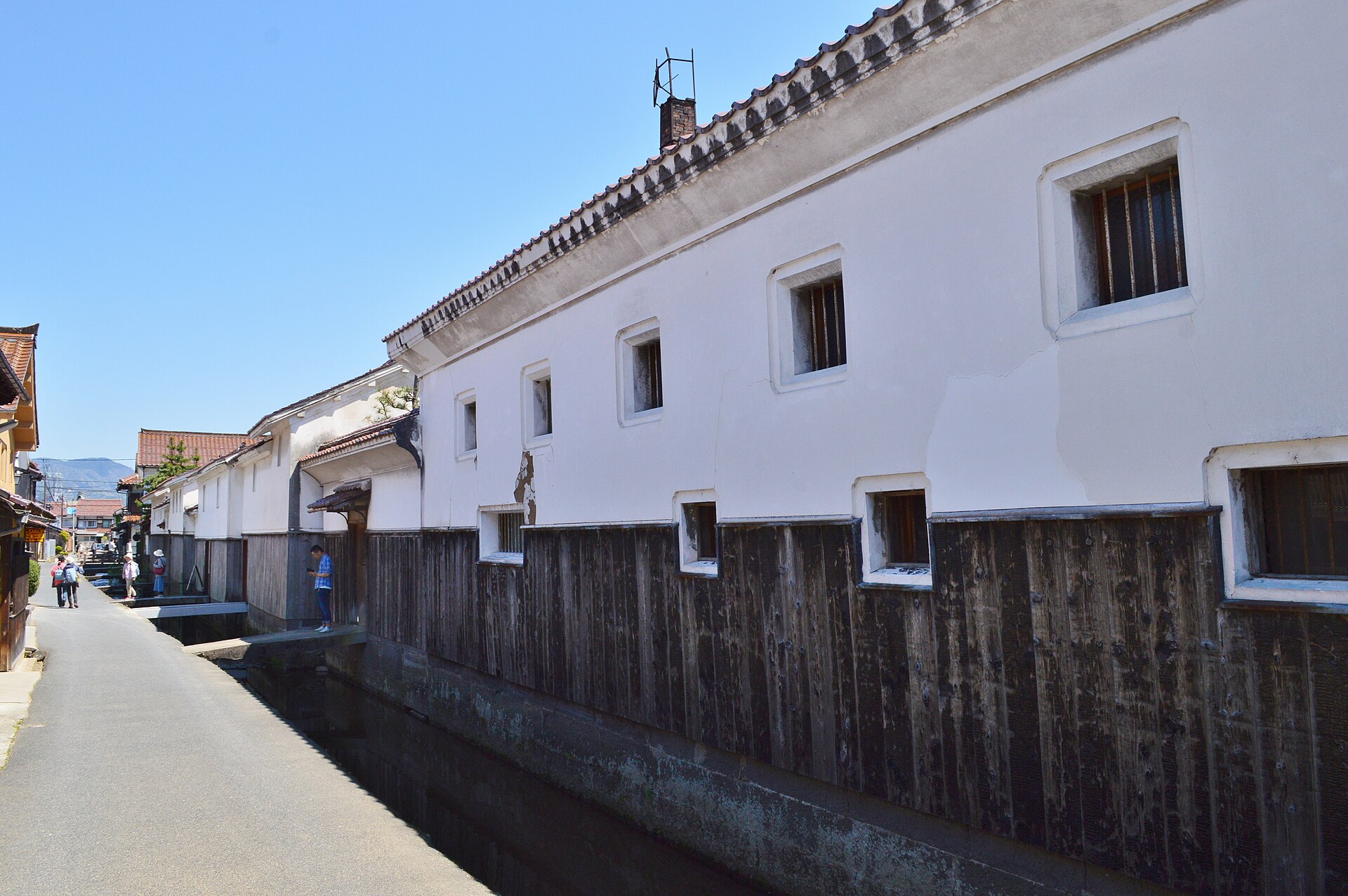
A merchant quarter in central Tottori where white-plastered storehouses line a narrow canal and red-tiled shop fronts line the street behind them. Same buildings, two faces, which is why the walk is worth doing in both directions.
- FromKurayoshi Station
- ~12 minTown bus, about 12 min
- Get off atAkagawara-Shirakabe Dozo stop (Hinomaru and Nihon Kotsu buses)
- From there
- Kurayoshi White-Walled Storehouses
The sweet spot
This is not a hidden place. It is the townscape Tottori puts on its posters, with a tourist desk, car parks and shops inside the storehouses. What is worth knowing is structural rather than secret: the canal lane and the shop street are the same row of buildings seen from opposite sides, so walking only one of them shows you half a town.
Where it is
10 more notes in Tottori · open the map →What to look for — in walking order
- Akagawara Building No. 1the first of the numbered storehouses given over to shops, crafts and a gallery
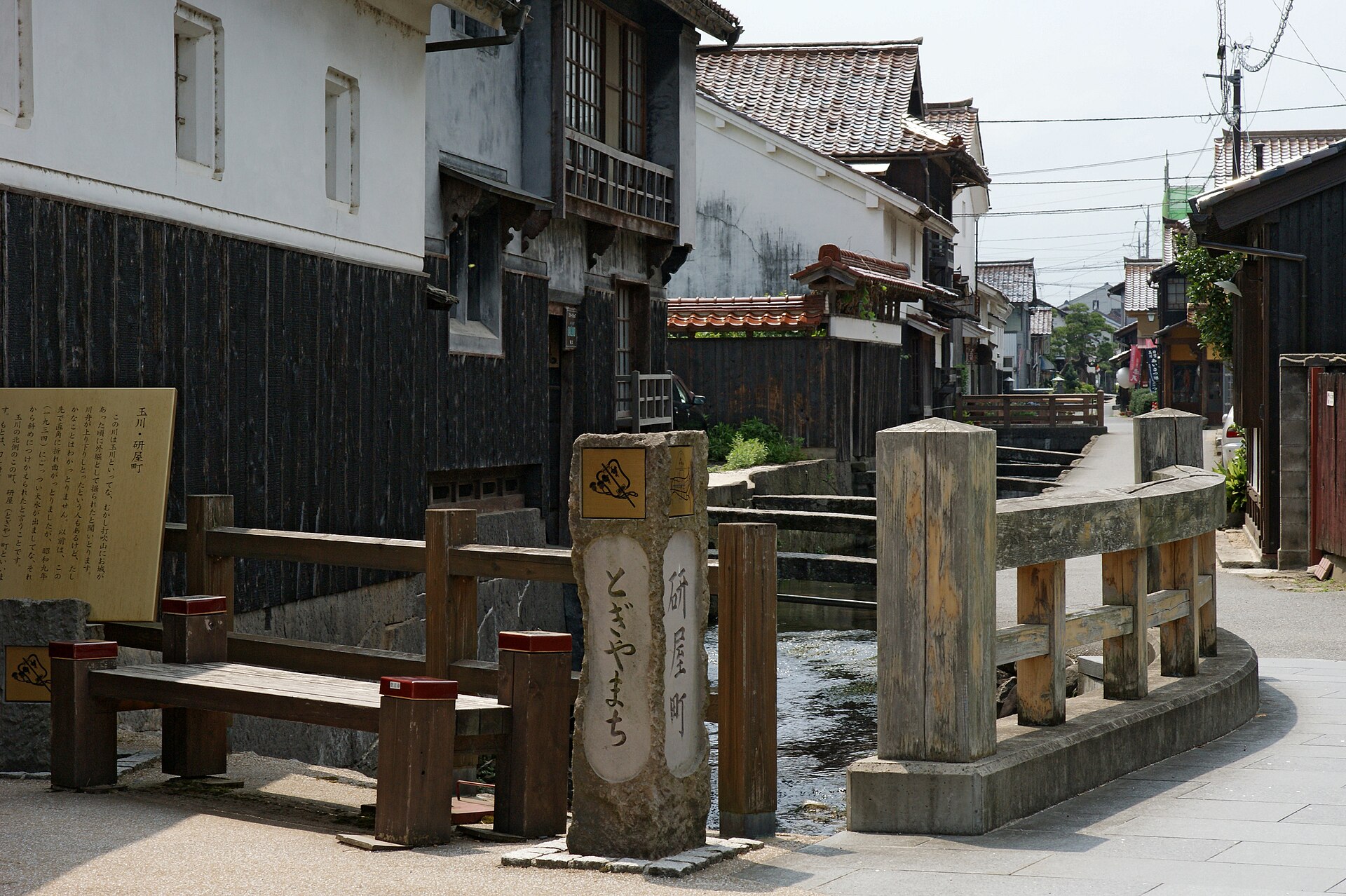
- The Tamagawa channela single slab of stone laid across the water at each storehouse door
- The Toyoda housea registered tangible cultural property standing on the merchant street
- Honmachi-dorithe front street of merchant houses under red Sekishu roof tiles
- Utsubuki Parkthe wooded park at the foot of the old castle hill, where the district ends
How to actually get there
- Kurayoshi Station to Akagawara-Shirakabe Dozo, about 12 minutes on a Hinomaru or Nihon Kotsu town bus.
- From the stop, walk south into the district and drop down to the Tamagawa lane behind the shop fronts.
- Follow the channel past the stone bridges to the tourist desk in Akagawara Building No. 10, then cut through to Honmachi-dori.
- Walk the street back north to the stop, or carry on south to Utsubuki Park.
- Bus from Kurayoshi Station
- Kurayoshi Station to Akagawara-Shirakabe Dozo, about 12 minutes on the town buses run by Hinomaru and Nihon Kotsu. Several town routes call at the stop, including the Shinai, Park Square and Hirose services.
- Return to Kurayoshi Station
- The same stop on the northern edge of the district, or Shirakabe Dozo Gun Mae at the southern end by the city hall. Both are on town routes back to the station. Check the departure before you settle into a shop, because these are local services rather than a shuttle.
About the place
Kurayoshi made its money on cotton and on inakoki senba, the toothed iron combs farmers used to thresh rice. The trade ran from the early Edo years into the Taisho era, and the money went into merchant houses along Honmachi-dori and into storehouses behind them. The backs of those storehouses stand in the Tamagawa, a channel barely wider than a doorway. A 9.2-hectare piece of the town is now a national preservation district, one of 129 in Japan. What repays the walk is that the buildings present two faces: red Sekishu tiles and shop entrances on the street side, white plaster over charred boards on the water side.
How to enjoy it
Start on the water side while the light is still on the plaster, then cut through to Honmachi-dori and come back along the shop fronts. The lanes never close; the storehouses do, on shop hours and their own rest days, so an afternoon that ends outdoors loses nothing. Drivers arrive at the southern end by the city hall and simply walk the loop the other way round.
Background & history
A castle stood on Mount Utsubuki in medieval times and a town grew at its foot. The castle was abolished early in the Edo period, and Kurayoshi was governed instead from a jin'ya held by the Arao, chief retainers of the Ikeda lords of Tottori. It became an administrative town rather than a military one, and a trading town above all: cotton, cloth and iron farm tools carried it through. In 1998 the Tamagawa and Honmachi blocks were selected as an Important Preservation District for Groups of Traditional Buildings.
Before you go
- Cash
- The lanes, the channel and the bridges are public and free to walk. The numbered storehouses are shops, workshops and small museums with their own hours and, where they charge, their own admission. Free municipal tourist car parks stand around the district, with one paid car park as well.
- Before you go
- The townscape is outdoors and open at any hour. What closes is the inside of the storehouses, which keep shop hours and their own rest days. This is snow country in winter, and the channel is unfenced, with stone slabs that turn slick after rain.
- Another way
- By car it is roughly 40 minutes from the Yubara or Hiruzen interchange on the Yonago Expressway.
- After you get off
- The bus sets you down at the northern edge of the quarter, a few minutes above the canal on foot. A second stop, Shirakabe Dozo Gun Mae, sits at the southern end by the city hall, so you can enter at one and leave from the other.