San'in · KurayoshiNo.458★★Open in map →
Tottori Nijisseiki Pear
— The green pear Tottori built a museum for
A green-skinned Japanese pear, crisp and heavy with juice, that has carried Tottori's name for more than a century. The place to meet it is a museum in Kurayoshi built around one full-grown pear tree, open all year rather than only in the picking season.
- FromKurayoshi Station
- ~10 minLocal bus, about 10 min
- Get off atPark Square bus stop (Nichinomaru / Nihon Kotsu bus)
- From there
- Tottori Nijisseiki Pear
The sweet spot
This is the prefecture's best-known product, not a hidden one. What is genuinely hard to do is see a pear tree without trespassing, and that is the gap the museum fills. It is also indoors and open in winter, which matters in a region where the fruit itself is gone by late autumn.
Where it is
10 more notes in Tottori · open the map →What to look for — in walking order
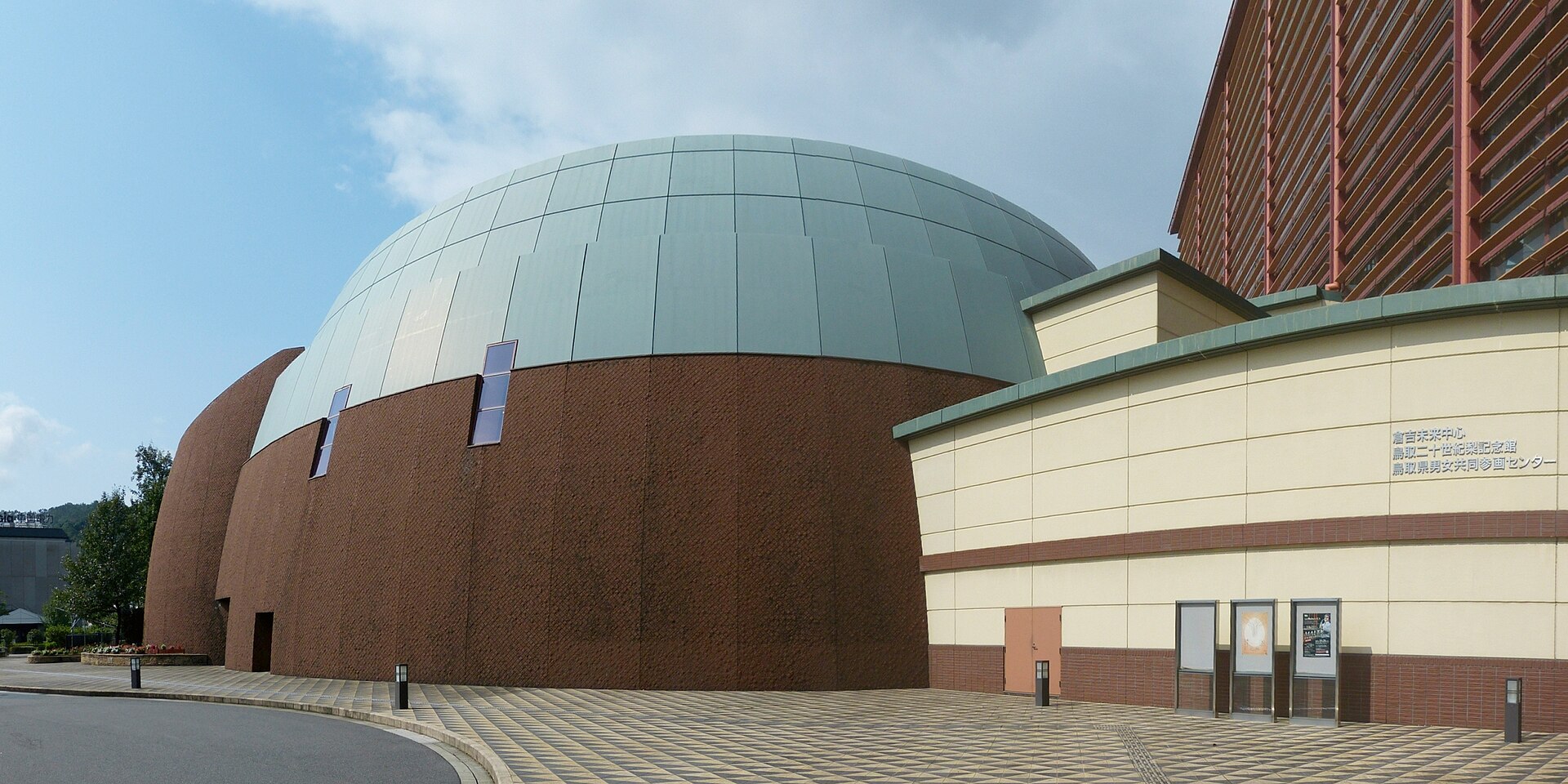
- Kurayoshi Park Squarethe public complex the museum stands in, with a concert hall and a very large free car park
- The giant Nijisseiki pear treea full-grown trellised tree kept indoors, its branches trained out across some 20 metres
- The story theatre and pear gardenthe ground-floor rooms tracing how one chance seedling became a prefecture's crop
- The Wonder Garden and exhibition roomthe upstairs floor on how pears grow, with a children's corner and a study room
- The parlour and shoppear soft-serve, pear sweets and the tasting counter, all inside the same building
How to actually get there
- Kurayoshi Station → Park Square (town bus from the south side of the station, about 10 minutes).
- Park Square → the museum entrance, a short walk across the complex.
- Inside: the giant pear tree first, then the story theatre and the pear garden on the ground floor.
- Finish upstairs at the Wonder Garden and the exhibition room, then the parlour for a pear soft-serve.
- Bus from Kurayoshi Station
- Kurayoshi Station → Park Square, about 10 minutes on the town bus from the station's south side. Kurayoshi is on the San'in main line and is also the terminus of the Super Hakuto limited express from Kyoto, Osaka and Himeji, so it is reachable in one seat from the Kansai side.
- Return from Park Square
- The same town bus back to Kurayoshi Station. Buses on this route are not frequent and the museum closes in the late afternoon, so check the return time on the way in. A taxi covers the same distance if the timing slips.
About the place
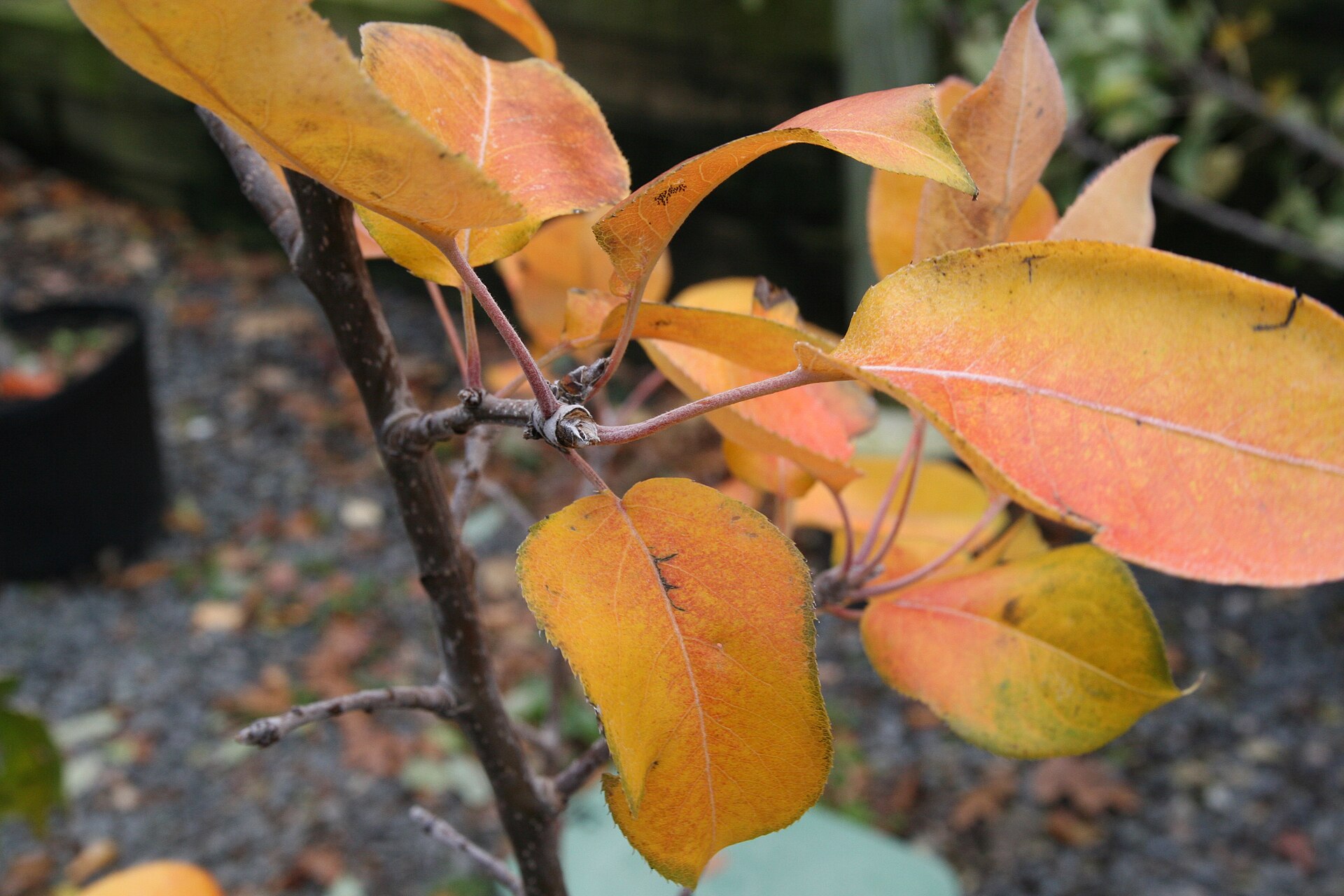
Nijisseiki is an aokashi, a green pear: the skin stays yellow-green when ripe, the flesh is loose-grained and wet, and the taste keeps its acidity instead of going purely sweet. Tottori did not create it but adopted it, and for most of a century the variety and the prefecture have been read as one word. That leaves a problem for anyone who wants to see where it comes from, because pears grow on private, trellised orchards that are nobody's tourist attraction. Kurayoshi's answer was to build a museum for a single fruit, put a full-grown pear tree inside it, and keep it open through the seasons when nothing is ripening.
How to enjoy it
Doors are open 9:00 to 17:00 with last admission at 16:40, and an unhurried visit runs about an hour. The tasting counter puts three varieties in front of you at once — Kosui, Nijisseiki and Shinsui — which is the fastest way to learn what green pear actually means, and it runs all year rather than only in the picking months. Nijisseiki itself is at its best in the field from late summer into September, so a visit in that window can be paired with the roadside stands selling it around the town.
Background & history
The variety began by accident. A seedling found in 1888 in Matsudo, Chiba, by Kakunosuke Matsudo turned out to bear a pale green pear unlike the russeted kinds then grown, and it was renamed for the century about to begin. In 1904 it was brought to Tottori, where the climate suited it and growers took it up in numbers large enough to reshape the prefecture's farming. The museum in Kurayoshi opened in 2001, run by the prefecture, to hold that history in one building — and to hold the tree that makes the point faster than any label.
Before you go
- Cash
- Admission is 300 yen for adults and 150 yen for primary and junior-high pupils, with a group rate. The parlour and the shop stand inside the same building. Parking is free.
- Before you go
- The museum closes on the first, third and fifth Monday of each month — the following non-holiday if that Monday is a public holiday — and from 29 December to 3 January. Last admission is 16:40. The tree is indoors, so weather does not affect the visit.
- Another way
- By car the site is roughly two hours from Okayama via the Yubara interchange and about three and a half hours from Osaka via the Hawai interchange, with a very large free car park shared with the rest of Kurayoshi Park Square.
- After you get off
- The bus sets you down inside Kurayoshi Park Square, a public complex the museum shares with a concert hall and open ground. The museum entrance is a short walk across the square from either the Park Square or the Park Square North stop.