Autumn
Chasing the red leaves
50 places for autumn — the editors' six first, then the rest by rating.
50 places
-
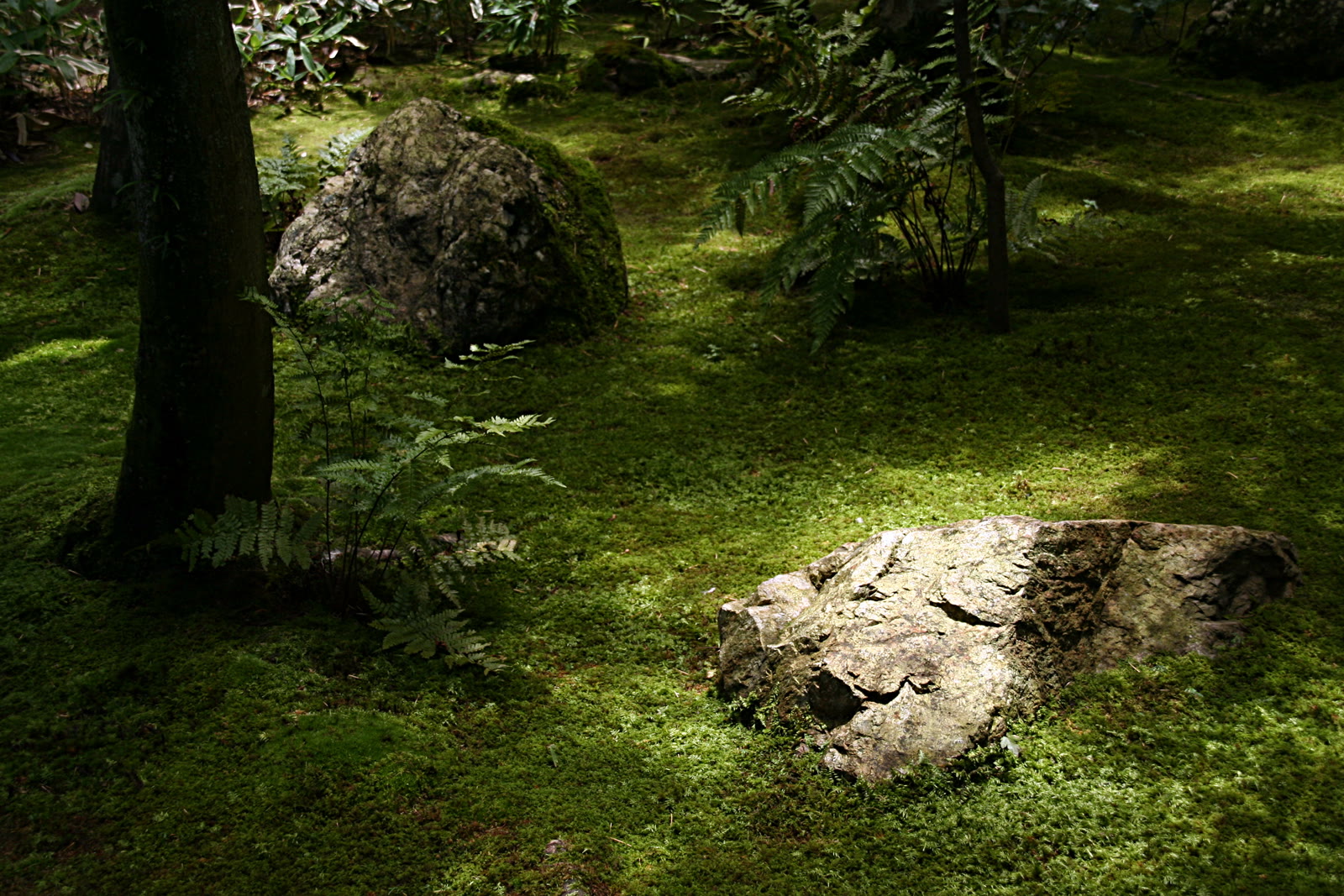
Daitoku-ji Temple
Kyoto's finest Zen dry-garden complex — 22 sub-temples behind one walled enclosure, four open year-round, the best karesansui in the city.
-
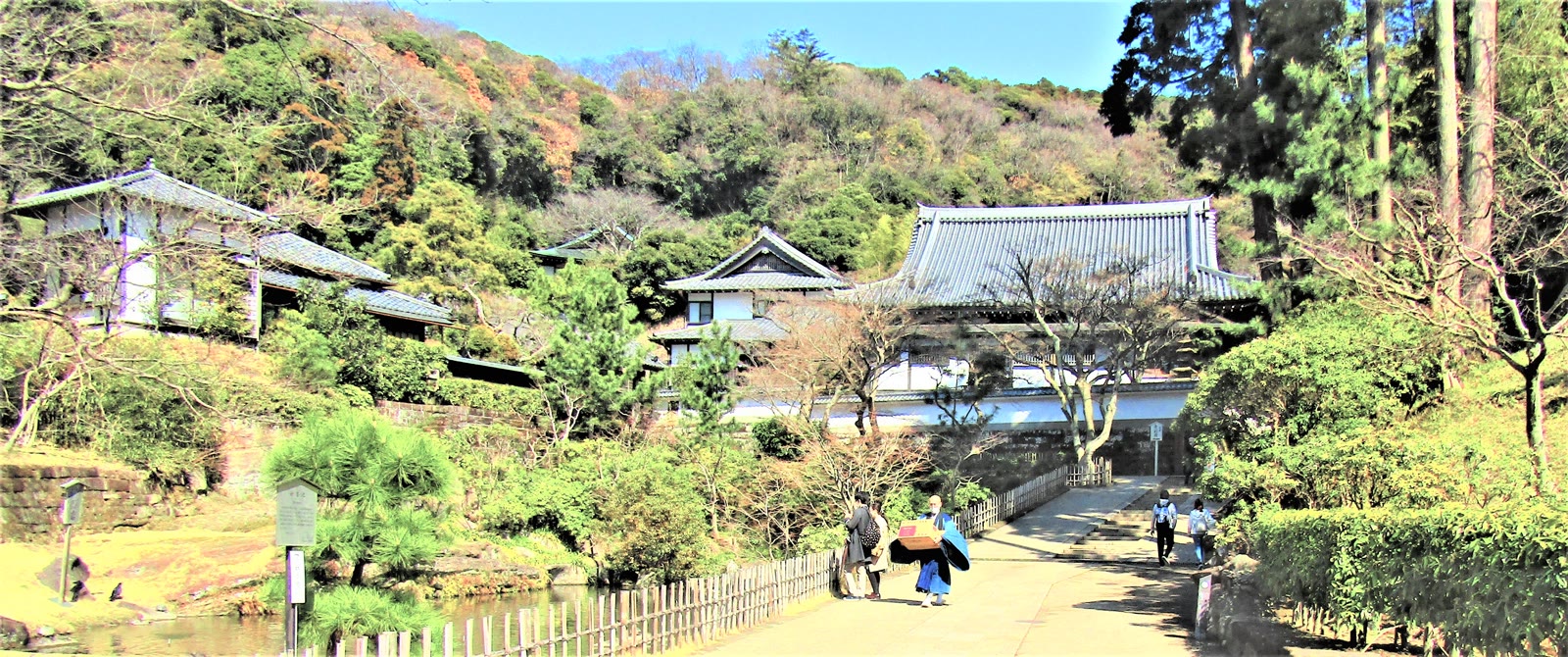
Engaku-ji — the Zen mountain temple of Kita-Kamakura
Kamakura's second Great Zen Mountain — walk straight from the station exit to one of Japan's finest medieval bronze bells.
-
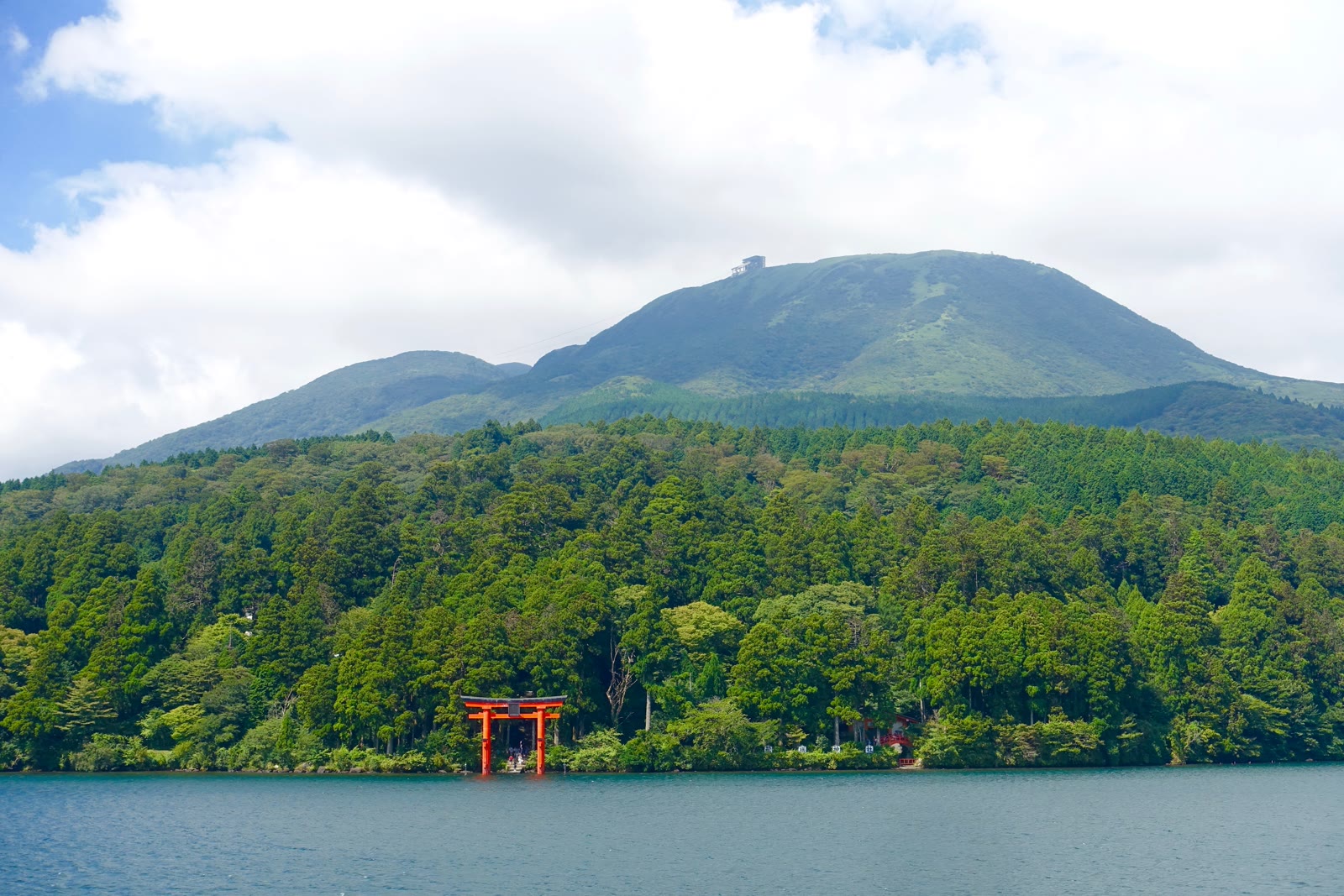
Hakone Shrine and the Peace Torii
Hakone's iconic lake torii, standing since 1952 — free entry, clear Fuji view on calm autumn mornings.
-
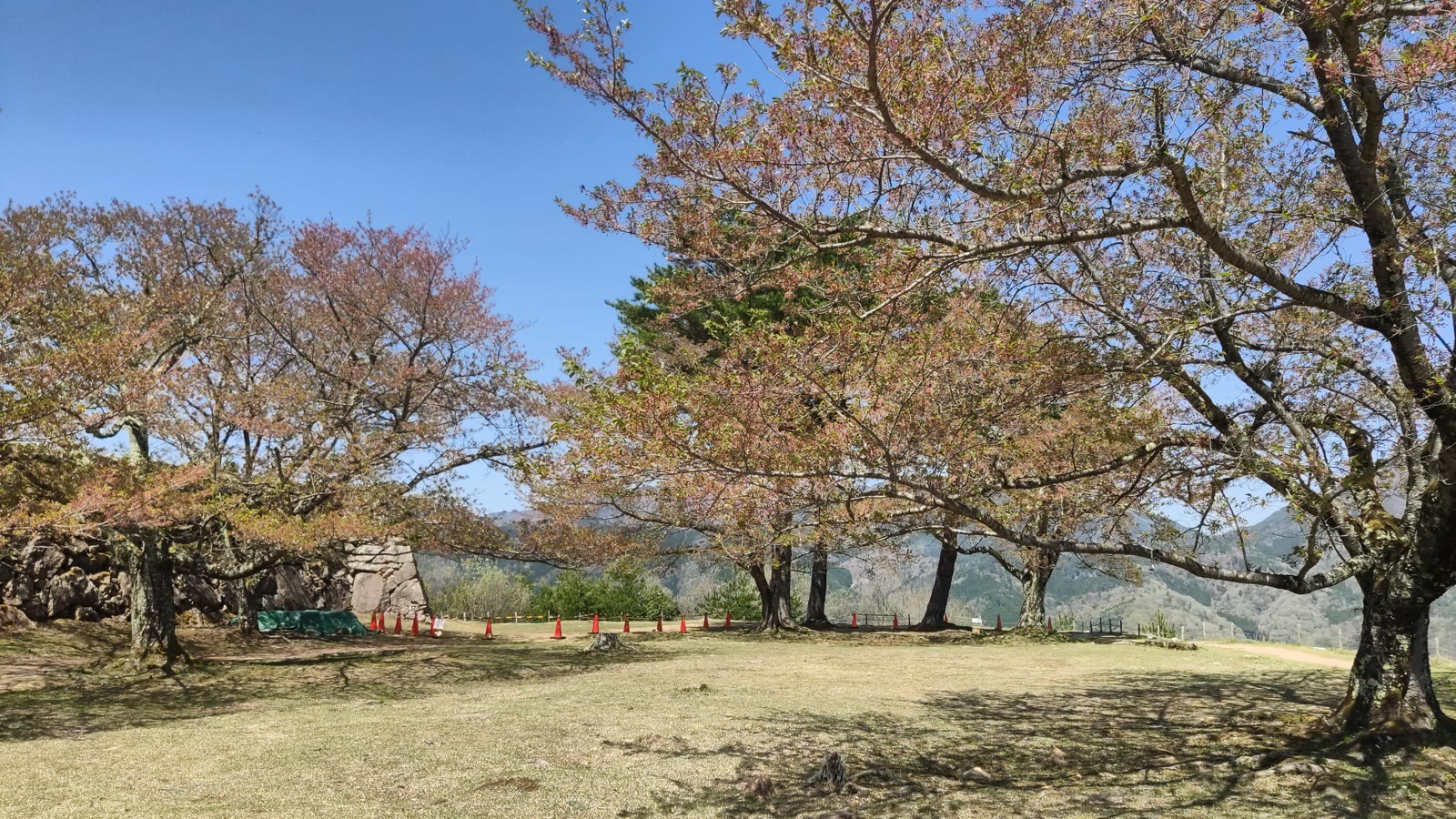
Takeda Castle Ruins
One of Japan's most dramatic castle ruins: a 353-metre hilltop, intact stone walls, and on autumn mornings, a valley of cloud below. Allow ~2.5 hours from Osaka each way.
-
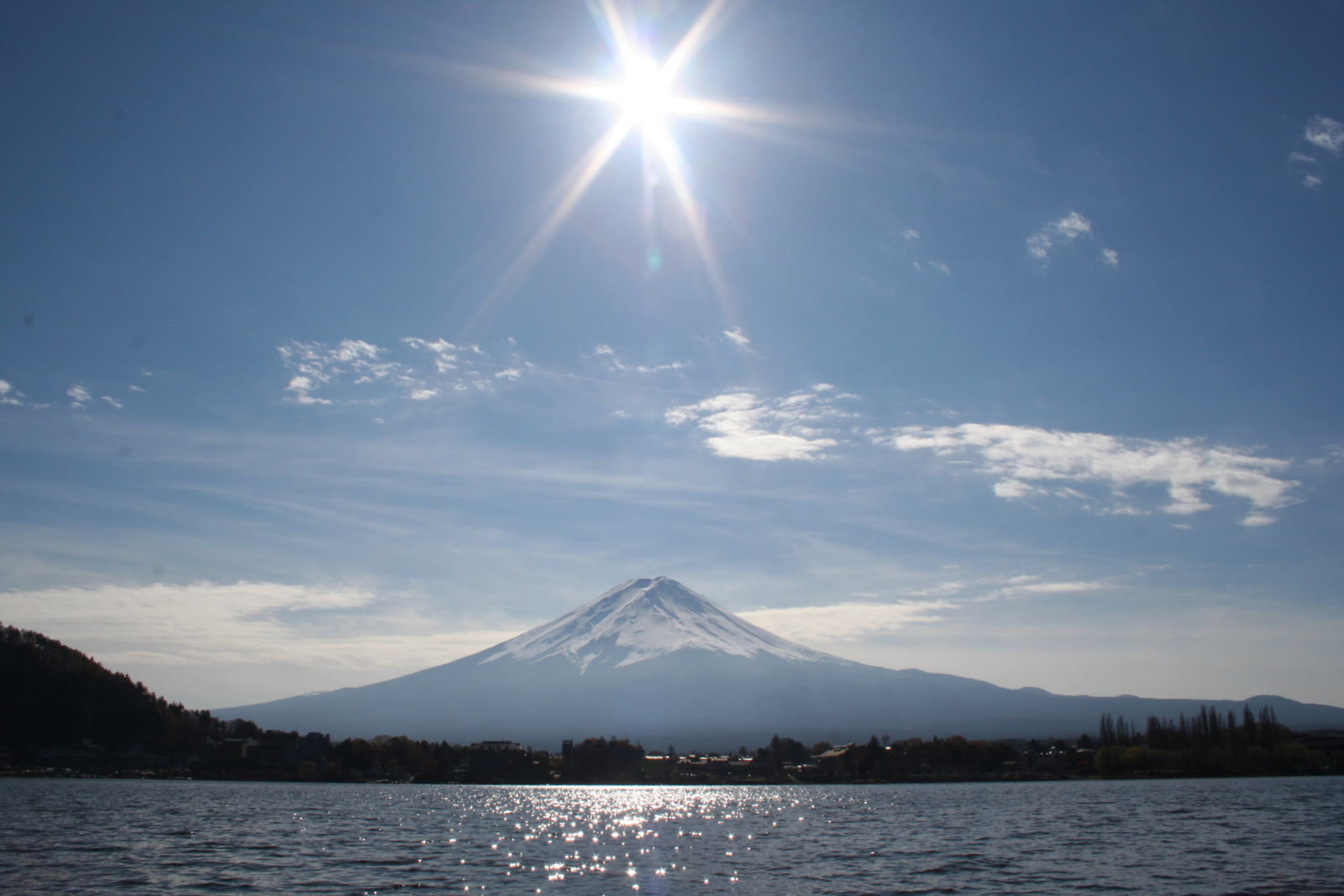
Lake Kawaguchiko
Japan's most reachable Fuji lake — the northern shore delivers the reflection view. Direct bus from Shinjuku.
-
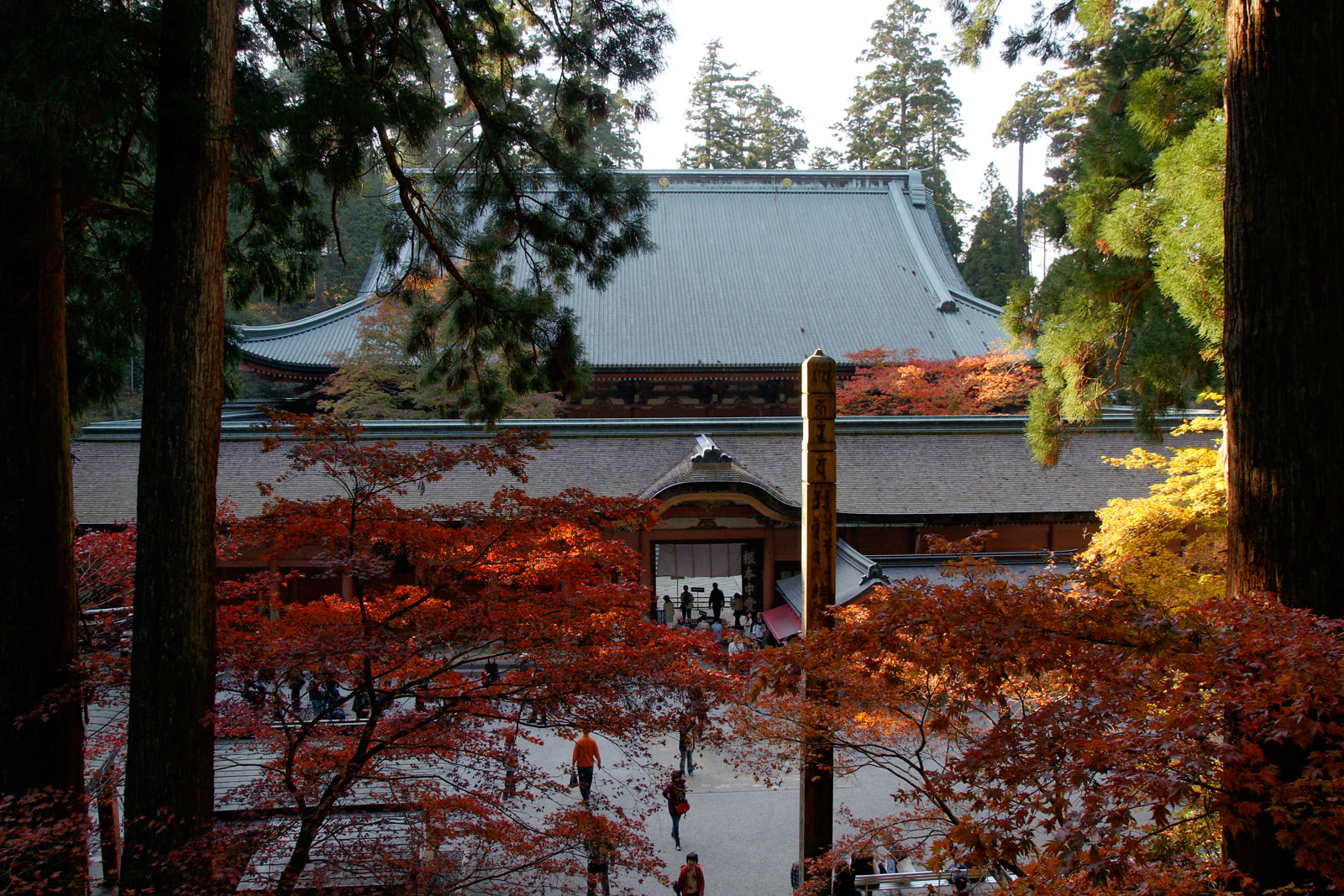
Enryaku-ji Temple
Mount Hiei's mountaintop monastery — where the founders of Japan's major Buddhist schools trained, and a single flame has burned for 1,200 years.
-
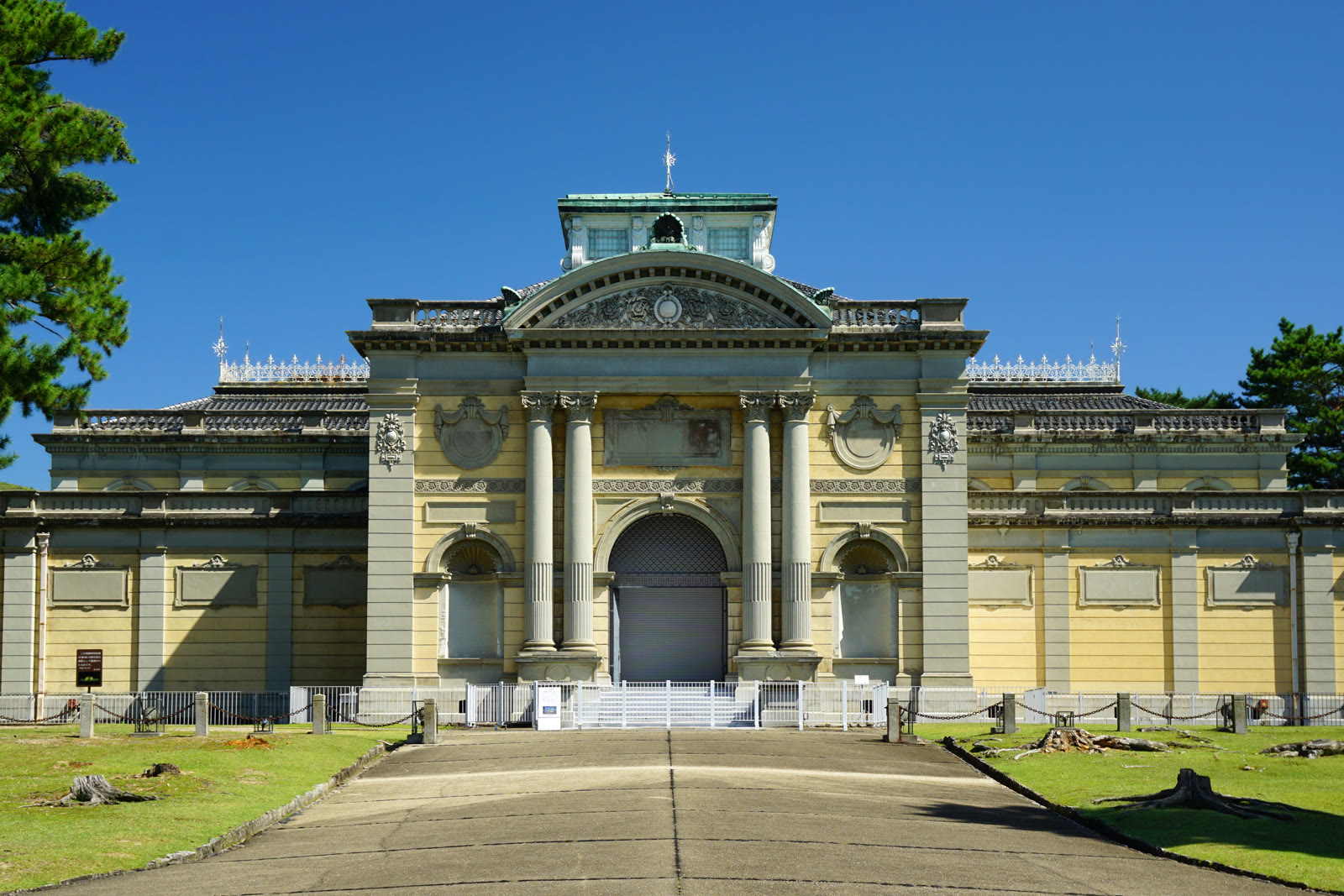
Nara National Museum
Japan's leading Buddhist art museum in Nara Park — permanent sculpture gallery year-round, and the once-a-year Shōsōin Exhibition in autumn.
-
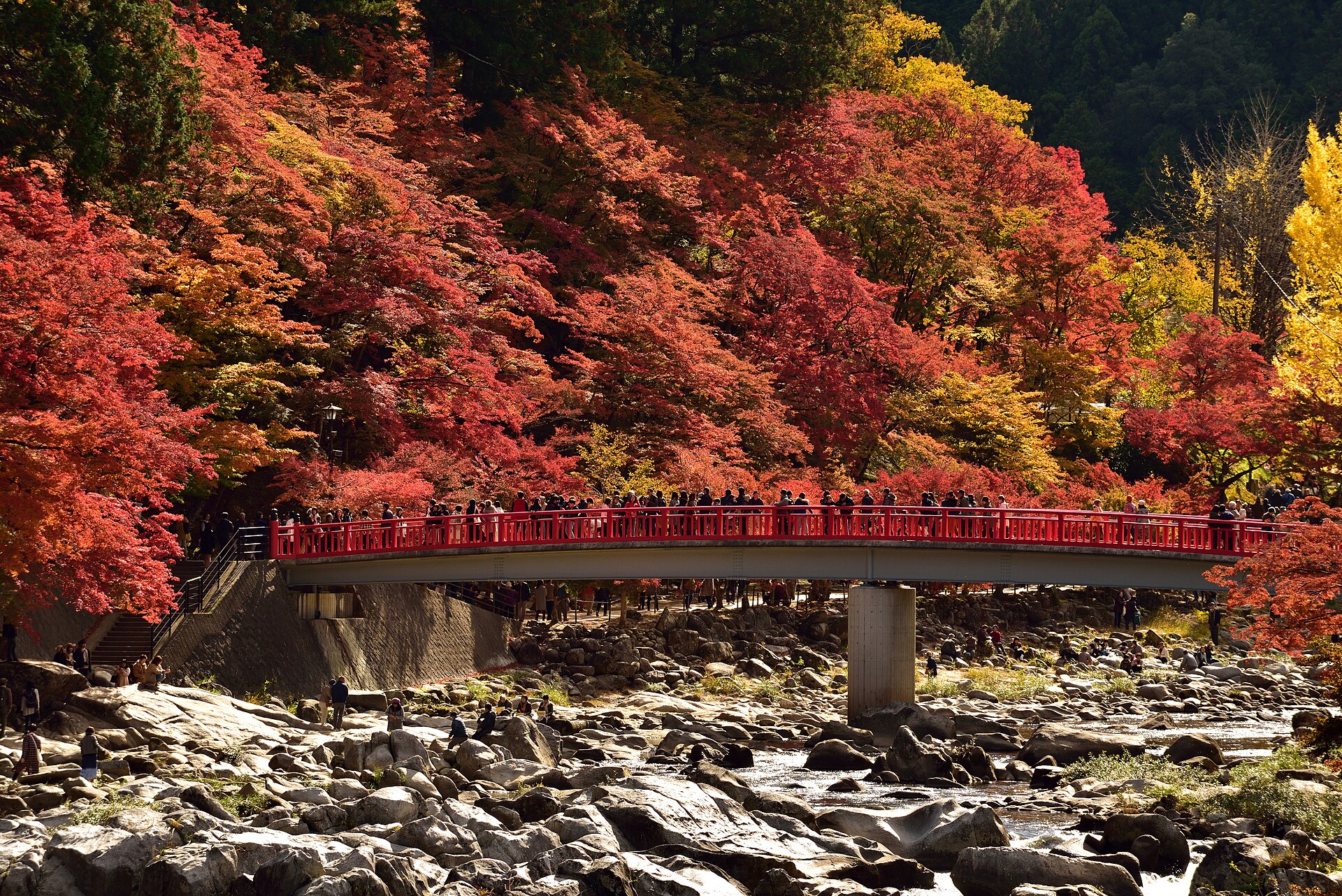
Korankei Gorge
Central Japan's best-known maple valley, planted by one monk a tree at a time.
-
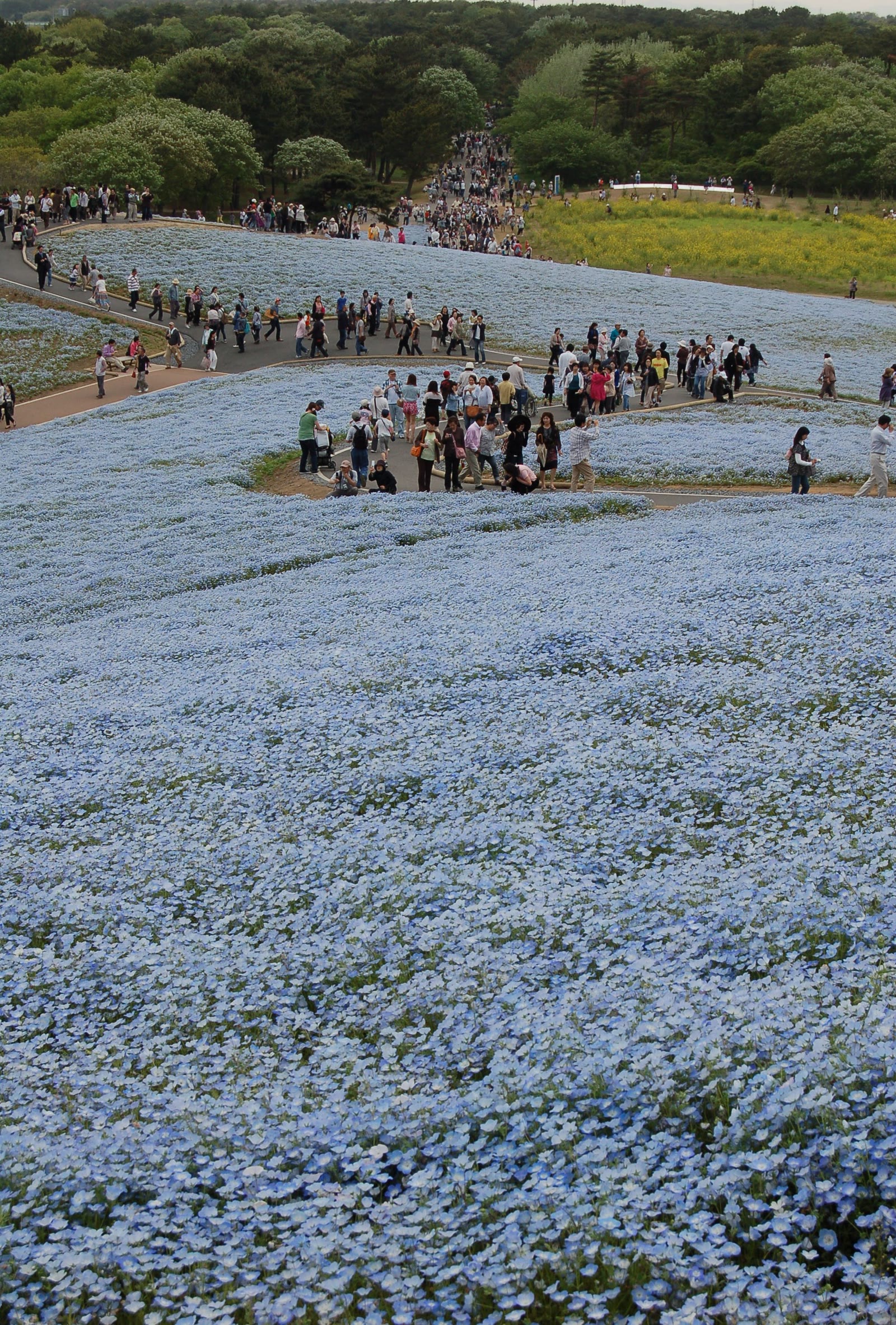
Hitachi Seaside Park
5.3 million nemophila cover Miharashi Hill in April-May, and the same hill turns crimson with kochia in autumn — the most photographed seasonal flower event in Ibaraki.
-
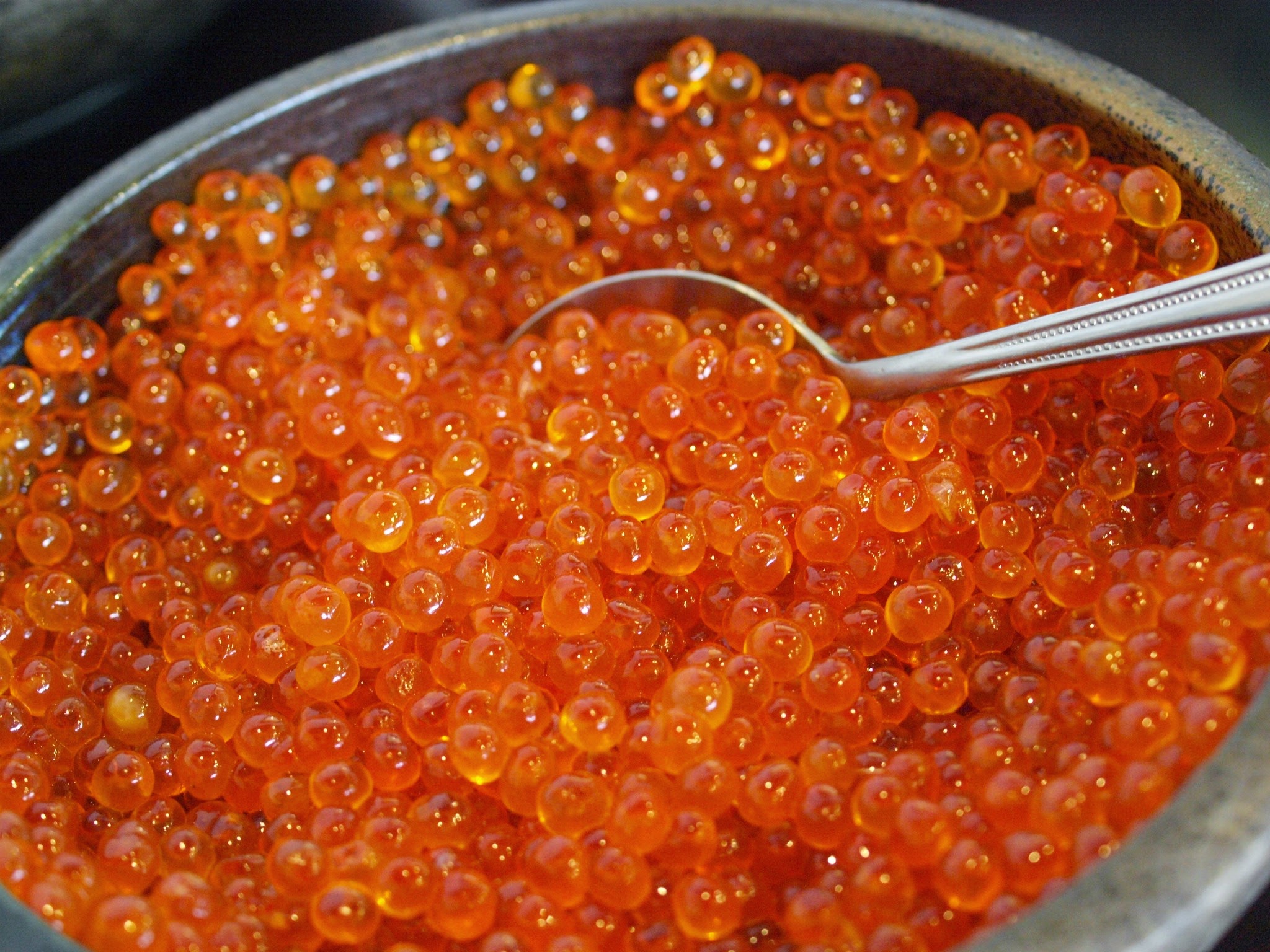
Ikura Soy-Marinated Salmon Roe — Salmon town on the Nemuro Strait
Pick the date by the tank, not by the town.
-
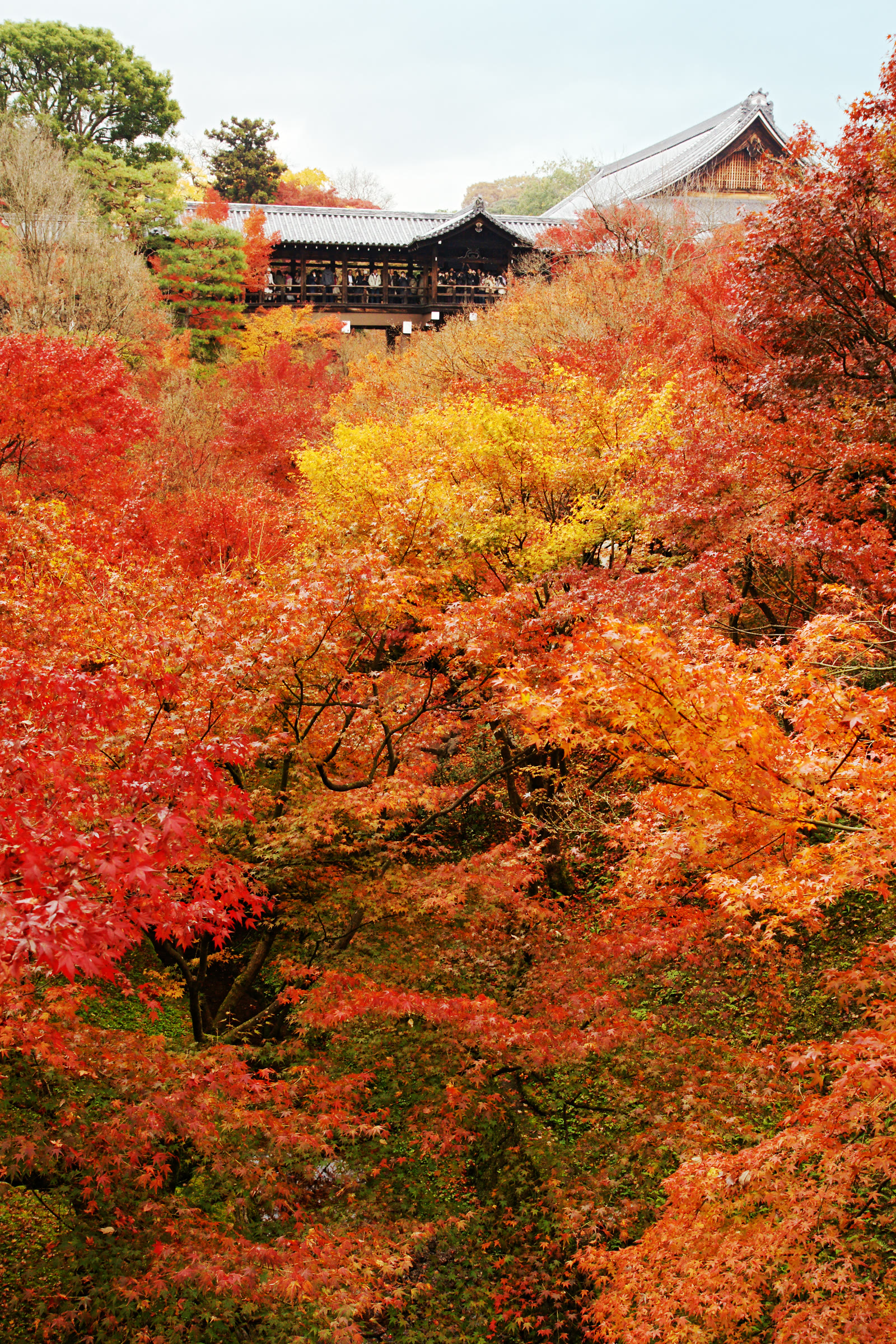
Tofuku-ji — a Zen temple over a maple ravine
Kyoto's most celebrated autumn foliage view — the maple ravine seen from Tsutenkyo Bridge, in one of the city's five great Zen temples.
-
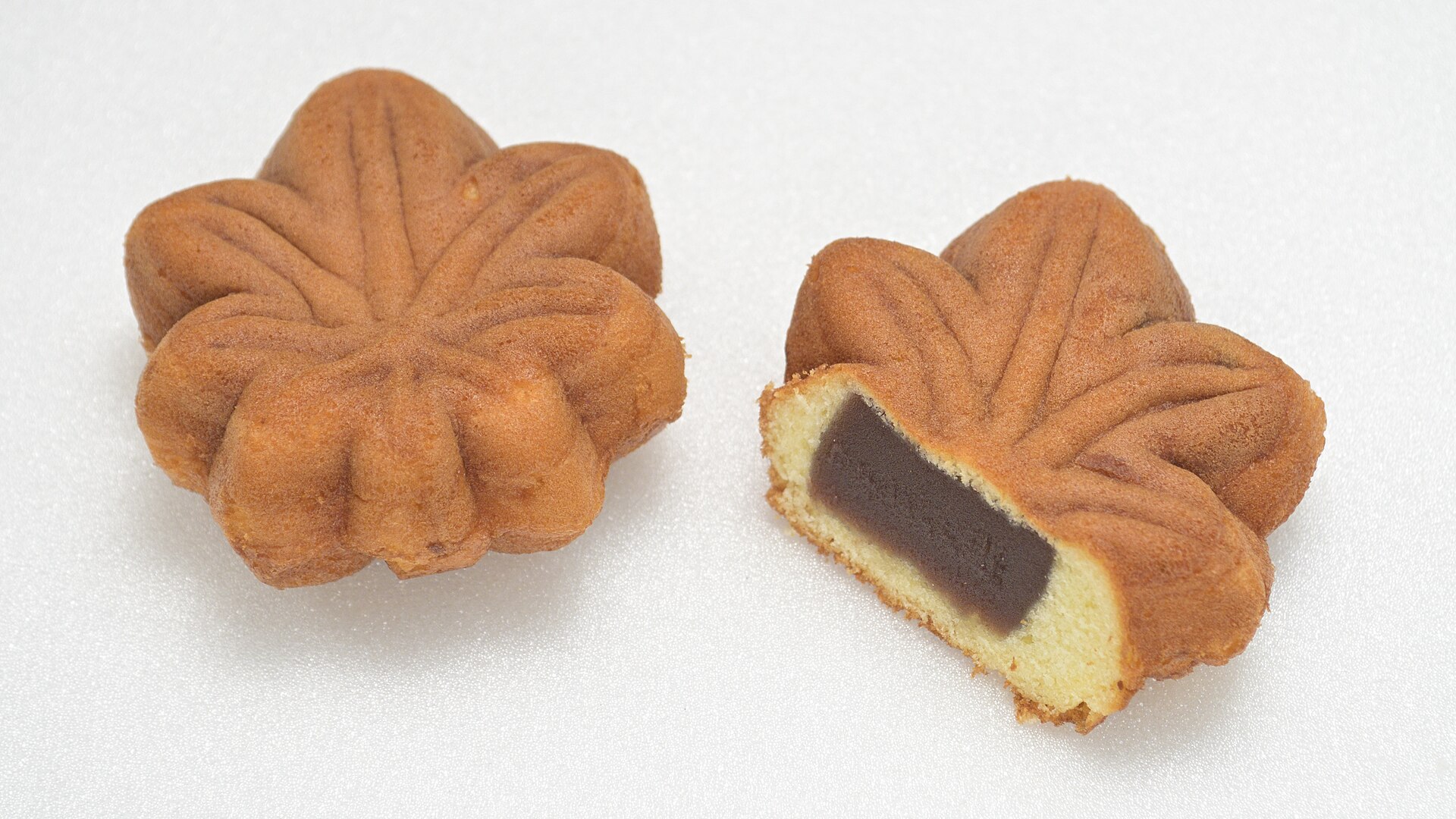
Momiji Manju — Hiroshima's maple-leaf cake
Hiroshima's maple-leaf cake, at the pier where every Miyajima trip starts.
-
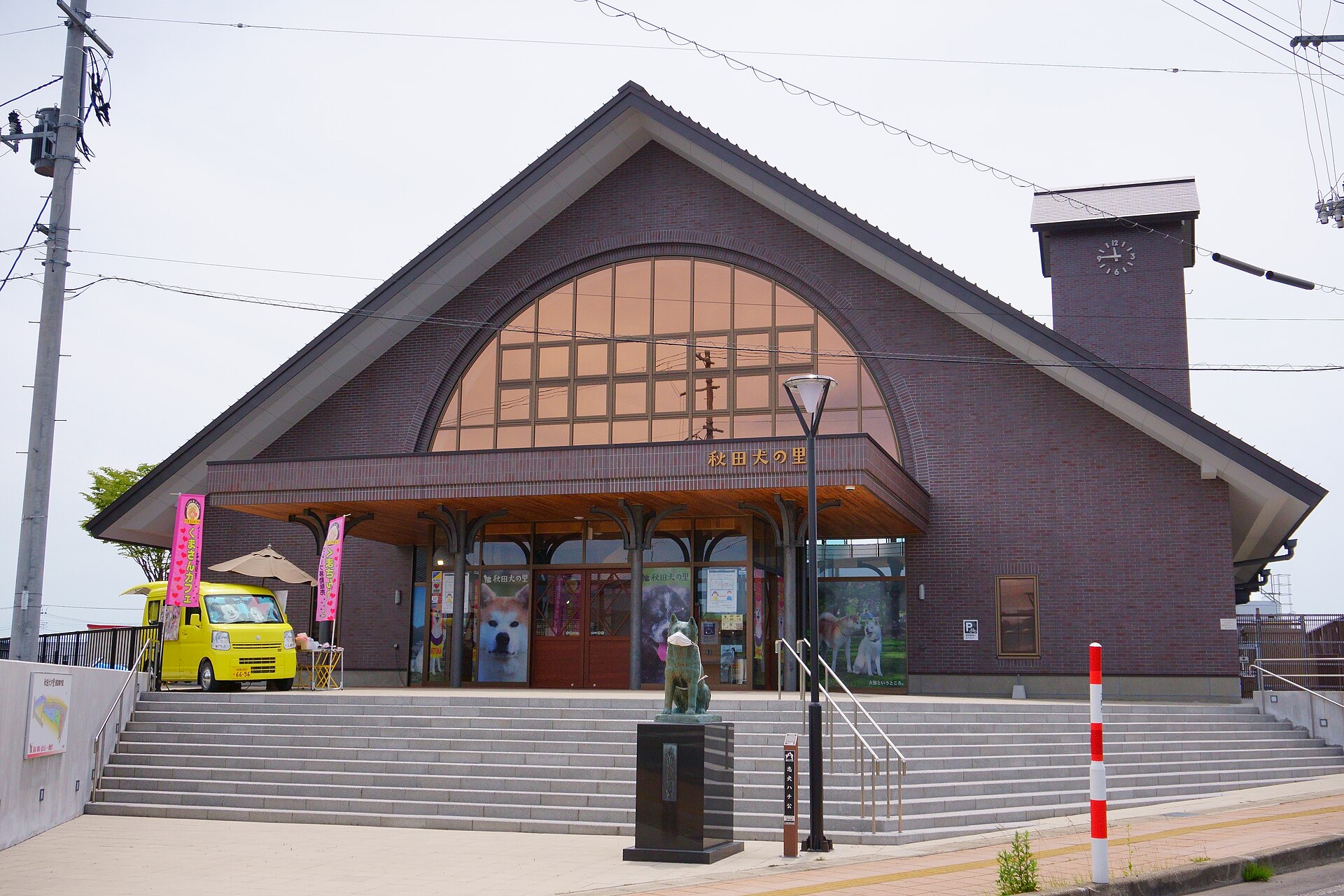
Akita Inu no Sato — Odate's Akita dog hall by the station
Hachiko's birthplace, with a live Akita on view and free entry.
-
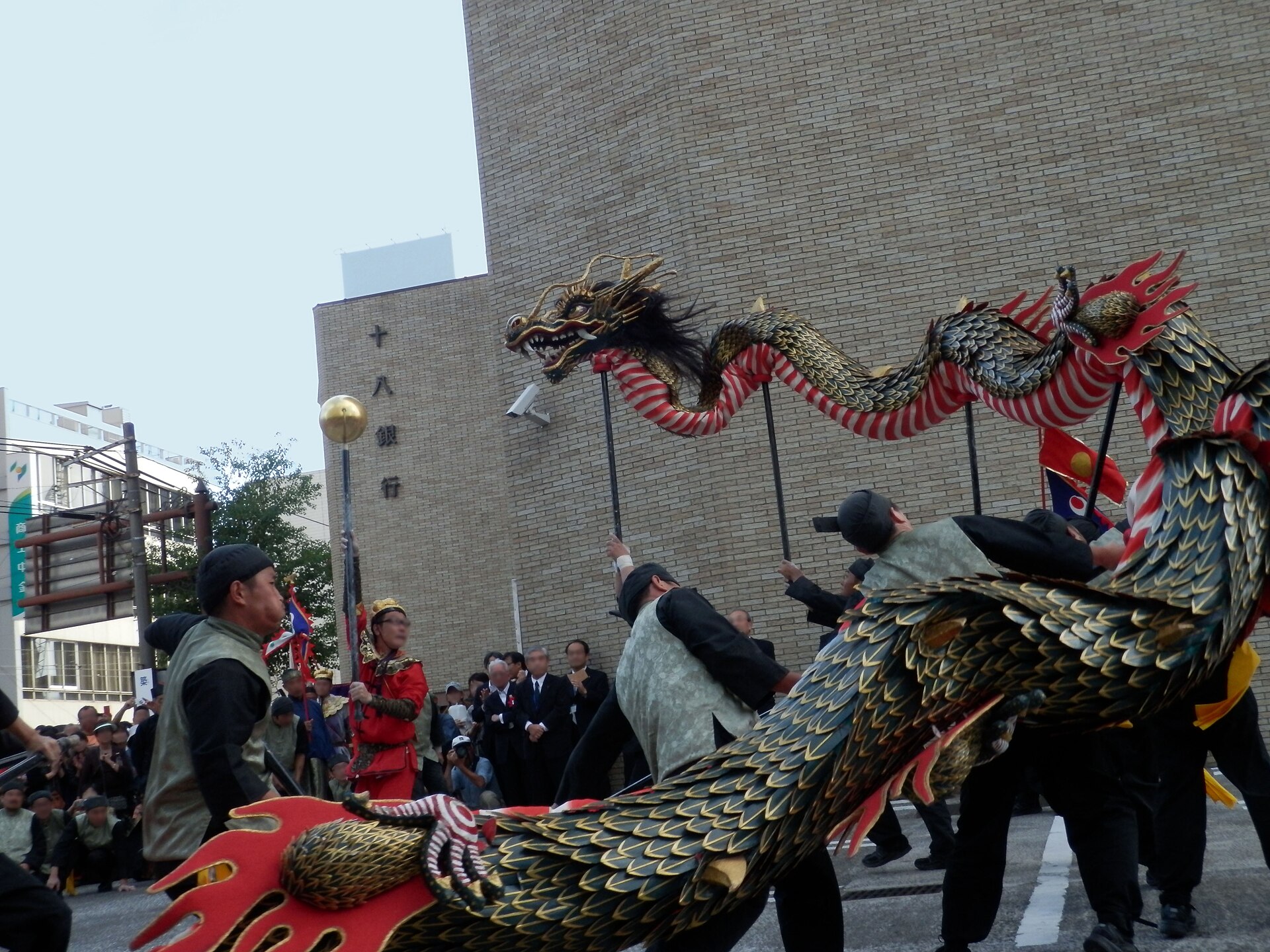
Nagasaki Kunchi — Suwa Shrine's autumn festival of dragon dances
Nagasaki's great October festival, with free lottery seats and free street shows.
-
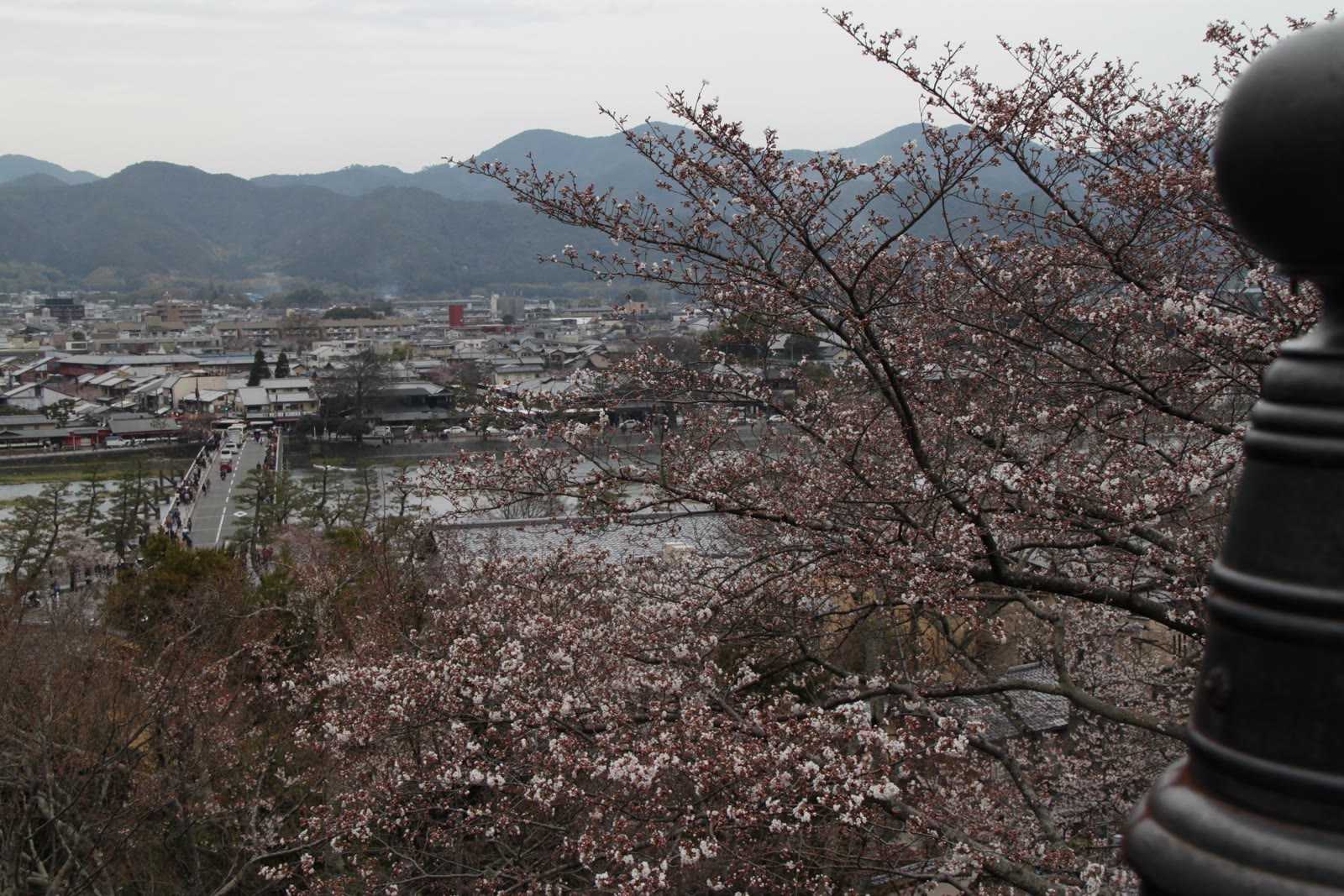
Togetsukyo Bridge
Kyoto's most iconic mountain river crossing — free to walk across at any hour, framed by cherry blossoms in spring and red maples in autumn.
-
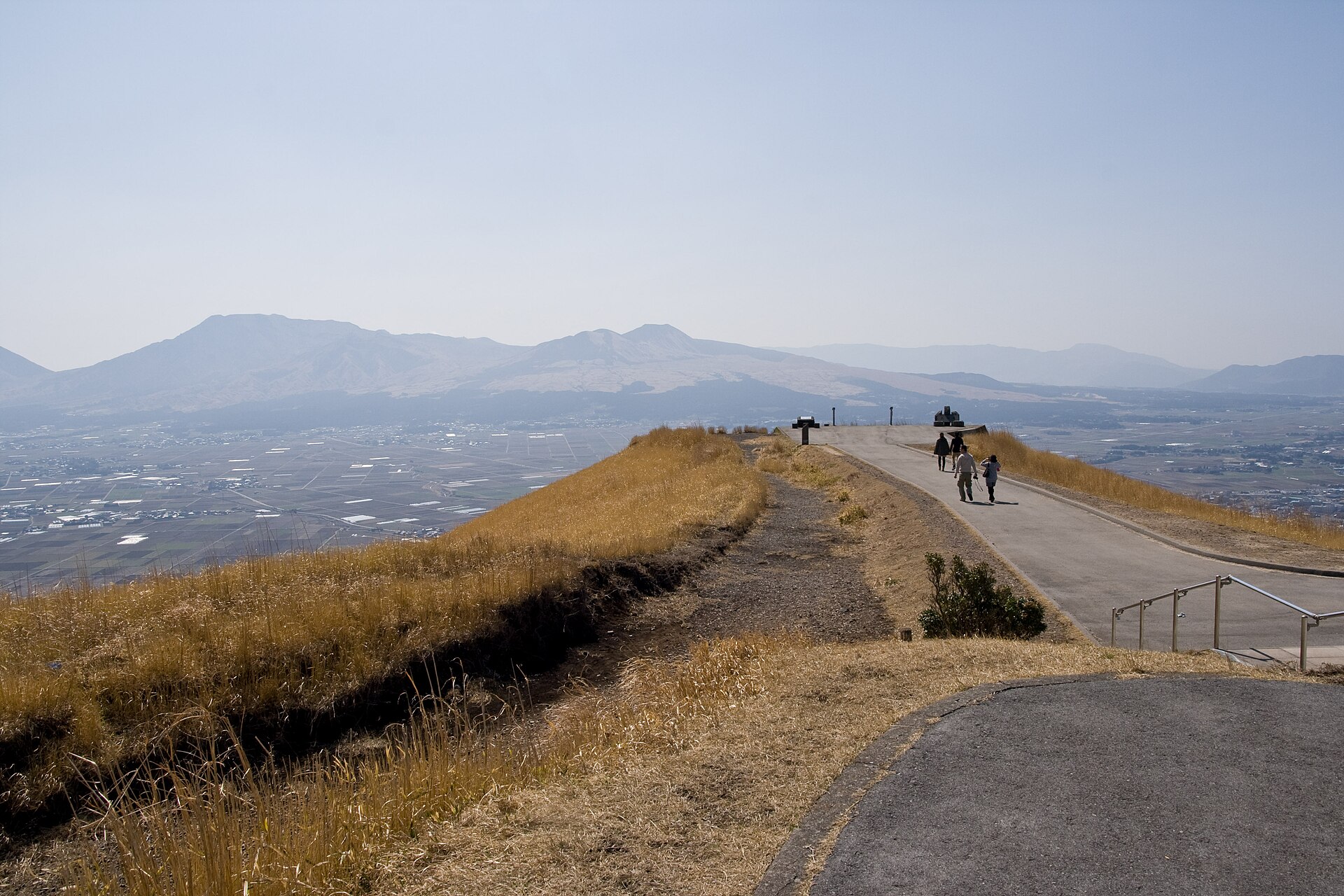
Daikanbo Lookout — The high point of Aso's northern caldera rim
The one view that shows you how large the Aso caldera really is.
-
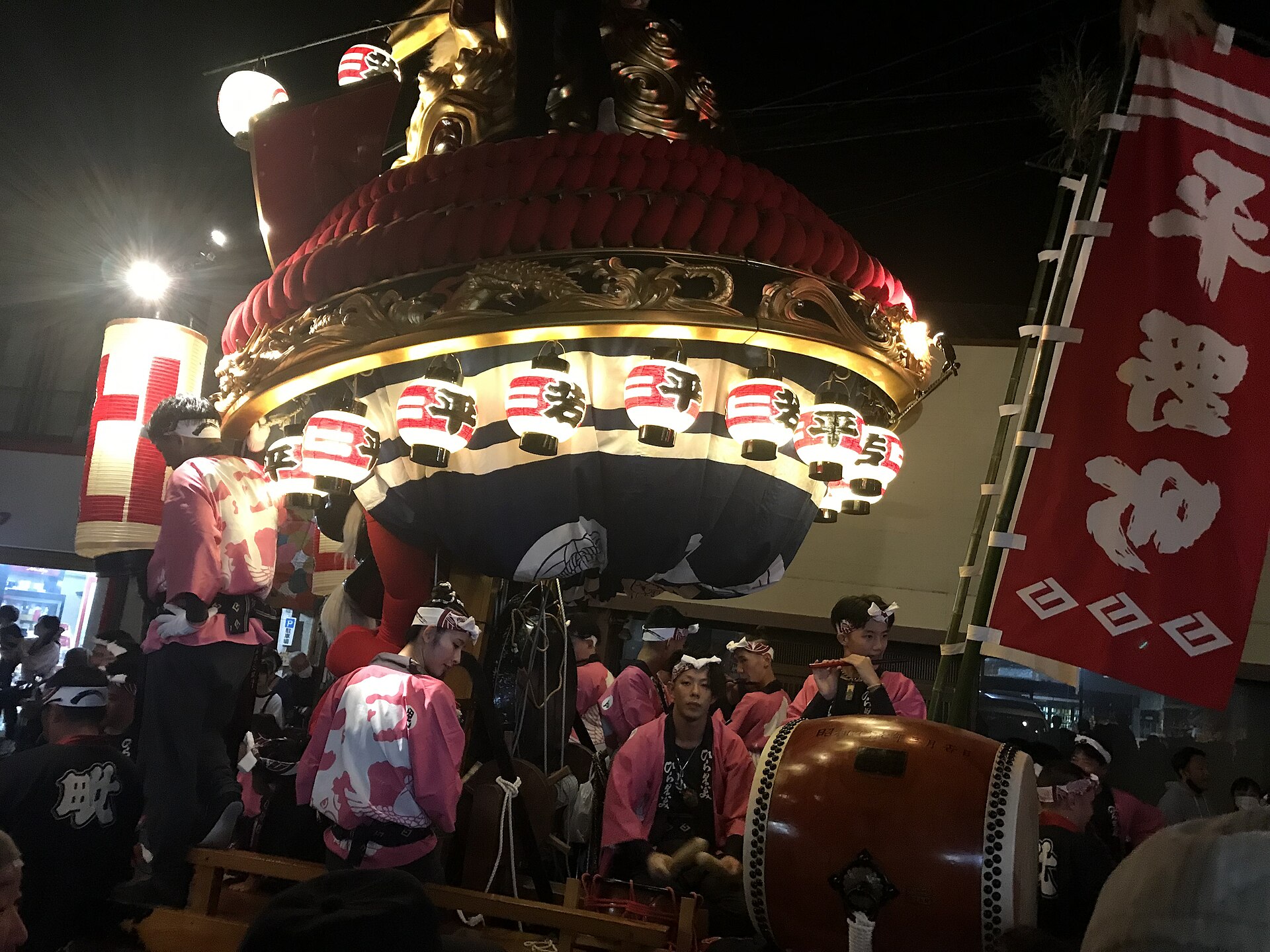
Karatsu Kunchi — Karatsu Shrine's autumn festival of lacquered floats
Lacquered floats in a castle town, and a noon haul across the sand.
-
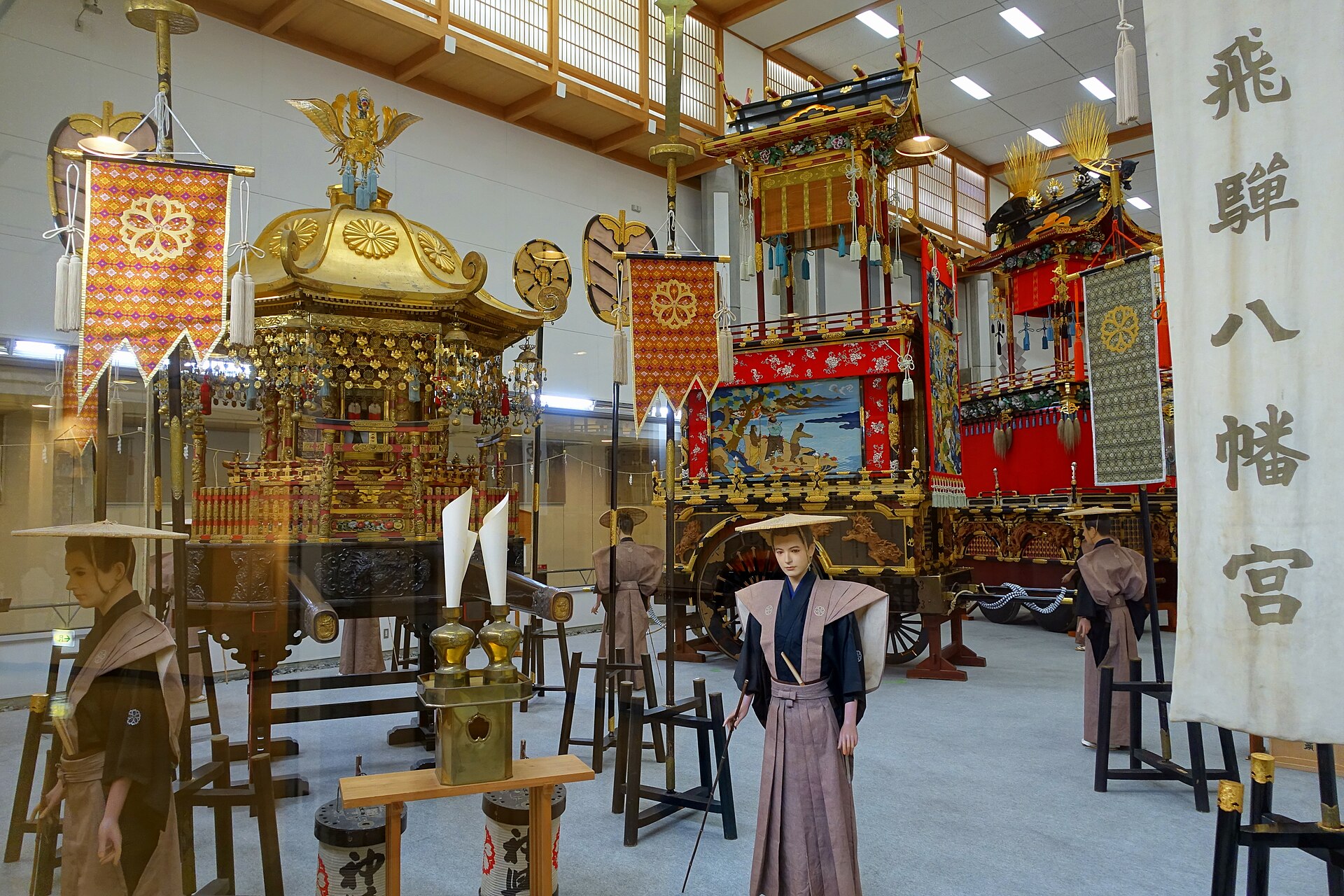
Takayama Festival Floats Exhibition Hall
Real Takayama festival floats, up close on any day of the year.
-
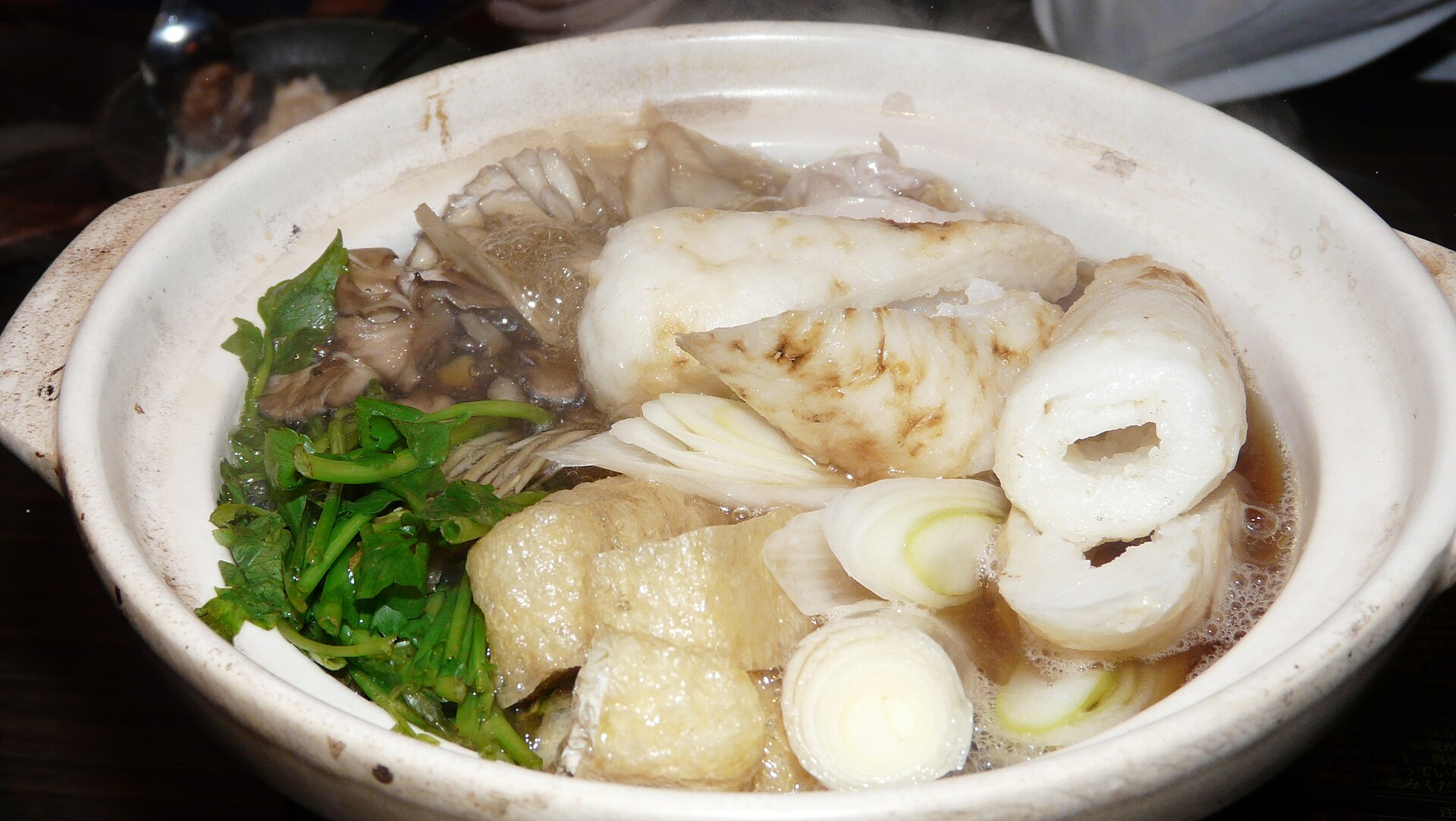
Kiritanpo — Akita's grilled rice sticks, simmered in chicken hotpot
Akita's harvest hotpot, bought part by part in a market that opens at five.
-
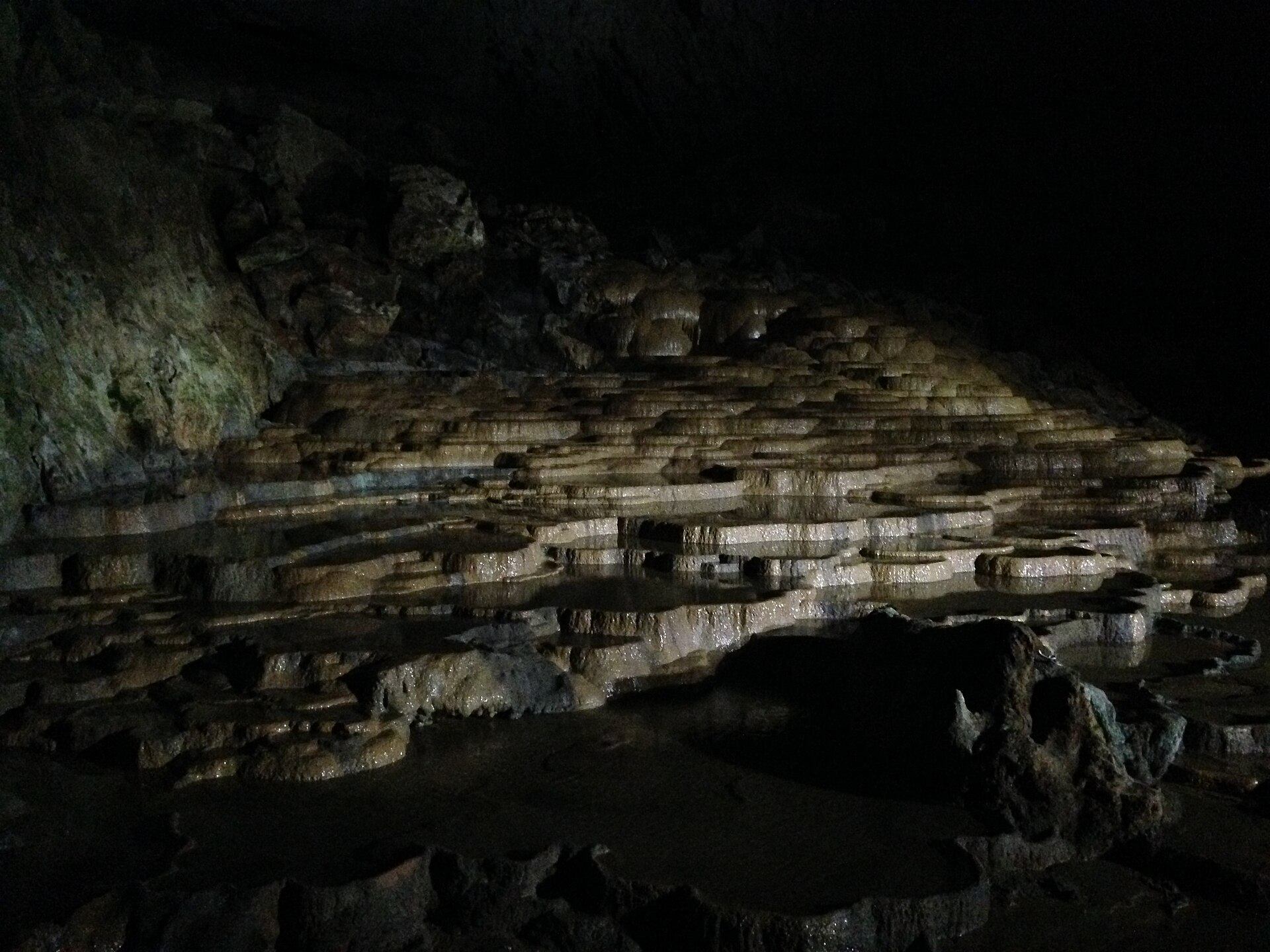
Akiyoshido Cave — Limestone cavern beneath the Akiyoshidai plateau
Walk in from the valley and come out on the plateau by elevator.
-
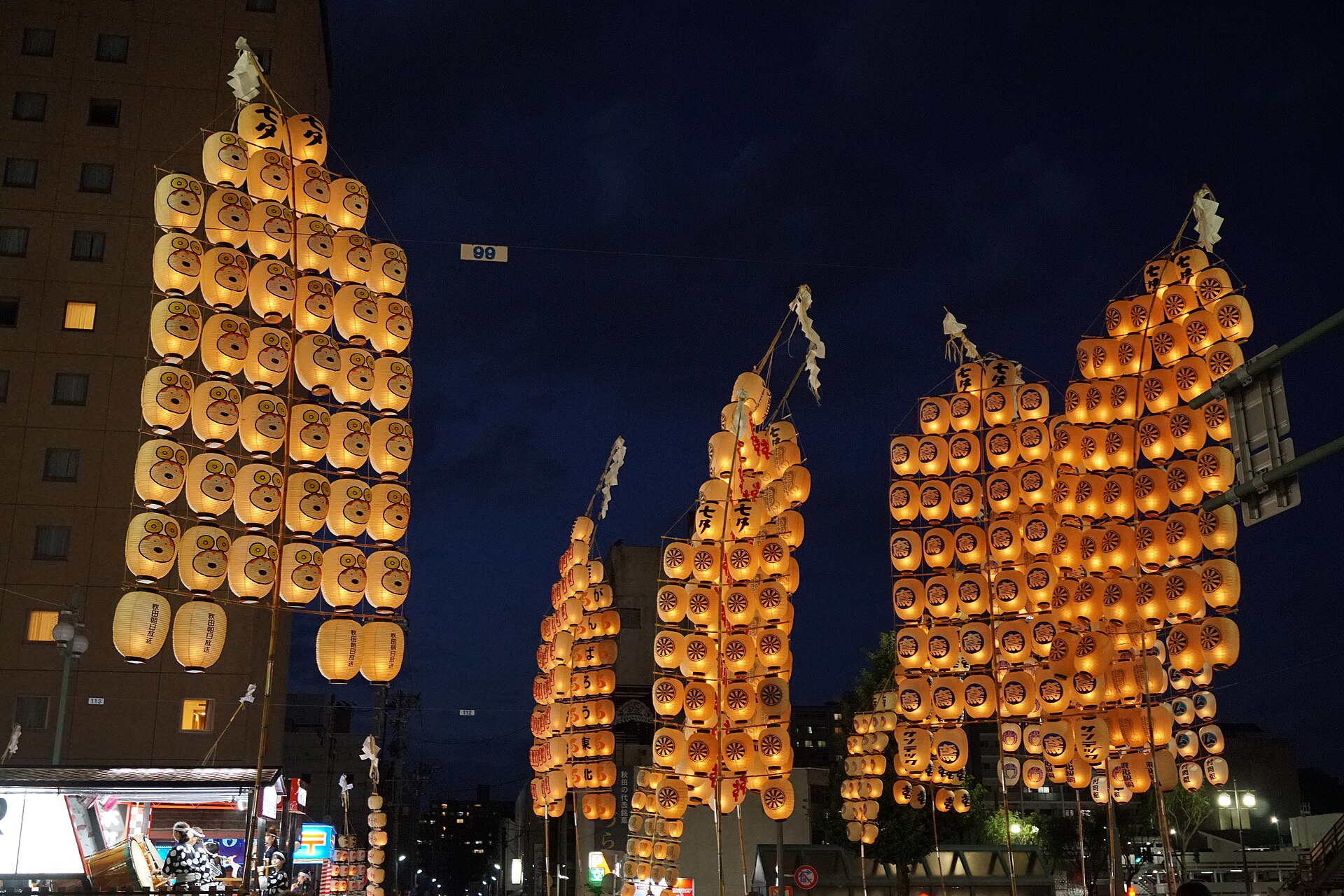
Akita Kanto Festival
Four August nights on a closed avenue, and the same poles indoors the rest of the year.
-
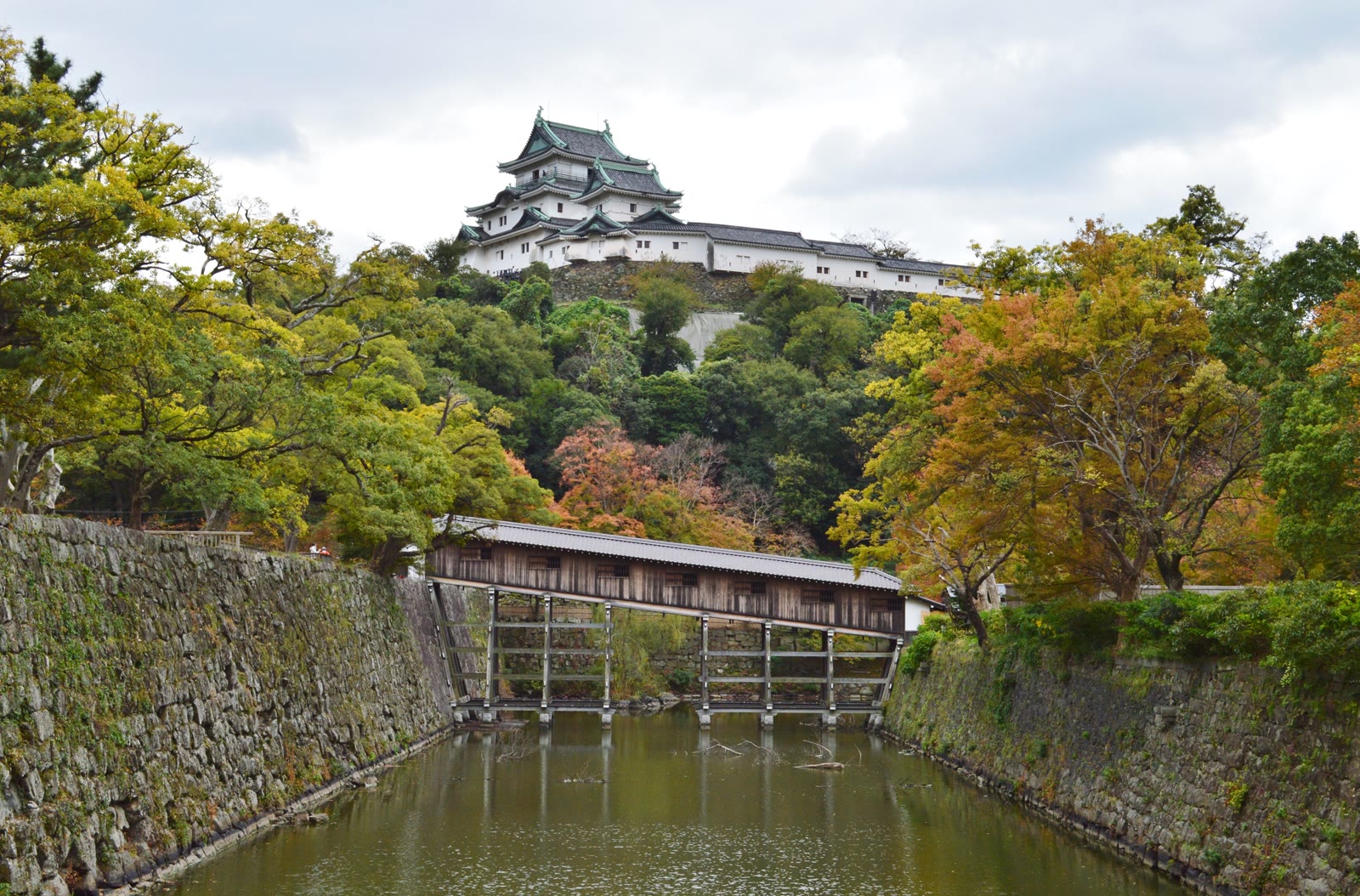
Wakayama Castle
Seat of the Kishu Tokugawa — one of Japan's three senior shogun-producing clans — with a rare slanted covered bridge and a garden that frames the keep beautifully in blossom season.
-
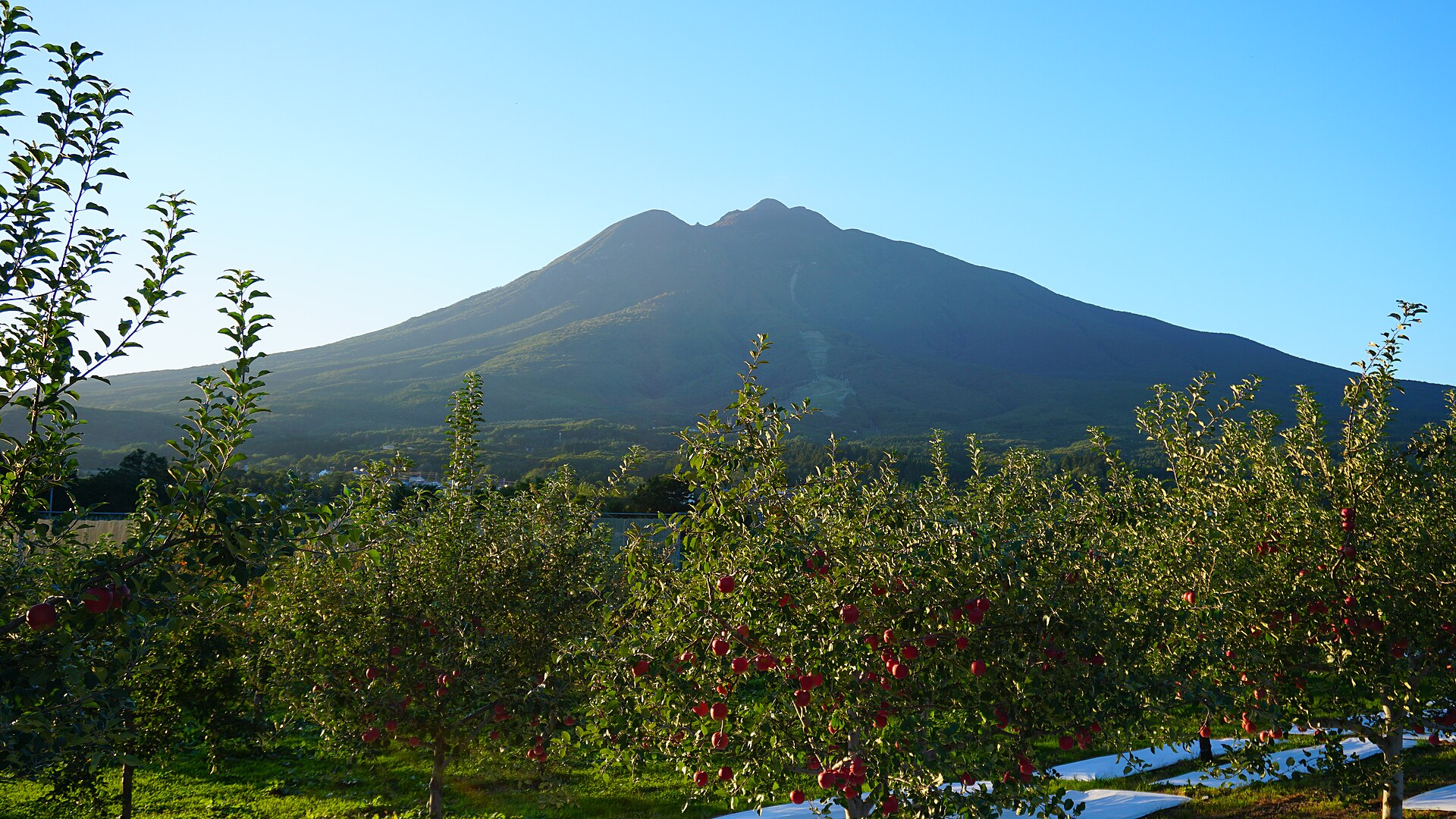
Tsugaru Apples — Aomori's apple country at a city-run orchard park
A free municipal orchard, open daily, with Mount Iwaki at the end of every row.
-
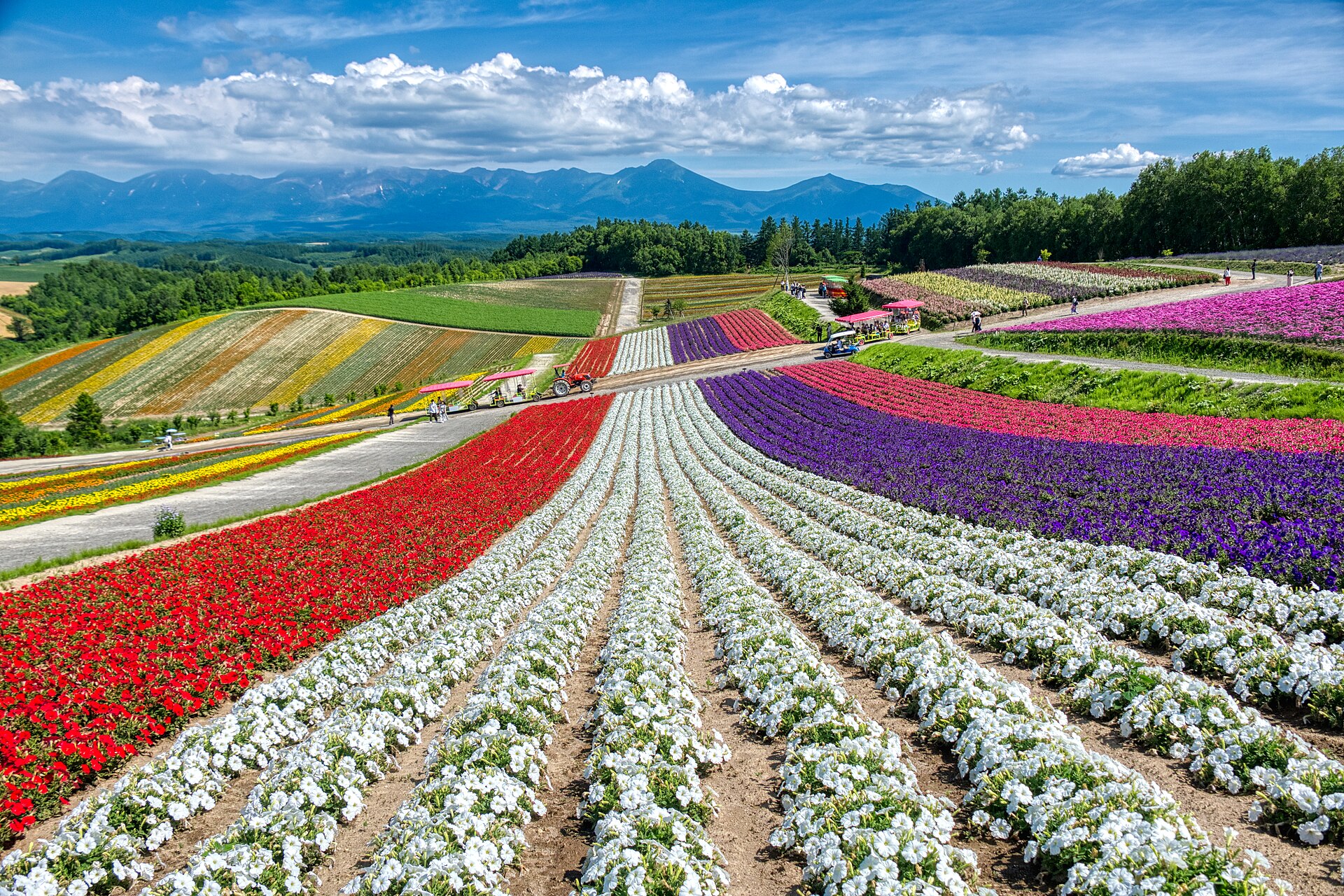
Shikisai-no-oka — A banded flower garden on the Biei hills
A hillside planted in bands, so the slope itself does the composing.
-
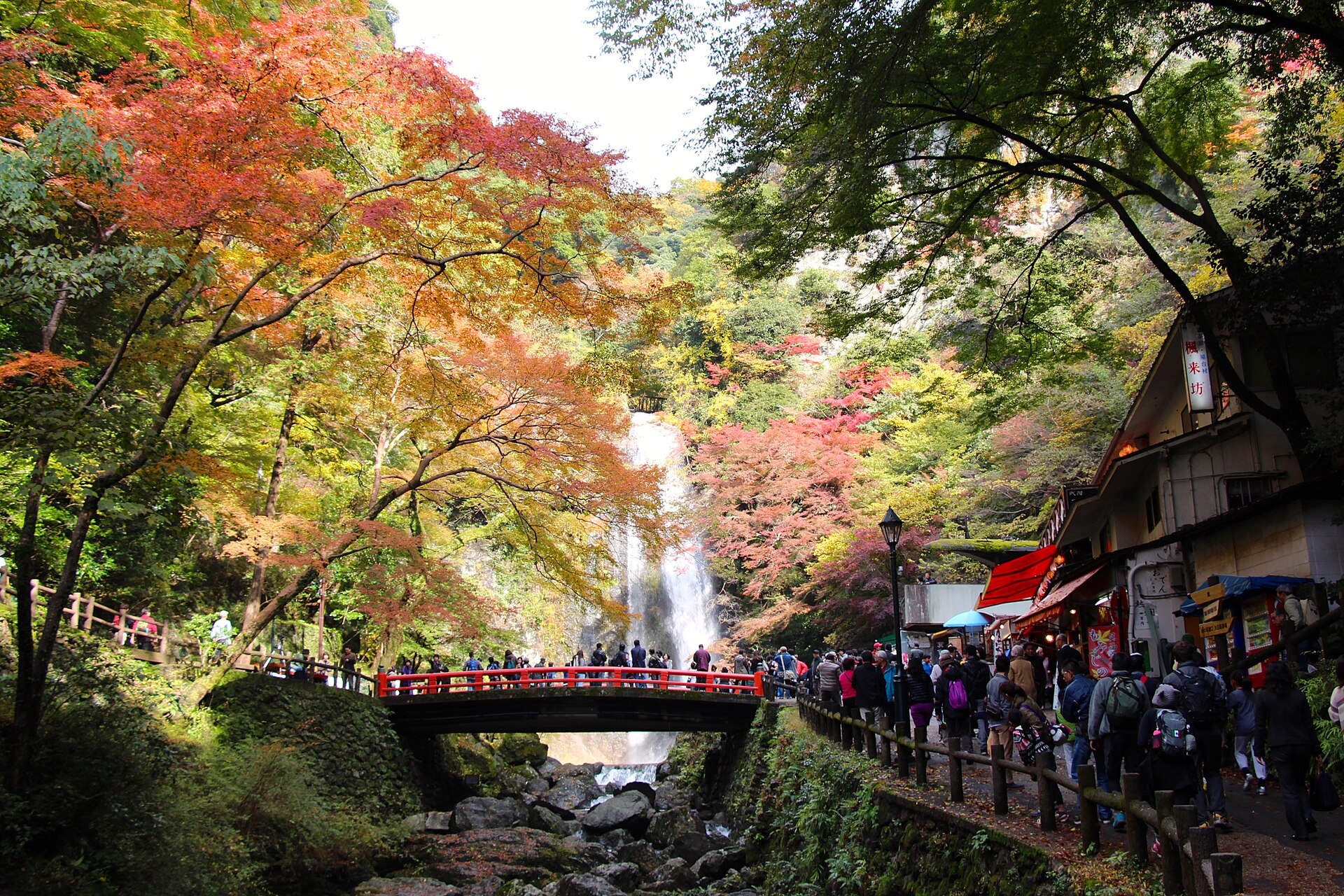
Minoo Falls
A city waterfall you reach by walking a river gorge rather than parking beside it.
-
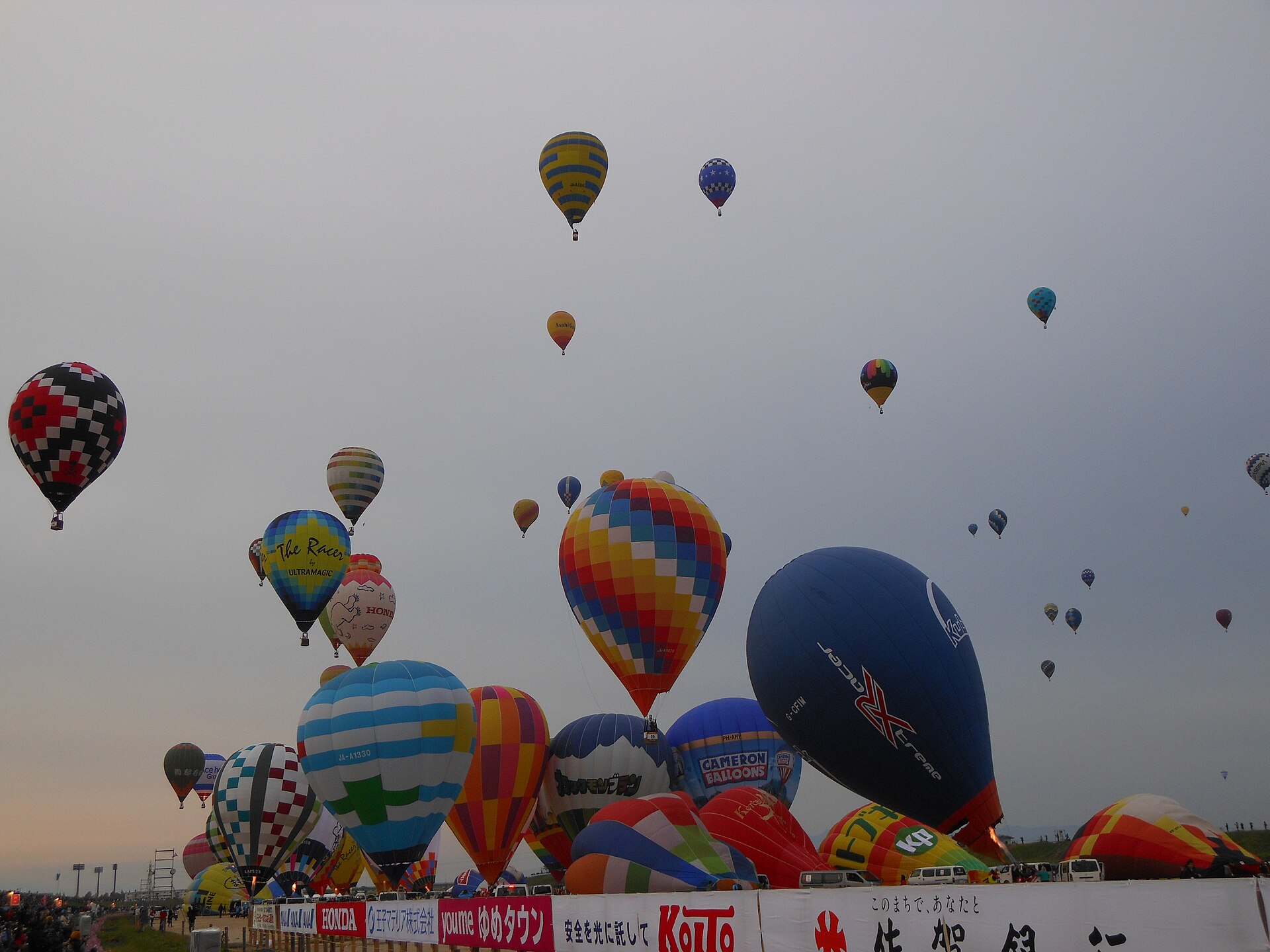
Saga International Balloon Fiesta
Asia's biggest balloon meet — come for the calmer morning flights.
-
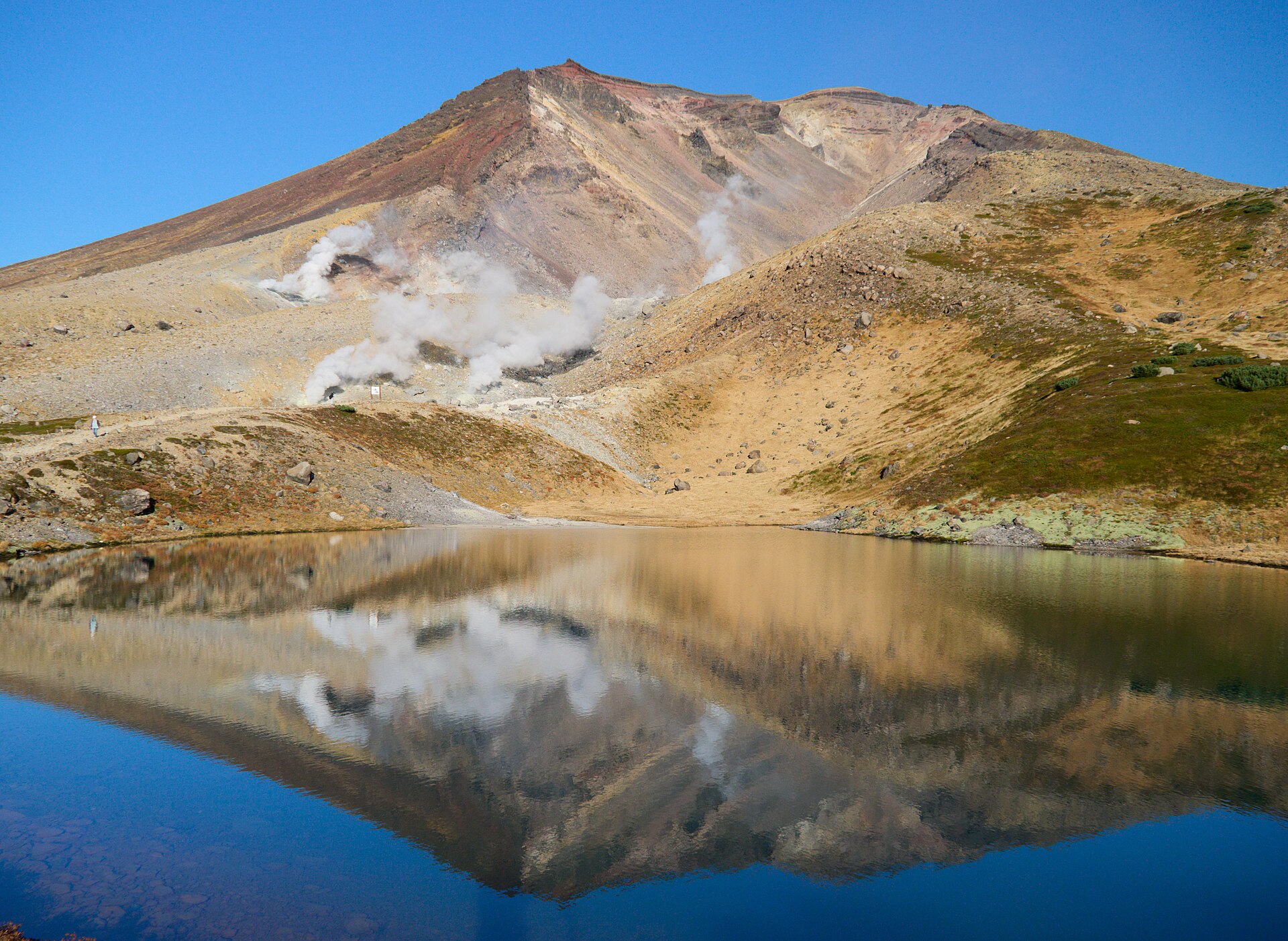
Mount Asahidake
Hokkaido's highest volcano, with a ropeway straight into the alpine zone.
-
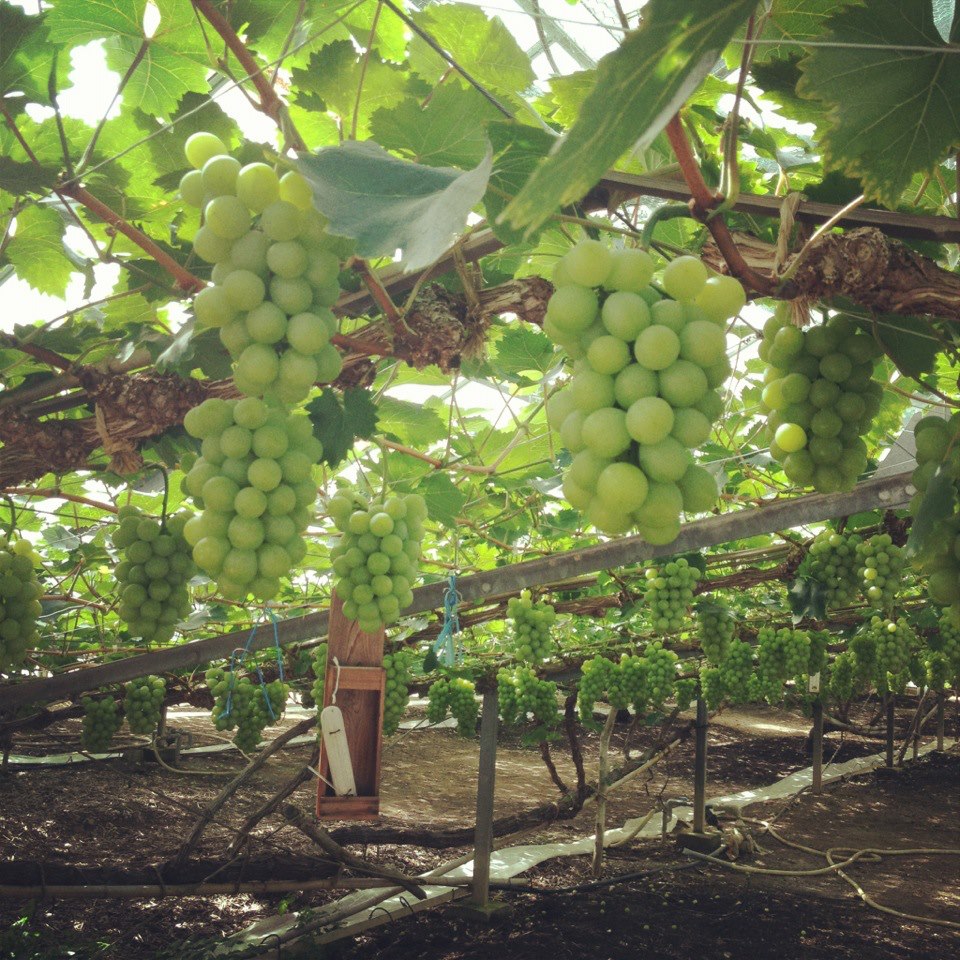
Okayama Muscat — Kurashiki's glasshouse grape country
Japan's famous muscat, graded and sold in the village that grows it.
-
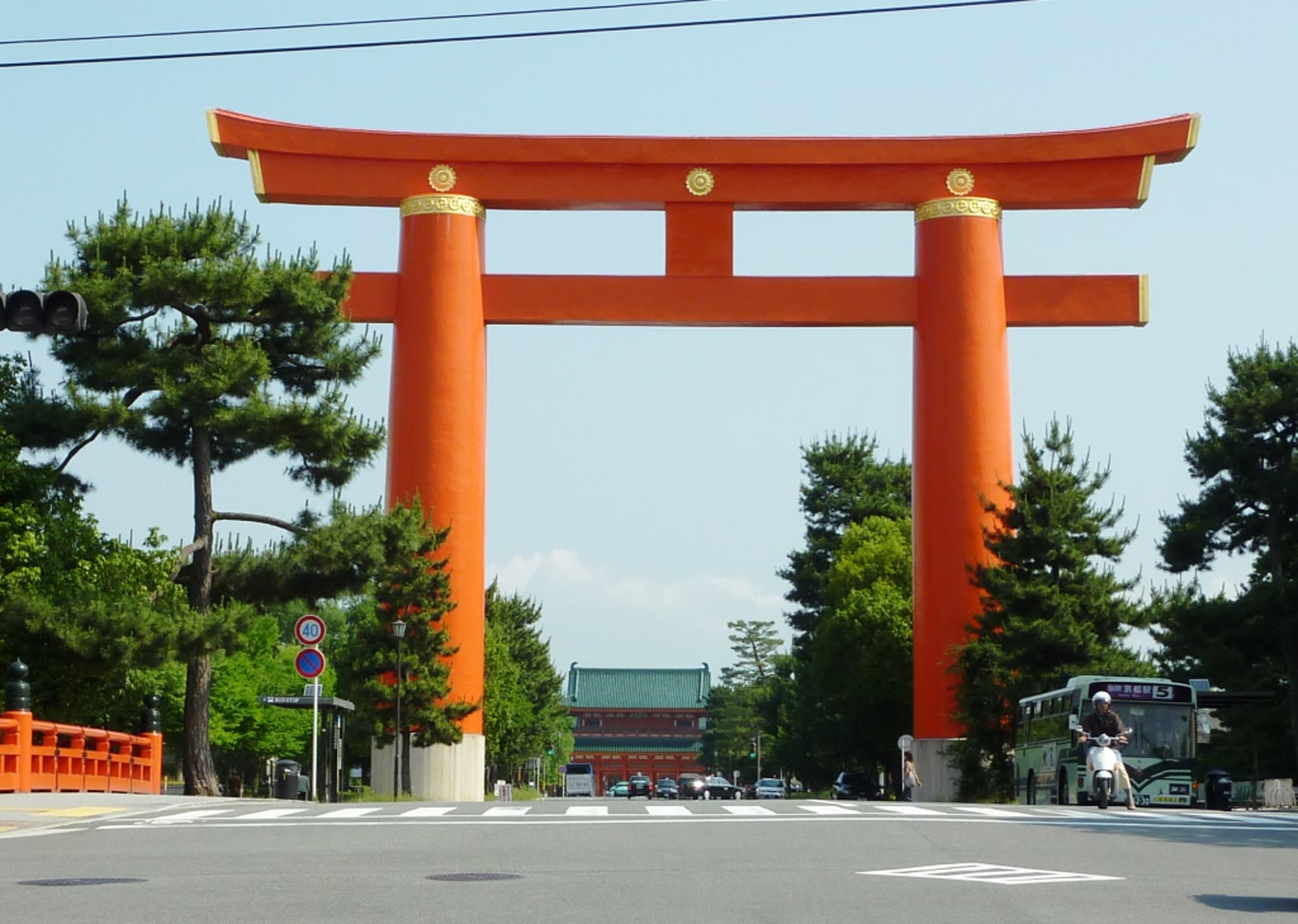
Heian-jingu Shrine
One of Kyoto's grandest shrine courtyards, free to enter, with four nationally designated gardens that bloom in every season.
-
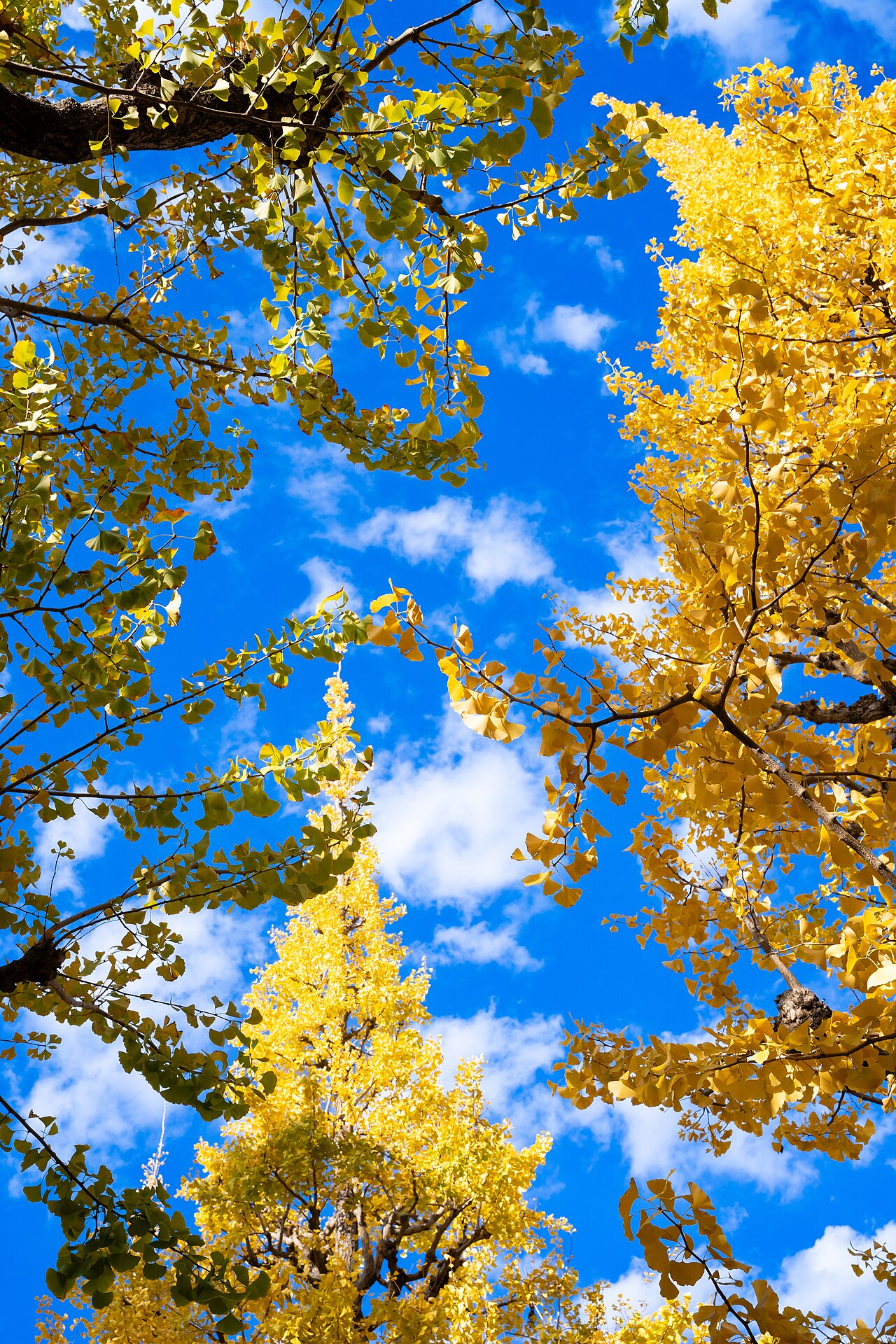
Jingu Gaien Ginkgo Avenue
146 ginkgo planted in graded heights so the avenue looks longer than it is — Tokyo's best-known autumn street, and a designed illusion.
-
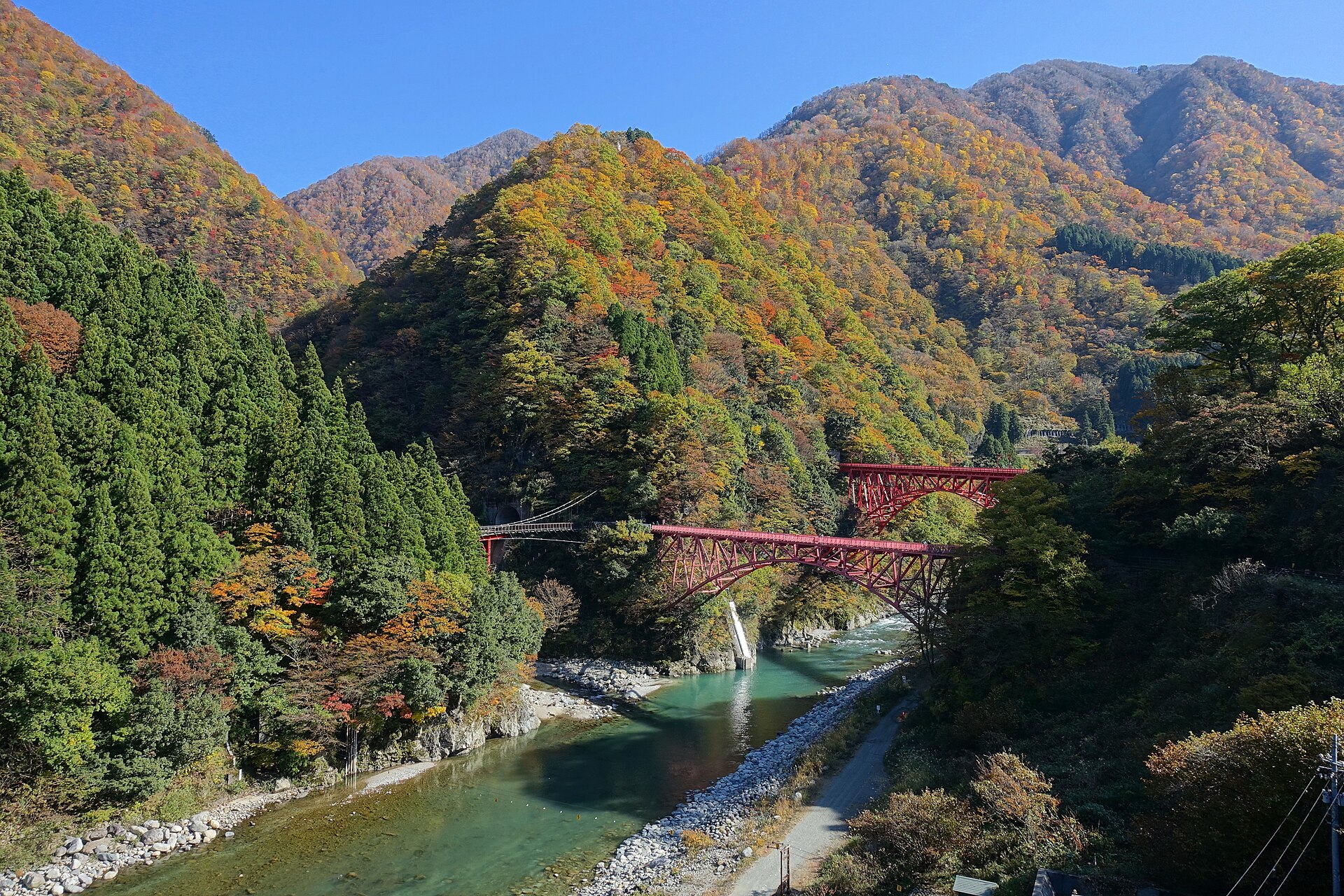
Kurobe Gorge Railway
A working hydro railway that still lets passengers ride in the open air.
-
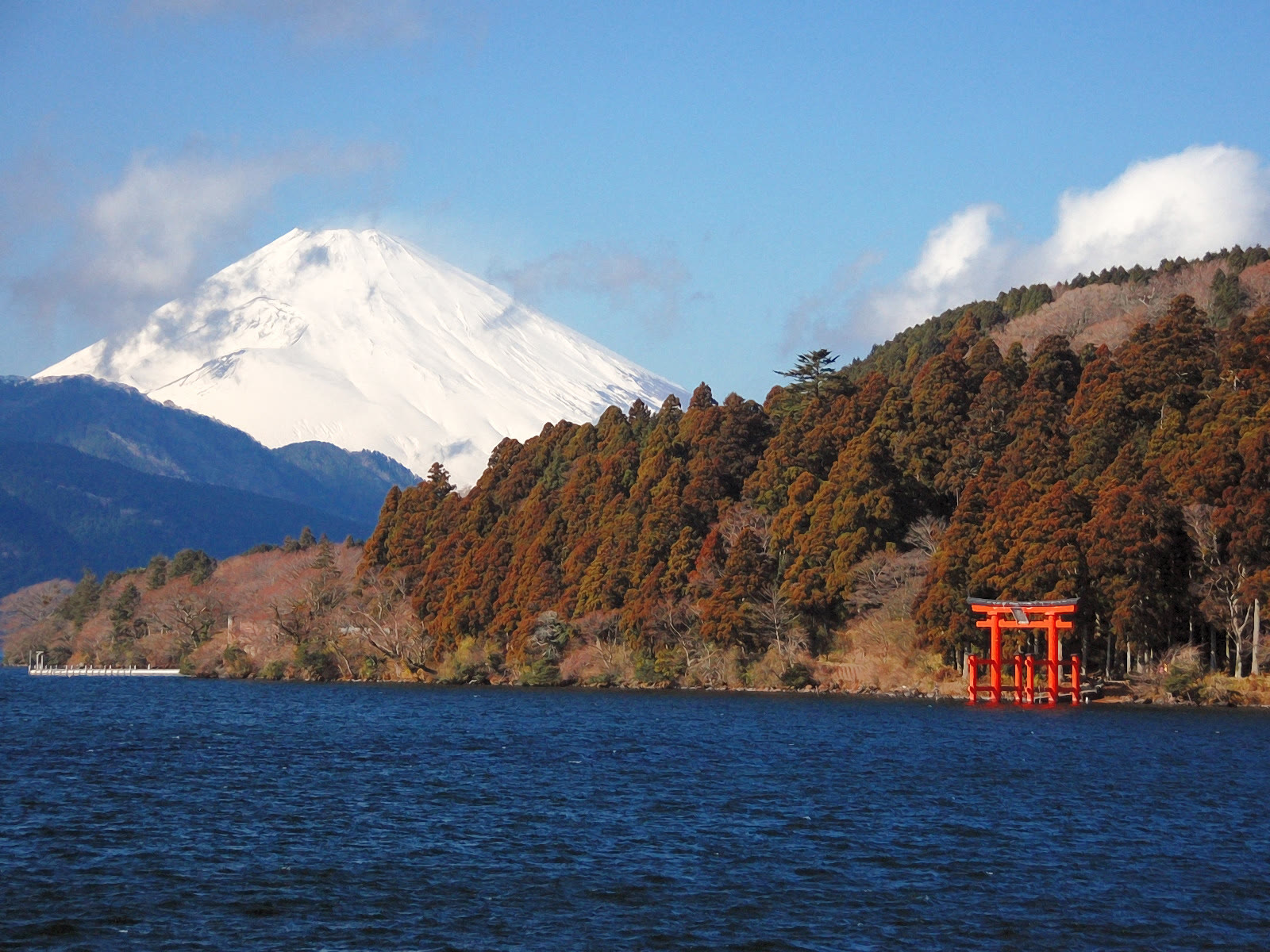
Lake Ashi
Hakone's most photographed scene — best on a clear autumn morning when Fuji rises behind the red torii gate. Board at Moto-Hakone-ko.
-
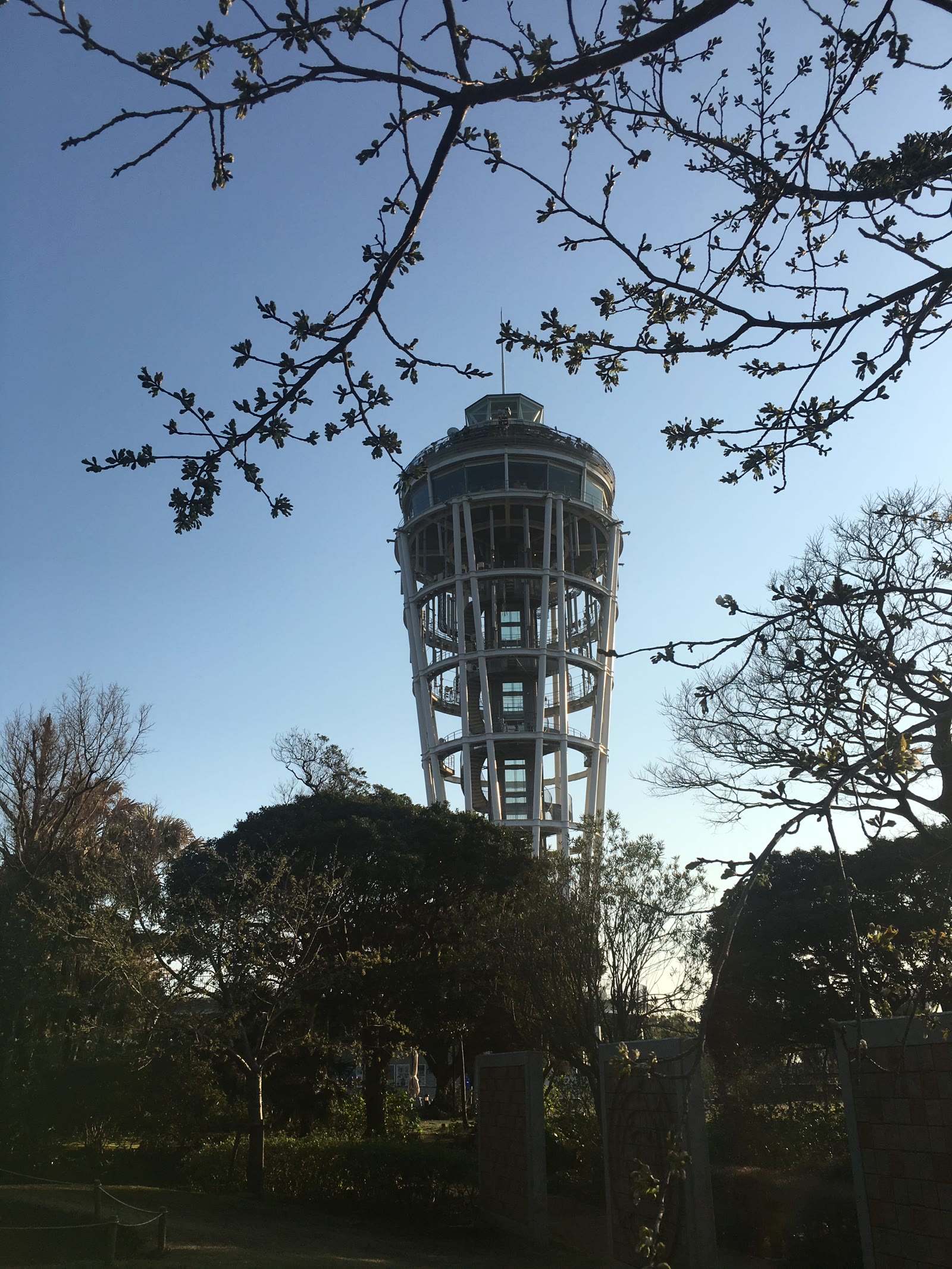
Enoshima Island
Shonan's island shrine — 1,500-year-old Benzaiten, sea caves, and a lighthouse tower with a Mount Fuji view.
-
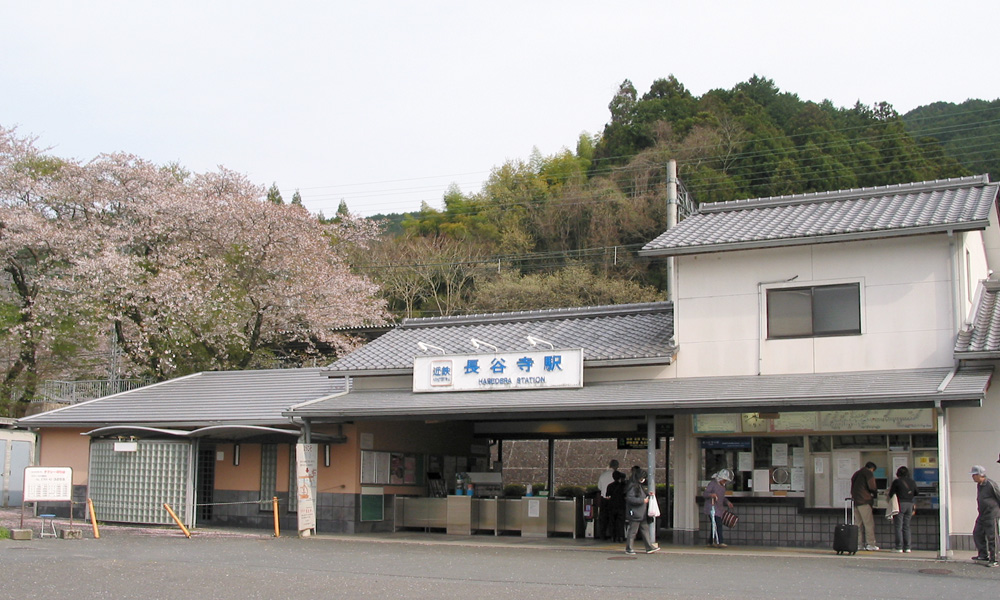
Hasedera Temple
The Temple of Flowers in Yamato — 399-step covered stairway, cliff-edge main hall, and one of Japan's largest wooden Kannon statues. 50 min from Osaka on Kintetsu.
-
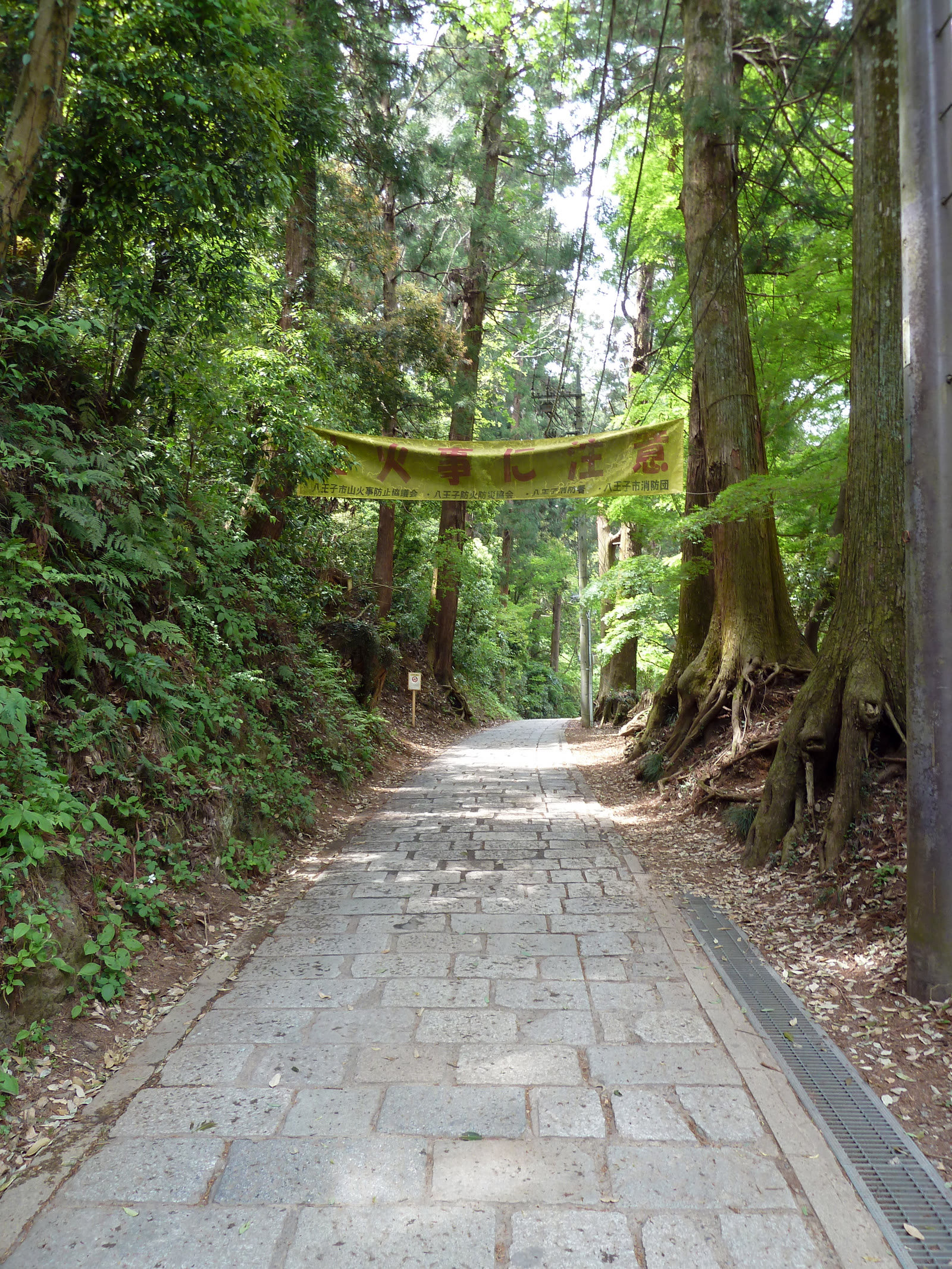
Mount Takao
Michelin three-star mountain 50 minutes from Shinjuku — old-growth forest, a tengu temple, and a Fuji view on clear days.
-
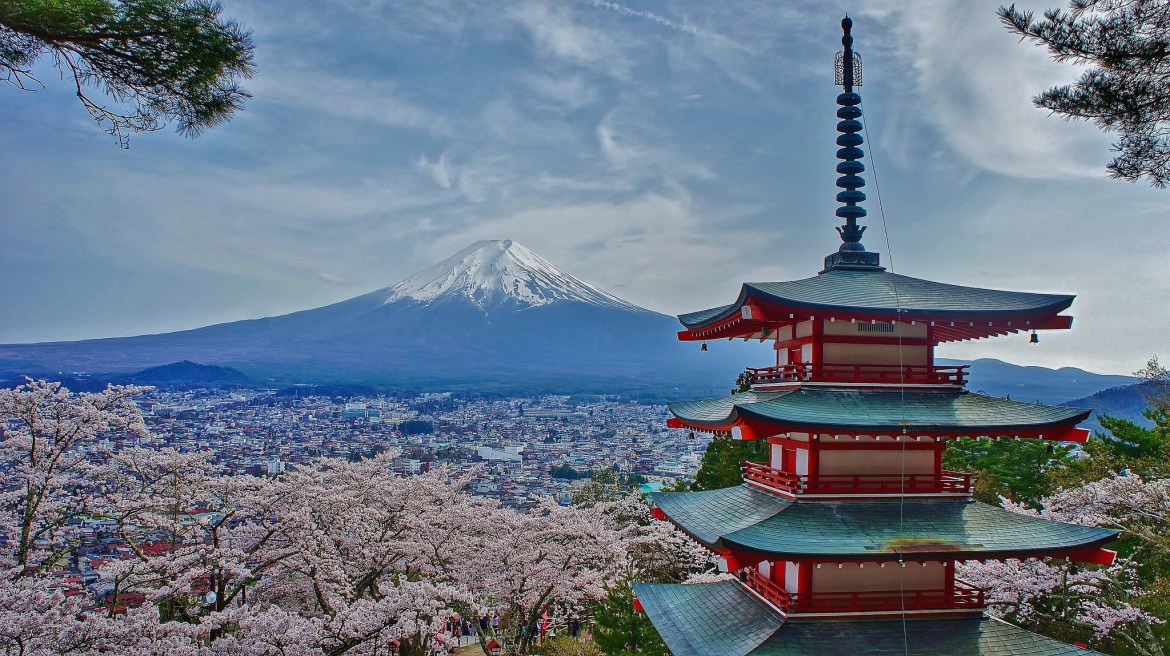
Arakurayama Sengen Park
The world's most recognised Japan photograph — pagoda, cherry blossoms, and Mount Fuji. Come before 9:00 on a clear day.
-
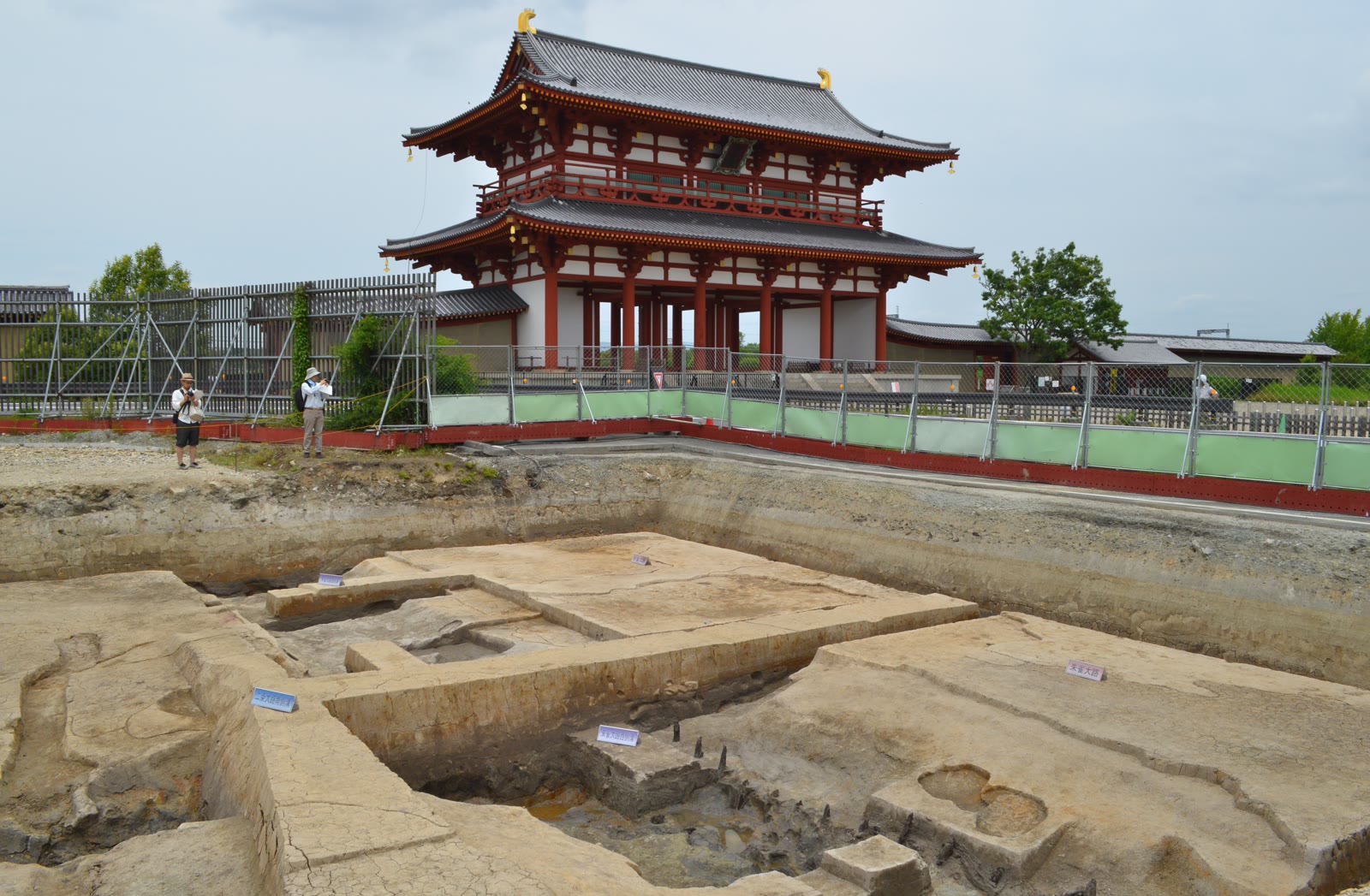
Heijo Palace Site
Japan's best-preserved ancient palace site — UNESCO-listed, free to enter, and vast enough to feel genuinely historic.
-
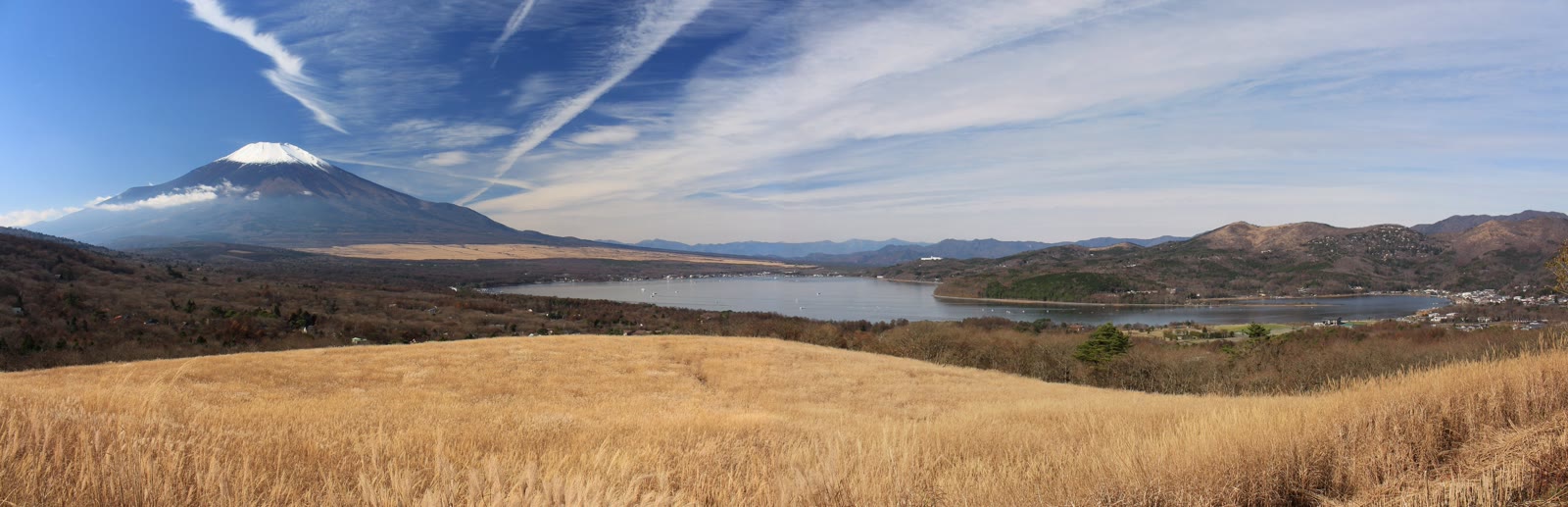
Lake Yamanakako
The Fuji Five Lake closest to the summit — clear Fuji views from the north shore, and Diamond Fuji twice a year at sunset.
-
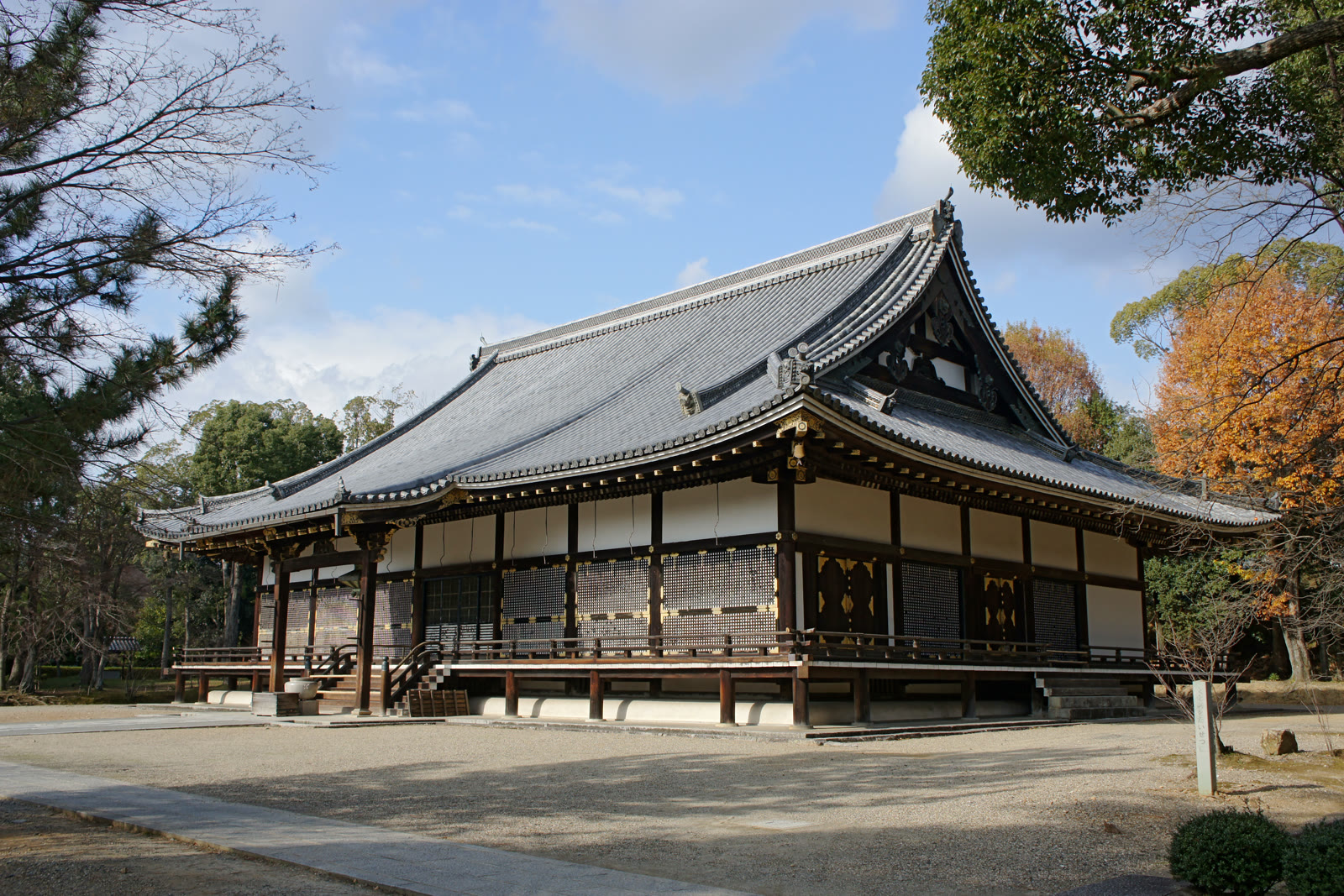
Ninna-ji Temple
Kyoto's last cherries of the season — the Omuro trees bloom at eye level in mid-April, backed by a 1644 pagoda.
-
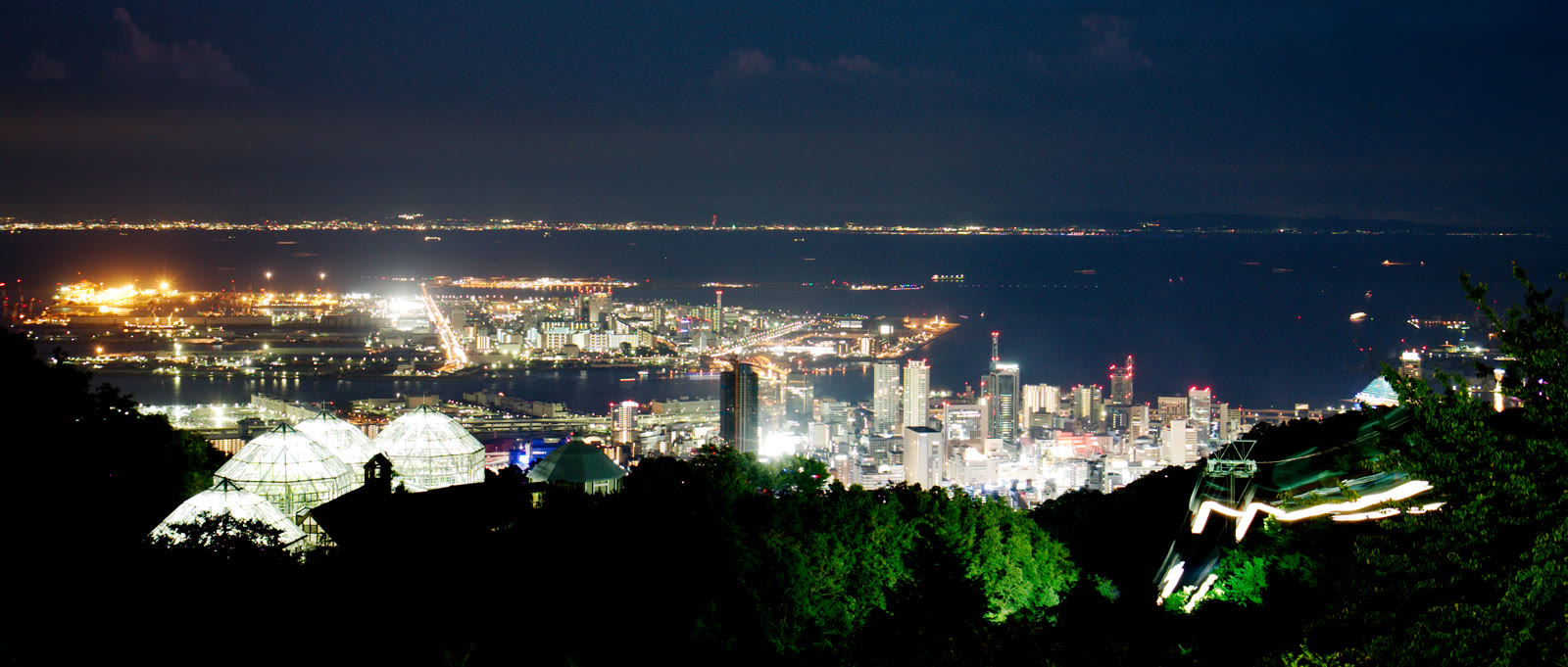
Nunobiki Herb Gardens
Japan's largest herb garden on a Rokko mountainside, with a city-and-harbour panorama that changes from morning light to evening glow.
-
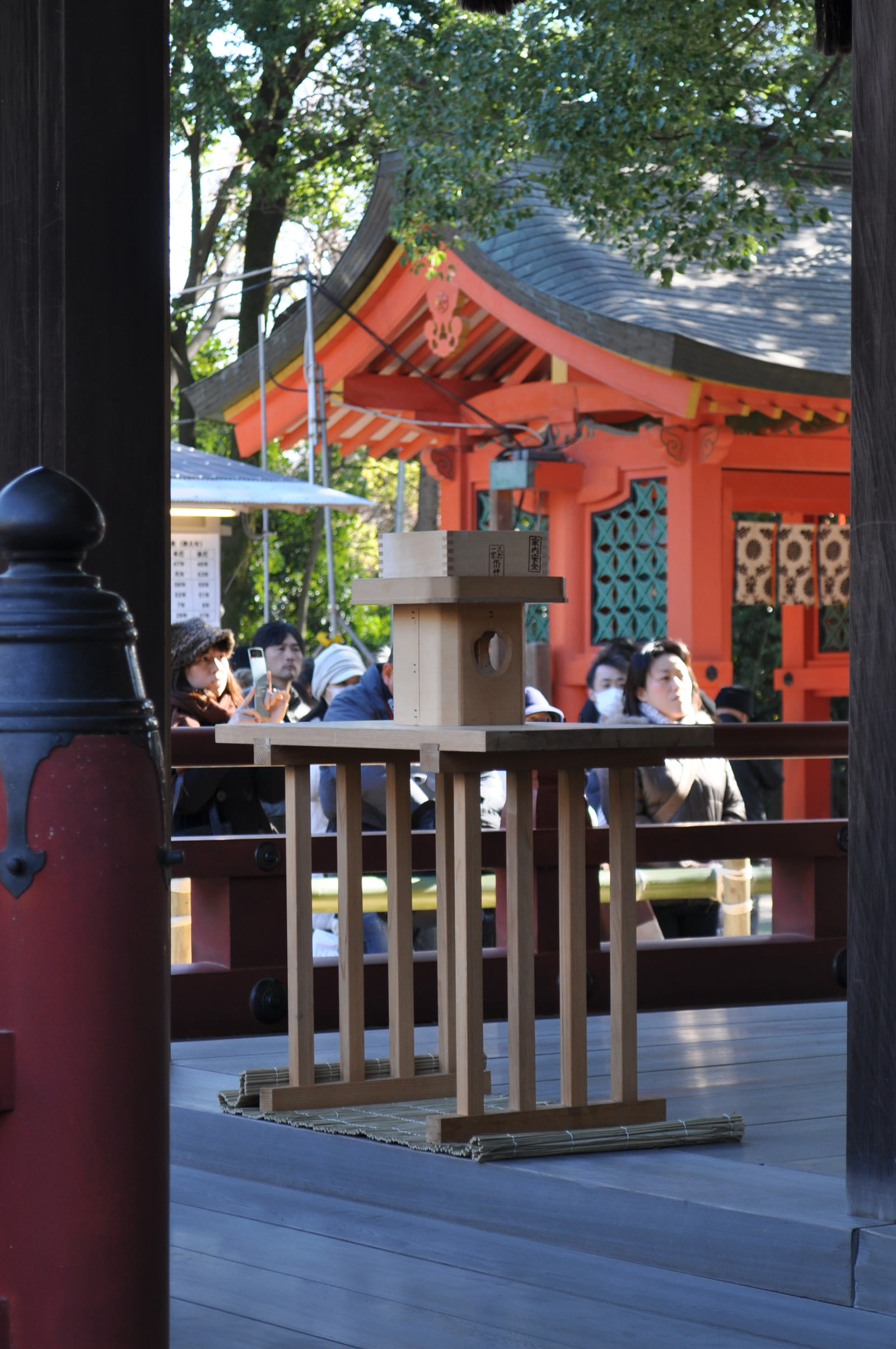
Musashi Ichinomiya Hikawa Shrine
The oldest and most senior Kanto shrine outside Tokyo, reached along a 2 km tree-lined avenue; entry is free.
-
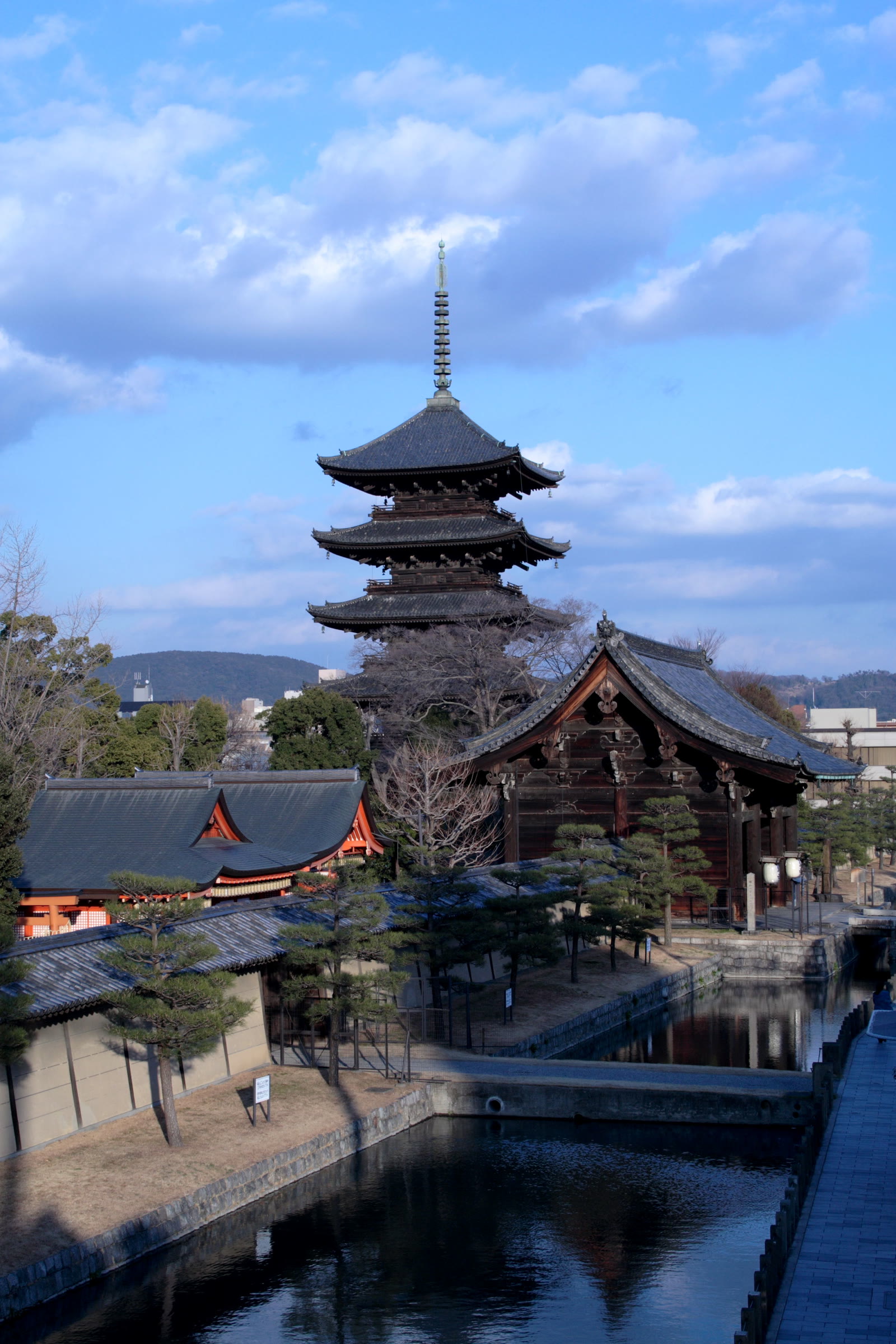
To-ji Temple
Japan's tallest wooden pagoda, minutes from Kyoto Station — and a famous monthly flea market on the 21st.
-
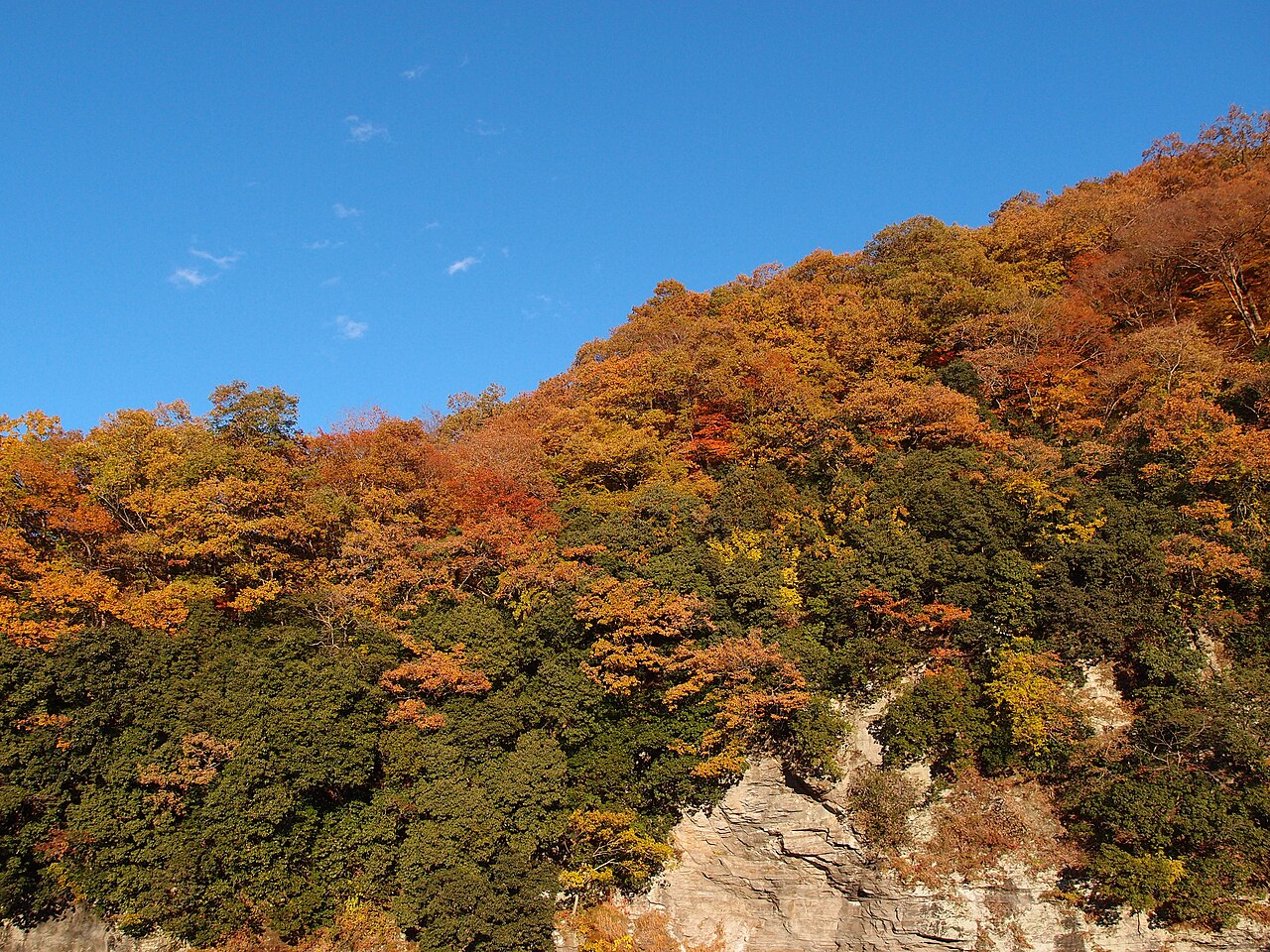
Nagatoro — rock terraces and a pole-steered boat
Rock terraces of exposed deep-earth schist, and a wooden boat poled through the rapids beside them — two hours from Ikebukuro.
-
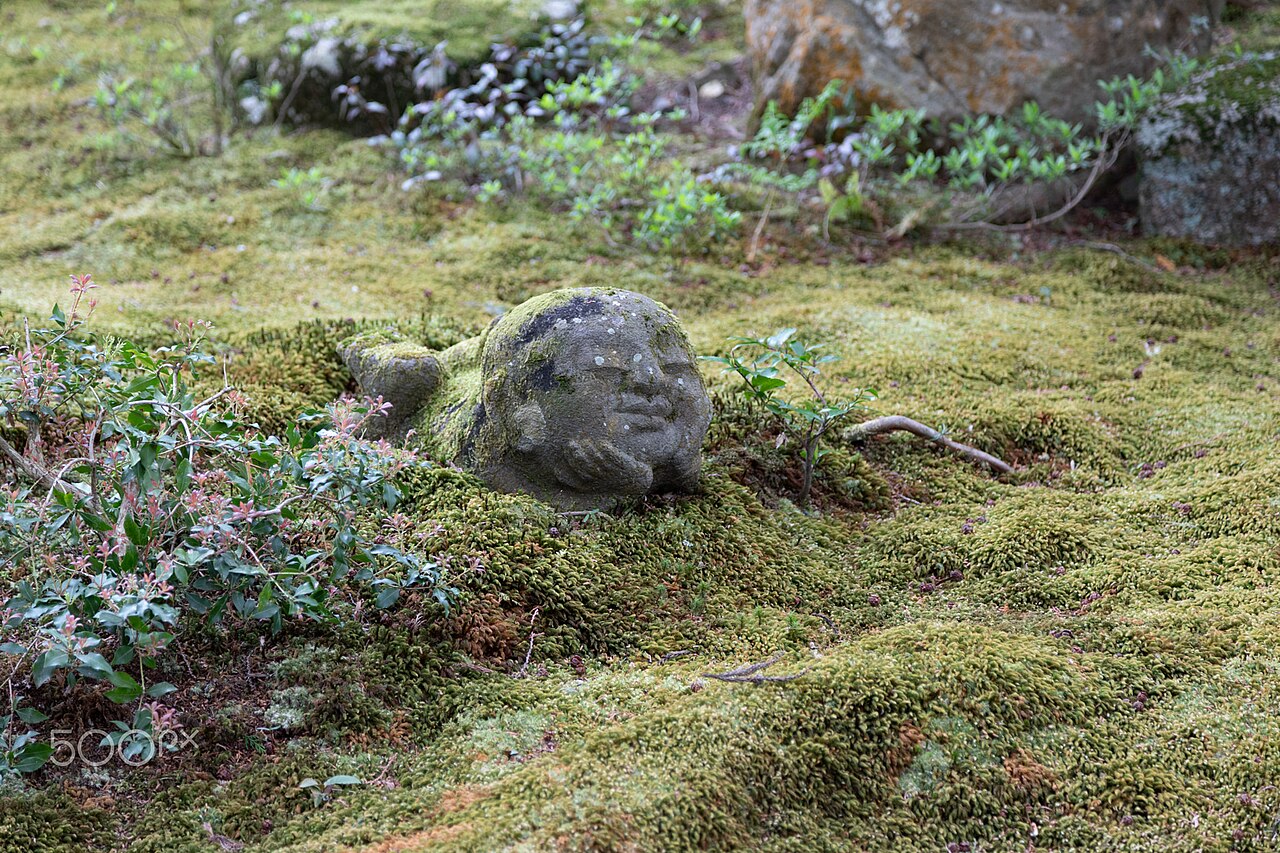
Sanzen-in — Ōhara's moss garden and hidden jizo
A moss garden you walk onto, a thousand-year-old Amida hall standing in the middle of it, and stone children hidden at your feet.
-
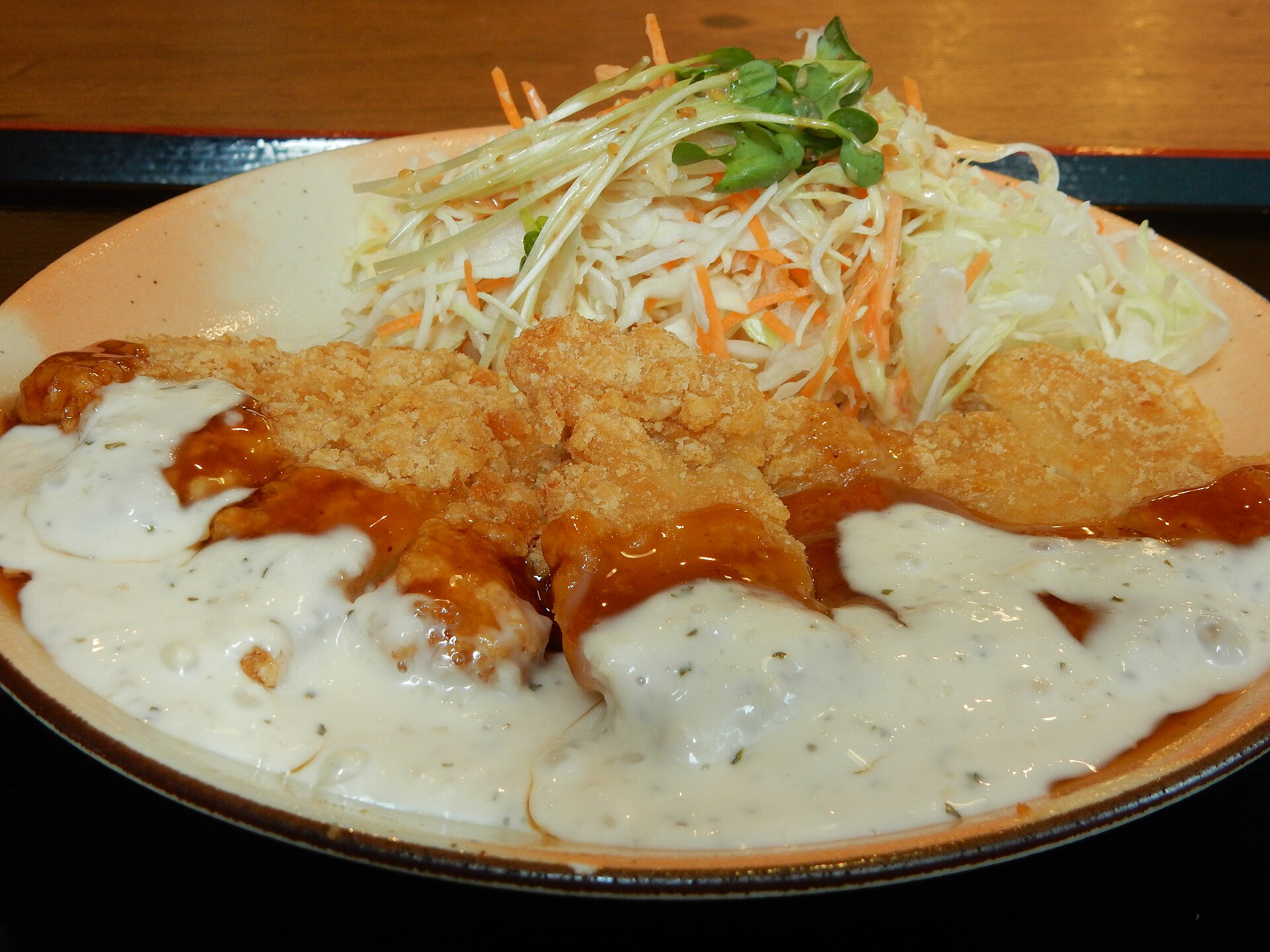
Chicken Nanban — Nobeoka's fried chicken in sweet vinegar
The birthplace of a dish the whole country eats, plus the valley's own produce hall on the way.
-
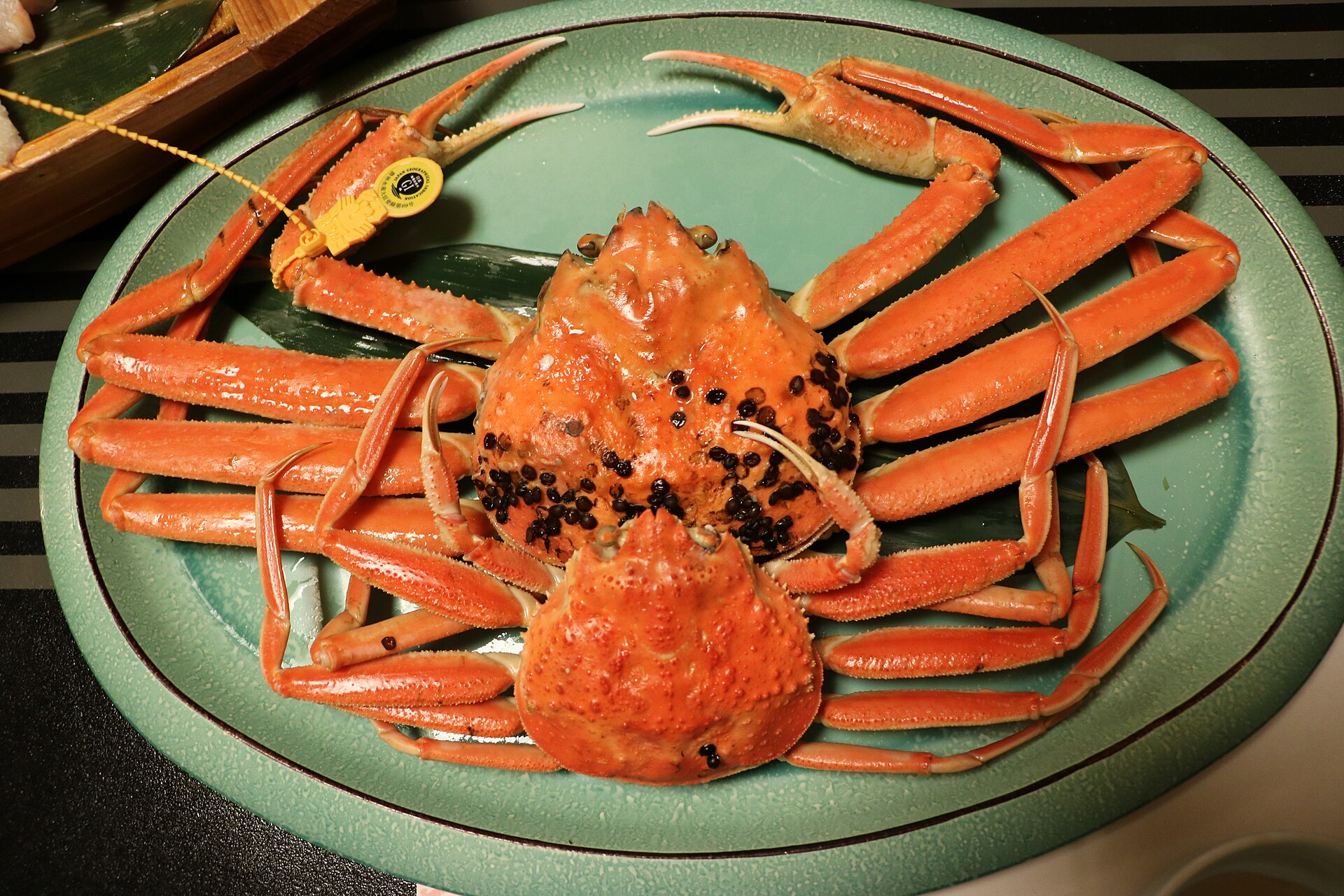
Echizen Snow Crab
The crab's own front door — museum, market hall and a sea bath on one roadside site.
-
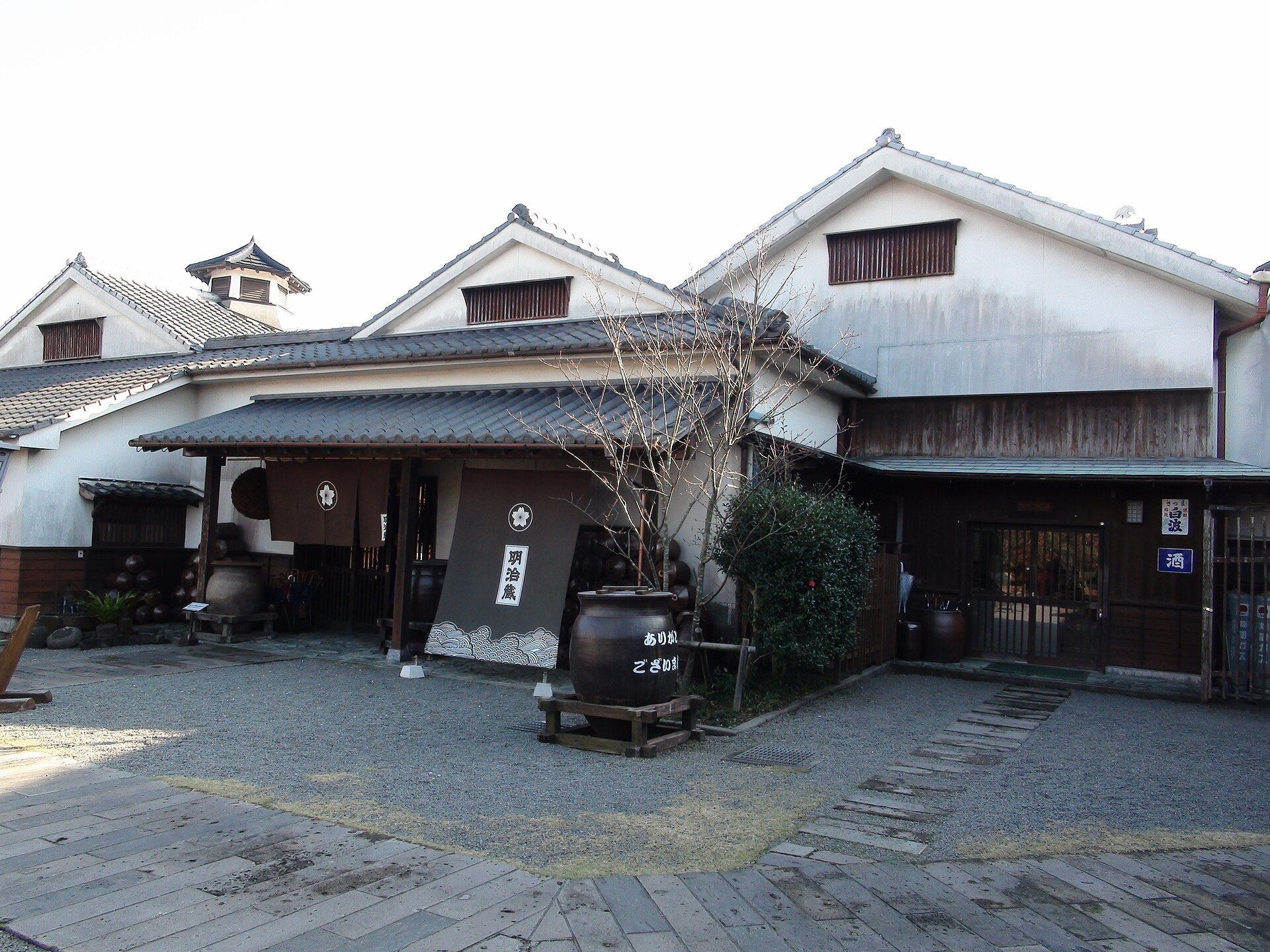
Satsuma Shochu — Kagoshima's sweet-potato spirit
A working Meiji-era shochu kura at the southern tip of Kagoshima, free to enter, tasting included.
-
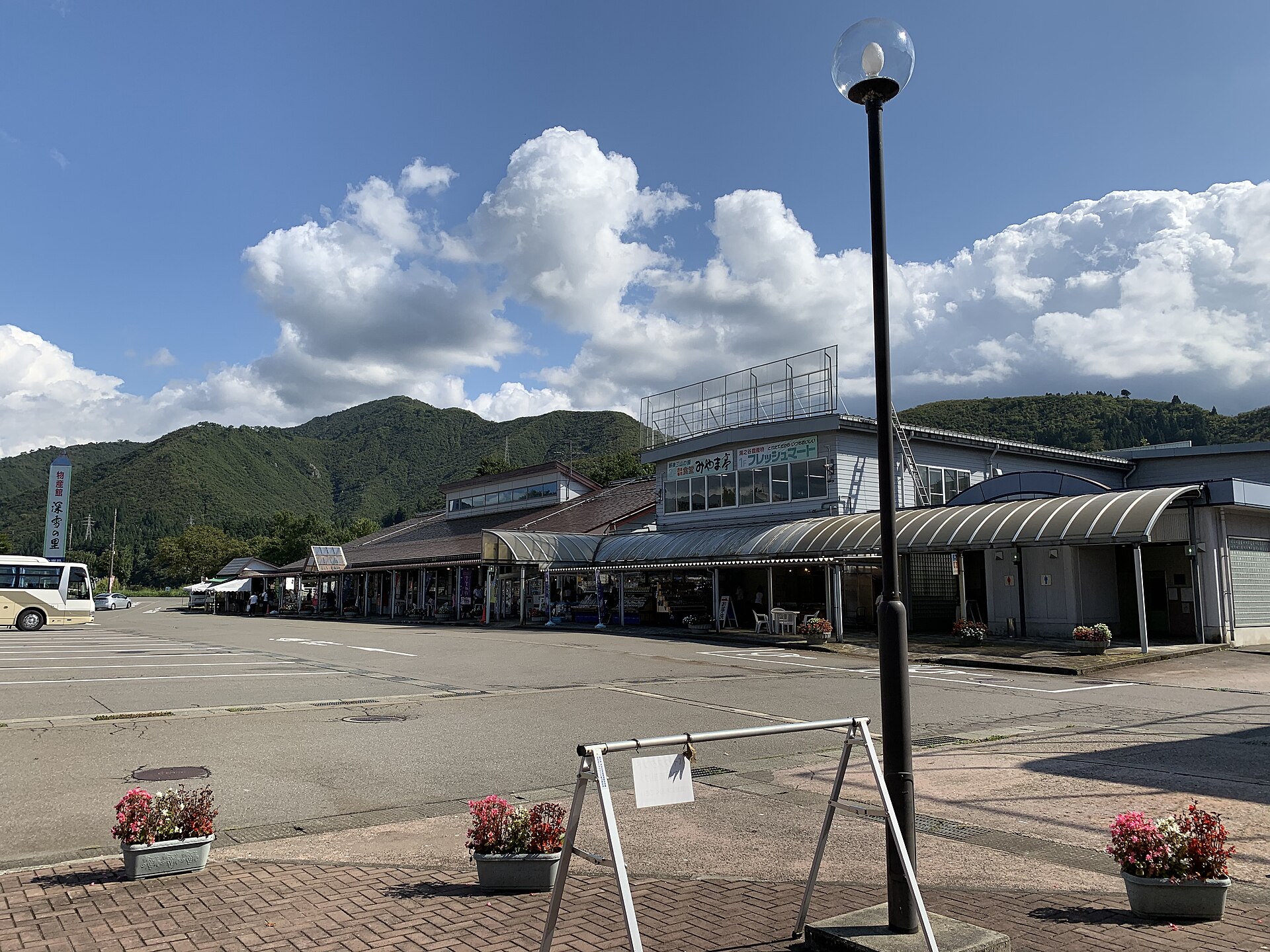
Uonuma Koshihikari Rice
A counter inside Japan's most famous rice district, where the rice is sold and cooked on the spot.
-
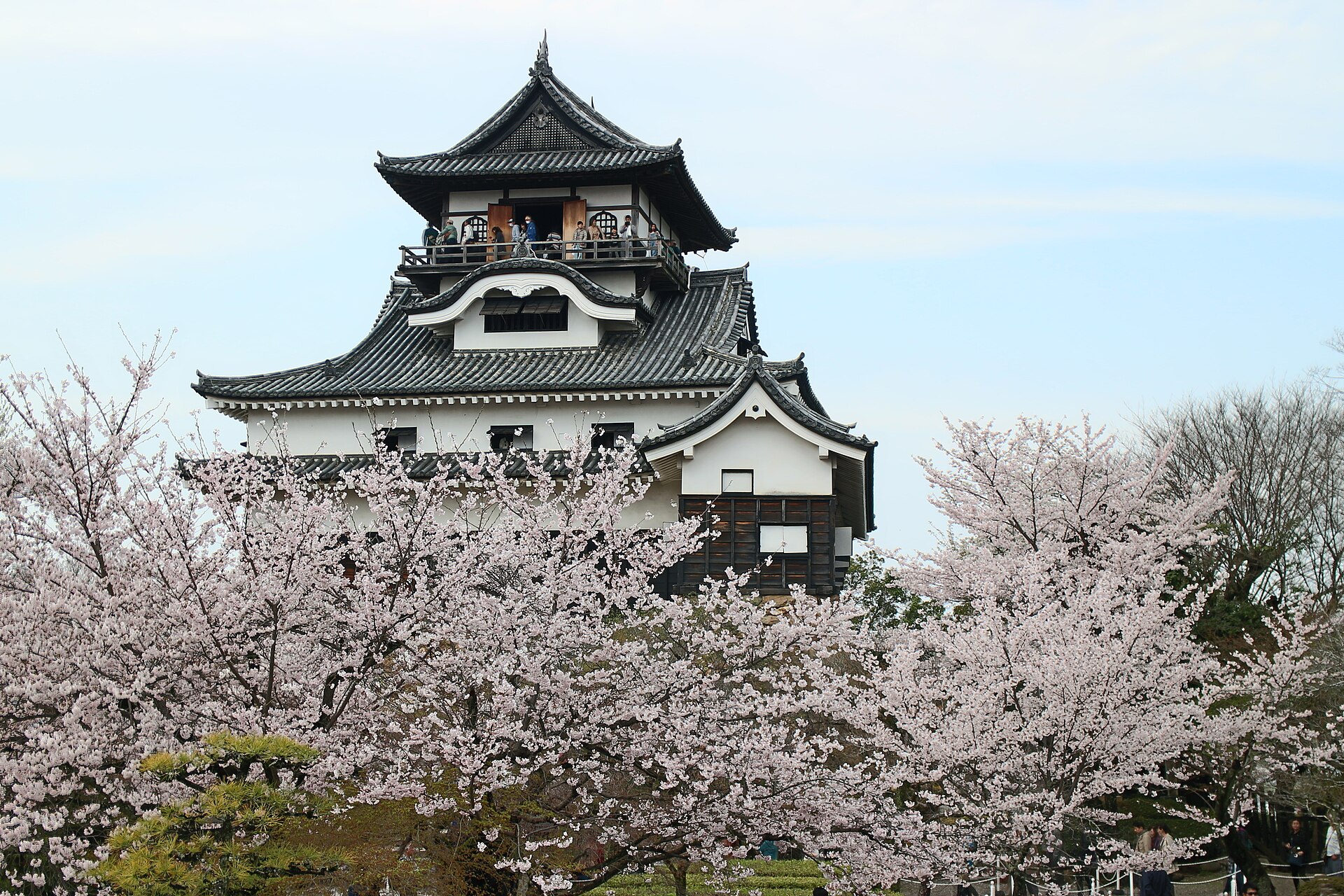
Inuyama Castle
A National Treasure keep on a river bluff, with a gallery round its top floor.
-
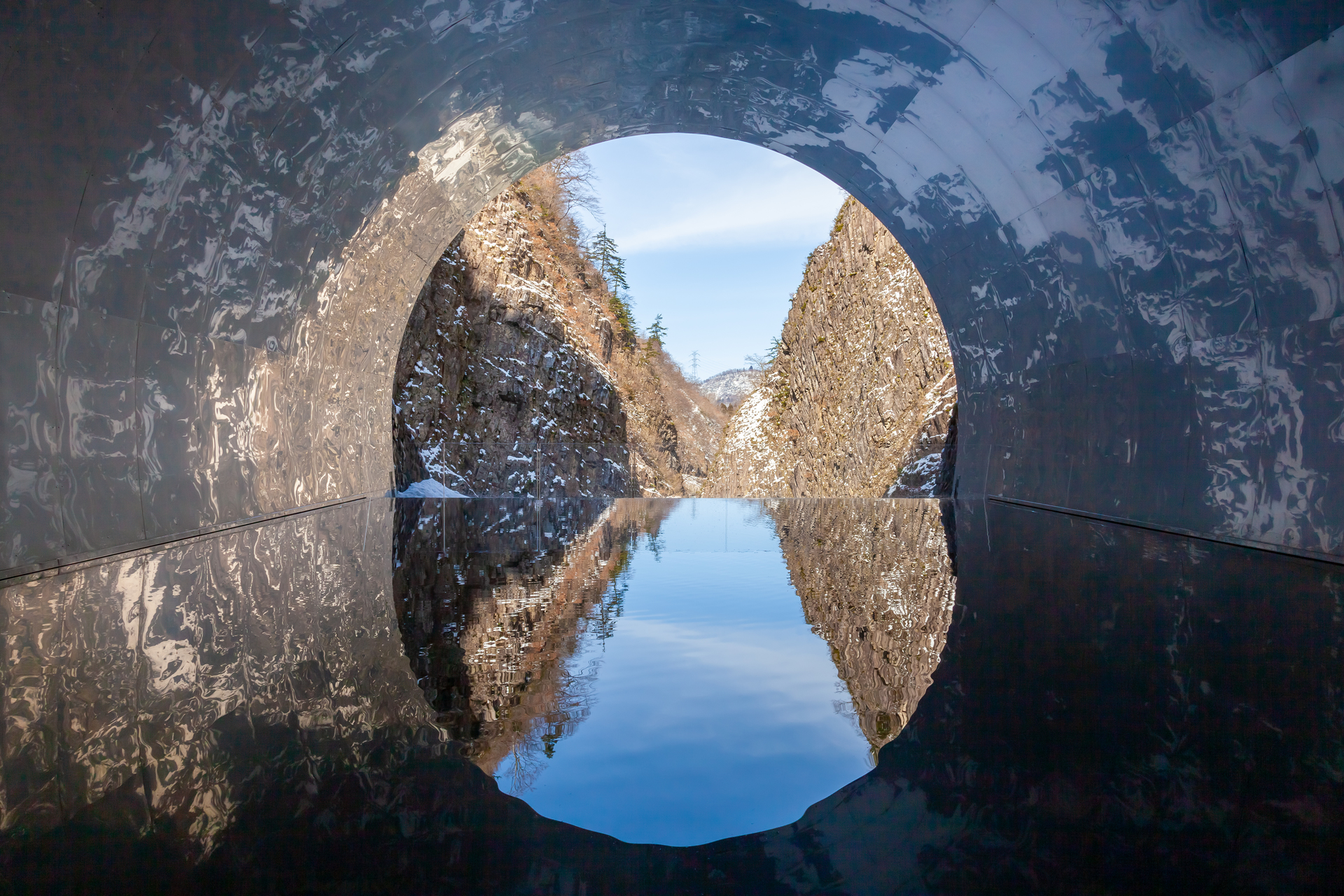
Kiyotsu Gorge Tunnel
Columnar cliffs seen from inside the rock, ending in a pool that mirrors the whole gorge.