North Miyazaki · NobeokaNo.411★★★Open in map →
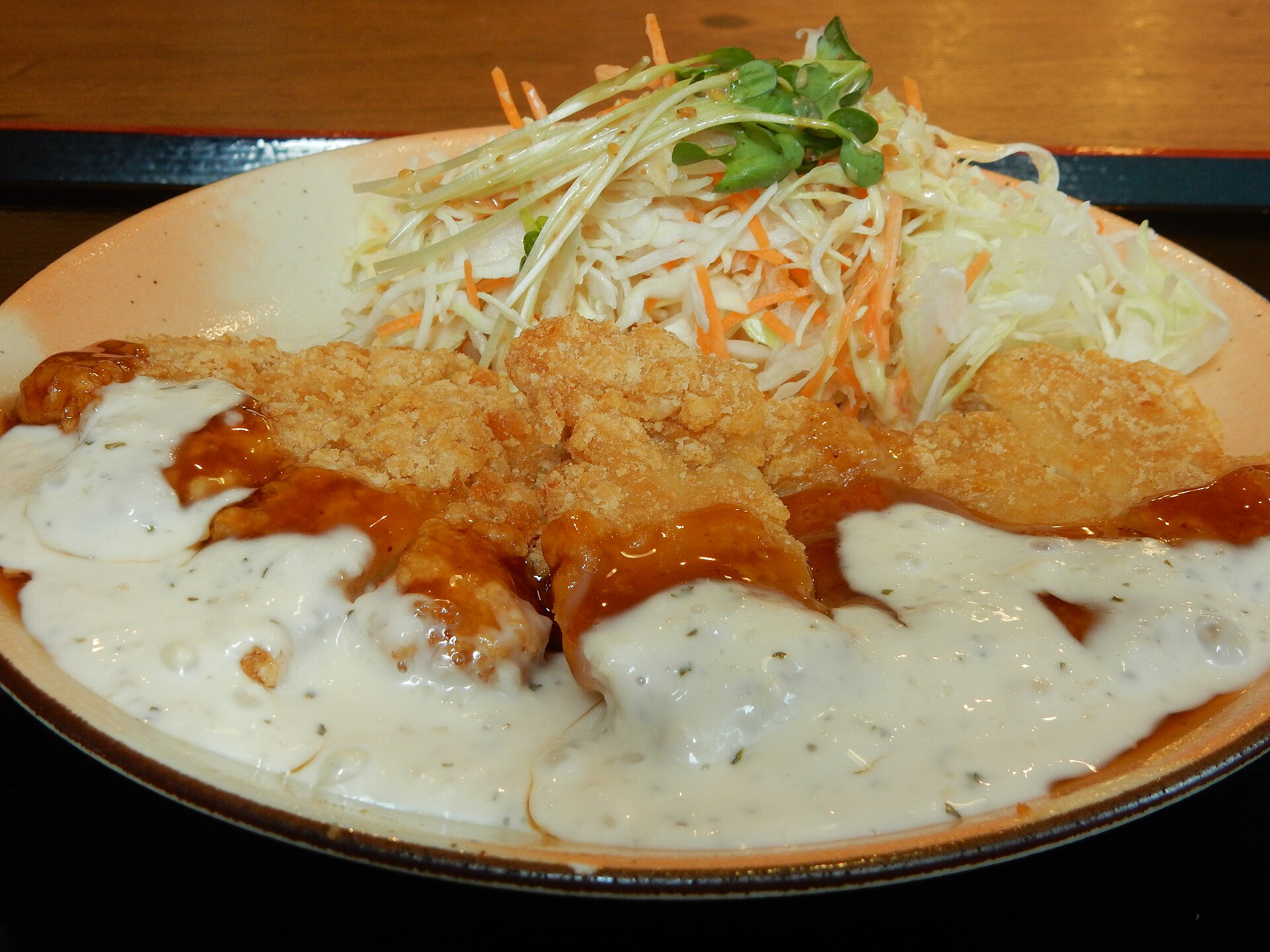
Chicken Nanban
— Nobeoka's fried chicken in sweet vinegar
Fried chicken bathed in sweet vinegar and blanketed with tartare sauce, invented in Nobeoka and now eaten across Japan. The roadside station up Route 218 is the public stop in the valley behind the city that grew it.
- FromNobeoka Station (JR Nippo Line)
- ~25 minCar or taxi from Nobeoka Station
- Chicken Nanban
Where it is
18 more notes in Miyazaki · open the map →What to look for — in walking order
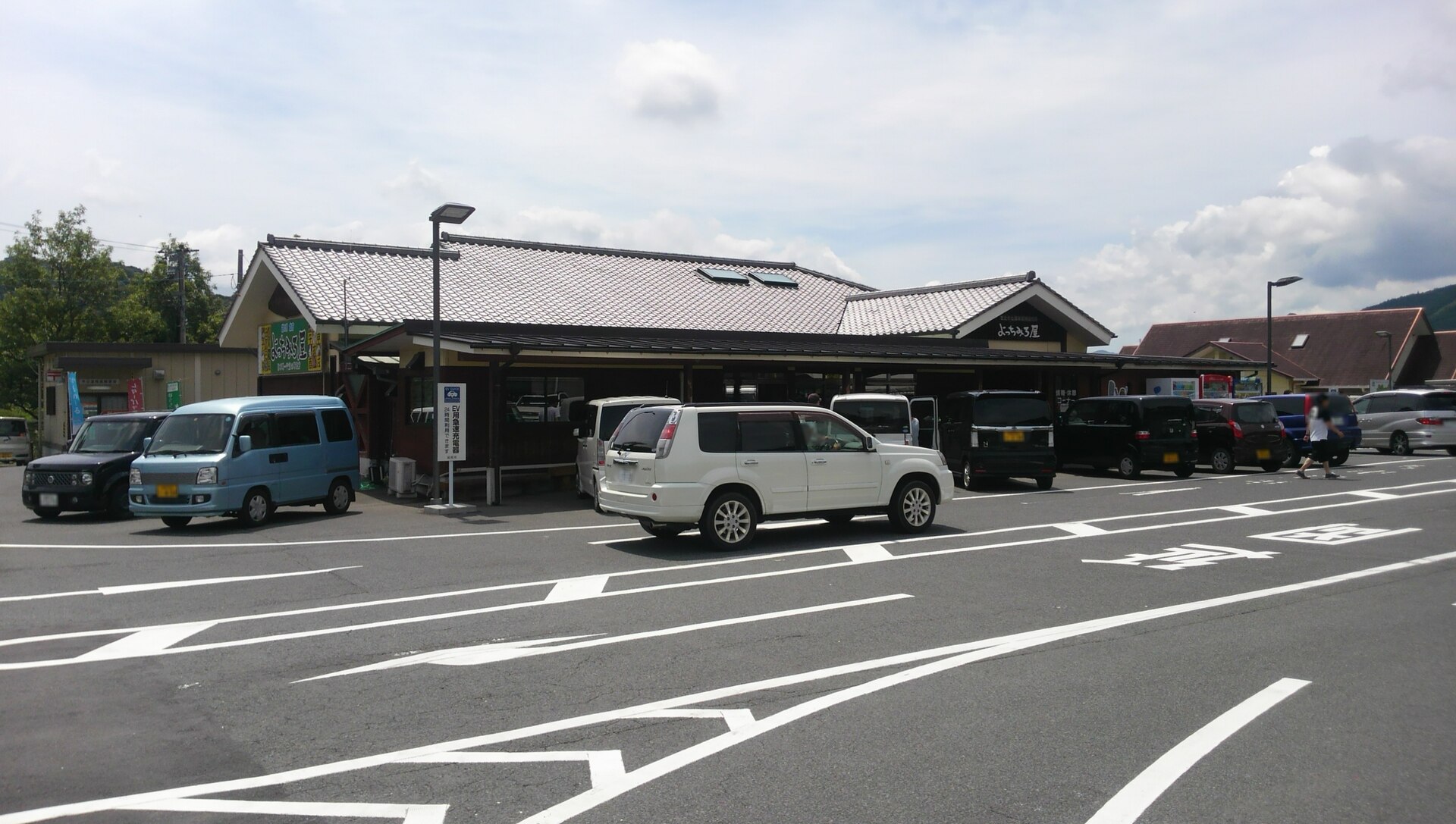
- The farm produce hallvegetables and fruit brought in by growers from the Kitakata valley, with peaches, jiro persimmons and wild yam turning over by season
- The sweets and side-dish shelveslocally made confectionery and prepared dishes, the small-batch kind that sells out rather than restocks
- Hanaya, the roadside restauranta compact eating counter inside the roadside station, serving noodles and local free-range chicken
- The Kurata junctionthe point where Route 218 meets the Kyushu Chuo Expressway, the reason this stop exists where it does
How to actually get there
- Nobeoka Station → Route 218 inland (taxi or rental car, about 25 minutes).
- Stop at Michi-no-Eki Kitakata Yocchimiroya, beside the Kurata junction.
- Work the farm hall first, then the sweets and prepared-food shelves, then the small restaurant.
- Drive back into Nobeoka and order chicken nanban there — with tartare, then without.
- By road from Nobeoka Station
- Nobeoka Station → Route 218 heading inland up the Gokase river valley → Michi-no-Eki Kitakata Yocchimiroya, about 25 minutes by taxi or rental car. There is no walking route and no through train. The car park is free and takes 44 vehicles, so parking is rarely the problem.
- Back down Route 218
- The same road returns to Nobeoka in around half an hour, which is when to eat: the city's restaurants serve the dish, the roadside station does not. Leave enough daylight if you are driving a rental car back, since the valley road is unlit in stretches.
About the place
Chicken nanban is breast or thigh meat, fried, dipped in sweet vinegar while still hot, and usually finished with tartare sauce. It began in Nobeoka as a staff meal — something cooks at a Western-style restaurant in the city made for themselves in the post-war decades, before it had a name or a sauce. Two lineages then grew from it and both survive in the city: one crowned with tartare and a heap of salad, one dressed in the sweet vinegar alone. Nobeoka's inland valley, reached on Route 218, is where the dish's home ground opens up, and the roadside station at Kitakata is its public front door — a farm hall and a small kitchen where the area's growers sell what they bring in.
How to enjoy it
Come in the first half of the day: the farm hall opens at 8:00, well before the city's kitchens, so you can shop here and eat chicken nanban back in Nobeoka at lunch. Order the tartare version first — that is the mainstream style — and the plain sweet-vinegar version second, so the vinegar is not buried under mayonnaise on your first taste. Summer brings peaches to the hall, autumn the persimmons, and winter the wild yam, so the shelves are worth a look whatever the month.
Background & history
The dish came out of a kitchen, not a cookbook. Cooks at a Western-style restaurant in Nobeoka fried chicken and steeped it in sweet vinegar for their own meals in the middle Showa decades; there was no tartare then and no name for it. Once it went on menus, two versions parted ways — one adding tartare and salad, one keeping the vinegar clean — and both took hold locally. In 2009, on 8 July, the city formally declared itself the birthplace of chicken nanban, by which time convenience stores and lunchbox chains nationwide had long since adopted it.
Before you go
- Cash
- Nothing is ticketed — you pay for what you buy at the farm hall or eat at the small restaurant inside. Carry cash as well as a card; a rural produce hall is not the place to depend on a foreign card clearing.
- Before you go
- The farm hall runs 8:00 to 18:30, closing at 18:00 in January and February, and shuts from 31 December to 2 January with occasional other closures. The car park and toilets stay open around the clock, so the site works as a night stop even when the shop does not.
- Another way
- Coming down from Takachiho instead of up from the coast, the same Route 218 follows the gorge and meets the Kyushu Chuo Expressway at the Kurata junction, a minute from the car park.
- After you get off
- Nobeoka Station is the rail gateway, but it is not walking distance — the roadside station lies roughly 16 kilometres inland. Take a taxi or drive; the site is signposted from the Kurata junction and sits directly on Route 218.