Iwate · MiyakoNo.562★★★Open in map →
Jodogahama
— White rhyolite spires on the Sanriku coast
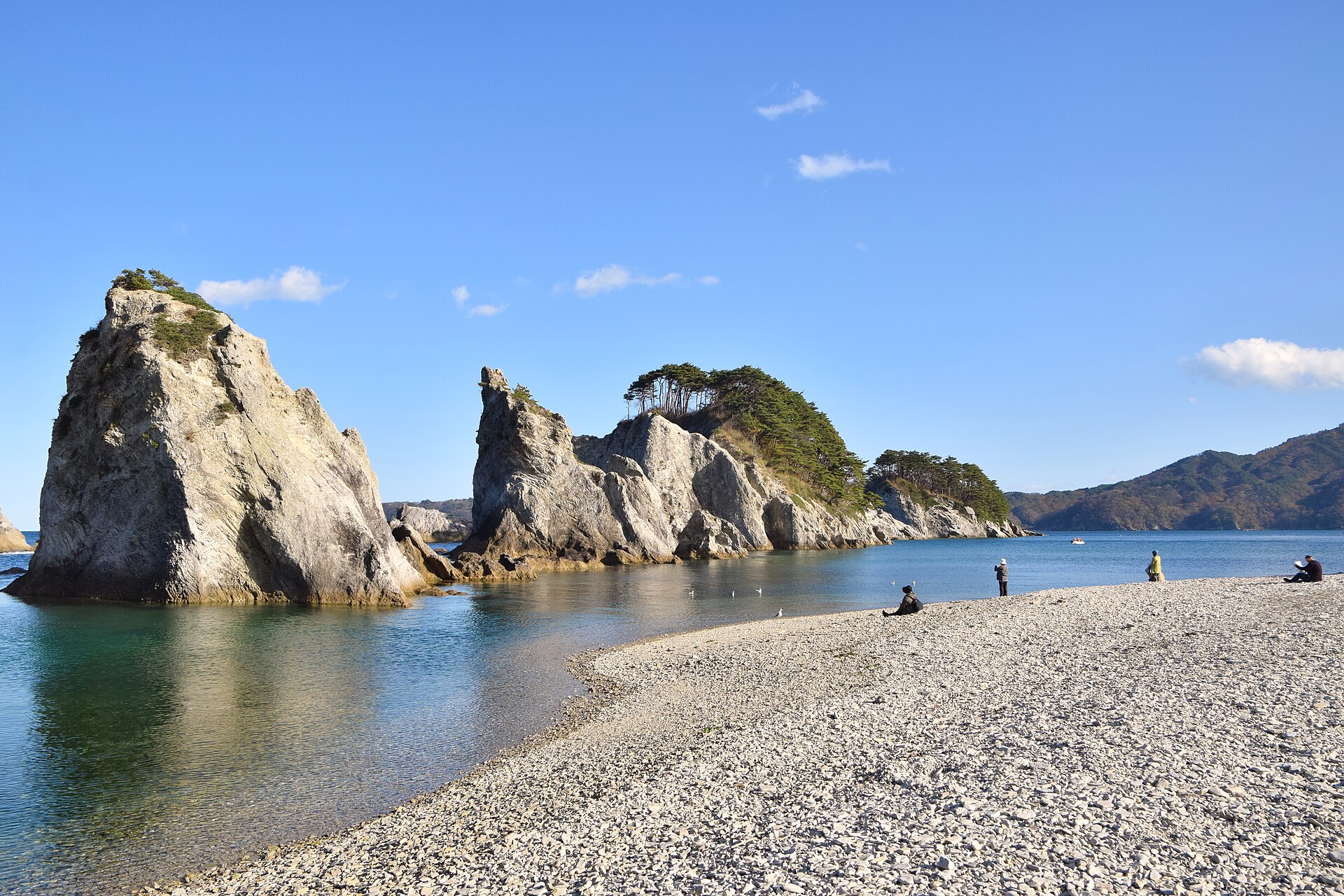
A cove on the Sanriku coast where white rhyolite rises out of dark pines and the water sits almost still behind the rocks. Miyako built its visitor centre on the hill above; the shore itself is a few minutes below.
- FromMorioka Station
- ~2 hr 30 minBus from Miyako Station, ~20 min
- Get off atMiyako Station (JR Yamada Line)
- From there
- Jodogahama
Where it is
17 more notes in Iwate · open the map →What to look for — in walking order
- Jodogahama Visitor Centerfree exhibits on the Sanriku coast, on the hill above the cove
- The white rhyolite spires and the covepale rock and dark pines standing across the mouth of the sheltered water
- Oku-Jodogahama Rest Housefood, shelter and the last stop before the pebbles
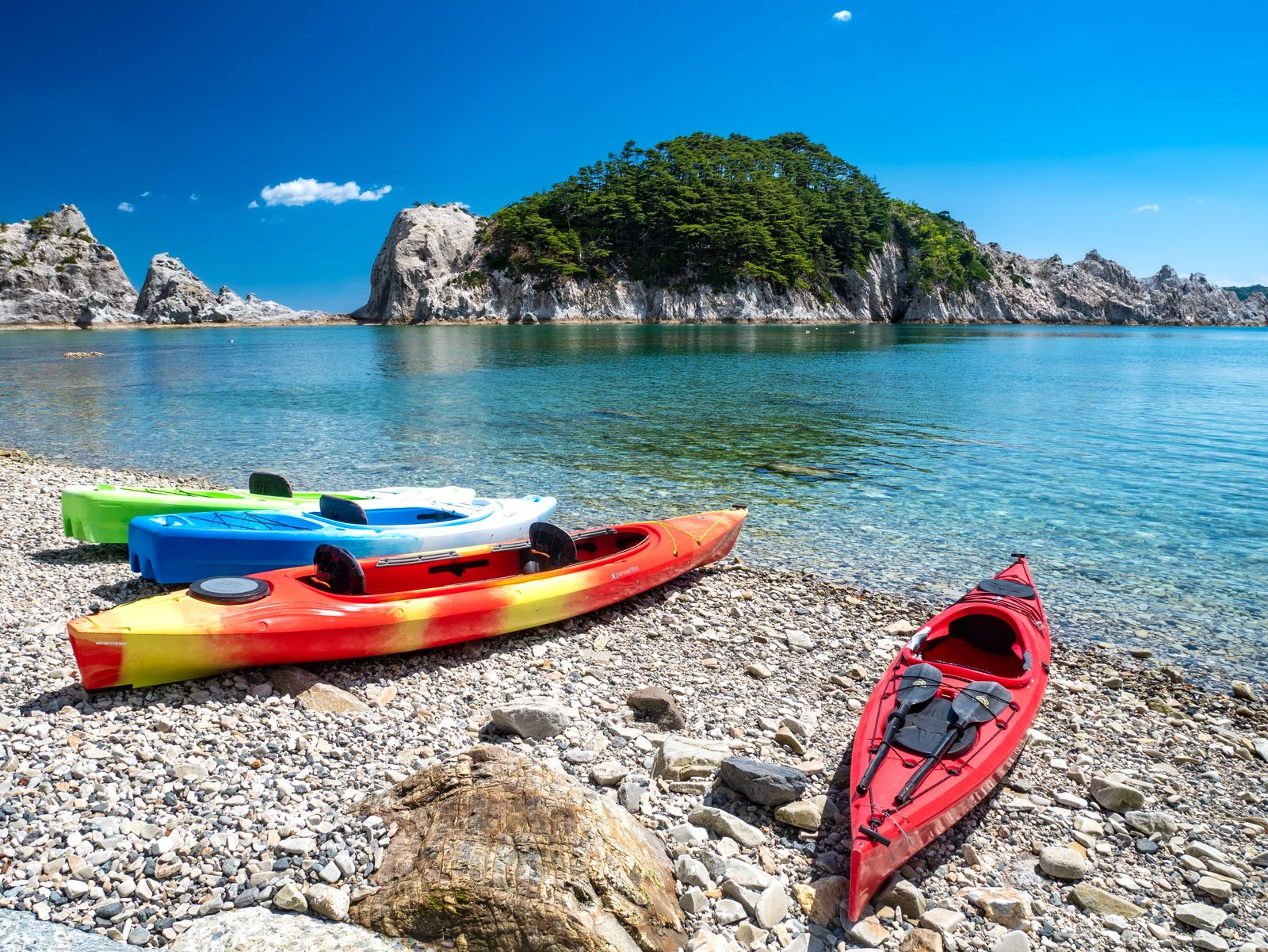
- Marine Housewhere the small open boats leave for the sea cave further along the coast
How to actually get there
- Morioka Station → Miyako Station (JR Yamada Line or highway bus).
- Miyako Station → Oku-Jodogahama by bus (about 20 min).
- Walk down past the visitor centre to the cove and the white rock.
- Finish at the rest house or the boat counter, then take the bus back to Miyako Station.
- Bus from Miyako Station
- Morioka Station →(JR Yamada Line, or a highway bus)→ Miyako Station, then the bus bound for Oku-Jodogahama, about 20 min to the cove. A shorter service toward Miyako Hospital leaves a longer walk from its stop. Miyako is also served by the Sanriku Railway if you are working your way along the coast.
- Return to Miyako Station
- Take the same bus back from the cove to Miyako Station. Services thin out in the late afternoon and there is nothing on the headland after dark, so fix the return before you walk down to the water. From Miyako the Yamada Line and the highway bus both run back to Morioka for the Shinkansen.
About the place
Jodogahama faces the open Pacific, but the rocks stand across the mouth of the cove, so the water inside stays flat while the sea works outside. The rock is rhyolite, pale because it holds so much silica, and the pines that grip the tops give the contrast the place is known for. A network of footpaths runs along the headland above, and the shore below is loose white pebbles rather than sand. Small open boats leave from the cove for a sea cave further along the coast, and a larger cruise boat works the bay from the waterfront. It all sits inside a national park that carries the word for reconstruction in its name.
How to enjoy it
The bus from Miyako Station reaches the cove in about 20 minutes, which makes this a half day rather than a full one. The visitor centre runs from 9:00 to 17:00 and costs nothing, so it is a sensible first stop while you decide how long you want at the water. The boats to the sea cave run from March into late November and are off through the winter.
Background & history
A priest from Joan-ji in Miyako is said to have looked at the cove in the 1680s and called it the very image of the Pure Land, which is where the name comes from. The prefecture listed it as a scenic beauty spot first and the nation followed later. It was picked for the national list of clean bathing beaches in 2006, in the top grade for sea water. The coast was struck by the tsunami of 2011, and the buildings at the shore were rebuilt and reopened in the years that followed.
Before you go
- Cash
- The shore and the footpaths cost nothing, and the visitor centre is free to enter. The small boats to the sea cave and the Miyako Umineko-maru cruise are ticketed separately at their own counters by the water.
- Before you go
- The sea-cave boats do not run from December through February, and the wind off the Pacific is the reason rather than the calendar. The shore and the paths are open through the year, though the coastal footpath is closed at times after heavy weather. The pebbles are loose underfoot and the white rock is not something to scramble on when wet.
- Another way
- By car the cove is reached on the Jodogahama road out of Miyako, but from the start of April to the end of October the road inside the park is permit-only and general vehicles cannot drive down to the water. In that season you leave the car at one of the four numbered car parks, which hold several hundred vehicles between them, and walk the last 15 min down. Outside it, the small area behind the rest house is the closest to the shore.
- After you get off
- From Miyako Station take the bus bound for Oku-Jodogahama; it sets down at the cove itself and the shore is a short walk below the stop. If you take the Miyako Hospital service instead, allow extra time on foot from where it drops you.