Iwate · Morioka old townNo.1015★★★Open in map →
Wanko Soba
— Iwate's soba served one small bowl at a time
Soba served a mouthful at a time, in small lacquer bowls a server keeps refilling until you cover yours with the lid. Morioka serves it in the old castle town by the Nakatsu River, a short bus ride from the station.
- FromMorioka Station
- ~10-15 minCity bus from Morioka Station
- Get off atMorioka Bus Center (city bus)
- From there
- Wanko Soba
Where it is
17 more notes in Iwate · open the map →What to look for — in walking order
- Plaza Odettethe city's tourism and culture centre, with an information floor and a museum of letters upstairs
- Nakanohashi Bridgethe crossing over the Nakatsu River that gives the surrounding district its name
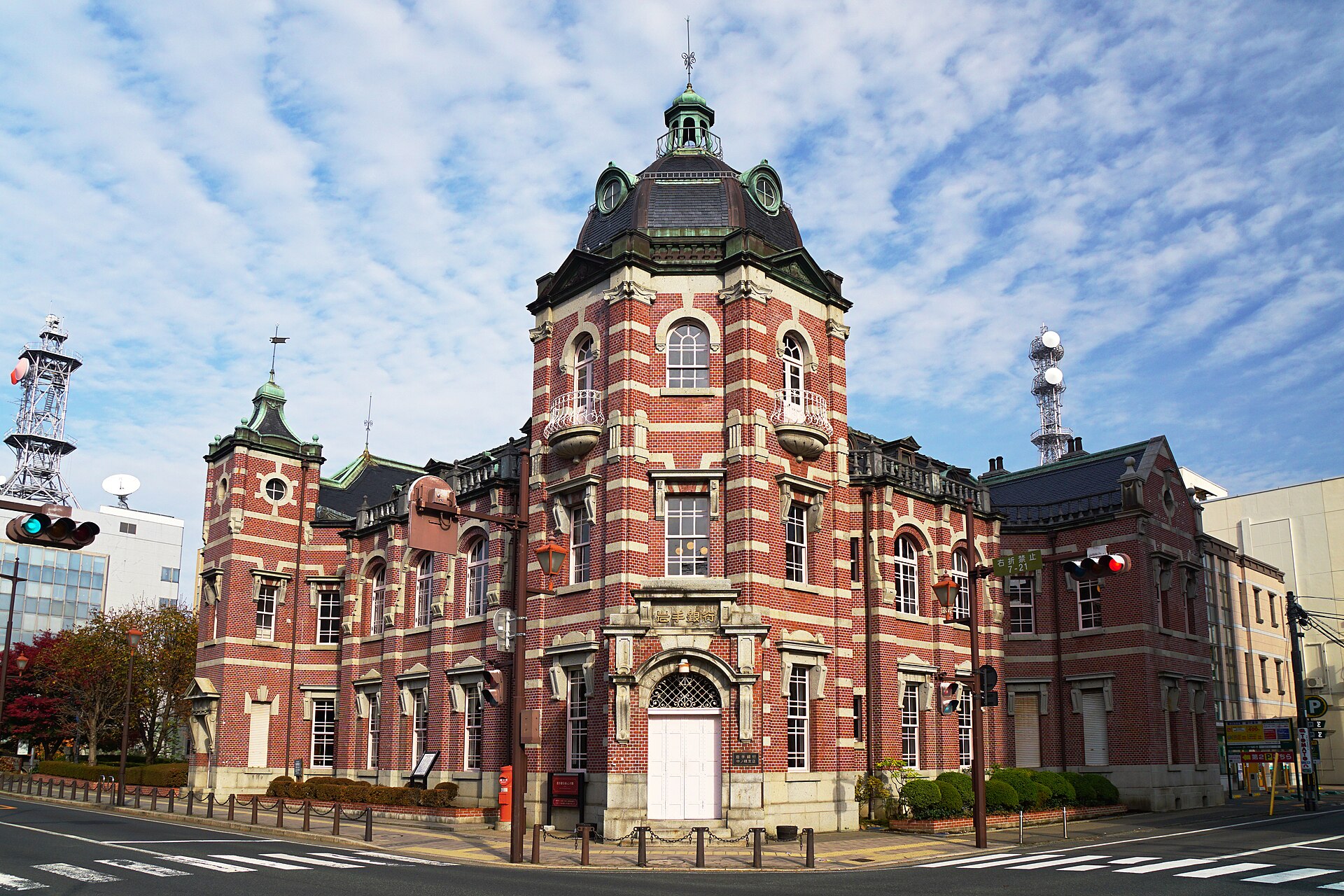
- Iwate Bank Red Brick Buildinga brick bank hall, the first working bank in the country listed as an Important Cultural Property
- Morioka Castle Ruins Parkgranite walls of the Nanbu family's castle, now the park at the centre of the city
How to actually get there
- Morioka Station → Morioka Bus Center (city bus or the Dendenmushi loop, roughly 10 to 15 minutes).
- Morioka Bus Center → Plaza Odette (a few minutes on foot, toward the Nakatsu River).
- Cross Nakanohashi and walk west past the Iwate Bank Red Brick Building to Morioka Castle Ruins Park.
- Choose your wanko soba house in the old town before you travel; each keeps its own hours.
- City bus from Morioka Station
- Morioka Station →(city bus toward Morioka Bus Center, or the Dendenmushi city-centre loop, roughly 10 to 15 minutes)→ Morioka Bus Center, then a few minutes on foot to the foot of Nakanohashi. Buses leave from the numbered stands on the east side of the station. The loop bus runs in both directions, so check which way round you are boarding before the doors close.
- Back to Morioka Station
- The same buses run in reverse from the Morioka Bus Center stand, and the loop bus completes a circuit through the city centre, so either direction returns you to the station. Services thin out in the evening. If you are catching a Shinkansen, walking back along the main street is the fallback that does not depend on a timetable.
About the place
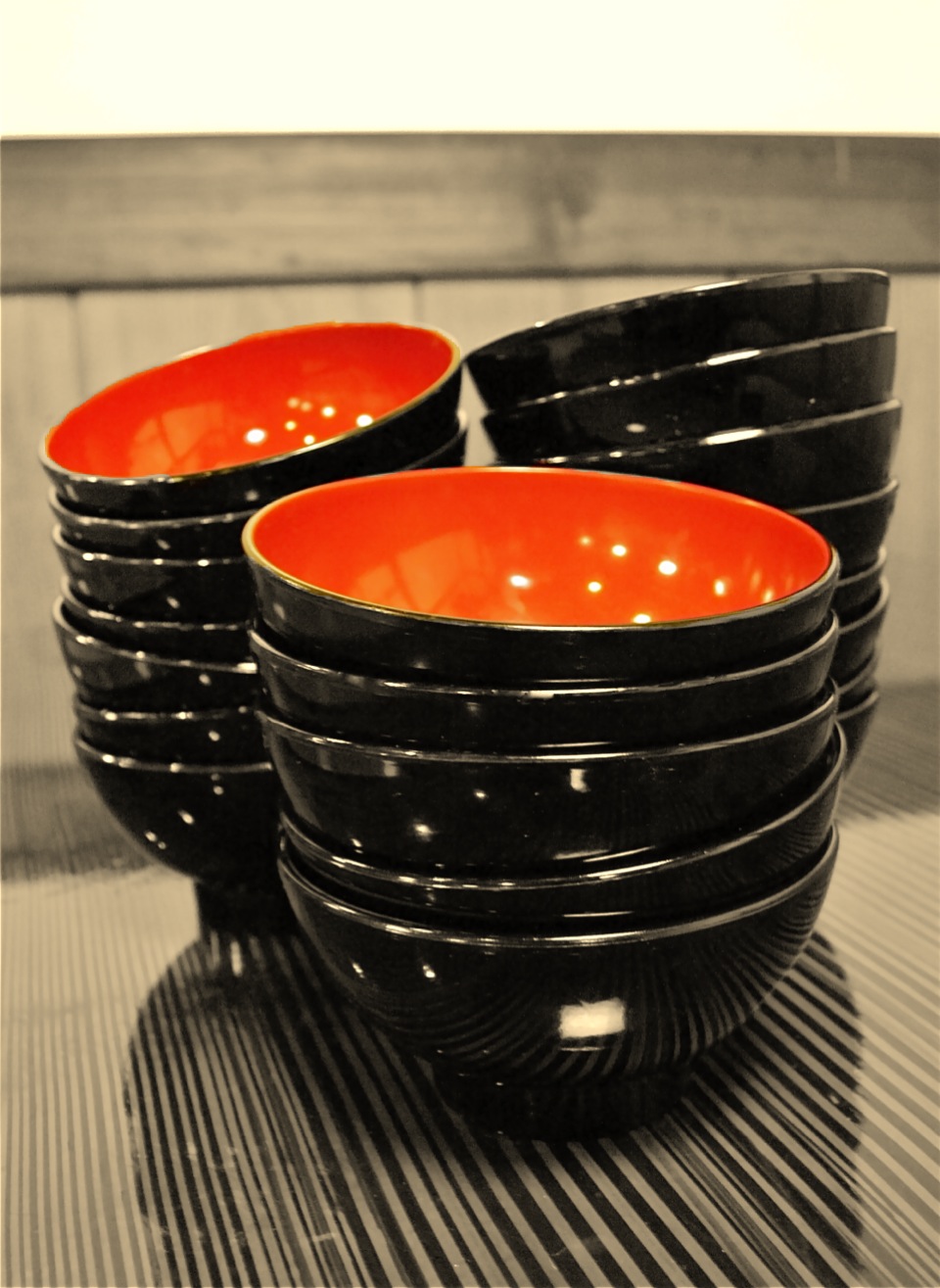
Wanko is the local word for a small lacquer bowl, and the dish is built around it. A server works the table with a tray of them, tipping a single mouthful of soba into your bowl the moment you empty it and calling out as she goes. Saying you have had enough does not stop the refills. The meal ends only when you drop the lid onto the bowl while it is still empty, which is a matter of timing rather than politeness. Condiments are set around the table, from sliced spring onion and shredded nori to dried bonito and grated radish, so no two bowls have to taste alike. The finished bowls stack up beside you, and the stack is the record of the meal.
How to enjoy it
Houses that serve the dish set their own hours and many prefer a booking, so settle where you will eat before you set out rather than after. Plaza Odette holds the tourist information floor and stands at the head of the walk west toward the castle, which makes it the practical first stop. If you are in the prefecture in winter, Hanamaki runs its national wanko soba contest on 11 February, a date the town also calls Wanko Soba Day.
Background & history
The custom of setting soba in front of guests took hold in the Nanbu domain, in the country around Morioka and Hanamaki. The best-known origin story belongs to the early Edo period: Nanbu Toshinao, the 27th head of the house, broke his journey to Edo at Hanamaki, was offered the local buckwheat in a lacquer bowl rather than a commoner's larger vessel, and asked for it again and again. Morioka has claims of its own, and the dish is now counted among the city's three noodles alongside reimen and jajamen. What every version has in common is the bowl, not the recipe.
Before you go
- Cash
- The walk itself costs nothing. Fares on the city buses are paid on board and the board by the door shows the amount for your stop. Where you eat sets its own price, which each house posts at its entrance.
- Before you go
- Nothing here shuts for weather, since the bank hall, the information centre and the castle park all sit in the middle of the city, but the riverbank is exposed and Morioka's winter is a northern one. Individual houses keep their own rest days, so the meal is the part of the plan to confirm first.
- Another way
- On foot, the old town is a straight walk east from Morioka Station, over the Kitakami River and up the main street through the shopping arcades. By car, the district sits inside the loop of the Kitakami and Nakatsu rivers, with paid parking under Plaza Odette.
- After you get off
- From the Morioka Bus Center stand, walk west along the main street for a few minutes. Plaza Odette stands on the near bank of the Nakatsu River at the foot of Nakanohashi, and the brick bank hall is the next corner beyond it.