Iwate · TonoNo.580★★Open in map →
Kappabuchi
— Kappa pool behind Joken-ji temple in Tono
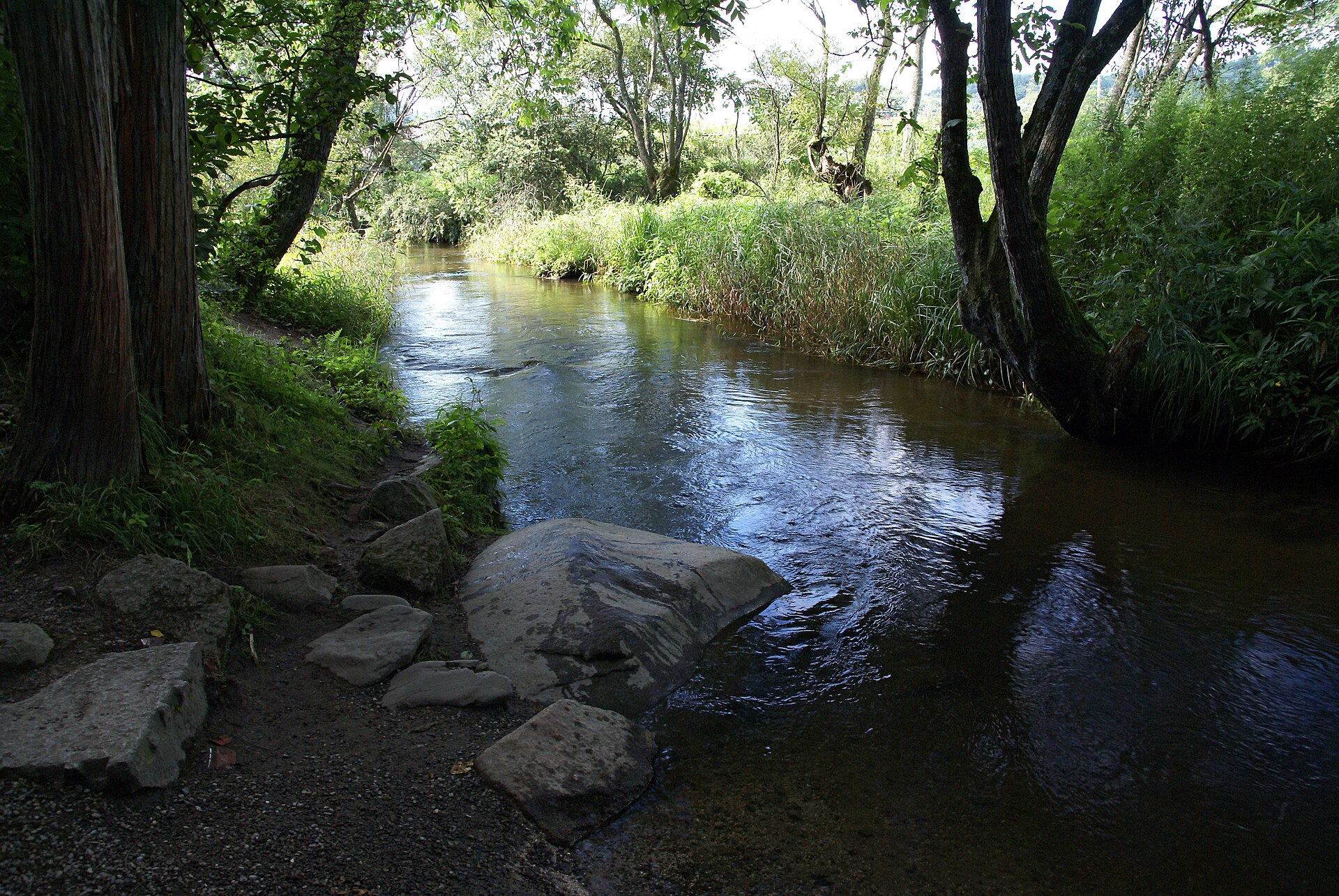
A short reach of stream behind a Zen temple in the Tsuchibuchi hamlet of Tono, marked by kappa figures, a nursing shrine and fishing rods left out for anyone who wants to try. This is the water that Japan's founding book of folklore put on the map.
- FromShin-Hanamaki Station
- ~1 hr 30 minJR + local bus
- Get off atTono Station (JR Kamaishi Line)
- From there
- Kappabuchi
The sweet spot
Tono is well known inside Japan as the birthplace of its folklore studies, but it sits a couple of connections off the shinkansen and few overseas visitors reach it. The valley also spreads its sights across separate hamlets, so people scatter instead of stacking up at one gate.
Where it is
17 more notes in Iwate · open the map →What to look for — in walking order
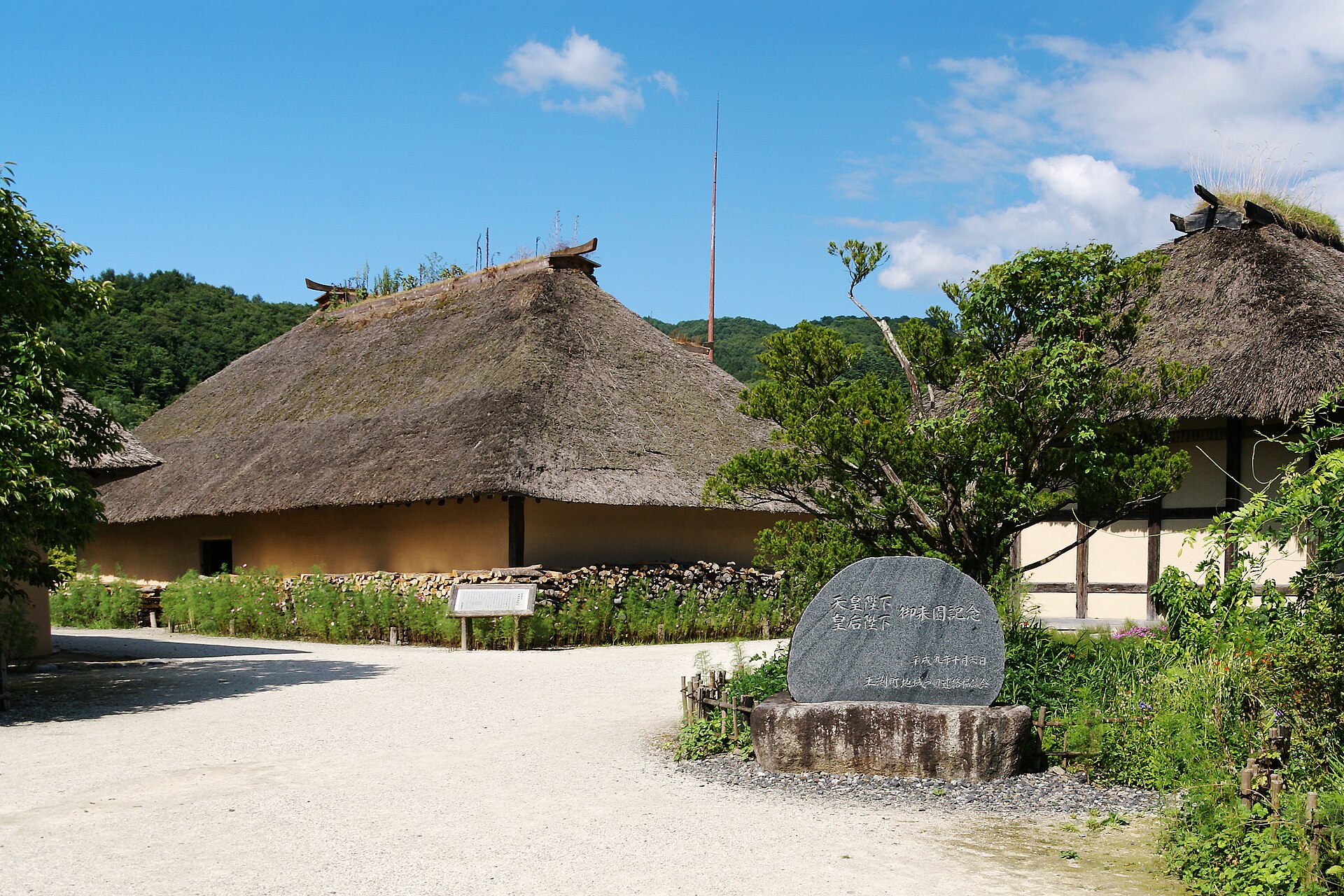
- Denshoenfolk park built around the Kikuchi magariya farmhouse, a national Important Cultural Property
- Oshira halla hall inside Denshoen holding 1,000 cloth-dressed Oshirasama deities
- Joken-jiSoto Zen temple whose Juo hall is guarded by a pair of kappa komainu
- Kappabuchithe stream itself, with kappa figures, a nursing shrine and the rods left ready on the bank
How to actually get there
- Shin-Hanamaki Station → Tono Station (JR Kamaishi Line; services are sparse, so check the timetable first).
- Tono Station → Denshoen (Tsuchibuchi-line local bus, taxi or rental bicycle).
- Denshoen → Joken-ji → Kappabuchi (a short flat lane on foot).
- JR Kamaishi Line from Shin-Hanamaki
- Shin-Hanamaki Station →(JR Kamaishi Line)→ Tono Station, about an hour. Trains on this line are infrequent, so match your shinkansen to a departure before you leave the platform. At Tono Station, pick up the Tsuchibuchi-line local bus, a taxi or a rental bicycle for the last stretch out to the hamlet.
- Back from Tono Station
- Return on the JR Kamaishi Line to Shin-Hanamaki and change to the Tohoku Shinkansen. Evening services thin out on both the line and the local bus, so read the departure board at Tono Station before you head out to Tsuchibuchi, not after.
About the place
Tsuchibuchi is farming country on the eastern side of Tono, a basin ringed by low mountains in inland Iwate. Joken-ji, a Soto Zen temple, stands at the edge of the rice fields, and a narrow stream slips past the back of its grounds under a line of old trees. That short reach is the Kappabuchi. Two kappa figures sit on the bank beside a small shrine to a nursing deity, where mothers have long come to pray for milk. Rods lean against the trees, baited with imitation cucumber since bears began working through the valley, and the town sells a permit to anyone who wants to try their luck.
How to enjoy it
Buy the kappa-catching permit at Denshoen or at the tourist counter by Tono Station before you walk down, so the rods by the water make sense when you reach them. Denshoen runs on morning-to-late-afternoon hours and shortens them in winter, so take the folk park first and the pool after. The lane between the two is flat and short, and most people cover it on foot.
Background & history
Joken-ji, the Soto Zen temple in front of the pool, is said to have opened in 1490. A pair of kappa guardian figures sits before its Juo hall; the local telling is that a kappa put out a fire at the temple and earned the post. Tono itself became the starting point of Japanese folklore studies when Kunio Yanagita published the district's tales, collected from Kizen Sasaki, a storyteller born in this same hamlet. The pool is one of the places those tales name outright.
Before you go
- Cash
- The Joken-ji grounds and the path along the Kappabuchi need no ticket. Denshoen charges admission. The kappa-catching permit is sold at Denshoen, at the tourist centre beside Tono Station and at the Kaze-no-Oka roadside station. Bring cash for the bus and the smaller counters.
- Before you go
- The stream is open ground at any hour, but there is no lighting and the bank is bare earth that turns muddy after rain. Bears have been reported around this valley in recent years, so a bell is worth carrying, and the lane to the water can be shut at short notice when one is confirmed nearby. Denshoen closes over the new year and on Tuesdays through January and February. In winter the bank can be snowy or frozen, so check conditions locally before you plan the walk.
- Another way
- From Morioka, take the JR Tohoku Line to Hanamaki and change there to the Kamaishi Line for Tono. Coming from the Sanriku coast, the same line runs inland from Kamaishi Station up to Tono.
- After you get off
- From Tono Station, take the Tsuchibuchi-line bus and get off at Denshoen; the pool is about five minutes on foot from there, past the front of Joken-ji. A taxi from the station is the simplest alternative. Rental bicycles work in the warmer months, but they have to be left at the Denshoen car park, because the lane in to the water is for walking only.