Shiga · Ryuo, Route 8No.445★★★Open in map →
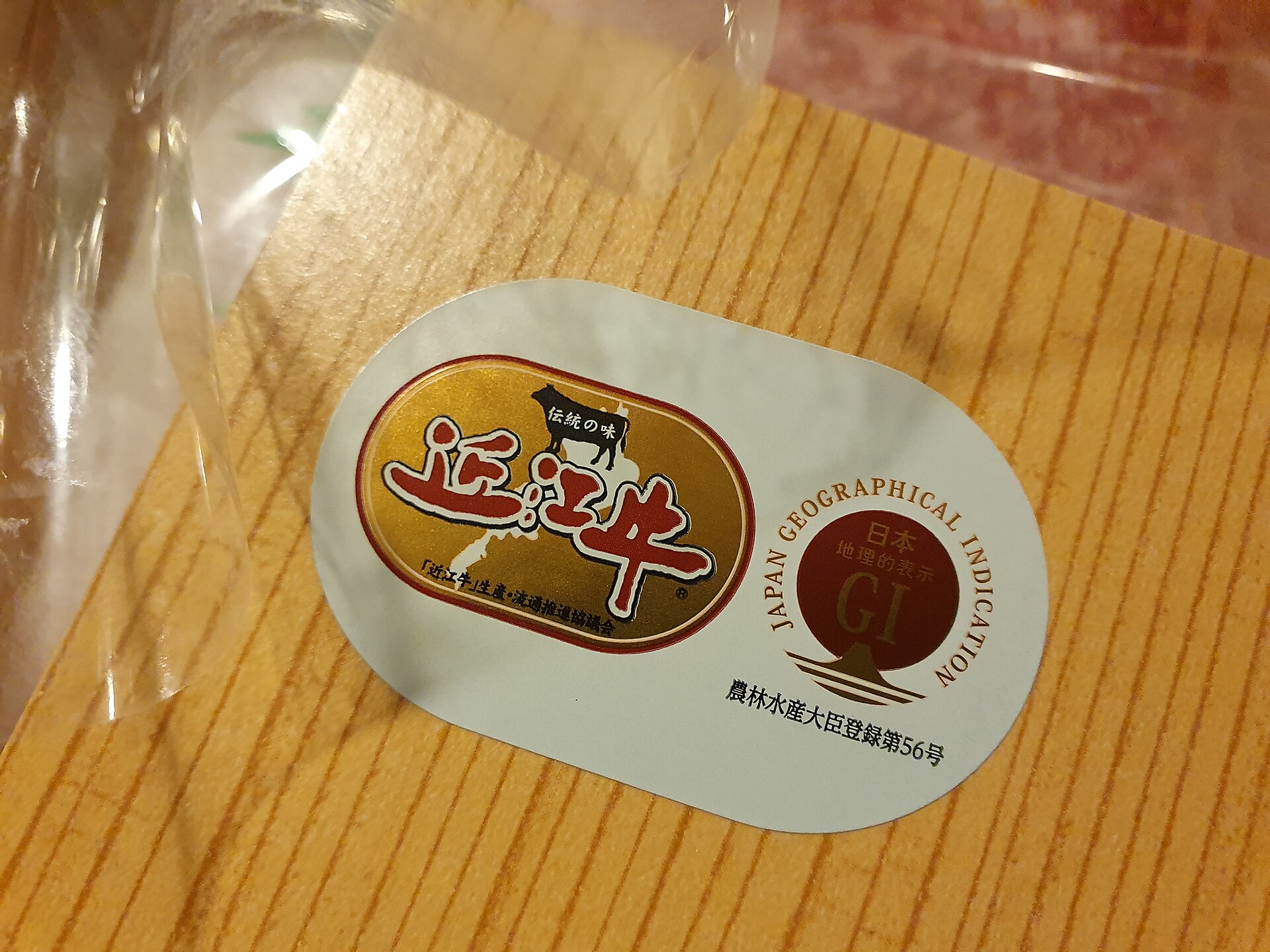
Omi Beef
Black wagyu fattened longest in Shiga may be called Omi beef, the oldest of Japan's brand-beef names. The plainest place to meet it is a roadside station on Route 8, where a butcher's counter and a beef restaurant share one building.
- FromOmi-Hachiman Station
- ~20 minOhmi Railway bus, ~20 min
- Get off atMichi-no-Eki Ryuo Kagami-no-Sato (Ohmi Railway bus)
- From there
- Omi Beef
Where it is
21 more notes in Shiga · open the map →What to look for — in walking order
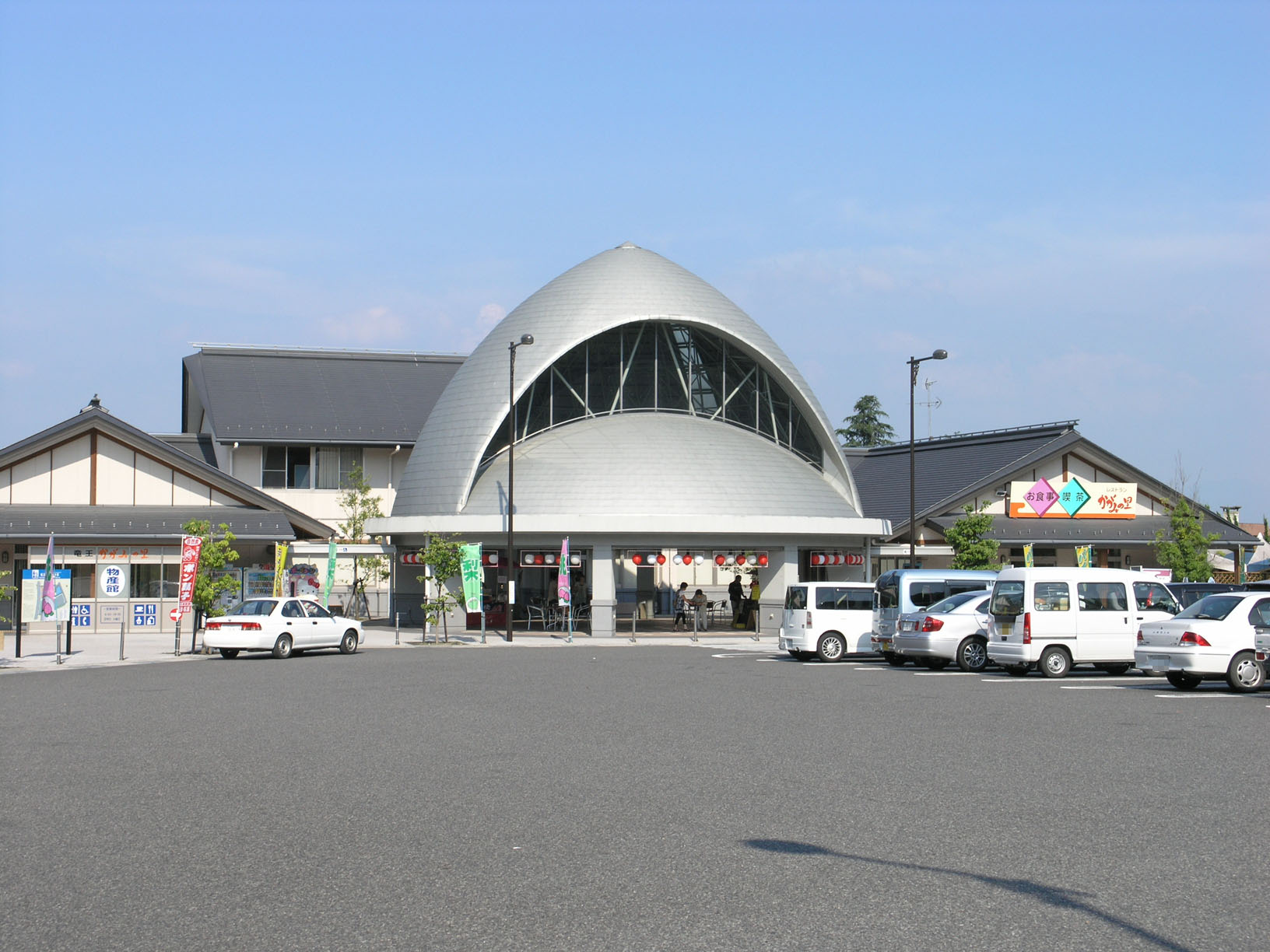
- Okaki butcher's counterthe beef counter inside the roadside station, selling Omi beef by the tray next to local rice and vegetables
- The eboshi roofthe roof and monument shaped after the courtier's cap of the boy said to have come of age in this village
- Yoshitsune's coming-of-age pondthe small pond in Kagami where the young Minamoto no Yoshitsune is said to have cut off his forelock
- Kagami Shrinea nationally designated Important Cultural Property up the old road, with the pine on its approach where the cap was hung
How to actually get there
- Kyoto or Maibara → Omi-Hachiman Station (JR Biwako Line).
- Omi-Hachiman Station → Michi-no-Eki Ryuo Kagami-no-Sato (Ohmi Railway bus). Yasu Station works as the starting point too.
- Inside the site: farm shop and butcher's counter first, restaurant behind them.
- Walk up the old road for Yoshitsune's pond and Kagami Shrine, then return to the same stop.
- Ohmi Railway bus from Omi-Hachiman
- Omi-Hachiman Station (JR Biwako Line) →(Ohmi Railway bus)→ the roadside station, about 20 minutes. Yasu Station, one stop further west on the same line, is the same ride from the other side. Ryuo has no railway of its own, so the bus or a car is the last leg either way.
- Return toward Omi-Hachiman
- Take the same route back from the stop in front of the site. Services on this road are not frequent, so read the timetable at the pole when you arrive and decide your return before you settle in to eat. A taxi from Omi-Hachiman is the fallback if you miss it.
About the place
Omi beef is a name with a rule behind it. Only Japanese Black cattle fattened longer in Shiga than in any other prefecture may carry it, and the graded carcass has to reach A4 or B4 before a certificate is issued. The herds are scattered through the paddy country east of Lake Biwa, on farms that are businesses rather than sights, so there is nothing on the land to point at. What Ryuo offers instead is a roadside station on Route 8, in the old post village of Kagami. A butcher's counter sells the beef by the tray, a restaurant behind it cooks the same beef, and the vegetable stall, bakery and delicatessen around them come from the fields outside.
How to enjoy it
The farm shop and the butcher's counter run 9:00 to 17:00; the restaurant serves from 11:00 and closes at 15:30, so lunch here is an early one. Buying at the counter is the better half of the visit — the trays are labelled with the cut and the grade, which is how the name is meant to be read. Do the shopping first, eat second, and keep the last half hour for the pond and the shrine behind the site.
Background & history
Cattle were kept in this corner of Omi long before beef was ordinary food in Japan. The Hikone domain, permitted to slaughter cattle because it owed the shogunate hides for drum skins, sent preserved beef to the shogun's household under the cover of medicine. Once the railway reached Omi-Hachiman, cattle and then dressed carcasses went east to Tokyo and the name travelled with them. Producers count roughly four centuries of documented history, the longest of Japan's three great wagyu names, and the name was registered as a regional collective trademark on 11 May 2007.
Before you go
- Cash
- The roadside station, the farm shop and the butcher's counter are free to walk into; you pay only for what you carry out. The restaurant is table service and the counter sells by weight, so bring more than pocket change. There is no station in the town, so a rail pass will not cover the last leg.
- Before you go
- The shop, the butcher's counter and the restaurant close on Mondays, or the following day when the Monday is a public holiday, and over the new year. The toilets and the car park stay open around the clock. Kagami sits on an open plain between Lake Biwa and the hills, so winter mornings here are cold and clear.
- Another way
- By car the site is on Route 8 with the Ryuo interchange of the Meishin Expressway the nearest exit, and there is a large car park — the way most visitors arrive, since the town has no station of its own.
- After you get off
- The bus sets you down on Route 8 at the front of the site, and the roof shaped like a courtier's cap is the landmark. Shop, counter and restaurant are all inside the one building; the pond and the shrine are a few minutes on foot up the old road behind it.