Hokkaido · Ishikari River MouthNo.980★★★Open in map →
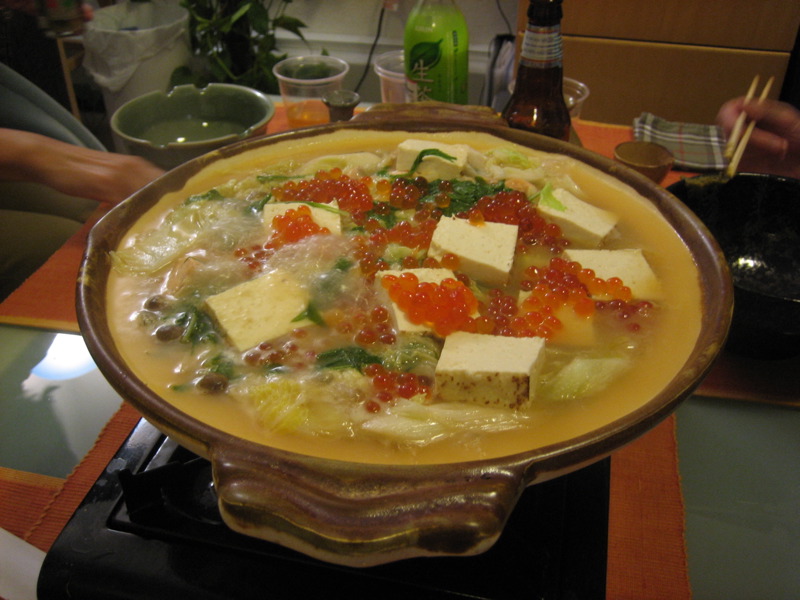
Ishikari-nabe
— Hokkaido's salmon and miso hot pot
A miso hot pot of cut salmon and vegetables that took its name from the mouth of the Ishikari River. The old harbour quarter there keeps a shrine, a city museum of salmon fishing, and a dune walk out to a red and white lighthouse.
- FromSapporo Station
- ~45 min + transferChuo Bus from Sapporo, then a booked shuttle
- Get off atIshikari (Honcho-Hanakawa booked shuttle)
- On foot
- Ishikari-nabe
Where it is
102 more notes in Hokkaido · open the map →What to look for — in walking order
- Ishikari Benten Shrinethe oldest shrine in the city, founded in prayer for the salmon run
- Benten Historical Lanethe short old harbour street that hosts the autumn salmon festival
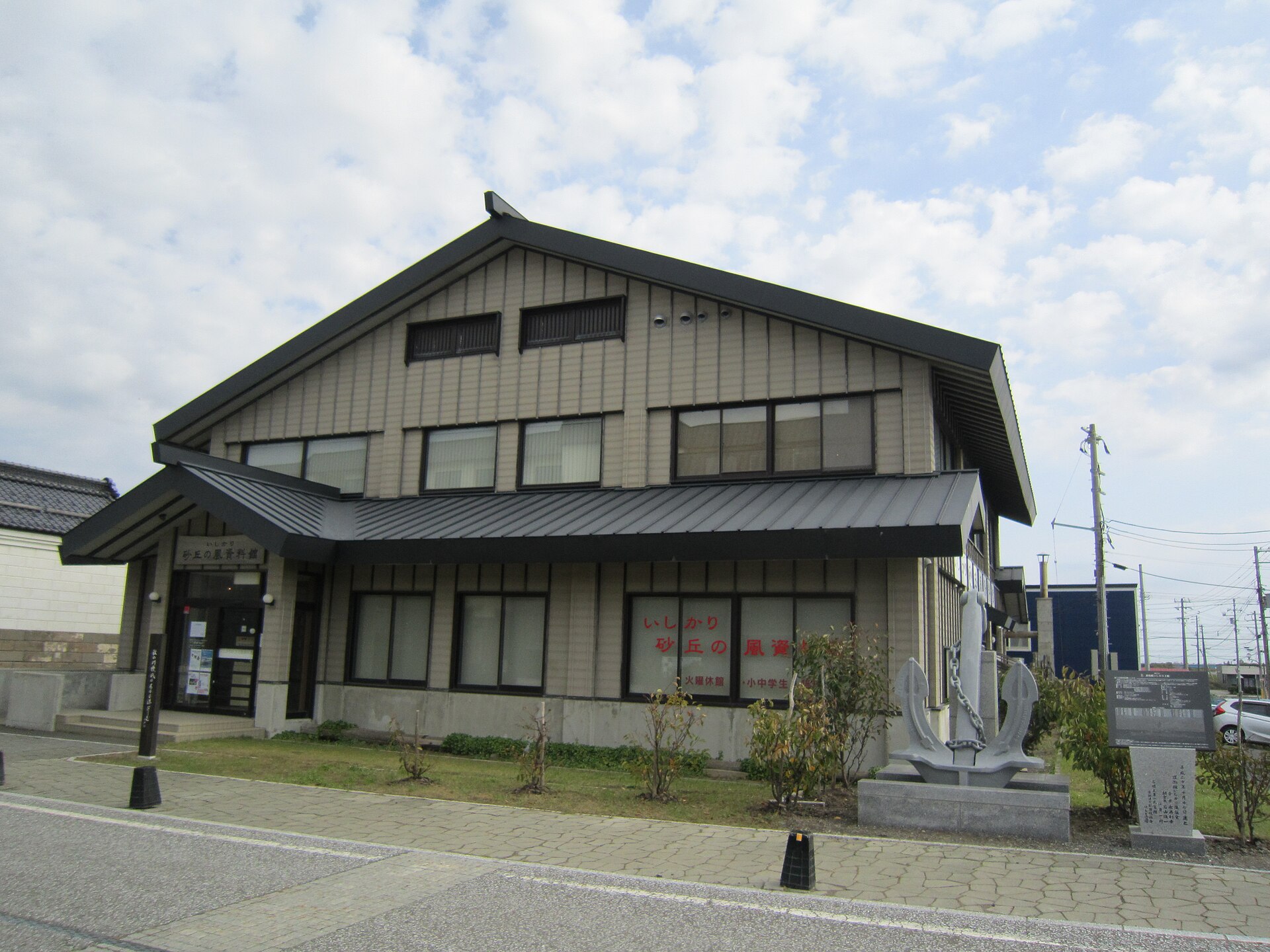
- Ishikari Sakyu-no-Kaze Museuma city museum with a river gallery on salmon fishing and a Jomon gallery of wooden fishing gear
- Former Nagano Storea Meiji-era merchant shop front moved beside the museum and designated by the city
- Ishikari Lighthouse and Hamanasu-no-Oka Parka red and white tower on the dune spit where the river reaches the sea
How to actually get there
- Sapporo Terminal → Ishikari Chosha-mae (Hokkaido Chuo Bus, about 45 min).
- Ishikari Chosha-mae → Ishikari stop (Honcho-Hanakawa shuttle, booked only, Monday to Saturday).
- Ishikari stop → Ishikari Benten Shrine and the historical lane (walk, a few minutes).
- Historical lane → Ishikari Sakyu-no-Kaze Museum, then the dune path to Ishikari Lighthouse.
- Chuo Bus from Sapporo, then the booked shuttle
- Sapporo Terminal (stand 7) →(Hokkaido Chuo Bus, Ishikari Line or the Hanakawa routes, about 45 min)→ Ishikari Chosha-mae. Change there to the Honcho-Hanakawa shuttle and ride to the Ishikari stop. That leg is booked-only, by phone or through the operator's web app, and it runs Monday to Saturday.
- Return from the Ishikari stop
- Take the booked shuttle back to Ishikari Chosha-mae and pick up a Chuo Bus to Sapporo Terminal there. The shuttle does not run on Sundays, public holidays or over the New Year, so settle the return before you set out. On those days the city's on-demand service is the alternative, and it also needs booking.
About the place
The Ishikari River meets the Sea of Japan at the northern edge of the Sapporo plain, and the fishing settlement at its mouth gave the hot pot its name. Salmon ran up this river in numbers large enough to support a fleet and, later, Japan's first cannery. Crews cooked the cut pieces and the frame in a miso broth as a working meal, and cabbage and onion went in for sweetness. The old harbour quarter of Bentenmachi is now a short historical lane holding a shrine, a city museum and a relocated Meiji shop front. Beyond it a sand spit of about 46 hectares runs out to the lighthouse.
How to enjoy it
The easiest weekend to meet the dish itself is the salmon festival in late September, when an outsized communal pot is set up along the same historical lane. 15 September is registered as Ishikari-nabe Day. Outside that window, treat the trip as a walk: shrine, museum, then the dune path to the lighthouse, with the return shuttle already booked.
Background & history
Salmon has been worked here for a very long time. Wooden fishing gear roughly 4,000 years old has been excavated from a Jomon site in the city and is displayed on the museum's upper floor. A shrine was founded at the river mouth in 1694 in prayer for the salmon runs, and it remains the oldest shrine in the city. The lighthouse on the sand spit was first lit in 1892. The hot pot moved from crew cooking to a named regional dish much later, in the twentieth century.
Before you go
- Cash
- The historical lane, the shrine and the dune park are free to walk. The city museum charges admission and the current rate is listed on the Ishikari City site. The booked shuttle takes cash on board, or a card if you pay when you reserve online.
- Before you go
- The museum closes one day a week and over the New Year; the city site lists the current schedule. The visitor centre on the sand spit opens only in the warmer half of the year, and the dune path is fully exposed to the wind off the Sea of Japan.
- Another way
- Driving is the simplest option. There is a public car park beside the museum and another at the dune park, and the run out from Sapporo is short enough to fit either side of a half day.
- After you get off
- From the Ishikari stop, walk west into Bentenmachi. The shrine stands a couple of minutes along the lane, the museum about five minutes further, and the lighthouse another fifteen minutes on across the dune.