Toyama · NamerikawaNo.1058★★★Open in map →
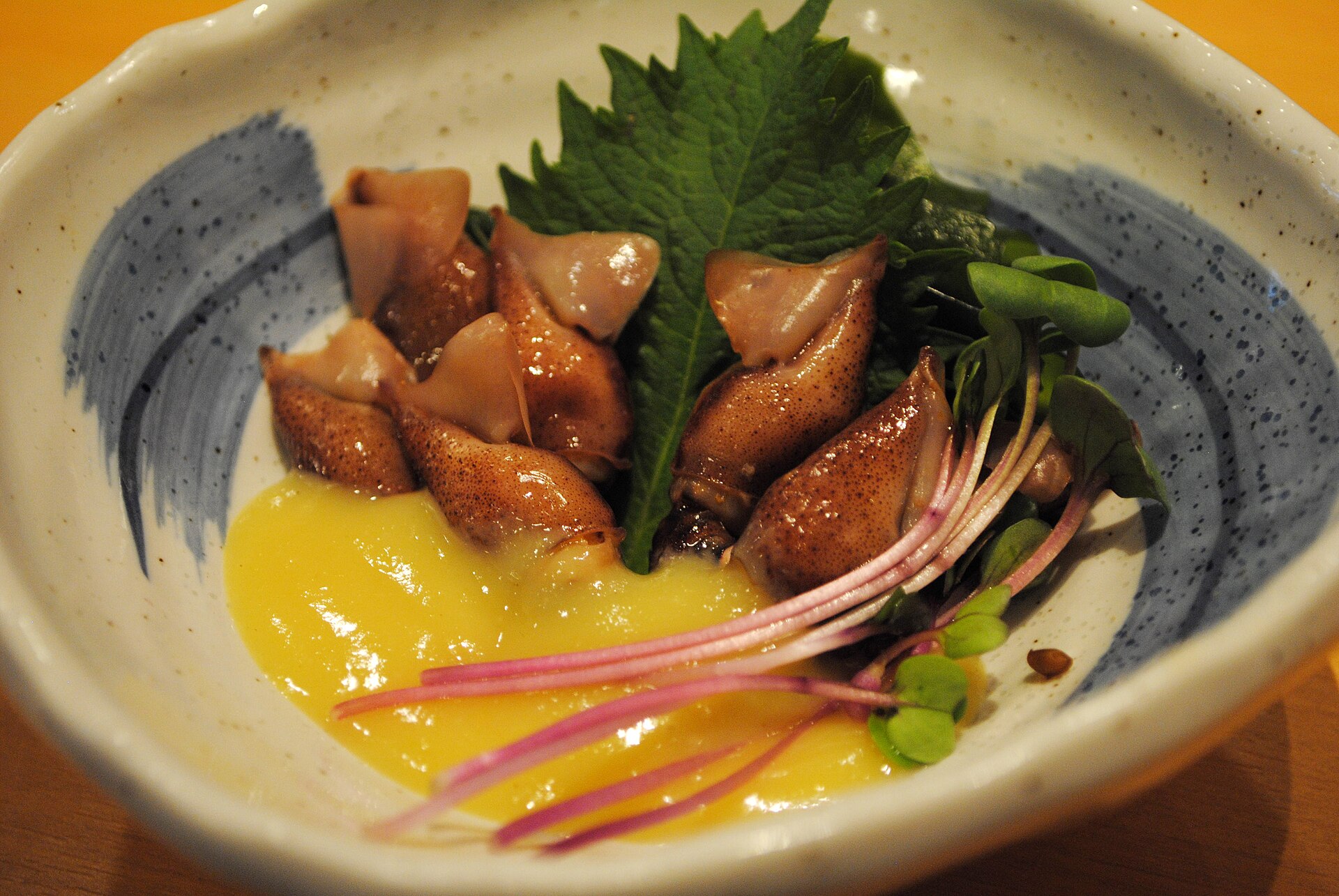
Toyama Bay Firefly Squid
— Namerikawa's museum, and a boat before dawn
Firefly squid rise into the shallows of Toyama Bay every spring to spawn, glowing blue as they come. The stretch of sea where it happens is protected in its own right, and a roadside museum stands on the shore facing it.
- FromToyama Station
- ~25 minAinokaze line + 8-min walk
- Get off atNamerikawa Station (Ainokaze Toyama Railway)
- On foot
- Toyama Bay Firefly Squid
Where it is
8 more notes in Toyama · open the map →What to look for — in walking order
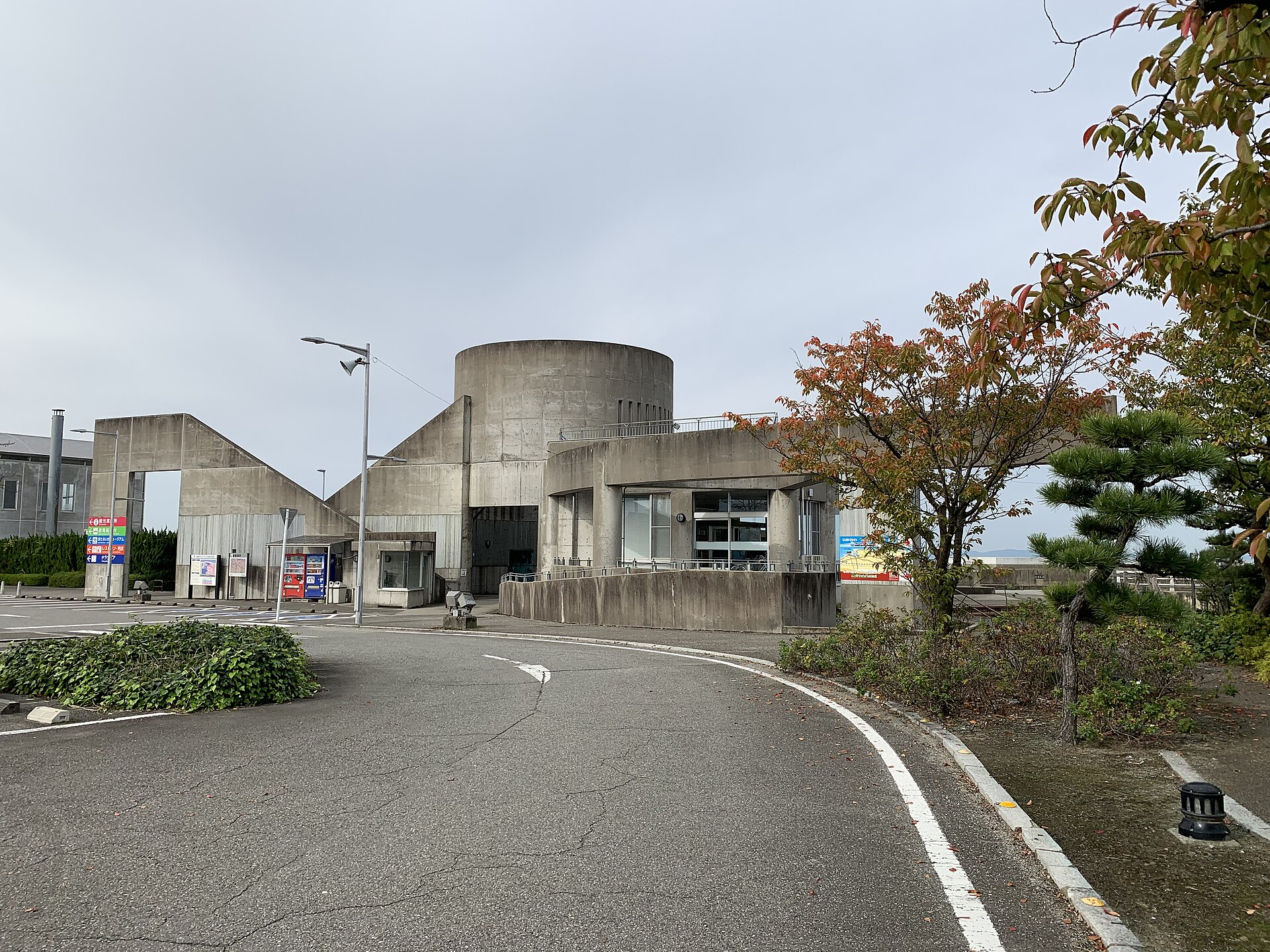
- Hotaruika Museumthe exhibition hall whose live tank and glow show run only in the spring season
- The souvenir marketcounters of preserved firefly squid and other Toyama produce inside the roadside station
- Aqua Pocketthe adjoining rooms on the deep seawater drawn from the bay offshore
- The protected stretch of seathe designated water directly in front of the building, where the squid come to spawn
- The sightseeing boat berththe pre-dawn departure point for the spring firefly squid cruise, on the same site
How to actually get there
- Toyama Station → Namerikawa Station (Ainokaze Toyama Railway, about 15 min).
- Namerikawa Station → Michi-no-Eki Wave Park Namerikawa (walk about 8 min toward the sea).
- Work through the museum first, then step outside to the shore that faces the protected water.
- In season, book the cruise ahead and come back to the same site by around two in the morning.
- Ainokaze Toyama Railway from Toyama Station
- Toyama Station →(Ainokaze Toyama Railway, about 15 min)→ Namerikawa Station, then about an 8-minute walk to the roadside station on the shore. Allow roughly 25 minutes door to door. Trains run through the day, so there is no timetable to plan around.
- Return from Namerikawa Station
- Walk back to Namerikawa Station and take the Ainokaze line to Toyama, where you can change for the Shinkansen. If you come for the pre-dawn cruise you will be finished long before the first train, so plan a car or a night nearby rather than assuming a rail connection.
About the place
Hotaruika are small squid, a few centimetres long, studded with light organs that flash blue when they are disturbed. They live in deep water and rise toward the surface at night, and from March to May they gather in the shallows of Toyama Bay to spawn. The bay's steep submarine terrain and layered water concentrate them here as they are concentrated nowhere else in Japan. The protected stretch of sea runs from the mouth of the Joganji River east to Uozu, reaching about 1.3 kilometres out from the spring-tide waterline. Namerikawa lies at the middle of it, and the town has taken the squid as its own name.
How to enjoy it
The live squid and the glow show are a spring fixture rather than a year-round one — roughly late March into late May at the time of checking — so the season decides how much of the museum is alive. The cruise is narrower still: about a month from early April, gathering passengers around two in the morning and back by half past four, and it has to be booked. Outside that window the exhibits, the deep-seawater rooms and the sea view are all still there, but you are visiting the story rather than the animal.
Background & history
What is protected here is a place, not a species. Nowhere else in Japan do the squid mass this close to shore, and the reason is thought to lie in the shape of the seabed and the temperature of the water rather than in the squid itself. In 1952 that stretch of sea was designated a Special Natural Monument, the highest tier under Japan's cultural properties law and a rare status for open water. The town at the centre of the designated area later built its museum on the shore facing it.
Before you go
- Cash
- Namerikawa Station has ticket gates and takes the nationwide IC cards, so a Suica or ICOCA covers this leg. The museum charges admission and the cruise is a separate paid booking; both are set by the operators, so check the current rates when you reserve.
- Before you go
- The cruise is called off in strong wind or heavy swell, and the operator states plainly that even a sailing may not produce a glow. Outside spring the live tank is empty. Winters here are grey and wet, and the sea view is a harder picture then.
- Another way
- By car the site is about 10 minutes from the Namerikawa interchange on the Hokuriku Expressway, which is the practical option if you are coming for a departure at two in the morning.
- After you get off
- From Namerikawa Station, walk north toward the sea for about 8 minutes on flat streets. The roadside station is the low curved building on the shorefront.