Yamagata · SagaeNo.463★★★Open in map →
Yamagata Cherries
A roadside station on the bank of the Sagae river in central Yamagata, built around a single crop. It stocks cherry products of every kind and stands beside Japan's first museum devoted to the fruit, which is free to enter.
- FromSagae Station (JR Aterazawa Line)
- ~10 minJR Aterazawa Line, then a taxi
- Yamagata Cherries
Where it is
9 more notes in Yamagata · open the map →What to look for — in walking order
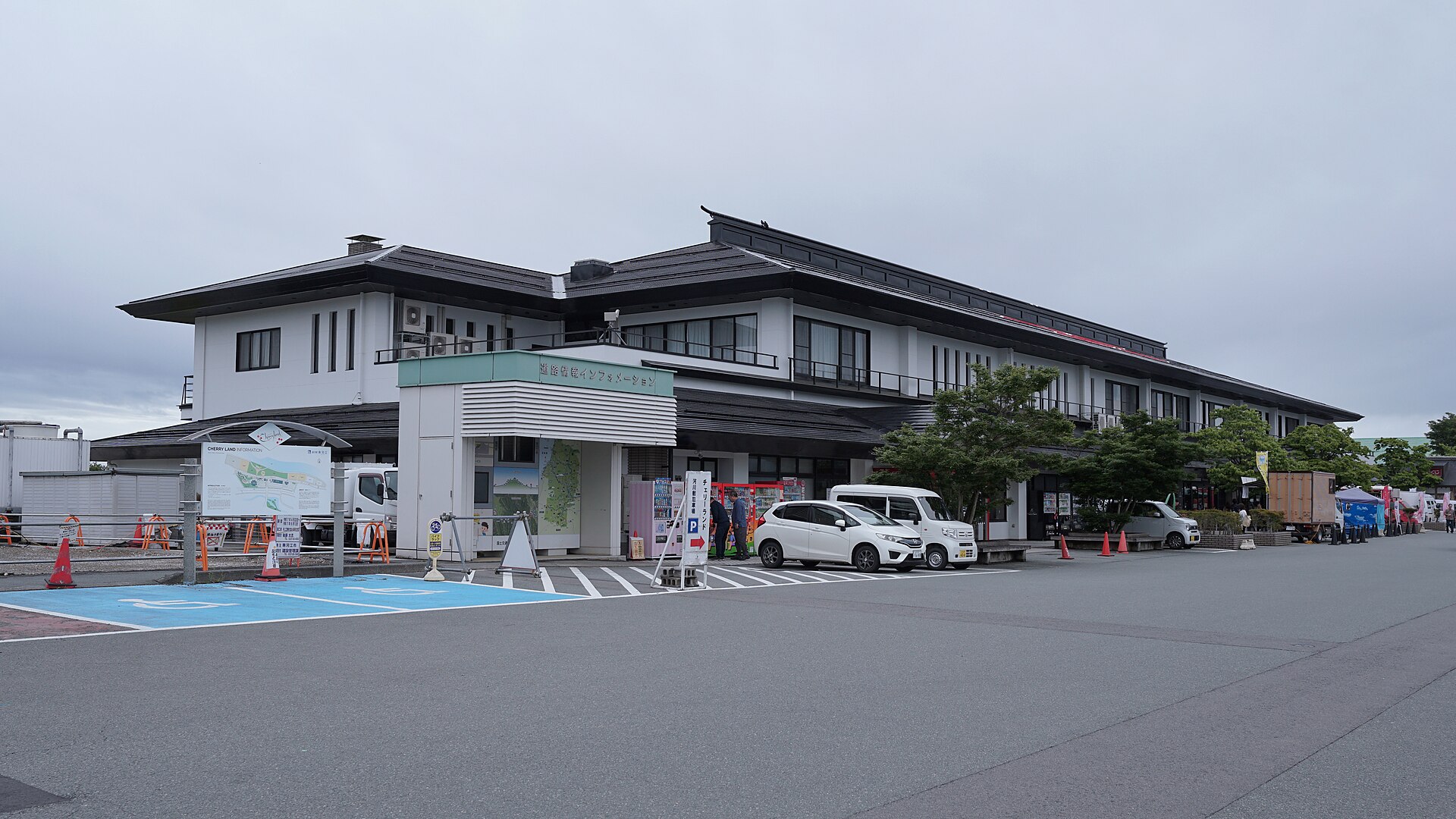
- The produce hallcherry preserves, sweets, sake and craft from across Yamagata under one roof
- The Cherry HallJapan's first museum on cherry growing, free to enter, with a gelato counter that draws its own queue
- The cherry-picking deskthe orchard booking point, set up in front of the Cherry Hall in season
- Claapin Sagaean indoor play barn for children, with camping ground and an RV park outside
- The riverside parkopen ground on the Sagae river bank behind the buildings, used for autumn imoni gatherings
How to actually get there
- Yamagata Station → Sagae Station (JR Aterazawa Line).
- Sagae Station → the roadside station (about 3 km north, roughly 10 min by taxi).
- Start in the produce hall, then cross to the Cherry Hall for the museum and the gelato counter.
- In June, book at the picking desk in front of the Cherry Hall and go out to an orchard.
- JR Aterazawa Line to Sagae Station
- Take the JR Aterazawa Line, the branch that runs out from Yamagata, as far as Sagae Station. The roadside station is about 3 km north of it, on the bank of the Sagae river, which is roughly ten minutes by taxi from the rank outside. Allow about an hour from Yamagata including the wait.
- Return from Sagae Station
- Take a taxi back to Sagae Station and the Aterazawa Line to Yamagata, where the Shinkansen connects. This is a branch line rather than a trunk route, so read the return times off the board before you commit to a long lunch.
About the place
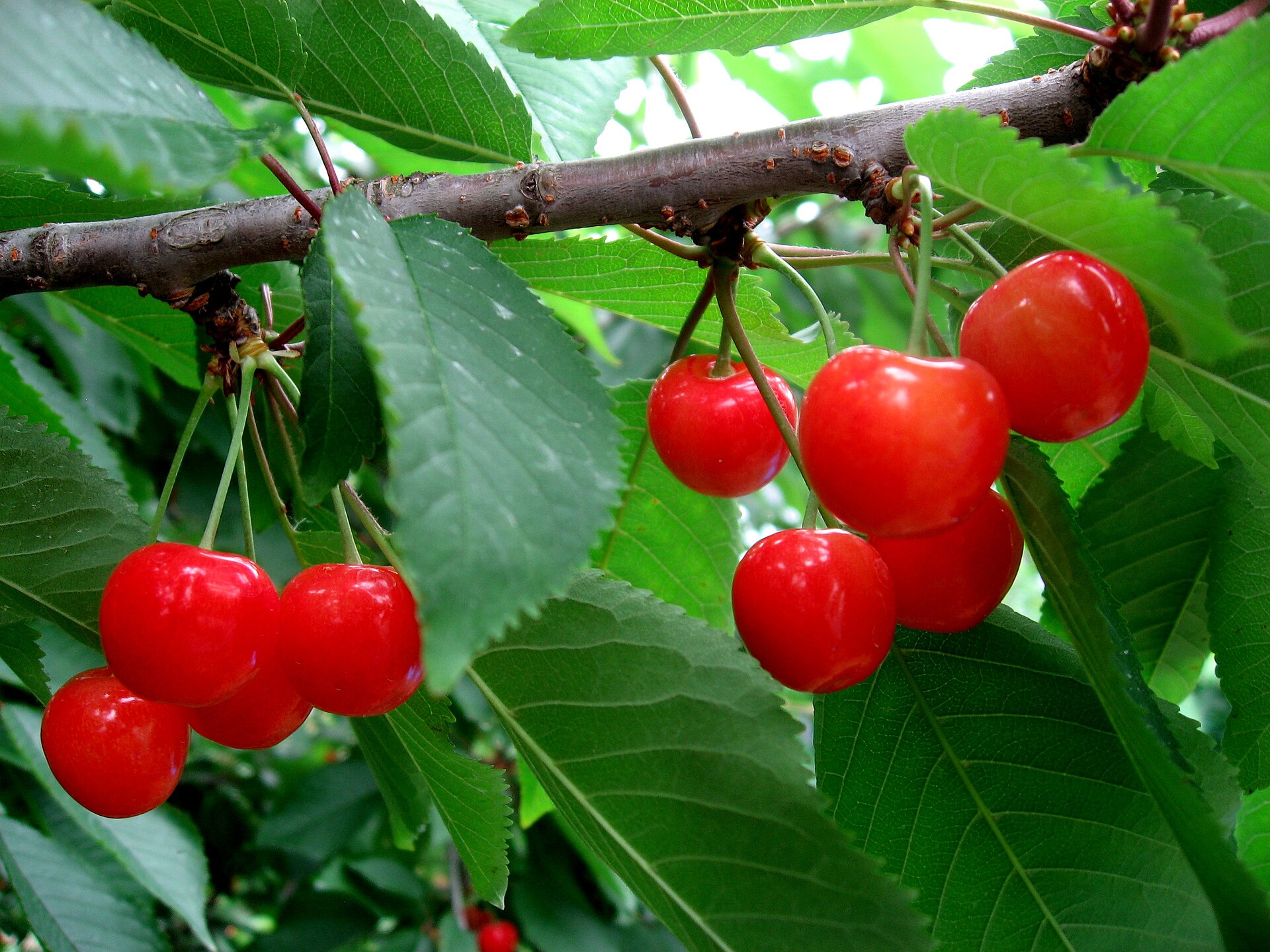
Sato Nishiki was raised across the valley in Higashine, from a cross between the Napoleon and Kidama varieties, and it is the cherry most people mean when they say Yamagata cherries. The fruit is firm, deep red and sweet enough to want nothing done to it, and it holds the market for only a few weeks each June. Sagae calls itself the home of Japan's cherries and built its roadside station on that claim, on the bank of the Sagae river with Mount Gassan to the west and the Zao range to the east.
How to enjoy it
The station keeps roughly 9:00 to 17:30, and the Cherry Hall runs to 18:00, closing at 17:00 from November through March. June is the point of the place: the picking orchards open, the desk in front of the Cherry Hall takes the bookings, and the fruit is at its best for a few weeks only. In any other month the gelato counter and the preserve shelves carry the same crop in another form.
Background & history
Sato Nishiki began as a cross made in 1912 by Sato Eisuke, a grower in Higashine, between the Napoleon and Kidama varieties. Years of watching seedlings followed before one tree stood out from the rest. The name was settled in 1928 and taken from the grower himself. Napoleon stayed the commercial crop for decades afterwards, and only later did Sato Nishiki become the cherry that Yamagata is known for.
Before you go
- Cash
- The roadside station and the Cherry Hall are both free to walk into. Cherry picking is charged and each orchard sets its own price. In June it is booked through the desk in front of the Cherry Hall or online in advance, so arriving on spec is a weak plan.
- Before you go
- Open through the year, though individual tenants keep their own days off. The Turkish pavilion, built for the town's sister-city tie with Giresun in Turkey, is closed until further notice, so do not build the visit around it.
- Another way
- By car the site sits on Route 112 beside the Sagae river, close to the Sagae interchange on the Yamagata Expressway, with a large car park. Most visitors arrive this way.
- After you get off
- From Sagae Station the roadside station is about 3 km north, across the Sagae river. Take a taxi from the rank outside the station rather than walking it.