West Hyogo · TatsunoNo.978★★★Open in map →
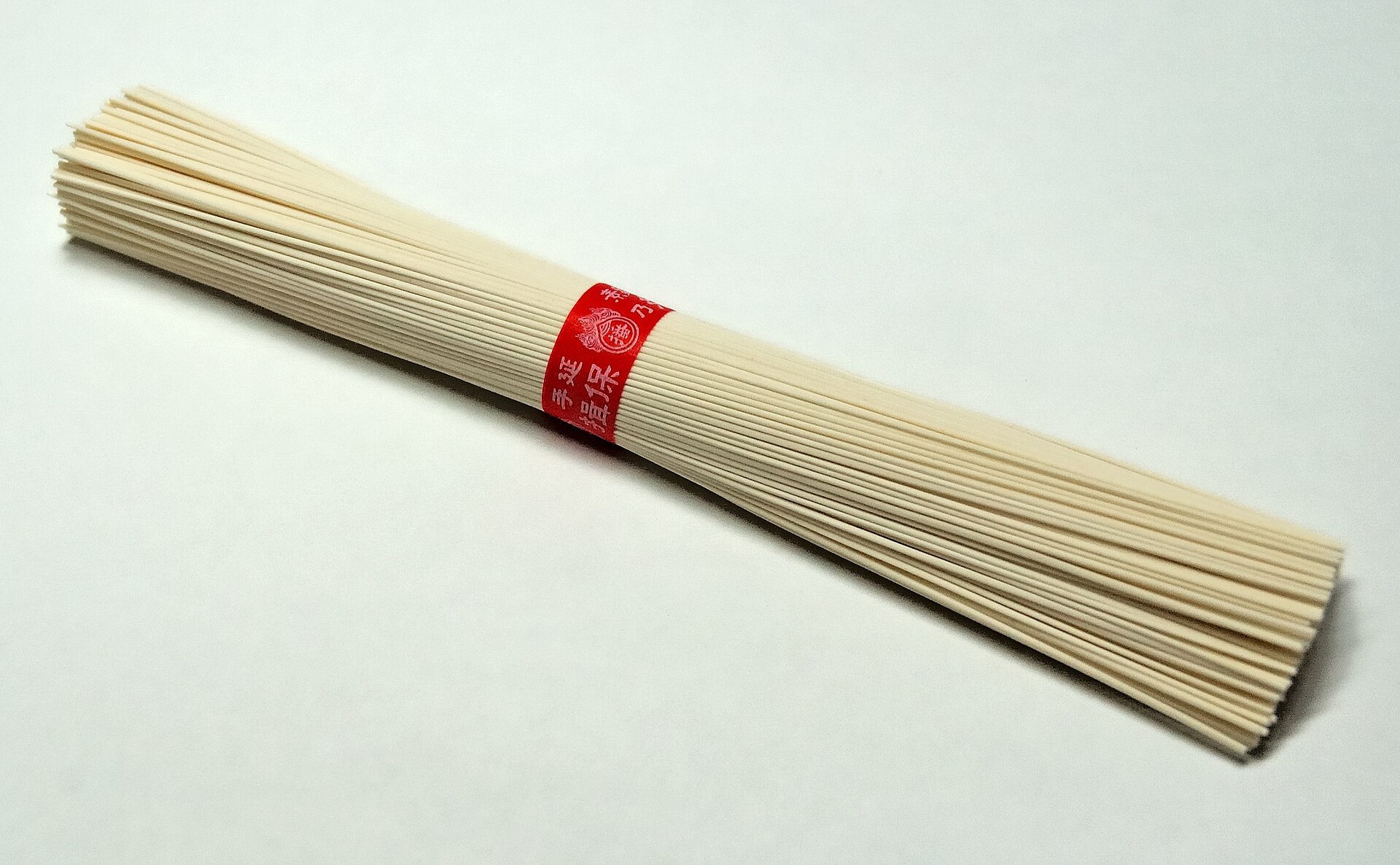
Ibonoito Somen
— Banshu's hand-stretched wheat noodle
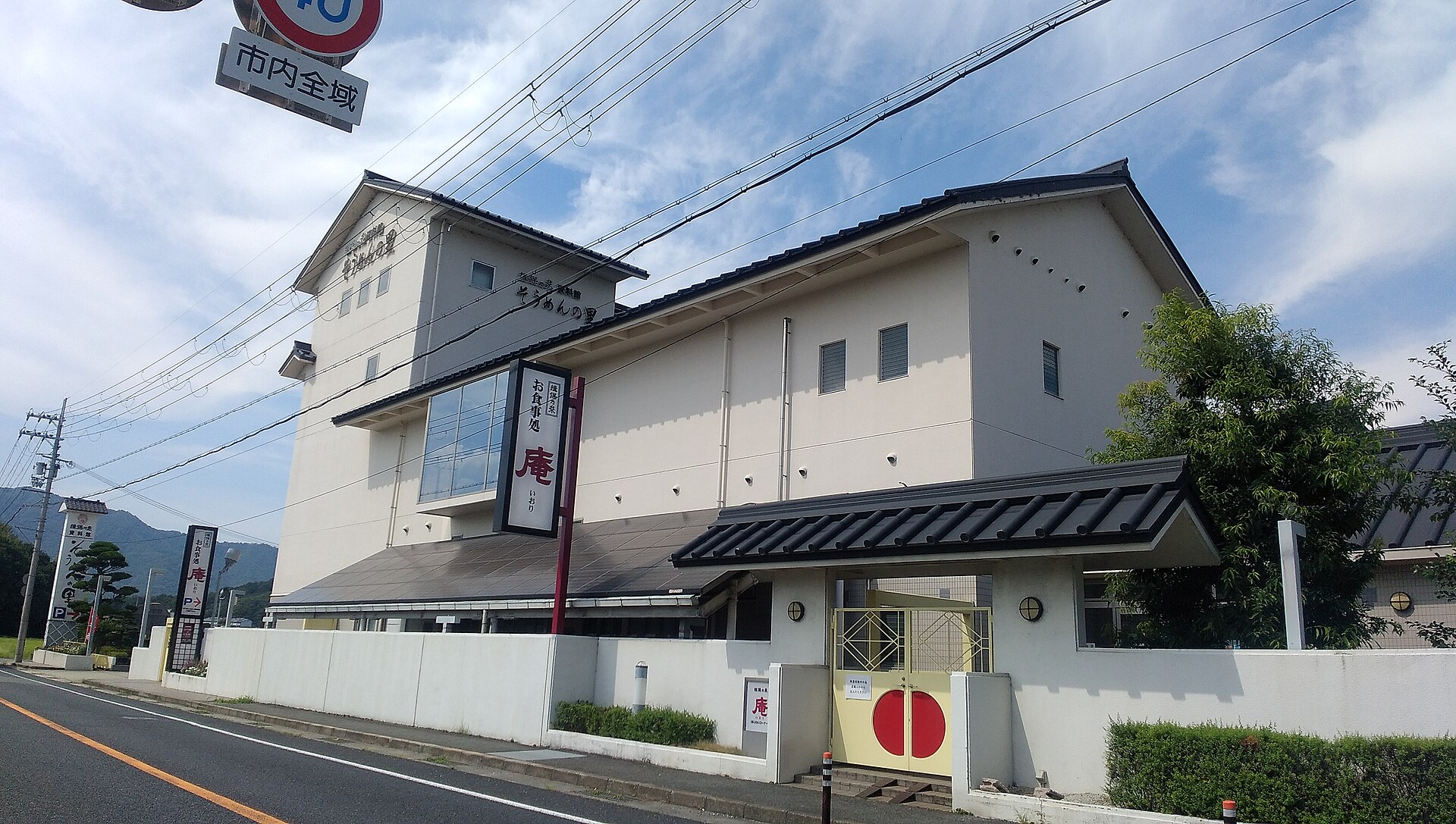
The hand-stretched somen of the Ibo river valley, met at the cooperative's own museum instead of in a supermarket aisle. Somen-no-Sato keeps the exhibition rooms, a demonstration counter, a shop and a restaurant under a single roof.
- FromHimeji Station
- ~30 minJR Kishin Line local
- Get off atHigashi-Hashisaki Station (JR Kishin Line)
- On foot
- Ibonoito Somen
Where it is
30 more notes in Hyogo · open the map →What to look for — in walking order
- The demonstration and tasting counterwhere the drawing of the dough is shown, with a bowl offered to try
- The exhibition roomsthe origin of the noodle, the stages of the hand-stretched method, the history of the district
- The shopcooperative somen alongside the other produce of the Banshu district
- Restaurant Iorithe in-house dining room, serving the noodle hot or cold by season
- The somen-nagashi channelsflowing-noodle runs in the courtyard and on the outdoor ground, warm months only
How to actually get there
- Himeji Station → JR Kishin Line local → Higashi-Hashisaki.
- Out of the station and on foot to Somen-no-Sato.
- Demonstration and tasting counter first, then the exhibition rooms, then the shop.
- Lunch at Iori, or the flowing-noodle channels if the season is running.
- West from Himeji on the Kishin Line
- Himeji is the gateway, where the shinkansen, the Sanyo main line and the private Sanyo Electric Railway all put you down. The Kishin Line leaves the same station and runs west into the Ibo valley to Higashi-Hashisaki. Trains are short and keep a country timetable, so read the board before you commit to an afternoon.
- Back to Himeji
- The same line returns you, and the last useful departure comes earlier than a city traveller expects. Higashi-Hashisaki has no staff and no ticket window to ask at, so check the return times on the platform board when you arrive. A taxi to Tatsuno or on to Himeji is the fallback if the connection goes.
About the place
Somen is not cut. The dough is oiled, given a twist, drawn out by hand, rested, then drawn again until it runs as fine as thread. The work belongs to the cold half of the year, running from October through April, and the valley once supplied all three of its inputs: wheat from the Banshu plain, water from the Ibo river, salt from Ako on the coast. The brand is held by a cooperative of makers rather than by any single firm, and the finished bundles are graded before they are banded. Somen-no-Sato stands beside the river in Tatsuno, the building the cooperative put up to explain itself.
How to enjoy it
Come between late spring and summer if the flowing-noodle channels are the point, remembering that the courtyard opens before the outdoor ground does. The museum closes in the late afternoon while the restaurant runs on into the evening, so exhibits first and the meal after is the order that works. Winter is not the eating season but the making season, which is its own reason to come.
Background & history
The oldest mention of the noodle in Harima is dated 1418, in the diary kept at the temple of Ikaruga-ji, where the word appears among the things set before a visiting official. Making it became a licensed trade under the Tatsuno domain, which encouraged it in the Anei years of the 1770s and moved to protect it as a domain product in the Bunka years after 1804. The hand-stretching method the brand still uses is reckoned at some six hundred years old. In 2024 the name was entered on Japan's register of geographical indications.
Before you go
- Cash
- The exhibition rooms charge admission, and the shop, the restaurant and the flowing-noodle channels are each settled separately. The station has an IC card reader at the gate but nothing else, so arrange your fare before you set off.
- Before you go
- The building takes one closing day a week and shuts over the new year, and the flowing-noodle channels run only through the warmer months, the courtyard opening earlier in the season than the outdoor ground. The restaurant keeps later hours than the museum. A wasted trip is expensive on a branch line, so check before you travel.
- Another way
- By car it is about ten minutes from the Tatsuno interchange on the Sanyo Expressway, or about seven from Sanyo-Himeji-nishi, and the car park takes coaches. Driving also puts the old castle town of Tatsuno and the rest of the Ibo valley inside the same afternoon.
- After you get off
- Higashi-Hashisaki is a small unstaffed halt. Somen-no-Sato is about fifteen minutes away on foot, and the building carries the brand name across its wall in brush strokes, so there is nothing to hunt for at the end.