East Nagano · UedaNo.1217★★Open in map →
Bessho Onsen
— Bath village among the temples of the Shioda Plain
A hot-spring village on the Shioda Plain, south-west of Ueda in eastern Nagano. The baths here are public, run for the village and open to day visitors, and the temples that earned this valley the nickname 'the Kamakura of Shinshu' stand on the same walk.
- FromUeda Station
- ~30 minUeda Dentetsu train, 1-2 per hour
- Get off atBessho-Onsen Station (Ueda Dentetsu Bessho Line)
- On foot
- Bessho Onsen
The sweet spot
This is a well-known hot-spring town rather than an undiscovered one — inns line the lanes and coaches climb to the temples. What thins out is the hour. The bathhouses unlock around first light and the temple gates follow a little later, so for the first hour or two of the day the village belongs to people on foot.
Where it is
27 more notes in Nagano · open the map →What to look for — in walking order
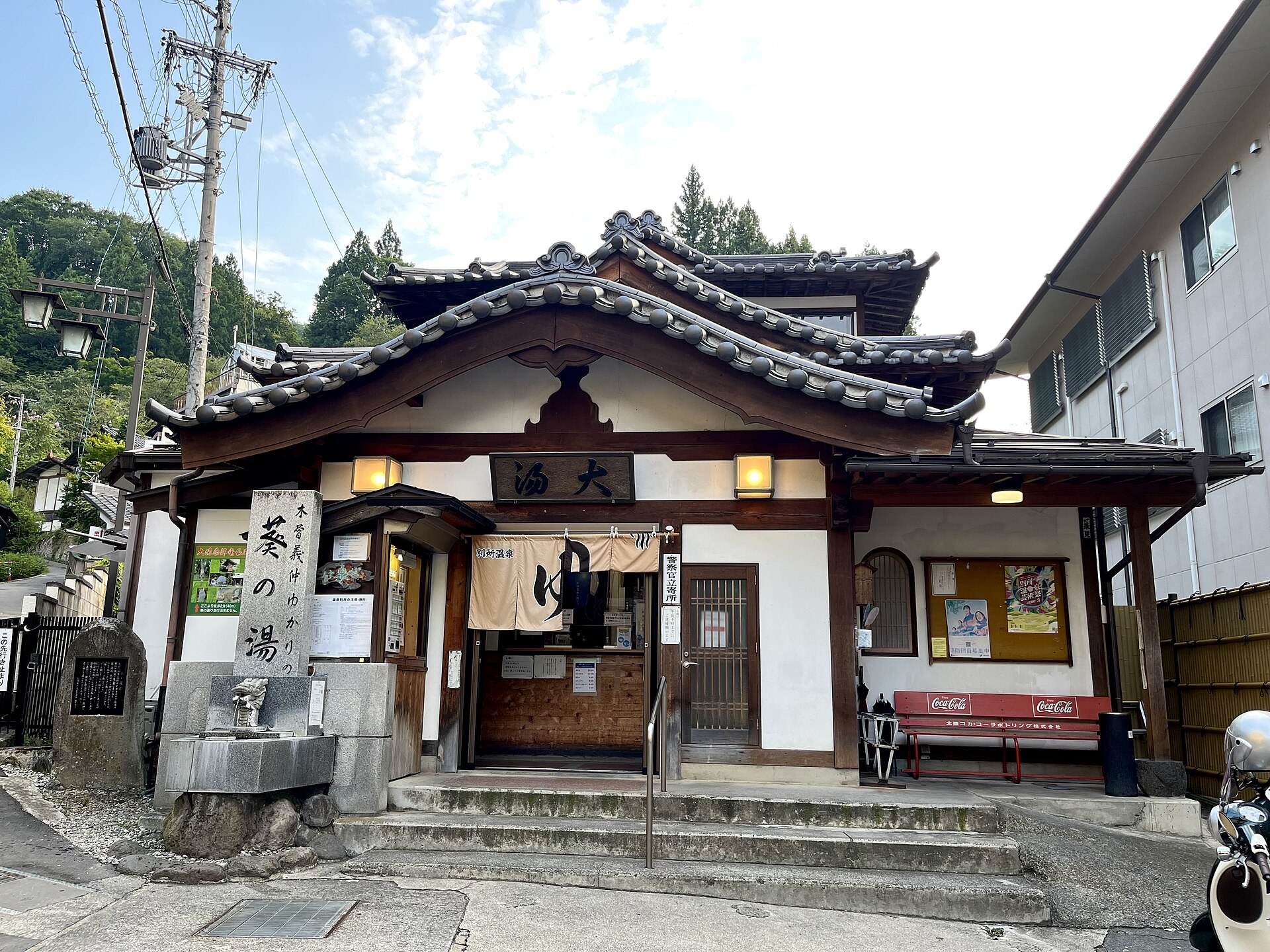
- Oyuthe roomiest of the village bathhouses, with an open-air pool and a stone marker to Kiso Yoshinaka
- Nanakuri foot batha free roadside foot bath on the lane between the baths and the temple quarter
- Kitamuki Kannona hall turned to face north, with a great katsura tree called the Aizome-katsura in its grounds
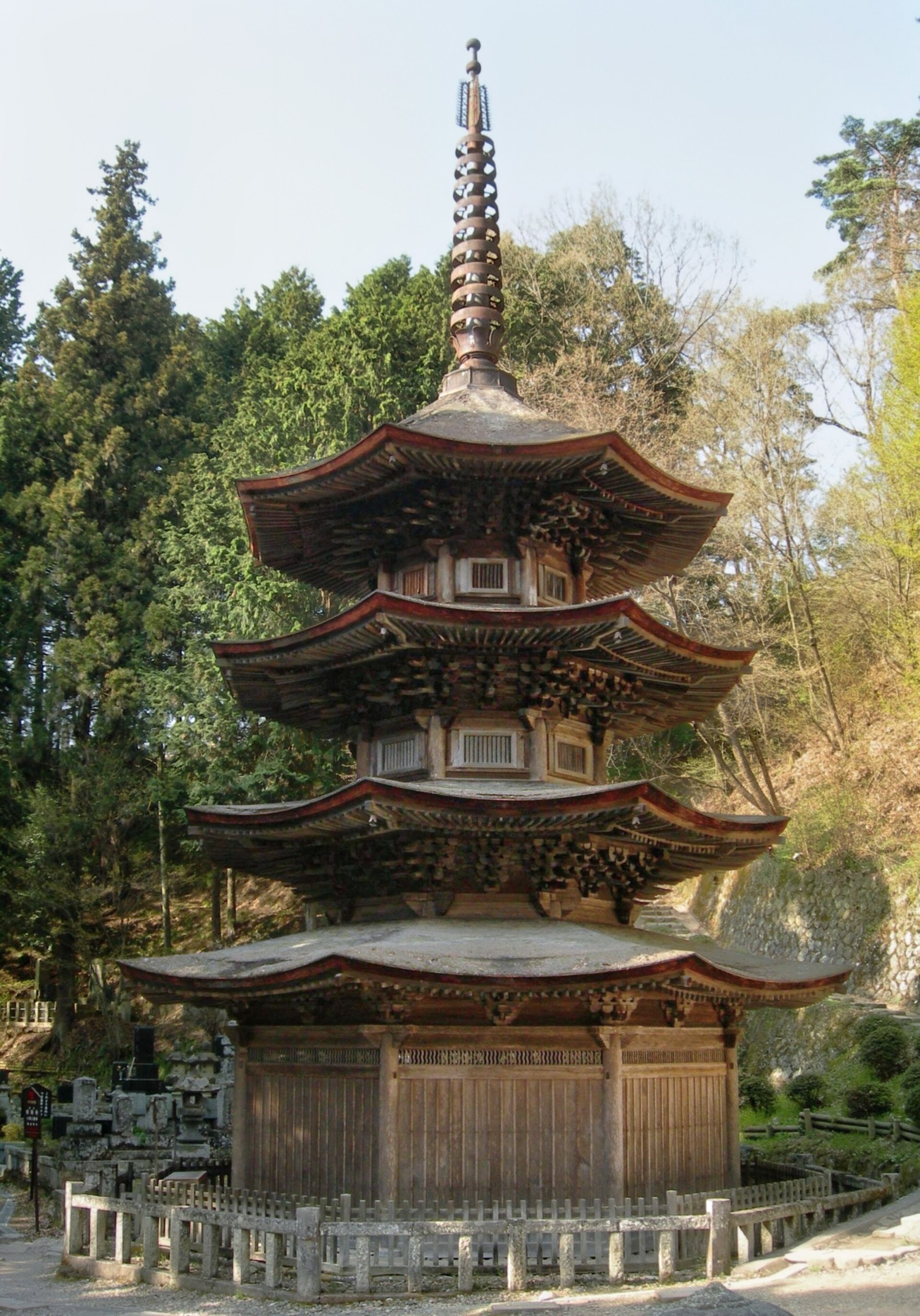
- Anrakuji octagonal pagodaa wooden tower of three storeys on an eight-sided plan, up the stone stair behind the main hall
- Jorakujia Tendai temple holding a stone pagoda listed as an Important Cultural Property
How to actually get there
- Ueda Station → Bessho-Onsen Station (Ueda Dentetsu Bessho Line, to the last stop, about 30 minutes, 590 yen).
- Bessho-Onsen Station → Oyu bathhouse (walk about 10 minutes downhill into the village).
- Oyu → Nanakuri foot bath → Kitamuki Kannon (walk 5 to 10 minutes west).
- Kitamuki Kannon → Anrakuji → Jorakuji (roughly 5 minutes between each).
- Ueda Dentetsu Bessho Line, the whole line from Ueda
- Ueda Station, served by the Hokuriku Shinkansen and the Shinano Railway, is the start of the Bessho Line. Ride it to the last stop, Bessho-Onsen, for 590 yen; the trip takes about half an hour. Daytime service is roughly one to two trains an hour, so glance at the platform timetable before you leave Ueda.
- Back down the same line
- Trains return from Bessho-Onsen to Ueda on the same single track. Service is thinner than on a city line and the last departure leaves in the evening rather than late at night, so read the timetable before you settle into a long soak.
About the place
Bessho Onsen lies in a fold of the hills at the south-western edge of Ueda, above the farming basin called the Shioda Plain. Three public bathhouses stand in the village — Oyu, Daishiyu and Ishiyu — each held by the community rather than by a single inn, and each a few minutes' walk from the next. The water is a mildly alkaline simple sulphur spring. Two free foot baths, Nanakuri and Oyu Yakushi-no-yu, sit along the same lanes for anyone who would rather stay dressed. Because the baths are public, arriving by train and bathing the same afternoon takes no planning at all.
How to enjoy it
The bathhouses open around six in the morning and the Kannon hall from seven, so an early start means a bath first and the temple loop afterwards while the lanes are still quiet. Each bathhouse rests on a different weekday, so whichever day you come the others are working. Keep the free foot bath for the walk back, when your legs have had enough of the slopes.
Background & history
Bessho is often called the oldest hot spring in Shinshu, and older writing gives the water here the name Nanakuri. Kitamuki Kannon, whose hall faces north toward Zenkoji in Nagano, is said to have been opened in the early Heian period. Anrakuji keeps the only wooden octagonal pagoda left in Japan, the first building in Nagano Prefecture to be named a National Treasure. In 2020 the village, the shrines of the plain and the branch railway opened in 1921 were listed together as a Japan Heritage story about a solstice line drawn across the basin.
Before you go
- Cash
- Entry to each public bathhouse is 300 yen, paid in cash at the counter. The Bessho Line does not let you tap in with an IC card, so buy a paper ticket — though the machines at Ueda, Shimonogo and Bessho-Onsen do accept cards and IC balance as payment.
- Before you go
- Ishiyu rests on Tuesdays, Oyu on Wednesdays and Daishiyu on Thursdays. The Kannon hall keeps shorter hours from late autumn through winter and closes in the late afternoon, and the temple office beside it opens later in the morning than the baths do.
- Another way
- From Nagano Station both the Hokuriku Shinkansen and the Shinano Railway line run to Ueda, where you change to the Bessho Line for the last leg. From Matsumoto the route goes by way of the Shinonoi Line to Nagano and the same change at Ueda.
- After you get off
- Bessho-Onsen is the terminus, and the village lies downhill to the west. Walk roughly ten minutes along the main lane to reach Oyu; the Kannon hall and the temples are another five to ten minutes beyond it.