Northeast Nagano · YamanouchiNo.778★★★Open in map →
Shibu Onsen
— Bathhouses behind locked doors on one stone street
A hot-spring town at the mouth of the Shiga Kogen highlands, where a row of small public baths is set along one stone-paved street. Most open only to a key lent to overnight guests; the last one admits day visitors.
- FromNagano Station
- ~1 hrNagaden train, then a short bus
- Get off atYudanaka Station (Nagano Dentetsu Nagano Line)
- From there
- Shibu Onsen
Where it is
27 more notes in Nagano · open the map →What to look for — in walking order
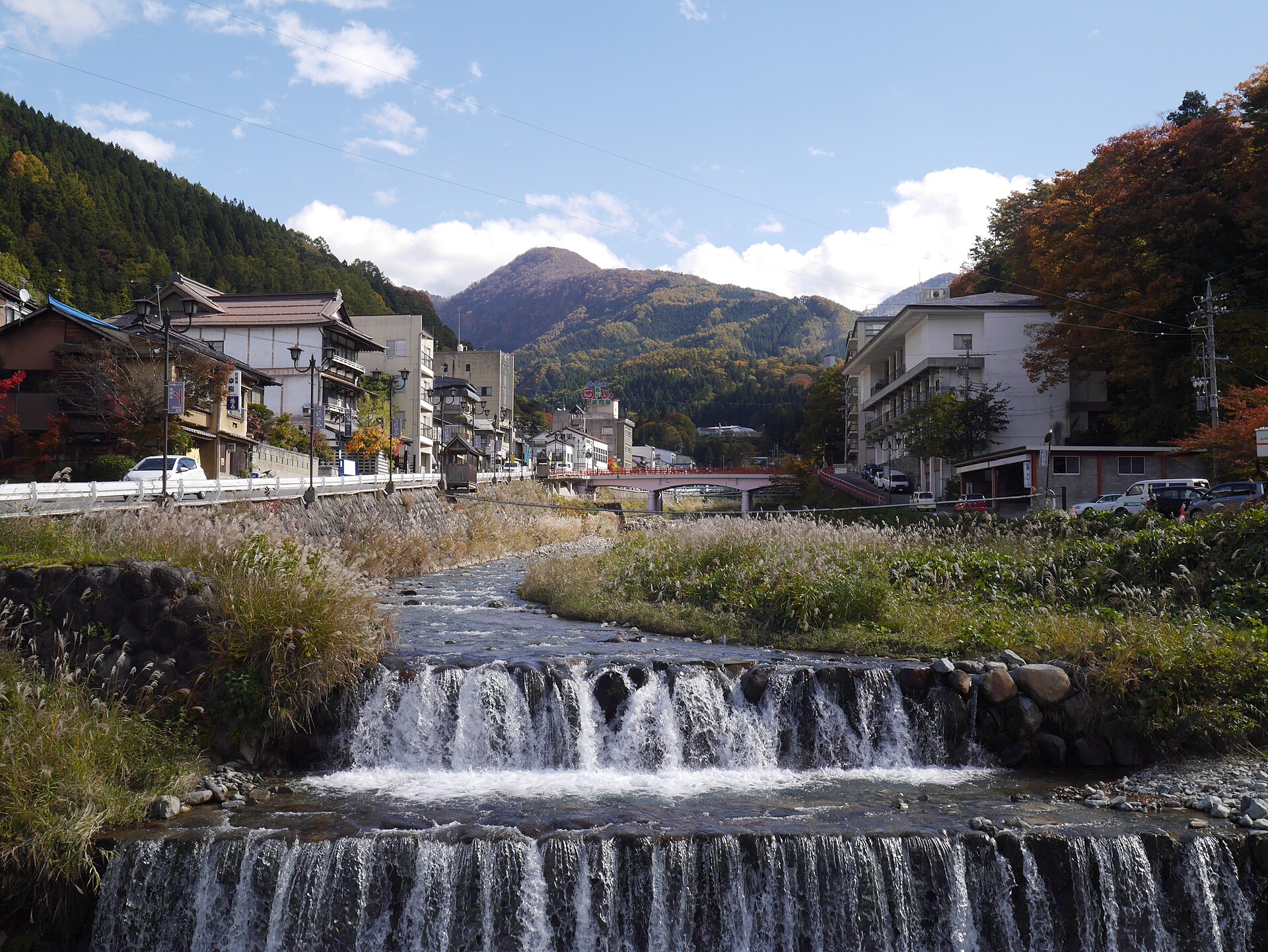
- Shibuyu Bridgethe crossing from the riverside car park, with the town standing up on the far bank
- Shibu Onsen tourist information officewhere the day-visitor ticket for the ninth bath is sold, as it is at several inns nearby
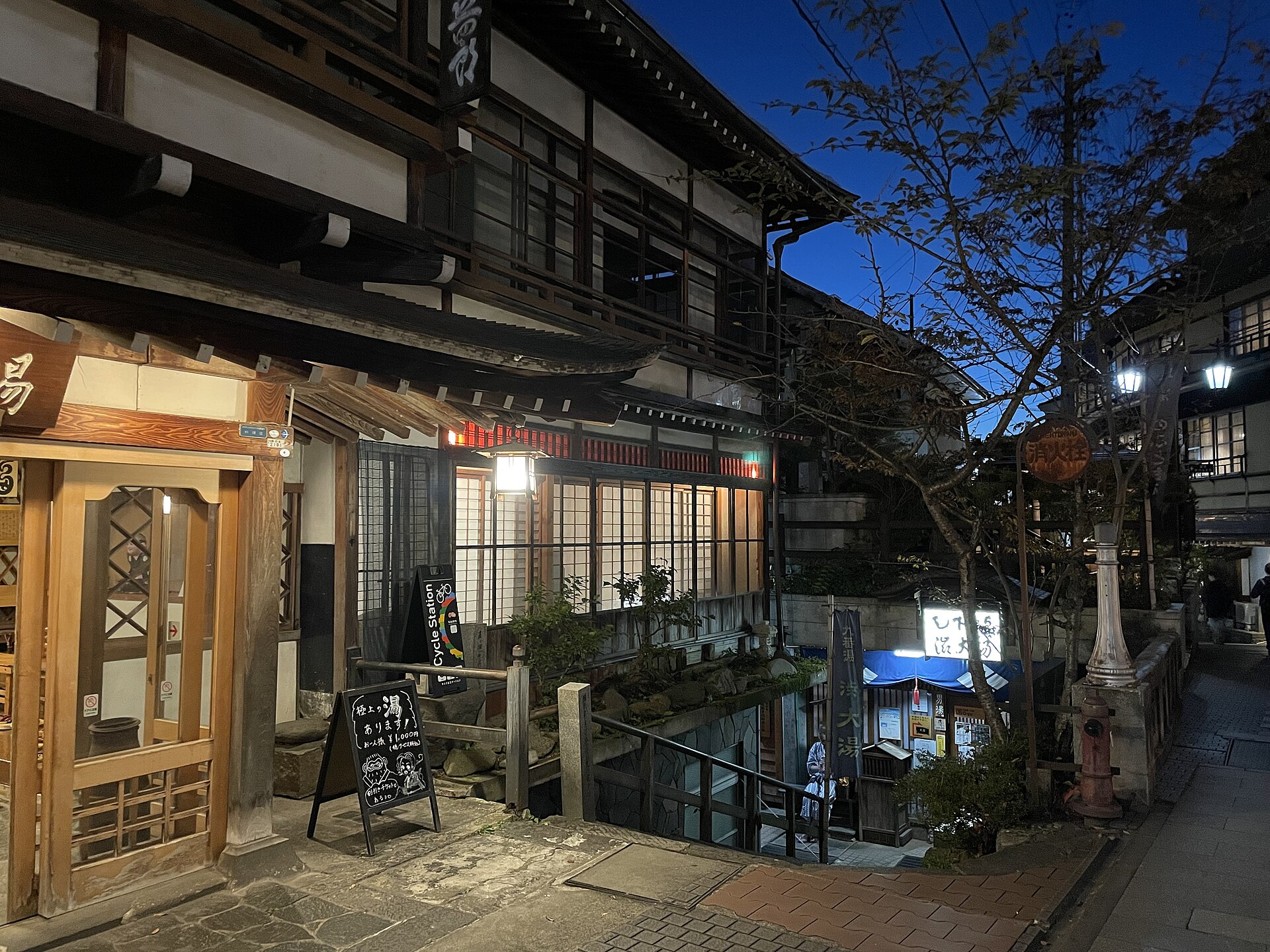
- The stone-paved streetwooden inn frontages on both sides, narrow enough that cars mostly stay out of it
- Baths one to eightnumbered doors set flush into the frontage, all opened by the same key and each claimed for a different ailment
- Shibu Ōyu, the ninth baththe largest of them, with a steam room and a rooftop footbath, and the only door a day visitor can open
How to actually get there
- Nagano Station → Yudanaka on the Nagano Dentetsu line, the last stop.
- Yudanaka → Shibu Onsen by Nagaden bus, or walk down the valley.
- Buy the day ticket for Ōyu at the information office before climbing the street.
- Walk the stone street up from the bridge, then take the ninth bath.
- Nagaden line from Nagano Station
- Nagano Station → the Nagano Dentetsu Nagano Line to Yudanaka, the end of the line. Limited express and all-stations services both run and the journey differs between them, so read the departure board before you board. From Yudanaka the Nagaden bus toward Kanbayashi calls at Shibu Onsen.
- Back down to Nagano
- The same bus and the same line, reversed. Services on a branch line thin out through the evening, so check the last departures before you settle into a bath rather than after. If you are connecting to the Shinkansen, leave room at Nagano instead of counting on a tight change.
About the place
Shibu sits at the mouth of the Shiga Kogen highlands, where the Yokoyu River comes down out of the mountains. The town is small enough to walk end to end, and the stone-paved street is most of it: wooden inn frontages on both sides, and the public bathhouses set into them at intervals. The water is a chloride spring, clear and faintly salty rather than sulphurous. Each bath carries a number, and each is held locally to suit a different complaint — stomach, skin, nerves, eyes. The doors look like ordinary doors, which is the point. They are not signposted attractions but the town's own washing.
How to enjoy it
Ōyu opens to day visitors during daytime hours only, and the ticket comes from the information office or from inns near the bath, so pick it up before you climb rather than after. Bring your own towel and expect no soap: shampoo and body wash are not provided and washing your hair is not allowed, because the water runs straight out again. If you want the whole round, the only way in is to stay — the key is handed over at check-in, which makes the baths an evening and a next-morning job rather than an afternoon one.
Background & history
The spring is said to have been found about thirteen hundred years ago by the travelling monk Gyōki, and Shibu grew from that as a cure town rather than a resort — people came to soak for weeks, not for a night. The numbering of the baths belongs to that habit: a fixed round, taken in order, each door assigned to a different ailment. Overnight guests still carry a printed cotton cloth and collect a stamp at each bath. The count is also a pun, since the word for nine is the word for hardship, so finishing the round is said to wash the trouble out.
Before you go
- Cash
- The ninth bath is paid, and the ticket is sold at the tourist information office and at inns beside it rather than at the door — rates are published locally and change, so confirm on the day. Bring cash. The other eight are not sold at all; they come with the key.
- Before you go
- Individual baths close for cleaning without notice, and this is heavy-snow country. The street stays walkable in winter, but wet stone and steam make the slope slick, and footwear matters more here than it looks like it should.
- Another way
- By car it is a short run up from the Shinshu-Nakano interchange on the Joshin-etsu Expressway. The town's own pay car park sits across Shibuyu Bridge and takes coaches as well as cars, which is the practical route outside train hours.
- After you get off
- From Yudanaka Station the Shibu Onsen stop is on the through road above the town; step down and the stone street drops away below you toward the river. If the bus timing is wrong, the walk down the valley from the station is short enough to do with a bag.