Northeast Nagano · Nozawa OnsenNo.1228★★Open in map →
Nozawa Onsen
— A hot-spring village in the snow country of north Nagano
A hot-spring village in the mountains of northern Nagano, where thirteen public bathhouses stand along the lanes, free to enter and kept by the households around them. At the top of the village the Ogama springs steam in the open air.
- FromIiyama Station
- ~25 minDirect bus, ~25 min
- Get off atNozawa Onsen Chuo Terminal (Nozawa Onsen Liner)
- On foot
- Nozawa Onsen
The sweet spot
Nozawa is a well-known ski village and it fills up in winter, so this is not a quiet secret. What is easy to miss is that the baths were never laid on for visitors. They are the village's own plumbing, opened to guests on trust, which is why the etiquette is stricter than at a commercial onsen and why nobody has cooled the water down for you.
Where it is
27 more notes in Nagano · open the map →What to look for — in walking order
- Nozawa Onsen tourist information officebeside the bus terminal, where the map of the thirteen baths is handed out
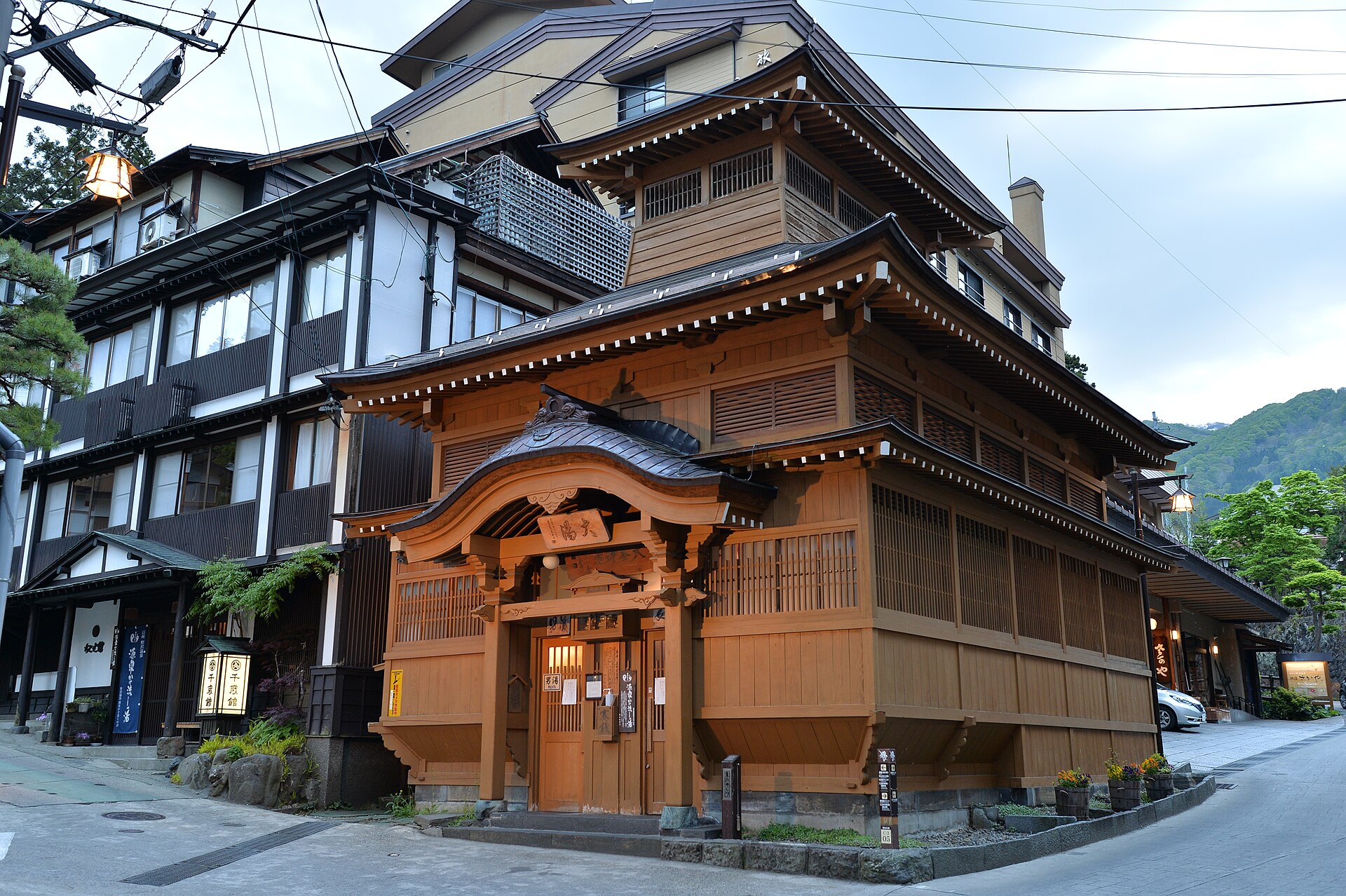
- Oyuthe wooden bathhouse at the centre of the village, and the busiest of the thirteen
- The lanes between the bathsnarrow streets climbing between inns and shops, bathhouse doors scattered among them
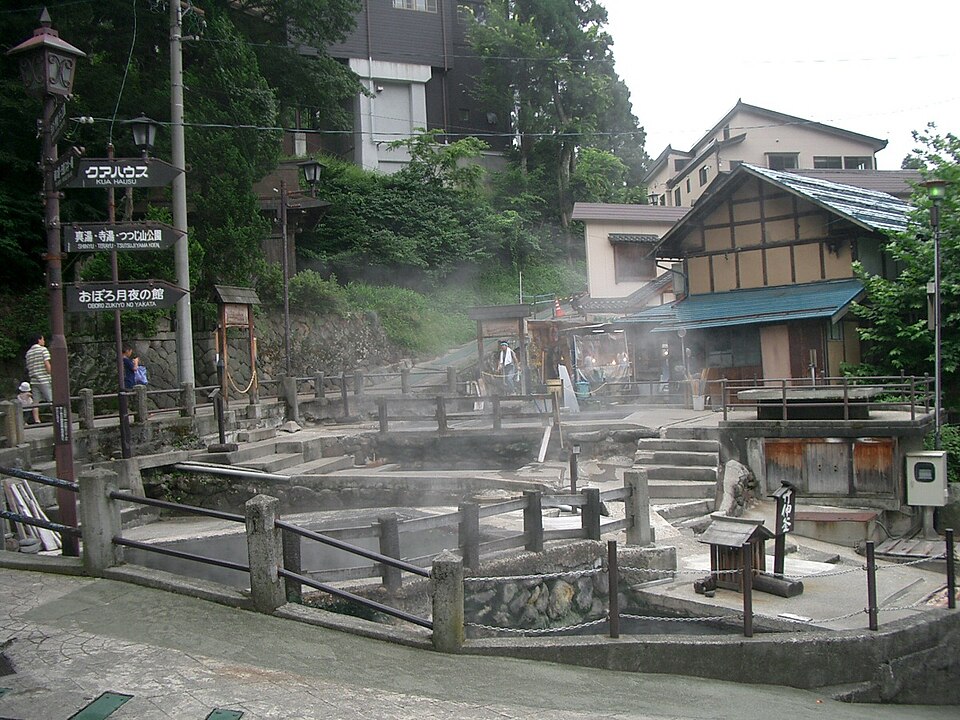
- Ogamapools of spring water steaming at the top of the village, fenced off and worked only by residents
- Ogama Onsen Park, Furusato-no-Yuthe village day-use bath beside the Ogama, with an indoor pool and an open-air one
How to actually get there
- Iiyama Station → Nozawa Onsen Chuo Terminal (Nozawa Onsen Liner, about 25 minutes).
- Terminal → tourist information office beside it, for the map of the baths.
- Information office → Oyu, the bathhouse at the centre of the village (uphill on foot).
- Oyu → the Ogama and the village day-use bath at the top of the lanes.
- Hokuriku Shinkansen to Iiyama, then the direct bus
- Iiyama Station is on the Hokuriku Shinkansen, and the Nozawa Onsen Liner runs from the station up to the village in about 25 minutes. The tourist association publishes the timetable by season, and it is a fixed set of departures rather than a frequent service, so match your shinkansen to a bus before you book either.
- Back down to Iiyama Station
- The same Nozawa Onsen Liner runs back down to Iiyama Station, again on a published timetable rather than turn-up-and-go. Read your return departure off the terminal board when you arrive, then build the last bath of the day around it instead of the other way round.
About the place
Nozawa Onsen is a village in the mountains of northern Nagano, built around its own water. Around thirty springs rise within the settlement, and thirteen public bathhouses — the soto-yu — stand along its lanes. No company runs them. They belong to the yunakama, neighbourhood groups of villagers who clean them and keep them open, and entry is free, with a donation box inside the door. At the top of the village the Ogama, a set of pools where spring water surfaces at around ninety degrees, still works as a communal kitchen. Above the roofs, ski runs come down the ridges into the streets.
How to enjoy it
Use the baths the way you would use somebody's home bathroom: rinse properly before you get in, keep your towel out of the water, and turn the cold tap off once the bath is bearable, because whoever comes next inherits what you leave. Each bath posts its own hours and they move with the season, so read the notice at the door rather than assume. If one is too hot for you, walk on — the thirteen are not all at the same temperature.
Background & history
The baths have been held by the yunakama, the neighbourhood groups, since the Edo period, and the same arrangement still decides who cleans them and when they open. Nozawana, the pickled green now sold across Nagano, is traced to this village, and the temple of Kenmyoji is named as its source. Villagers blanch the leaves in the Ogama water, which draws the bitterness out. The fire festival held every 15 January, the Dosojin Matsuri, is designated an important intangible folk cultural property.
Before you go
- Cash
- The thirteen soto-yu have no ticket window. Inside each door there is a donation box for the yunakama who maintain it, so carry small coins from the first bath onward. The village day-use bath beside the Ogama is a paid facility with a counter of its own; its rate and hours are set by the village and can change, so check before you count on it.
- Before you go
- Opening hours differ from bath to bath and shift with the season, and visitors are asked not to bathe late at night. This is deep snow country, and in winter the part to plan for is the walk between baths rather than the bath itself. The Ogama is fenced off on safety grounds and closed to anyone but residents, so look from the path and do not step down to the pools.
- Another way
- Drivers are directed to the village car parks rather than the lanes: the association lists the Shinden multi-storey and the Shinden terminal, along with Nakao and Yokoochi. The lanes climb steeply between inns and are not a place to leave a car. If you are staying overnight, ask your inn which lot it uses before you arrive.
- After you get off
- The Nozawa Onsen Liner sets down at the Chuo terminal at the lower edge of the village. The tourist information office stands beside it, and the bath map is worth collecting there first. Oyu is a few minutes uphill on foot, and the Ogama is further up again, at the top of the lanes.