Kagoshima · SakurajimaNo.529★★★Open in map →
Sakurajima
— The working volcano across the bay from the city
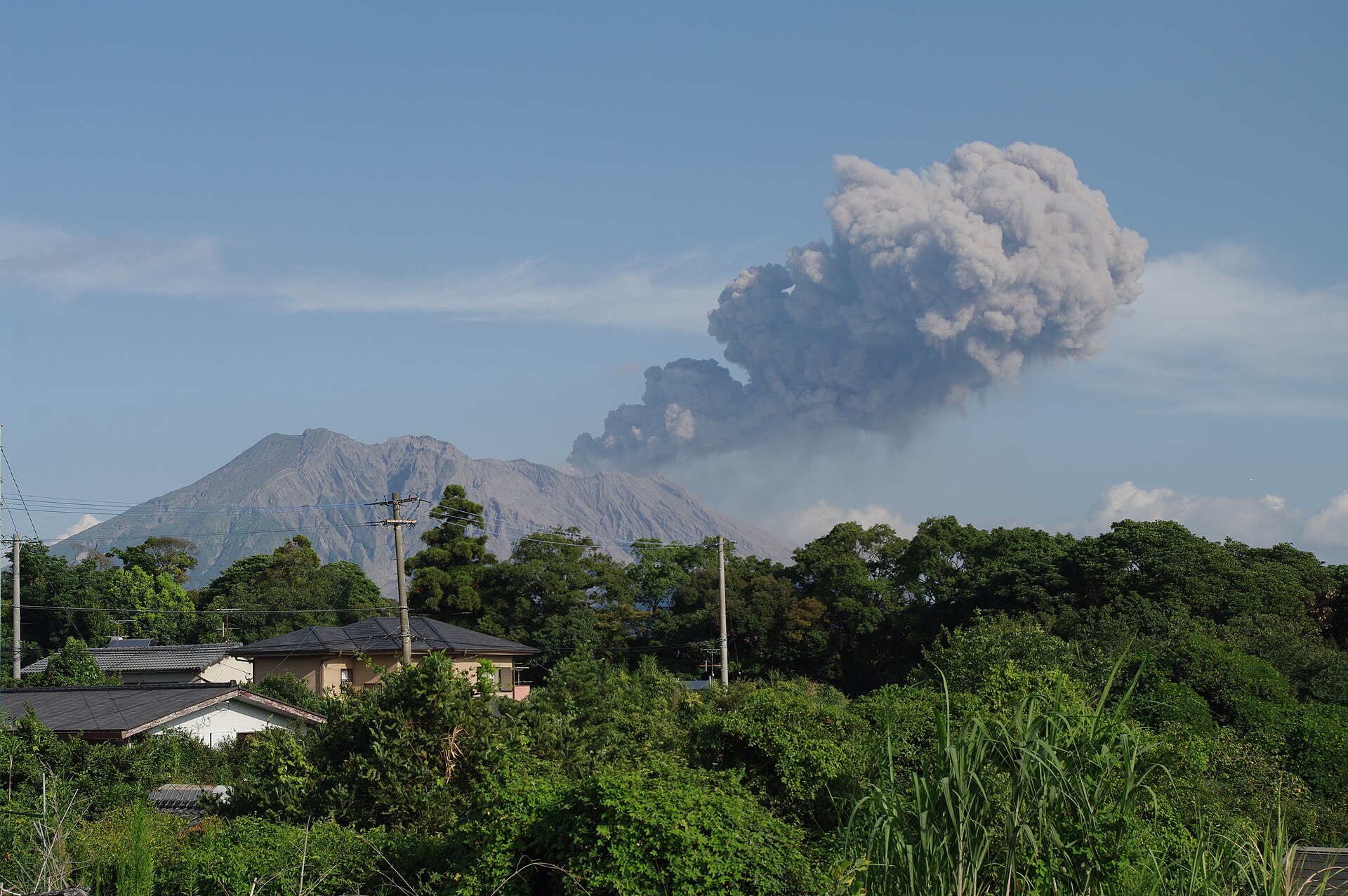
An active volcano in Kinko Bay, facing central Kagoshima across the water and connected to it by the city's own ferry. The landing side has a visitor centre, lava-field paths, a free foot bath and a loop bus up to the observation decks.
- FromKagoshima Port
- ~15 minCity ferry, frequent all day
- Get off atSakurajima Port (Sakurajima Ferry)
- From there
- Sakurajima
Where it is
12 more notes in Kagoshima · open the map →What to look for — in walking order
- Sakurajima Visitor Centera small volcano museum by the shore, free to enter, with a relief model of the mountain and displays on its eruptions
- Nagisa Lava Trail foot batha long open-air foot bath at the lava park beside the visitor centre, facing the water
- Akamizu Observation Plazaa broad terrace on the western flank, the first stop on the loop bus above the shoreline
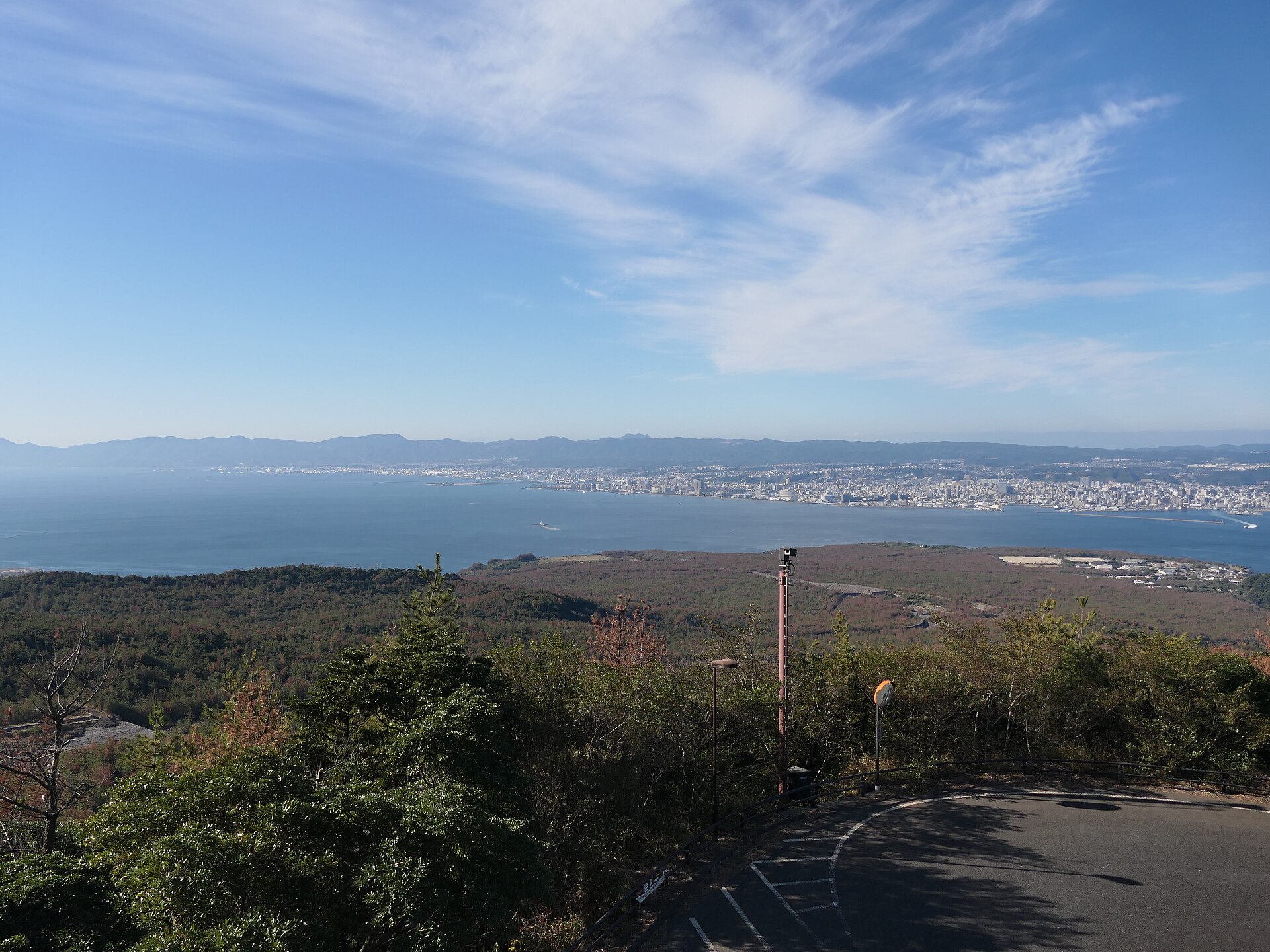
- Yunohira Observatorythe highest point the public road reaches, looking down the lava flows and across the bay to the city
- Kurokami buried toriia shrine gate on the eastern shore left standing with only its top rail above the ash and pumice
How to actually get there
- Kagoshima-Chuo Station or Tenmonkan → Kagoshima Port ferry terminal (city tram or bus, then a short walk).
- Kagoshima Port → Sakurajima Port by Sakurajima Ferry.
- Walk west to the visitor centre and the lava coast, or take the island loop bus from outside the terminal up to the observation decks.
- Return to Sakurajima Port and take the ferry back.
- Sakurajima Ferry from Kagoshima Port
- Kagoshima Port's ferry terminal sits north of the aquarium, reachable by tram or bus from Kagoshima-Chuo Station and Tenmonkan. The crossing to Sakurajima Port is run by the city's own shipping bureau and leaves frequently through the day, so there is no need to plan around a timetable. You board without buying a ticket first.
- Back across to Kagoshima
- Return sailings leave from Sakurajima Port, and on this direction you pay before boarding rather than after. Late-night operation has been under review, so if you plan to stay into the evening check the last departure on the board at the terminal instead of relying on an older timetable.
About the place
Sakurajima rises straight out of Kinko Bay opposite central Kagoshima, a compound volcano whose highest point, Kitadake, stands at 1,117 metres. It is not dormant: ash falls on the city often enough that residents keep dedicated bags for sweeping it up, and the summit craters are fenced off from visitors. What makes it unusual among famous volcanoes is the commute. A municipal ferry links the two shores on a schedule closer to a bus route than an excursion, so the mountain functions as an ordinary district of the city rather than an expedition. The landing side holds the visitor centre, lava-field walks and a free foot bath.
How to enjoy it
A half day works better than a full one: cross late morning, walk the lava shore, and take the loop bus up before the light flattens. The foot bath is the part people skip and then wish they had not, so carry a small towel. Check the wind before you commit to the observation decks — with ash blowing your way, the shoreline walk is the better use of the afternoon.
Background & history
Sakurajima was an island until 1914. The eruption of that year, the largest in Japan in the twentieth century, poured out lava that filled the strait on the eastern side and joined the mountain to the Osumi Peninsula, and the name stayed even though the island had stopped being one. Earlier eruptions in the Edo period had already reshaped the coastline and buried settlements. Activity has continued through the modern era, which is why the observation network and the exclusion zone around the summit exist at all.
Before you go
- Cash
- The passenger fare is 250 yen for adults and 130 yen for children as confirmed. Fares are collected only on the Sakurajima side: coming over, you pay when you get off; going back, you pay before you board. Nationwide IC cards are accepted at the ferry gate, along with the local Rapica card. The island loop bus is different — it does not take nationwide IC cards, so keep coins for it.
- Before you go
- Ash is the variable. When the wind carries it over the landing side, the observation decks go grey and hazy; a cheap umbrella and something to cover a camera help. The area around the summit craters is a restricted zone and cannot be entered. The observation points are open-air and there is little shelter on the lava coast.
- Another way
- The ferry takes cars, so a rental vehicle can cross with you. By land, Sakurajima can also be driven to from the Osumi Peninsula side, which the eruption of the last century joined to the island with lava.
- After you get off
- From Sakurajima Port's ferry terminal it is about a ten-minute walk west along the shore to the visitor centre and the lava park. The loop bus stop is directly outside the terminal.