Amami Oshima · SumiyoNo.505★★★Open in map →
Amami Oshima
— Kagoshima's World Heritage subtropical island
A World Heritage island of subtropical forest lying between Kyushu and Okinawa. Halfway down it, at Sumiyo, a free government centre stands in a mangrove estuary and sets out what was listed, why it matters, and the rules that come with visiting.
- FromNaze, Amami's main town
- ~30 minShimabus or rental car
- Get off atMangrove Park bus stop (Shimabus)
- On foot
- Amami Oshima
Where it is
1 more note in Kagoshima · open the map →What to look for — in walking order
- Michi-no-Eki Amami Oshima Sumiyothe roadside station at the entrance, with a shop and a restaurant
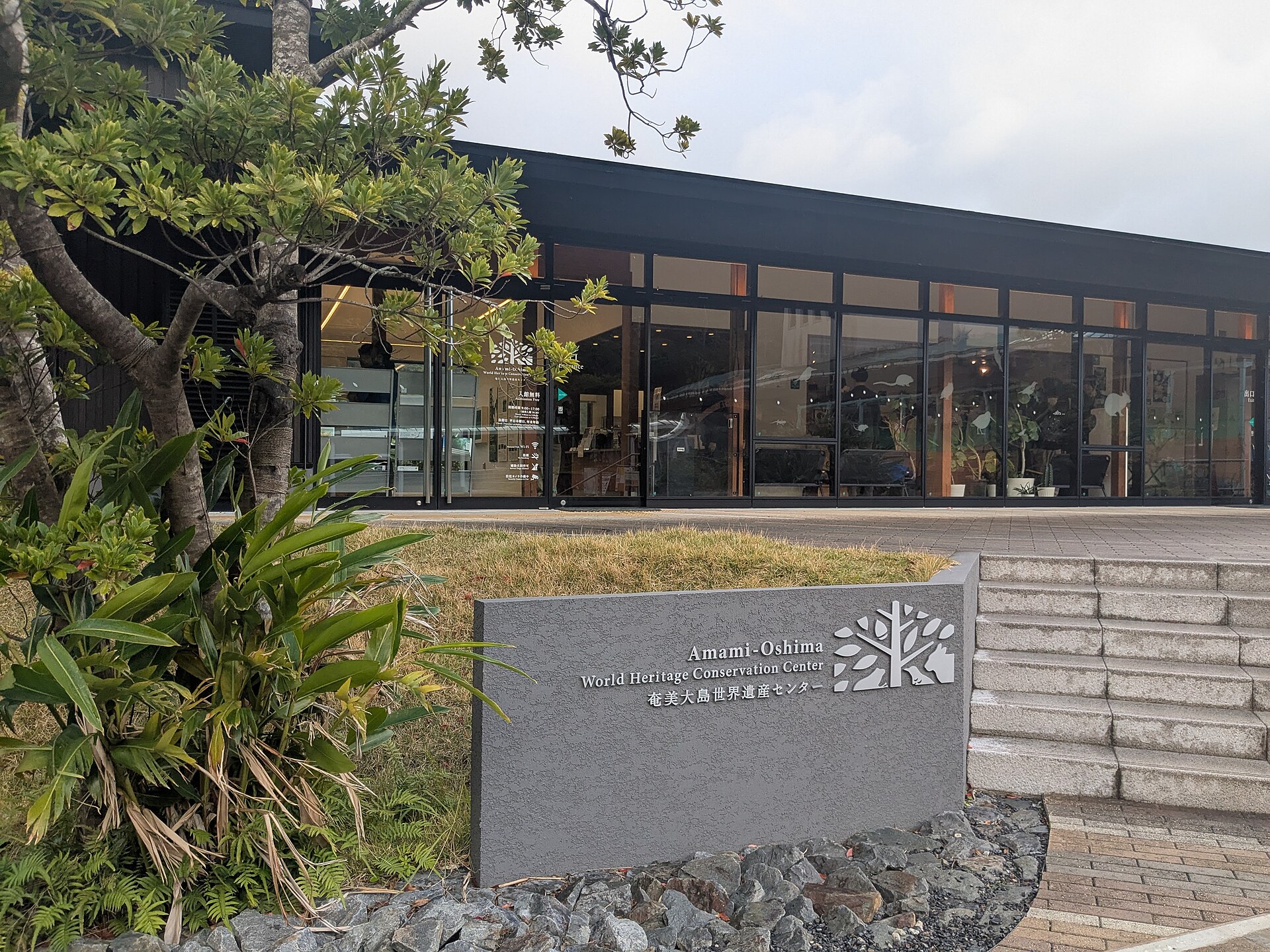
- Amami Oshima World Heritage Centrea free Ministry of the Environment exhibition that recreates the forest in changing light and sound
- Kuroshio no Mori Mangrove Parkthe park the centre stands in, free to enter and open toward the estuary
- The Sumiyo mangrove estuarybrackish water where the island's rivers spread out before reaching the sea
- The canoe landingwhere guided canoe trips push out into the mangrove channels
How to actually get there
- Fly into Amami Airport, then take the airport bus or drive to Naze, the island's main town.
- Naze → Mangrove Park stop (Shimabus, Koniya route), or about 30 minutes by car.
- Roadside station → Amami Oshima World Heritage Centre → Kuroshio no Mori Mangrove Park, all within one set of grounds.
- Shimabus south from Naze
- From Naze, the island's main town, buses on the Koniya route run south and call at the Mangrove Park stop, which sits at the entrance to the roadside station. By rental car or taxi the same trip takes about thirty minutes, the figure both the centre and the park give.
- Getting back to Naze
- The same route runs north again to Naze, but services on a rural island road are not frequent and the last bus leaves earlier than city travellers expect. Check the return times on the board when you arrive, and keep a taxi number for the roadside station in reserve.
About the place
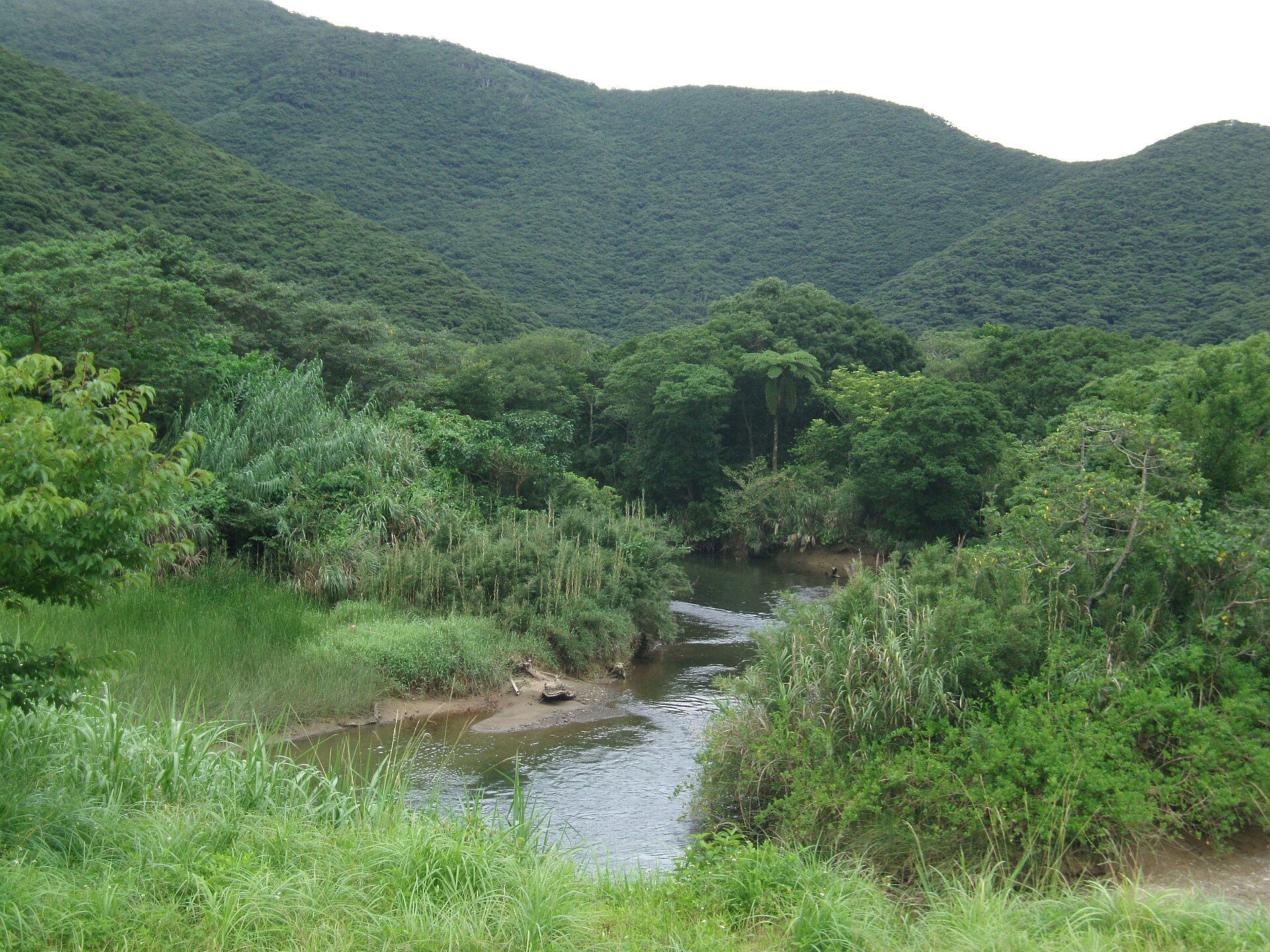
Amami Oshima is the largest island of the Amami group, long and mountainous and covered in subtropical forest, lying between Kyushu and Okinawa. Its value is biological rather than scenic: animals live on these islands and nowhere else on earth. The forest is not simply open to wander into, either — the old-growth stand at Kinsakubaru is entered with a certified guide. Halfway down the island at Sumiyo, the rivers spread out into a mangrove estuary, and the roadside station beside it holds the free centre where the listing is set out.
How to enjoy it
The centre opens at 9:00 and takes its last visitors at 16:30. Walk the recreated forest first — its light and sound shift with the season — then go out to the water, where the same forest meets the tide. Canoe trips from the park run on the tide rather than the clock, so ask at the counter for the day's times.
Background & history
UNESCO inscribed 'Amami-Oshima Island, Tokunoshima Island, the northern part of Okinawa Island, and Iriomote Island' as World Natural Heritage on 26 July 2021. The listing rests on endemic species such as the Amami rabbit, which survives only here and on Tokunoshima. Exactly one year later, on 26 July 2022, the Ministry of the Environment opened the Amami Oshima World Heritage Centre at Sumiyo to explain what had been listed and what protecting it asks of visitors.
Before you go
- Cash
- The centre charges nothing and the park it stands in is free to enter; the guided canoe trips the park runs are the paid exception. Bus fares are settled on the bus, so keep notes and coins with you.
- Before you go
- The centre closes on Thursdays that fall on weekdays and from 29 December to 3 January, and it stops admitting visitors at 16:30. The estuary is tidal and the island lies in the typhoon track, so canoe departures move with the water and the weather rather than with a fixed timetable.
- Another way
- Coming up from the south of the island, buses and cars reach the same stop from Koniya, which makes the centre a halfway break on a Naze–Koniya day.
- After you get off
- The Mangrove Park stop faces the roadside station itself. Walk in past the shop and the restaurant; the World Heritage Centre stands in the same grounds, with the park and the water behind it.