Wakasa · ObamaNo.1318★★Open in map →
Wakasa Agate Craft
— The craft workshop in Obama's food culture museum
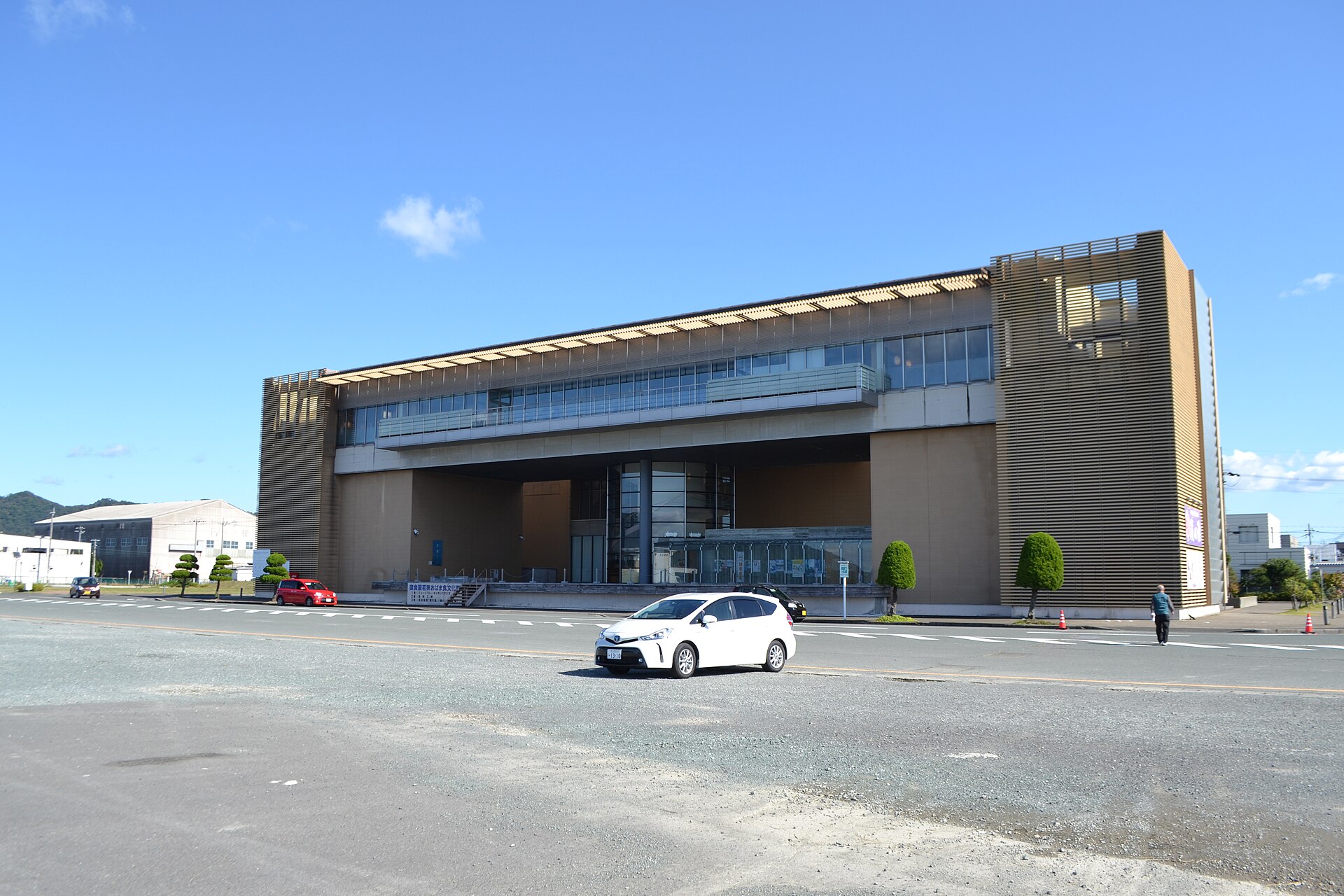
Obama's precious-stone craft, in which raw agate is fired to bring out its red and then carved and polished. Upstairs in the city's food culture museum, Wakasa Kobo lets visitors polish a piece of agate themselves.
- FromTsuruga Station
- ~1 h + 20 min walkJR Obama Line, then on foot
- Get off atObama Station (JR Obama Line)
- From there
- Wakasa Agate Craft
The sweet spot
The workshop sits inside a public museum that charges nothing to enter, so it is not hidden. It is, however, upstairs. If you come only for the museum's food displays, it is easy to leave without finding it.
Where it is
28 more notes in Fukui · open the map →What to look for
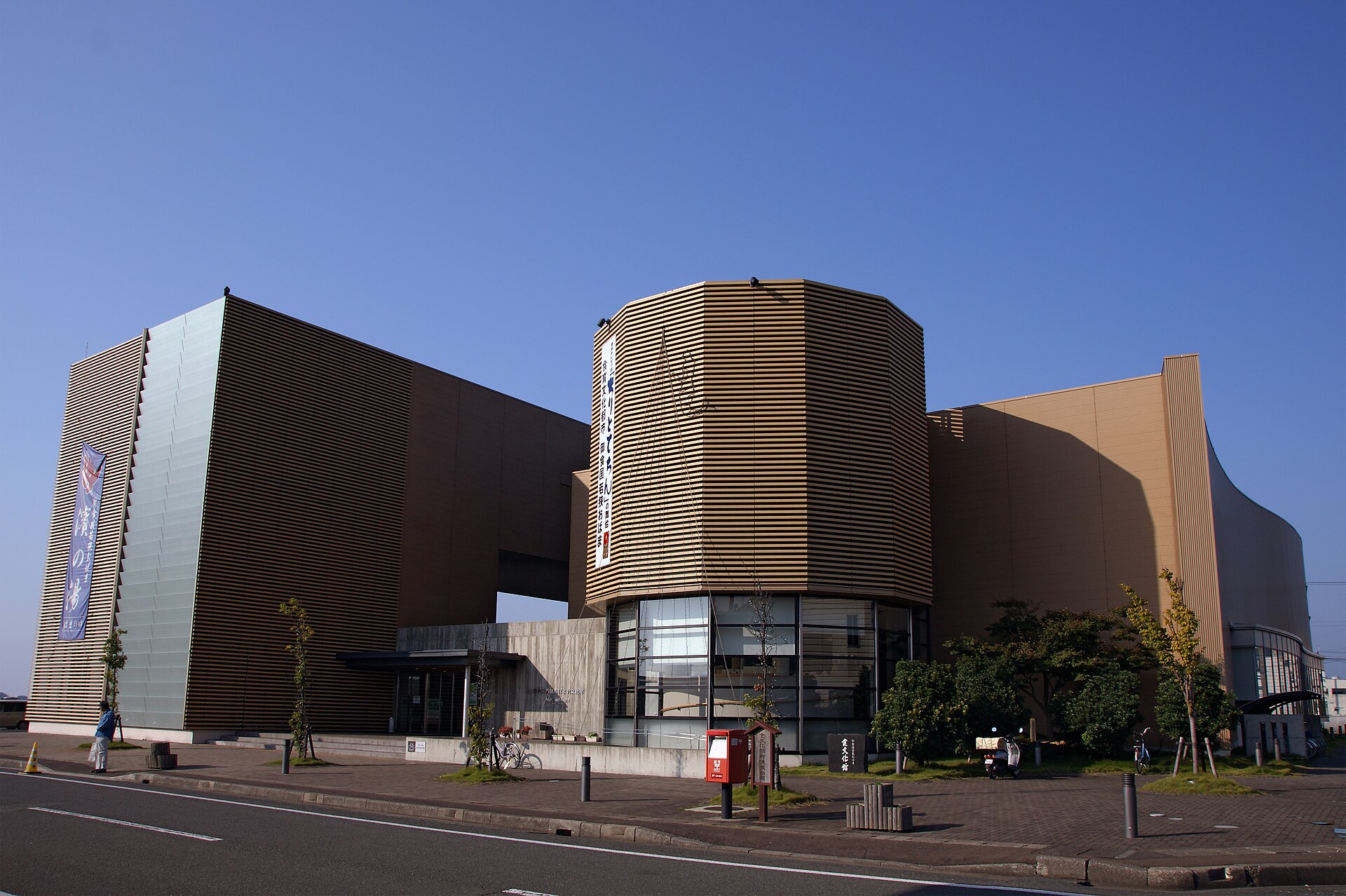
- Food culture museum entrancea city facility free to enter, with the workshop up to the right from the door
- Wakasa Koboa workshop run by Obama's craftspeople, with local craft pieces for sale
- Agate polishingpolish a piece of agate yourself, finished as a pendant or a key ring
- Agate plate patterningdraw your own design on a thin agate plate, then cut it out
- Lacquer and paper sessionsWakasa lacquer chopstick polishing and paper-making, offered in the same workshop
How to actually get there
- Tsuruga Station → Obama Station (JR Obama Line, westbound, ~1 hr).
- Obama Station → Miketsukuni Wakasa Obama Food Culture Museum (walk ~20 min).
- Inside the entrance, go up on the right to Wakasa Kobo on the upper floor.
- Choose a session: agate polishing, or patterning a thin agate plate.
- JR Obama Line from Tsuruga, then on foot
- Tsuruga Station →(JR Obama Line, westbound, no change)→ Obama Station, about an hour. From Obama Station the museum is about 20 minutes on foot.
- Return from Obama Station
- Walk back to Obama Station and take the JR Obama Line to Tsuruga. Trains on this line are infrequent, with long gaps at some times of day, so check the return times before you leave the station.
About the place
Wakasa agate craft is the precious-stone carving of Obama. Raw agate, grey before treatment, is fired until the iron inside it oxidises and turns red. It is then cut, carved and polished into ornaments, incense burners, cups and jewellery, and paired roosters and hens or carp are long-favoured subjects. The work runs in four stages: selecting the stone, firing, carving and shaping, and polishing. The raw stone is now brought in from overseas. The place to meet the craft is Wakasa Kobo, a workshop formed by the town's craftspeople on the upper floor of the city's food culture museum.
How to enjoy it
The workshop's own site sets the last call for sessions before the building closes, and earlier still in winter, so come while the day is young. Groups should contact the workshop ahead. Wakasa Fisherman's Wharf, a short walk away, is an easy stop on the way back.
Background & history
Tradition places the craft's beginnings in the Nara period, when a people who revered jewels made beads in front of the province's foremost shrine. By the mid-Edo period the technique of firing the stone to bring out its colour had taken hold. A local man, Kihei, is said to have learned the work while in service at a spectacle maker in Osaka during the Kyōhō era, then spread it at home. In the early Meiji years Nakagawa Seisuke developed the carving methods that continue today. Often called the root of precious-stone craft in Japan, it was designated a national traditional craft in 1976.
Before you go
- Cash
- Entry to the museum is free; the craft sessions are charged. Wakasa Kobo has announced a revision of its session fees, so check the current list on its website.
- Before you go
- The museum and the workshop close on Wednesdays (they open when Wednesday is a public holiday) and over the year-end and New Year. Closing time is earlier from November to February.
- Another way
- By car, use the Obama interchange on the Maizuru-Wakasa Expressway. The museum has its own car park.
- After you get off
- From Obama Station, walk north-west for about 20 minutes. The museum stands close to Wakasa Fisherman's Wharf.