Nara City · Sanjo-doriNo.1246★★Open in map →
Narazuke
— Sake-lees pickles from the old capital
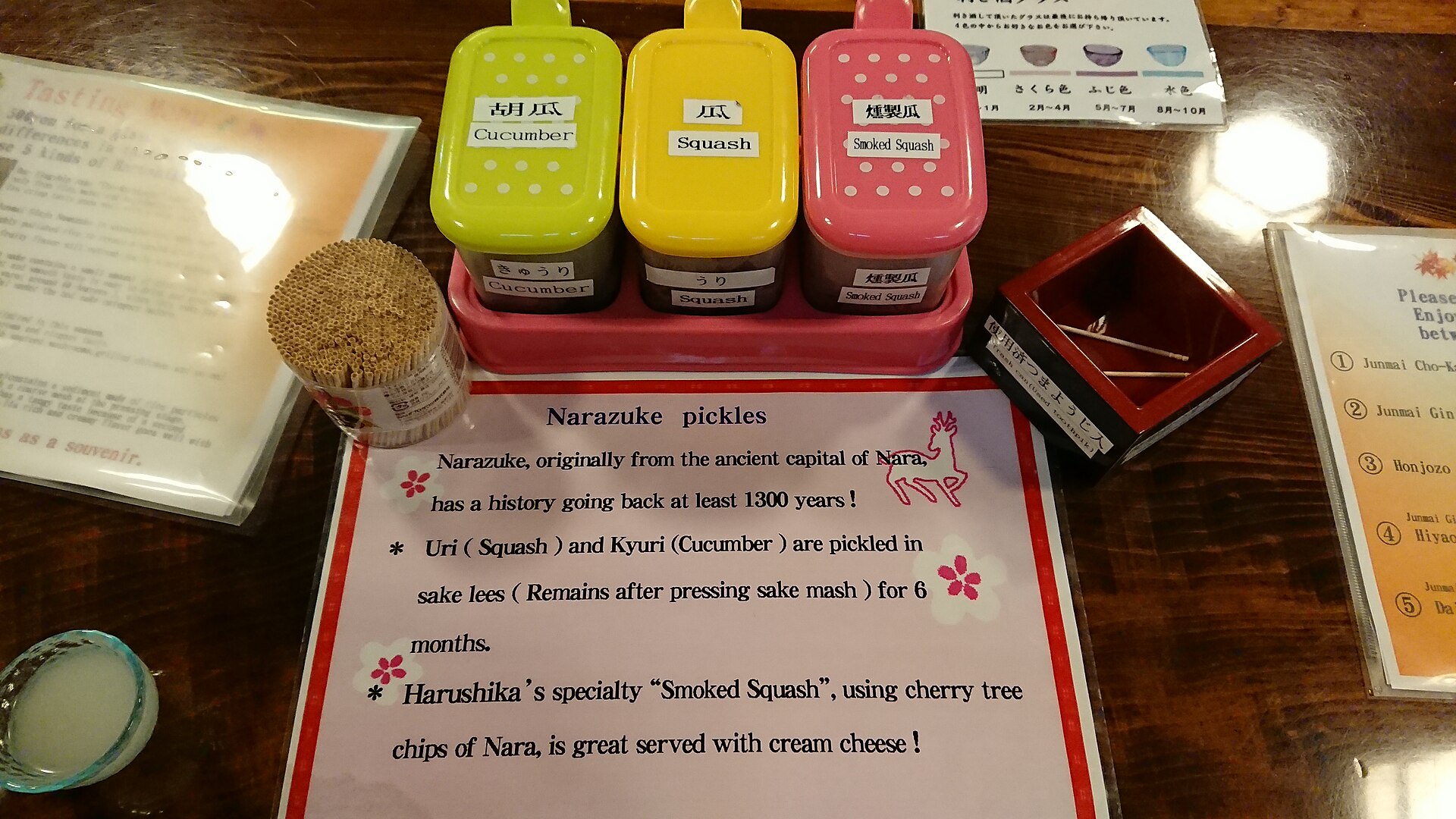
Narazuke is Nara's pickle. Gourd, cucumber and other vegetables are salted first, then moved again and again into fresh sake lees. The old station building at the west end of Sanjo-dori makes an easy place to begin looking for it.
- FromKyoto Station
- under 1 hourJR Nara Line, no transfer
- Get off atNara Station (JR Nara Line)
- On foot
- Narazuke
The sweet spot
Narazuke is not hidden. It appears on the city tourist association's own list of things to take home, and it is stacked in shops between the station and the park. What gets missed is that those three characters are a place name, and that the place still makes the thing. Most visitors read the word as a flavour.
Where it is
32 more notes in Nara · open the map →What to look for — in walking order
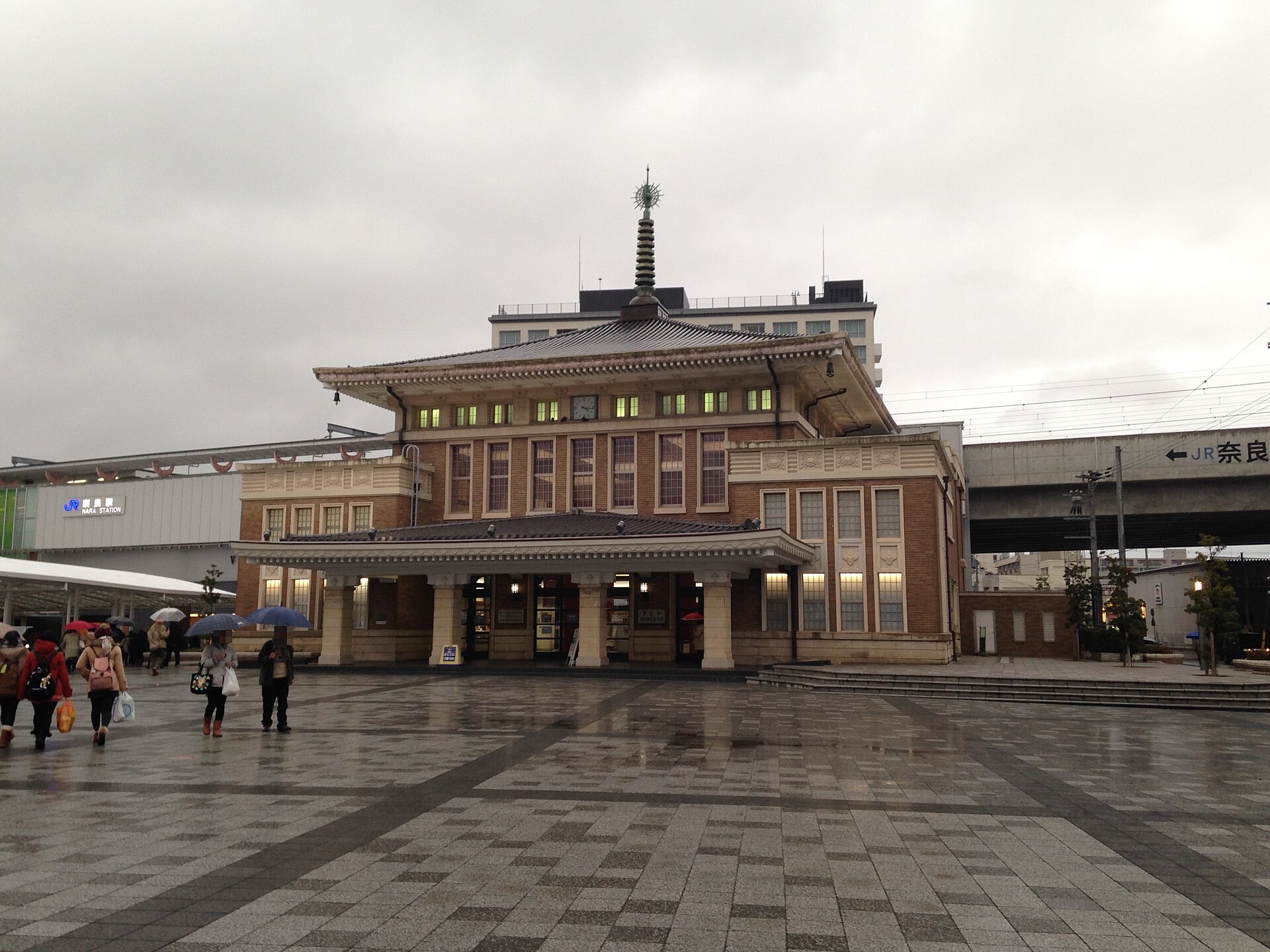
- Former Nara Station buildingA 1934 station of tiled roofs and a spire, listed as modern industrial heritage
- Tourist information counterStaffed desk inside, working in Japanese, English, Chinese and Korean
- Left luggage deskSame hall, for the tub bought before the walking starts
- Sanjo-doriThe street running east from the door, shops all the way toward the park
How to actually get there
- Kyoto Station → JR Nara Line, direct to Nara Station.
- Nara Station → east exit, then the old station building immediately north-east.
- Old station building → east along Sanjo-dori, where the shops begin.
- Sanjo-dori → keep east for Kintetsu Nara Station if you are leaving that way.
- From Kyoto Station by JR
- The JR Nara Line runs from Kyoto Station to Nara Station without a change, the Miyakoji Rapid being the fast service on it. Nara city's own guidance puts Kyoto inside an hour, with no transfer needed. Nara Station is the southern end of the line.
- Back to Kyoto or Osaka
- The same line returns north to Kyoto, and the Yamatoji Line runs west to Osaka from the same station. Shops on the street close earlier than the station does, so settle the buying first and choose a train afterwards.
About the place
The method is quick to describe and slow to carry out. Vegetables go into salt first, which draws the water out of them. Then they are laid into sake lees, the solids left behind when sake is pressed, and lifted out and re-bedded in fresh lees more than once. Each round takes salt away and puts the smell of rice and sake in. Nothing is cooked at any point. The prefecture's own food pages describe the process as a swap rather than a soaking. What comes out of the tub is firm and densely scented, cut in slices beside rice rather than eaten by the bowl.
How to enjoy it
The information centre in the old station building opens at nine and stays open until nine at night, with staff on the counter until five and tablet guidance after that. Left luggage runs from nine to four, with the last drop-off at two, which matters because pickles are sold by weight and get heavy. A café shares the same hall, so a wait for a train can be spent indoors.
Background & history
The pickle is older than the word for it. A wooden tag dug from the Nara palace site, from the household of Prince Nagaya, lists gourd pickled in lees among goods delivered in the eighth century. The name itself turns up much later: a Kyoto household diary of 1492 records Narazuke as a gift. Selling it as a named product is credited to an Edo-period Nara physician, Itoya Sosen, who put white gourd in sake lees on the market under that word.
Before you go
- Cash
- Narazuke is sold by weight and by the tub, so what you pay depends on the shop and the amount. The information centre has a currency exchange machine, free Wi-Fi and a luggage service priced by size.
- Before you go
- The centre is open every day, though year-end hours can change. Shops along the street keep their own days off, so walk the street and decide rather than planning the trip around one shopfront.
- Another way
- Kintetsu Nara Station is the other way in, further east along the same street. Nara city describes it as the starting station of lines running to Osaka Namba, Kyoto and Kobe Sannomiya, so arrivals from those cities land there instead.
- After you get off
- The old station building stands immediately north-east of JR Nara Station, on the north side of Sanjo-dori. Leave by the east exit and the tiled roof with a spire on top is directly in front of you.