West Shizuoka · HamamatsuNo.759★★Open in map →
Lake Hamana
A brackish lake in western Shizuoka where the sea reaches inland through a breach in the sand bar. Eel farming in Japan began on its shore, and the wooded neck at Kanzanji is the part of the lake arranged to be visited.
- FromHamamatsu Station
- ~40 minEntetsu bus from Hamamatsu Stn
- Get off atKanzanji Onsen (Entetsu Bus, Kanzanji line)
- From there
- Lake Hamana
The sweet spot
This is a domestic resort with decades of coach parties behind it, not an undiscovered lake. What is easy to miss is that the eel here is not a menu item added for tourists. Farming it in Japan started on this shore, and the reason is the same brackish water that produces everything else on the local table. Eat it with that in mind and the resort reads differently.
Where it is
16 more notes in Shizuoka · open the map →What to look for — in walking order
- Kanzanji templethe small Soto Zen temple on the wooded neck that gives the whole resort its name
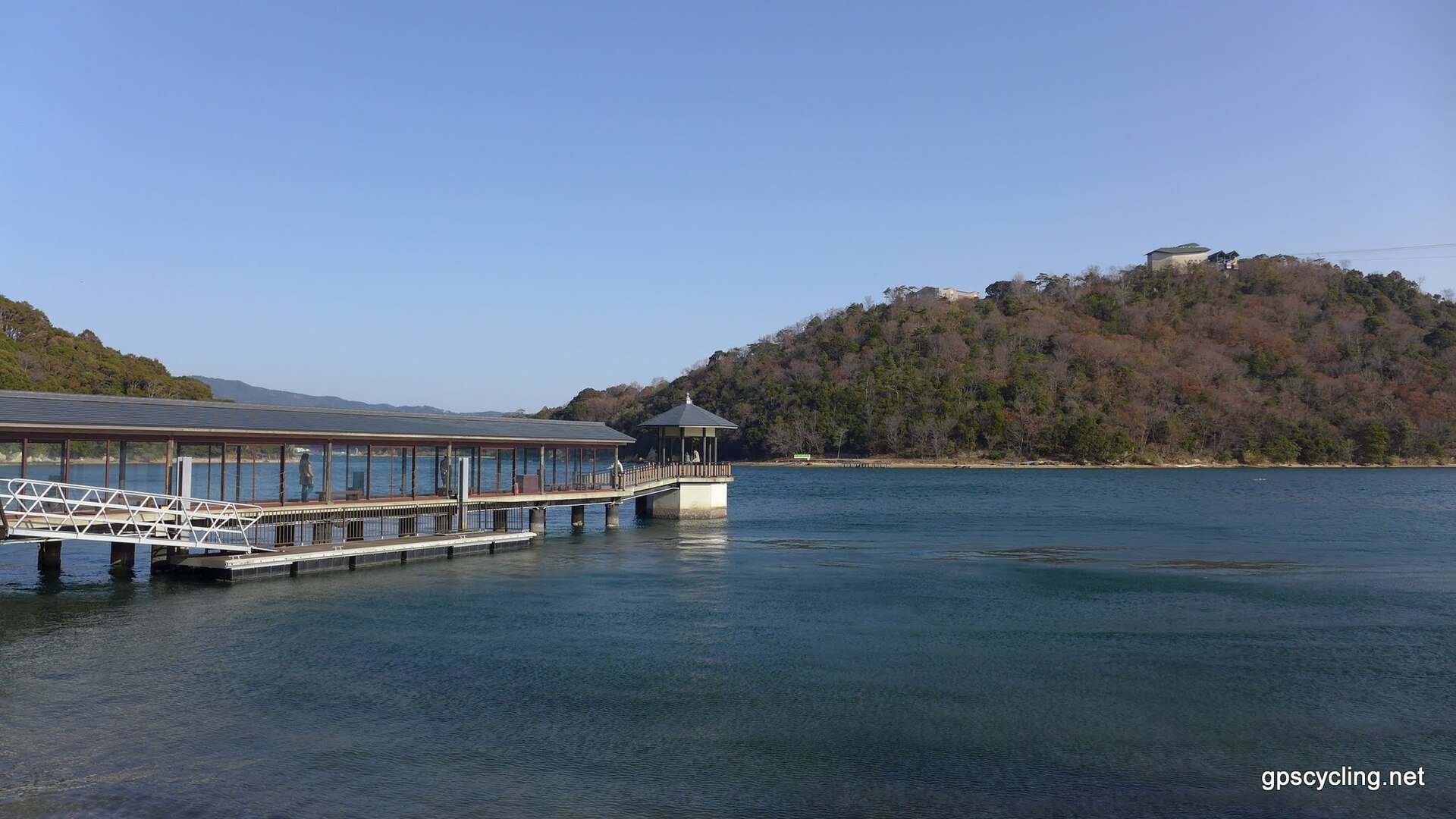
- The Uchiura shorethe inner bay below the temple, shallow and enclosed, with the far hill in view across it
- The sightseeing boat pierthe jetty where lake cruises leave for a loop of the inner bay
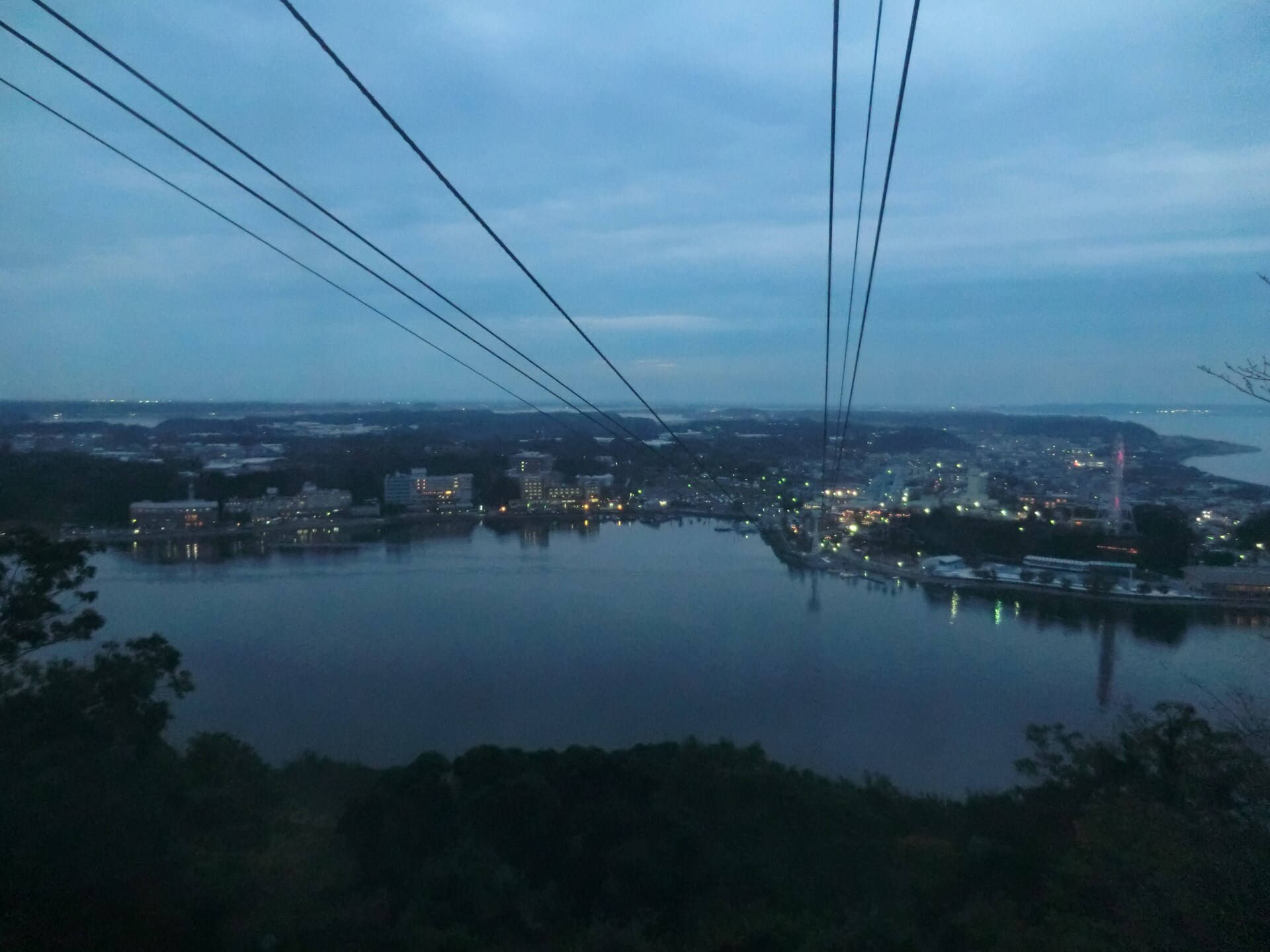
- Kanzanji Ropewaythe only ropeway in Japan that crosses over a lake, running from the resort to the hill opposite
- Okusayama observation deckthe top station across the water, looking back over the bay, with Mount Fuji distant on a clear day
How to actually get there
- Hamamatsu Station north exit, stand 1 → Kanzanji Onsen (Entetsu bus, Kanzanji line).
- Walk down to the shore for the temple and the boat pier.
- Cross by ropeway to the observation deck on Okusayama and back.
- Eat on the resort road, then take the bus back to Hamamatsu.
- Entetsu bus from Hamamatsu Station
- Hamamatsu is a Tokaido Shinkansen stop and the buses leave from stand 1 at the north exit terminal, on the Kanzanji line, with Kanzanji Onsen on the destination board. The association publishes a one-way adult fare of 700 yen with a half rate for children. The ride takes about forty minutes across the plain and around the eastern arm of the lake, and services run through the day.
- Return to Hamamatsu Station
- The same buses pick up on the main road through the resort and run back to the station terminal. Evening departures thin out, and the ropeway shuts before the last buses do, so check the posted timetable before you go up rather than after you come down.
About the place
Lake Hamana lies at the western edge of Shizuoka, close enough to the Pacific that the two mix. Sea water comes in through a gap in the sand bar at the southern end, river water comes down from the north, and the brackish result is what the lake is known for: eel above all, oysters in winter, whitebait in spring. The shoreline is long and folded into arms and inlets, so there is no single vantage point that shows you the whole thing. Kanzanji, a wooded neck of land on the northern shore, is where the lake has been arranged for visitors, with a temple, an onsen town, a boat pier and a ropeway strung across the inlet.
How to enjoy it
The ropeway runs from half past nine to six, so the deck at the top is not somewhere to arrive at dusk. The crossing itself is short; the point is the time you spend at the far end, not the ride. Boats work the inner bay from the pier through the day. Eel belongs to the middle of the day here, served along the resort road, and the tourism association keeps its office in the town centre if you want the current list.
Background & history
The lake held fresh water until 1498, when an earthquake and the wave behind it tore the sand bar that separated it from the sea. The gap is still called Imakire, the new cut, and the salt that came through it changed what could live here. Eel farming in Japan began afterwards on this water, at Maisaka on the southern shore, and spread outward from it into an industry the prefecture is still known for. The hot spring at Kanzanji is much later again, and the resort on the northern neck grew up around it.
Before you go
- Cash
- The shore, the temple grounds and the walk through the resort cost nothing. The ropeway and the lake cruises are ticketed separately at their own counters, and the ropeway takes credit cards, IC cards and electronic money. Parking around the resort is largely free; the tourism association lists several public car parks, one of which asks for a reservation for coaches.
- Before you go
- The ropeway keeps fixed hours and stops in the evening. Cruises on the lake are cancelled in rough weather. The deck on the far hill is exposed and cold in winter, which is also the season the oysters are worth crossing for.
- Another way
- From the south, local trains on the JR Tokaido Line reach Bentenjima, out on the sand bar at the lake mouth, where a red torii stands in the water and the sunsets are the reason people stop; buses run north from there. By car the Kanzanji smart interchange is five minutes from the resort.
- After you get off
- The Kanzanji Onsen stop is on the road through the resort, a few minutes on foot south of the temple and the shore. Turn towards the water for the pier; the ropeway station is on the far side of the amusement park and is signed from the main road.