West Shizuoka · Hamamatsu StationNo.1253★★★Open in map →
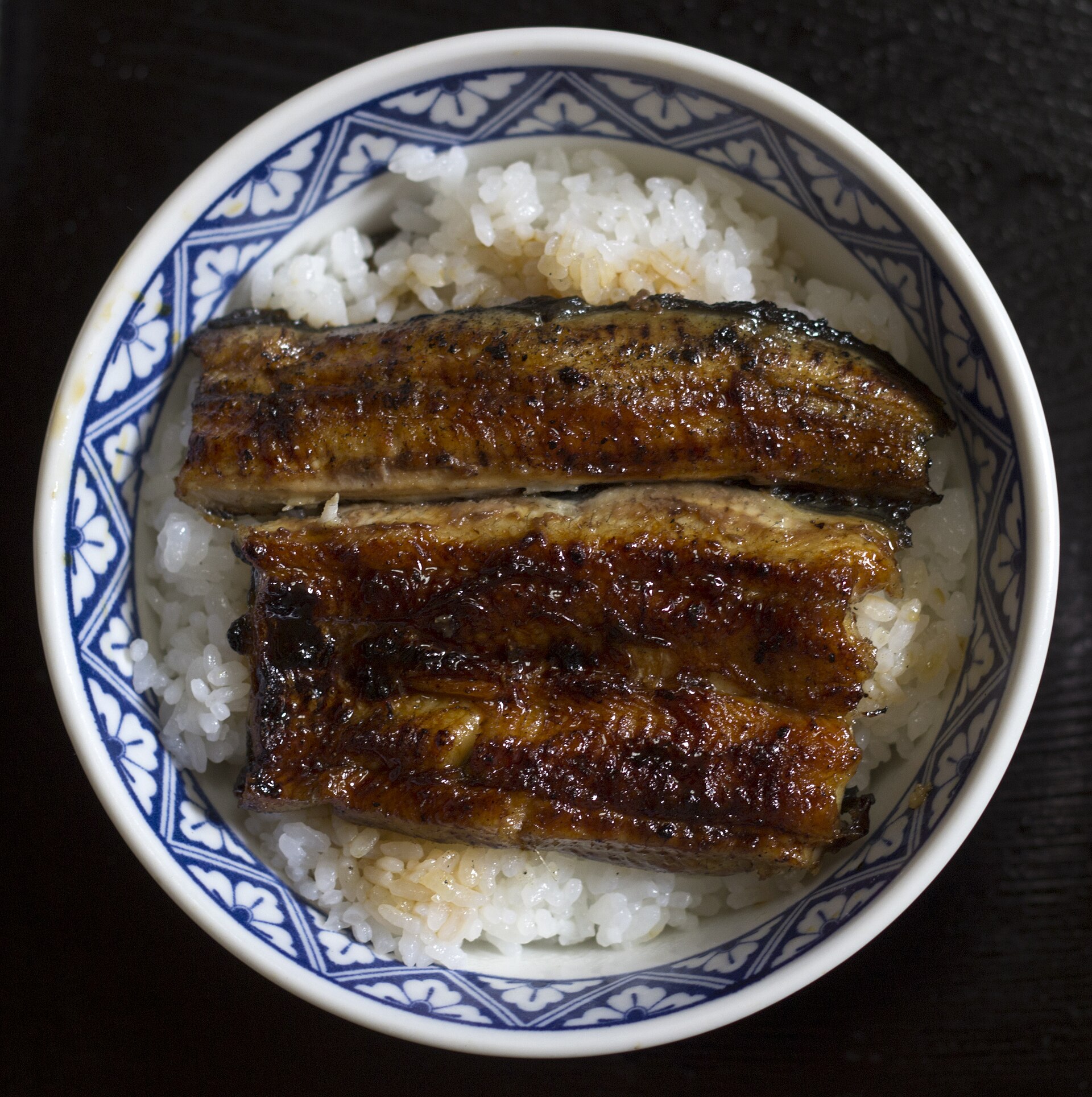
Hamamatsu Eel
Grilled eel from the farms around Lake Hamana, sold by the farmers' own co-operative inside Hamamatsu Station. The city sits where Japan's eastern and western ways of grilling eel meet, so both turn up on its tables.
- FromTokyo Station
- One train, no changeTokaido Shinkansen, direct
- Get off atHamamatsu Station (JR Tokaido Shinkansen / Tokaido Line)
- On foot
- Hamamatsu Eel
Where it is
16 more notes in Shizuoka · open the map →What to look for — in walking order
- The north–south passagethe concourse under the tracks outside the JR ticket gates, with the JR ticket office on one side
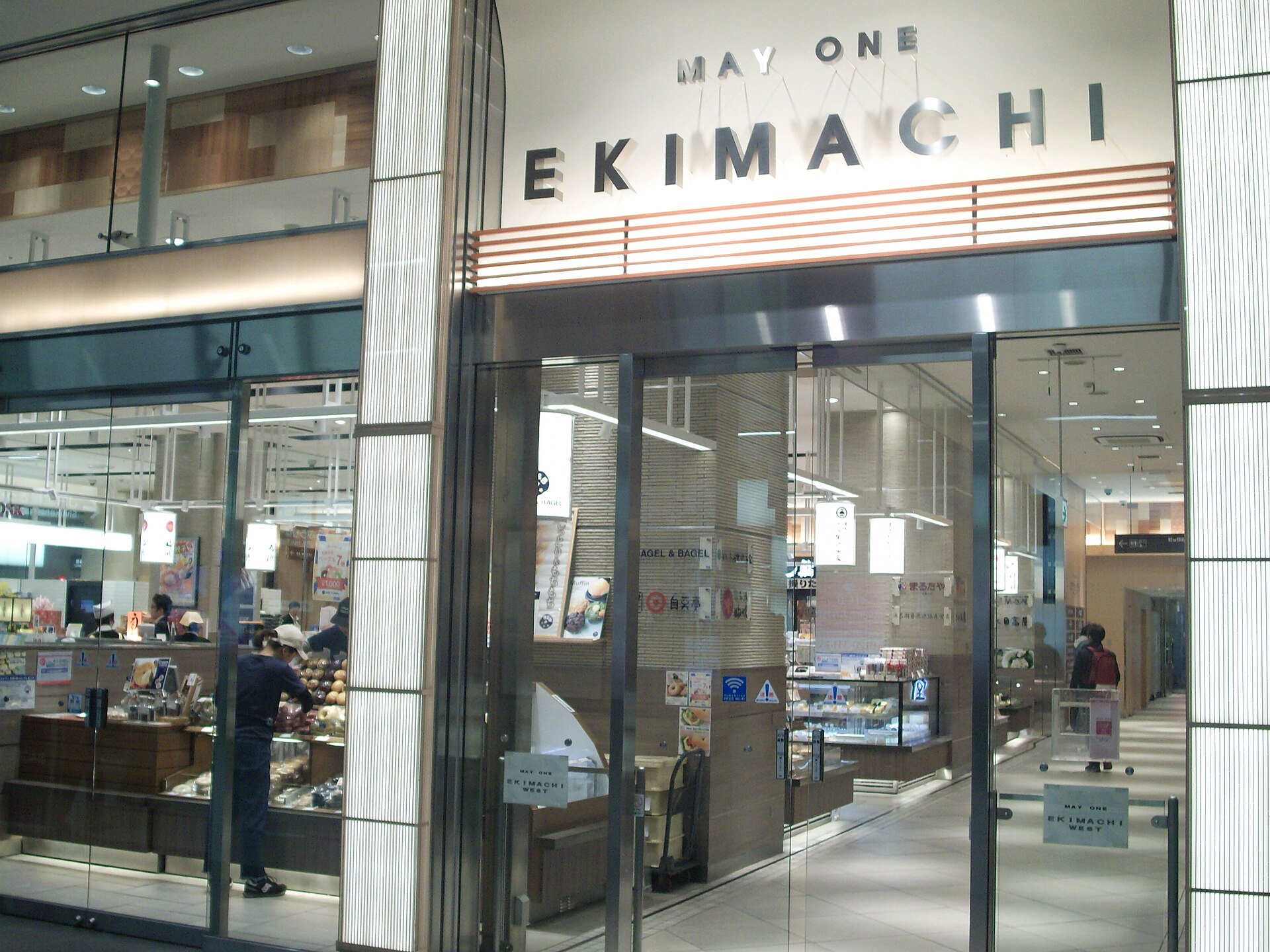
- Ekimachi Westthe station's souvenir arcade on the west side of the passage, stocked with Hamamatsu food and sweets
- The Hamanako eel co-operative counterthe farmers' own shop inside the arcade, with eel packed to take on the train
- Maruhama, in the Bic Camera blockthe co-operative's eel restaurant, in the station building's western wing under the Shinkansen tracks
How to actually get there
- Tokyo Station → Hamamatsu Station (Tokaido Shinkansen, a Kodama or a Hikari that stops).
- Ticket gates → the north–south passage → Ekimachi West, on its west side.
- Pick up boxed eel or grilled fillets at the co-operative counter.
- For a sit-down meal, walk on to the co-operative's restaurant in the Bic Camera block.
- Tokaido Shinkansen from Tokyo
- Tokyo Station →(Tokaido Shinkansen)→ Hamamatsu Station, with no change of train. Every Kodama calls at Hamamatsu and some Hikari do, but Nozomi trains pass straight through, so check the service before you board. Once through the ticket gates, head for the north–south passage under the tracks.
- Return from Hamamatsu Station
- Trains back toward Tokyo, and on toward Nagoya and Osaka, leave from the same Shinkansen platforms. The arcade is outside the ticket gates, so buy food before you pass back through. The same rule applies on the way home: Kodama always stops here, Nozomi never does.
About the place
The eel sold under the Hamanako name is farmed by members of a co-operative in the country around Lake Hamana, west of the city centre. That co-operative sells it straight from its own counter in Ekimachi West, the souvenir arcade inside Hamamatsu Station. The counter stocks eel bento, kabayaki fillets glazed with sauce, plain white-grilled shirayaki and tsukudani simmered in soy. The co-operative also runs a sit-down eel restaurant in the station's western block. Around the city, both of Japan's grilling styles are served. In the eastern style the eel is split down the back, grilled, steamed and grilled again with sauce. In the western style it is split along the belly and grilled straight through, without steaming.
How to enjoy it
At the time of checking, the co-operative counter listed its hours as 8:00 to 21:00 with no fixed closing day, so it fits an early or a late train. Buy a boxed eel meal to eat on board, or sit down at the co-operative's restaurant if the connection allows. The city's visitor information centre beside the Shinkansen gates keeps travel information in several languages, and it is the place to start if you want to eat further into the city.
Background & history
Japan's first attempt to raise eels in ponds was made in 1879, at Fukagawa in Tokyo, by Hattori Kurajiro. By 1891 ponds were being dug beside Lake Hamana, in what is now the city of Kosai, and Hattori later moved his own work to the lake. A mild climate, plentiful groundwater and young glass eels caught in the lake and at the mouth of the Tenryu River made it the centre of the trade. Local tourism bodies still call the lake the birthplace of eel farming.
Before you go
- Cash
- Walking through the arcade costs nothing. Prices and accepted payment are set counter by counter, so check at the till before you order.
- Before you go
- Ekimachi West is indoors under the station, so weather does not enter into it. Opening hours are set shop by shop rather than by the arcade, and the restaurant beside the station keeps its own.
- Another way
- From the Kyoto and Osaka side, take a Tokyo-bound Kodama, or a Hikari that stops at Hamamatsu. Local trains on the JR Tokaido Line also stop here, and the Enshu Railway's Shin-Hamamatsu Station adjoins the JR station.
- After you get off
- Once through the JR ticket gates, step into the north–south passage under the tracks. With your back to the JR ticket office, Ekimachi West is almost straight ahead, on the west side of the passage.