Semboku · KakunodateNo.1256★★Open in map →
Kakunodate Festival
— Doll-topped floats hauled through a castle town
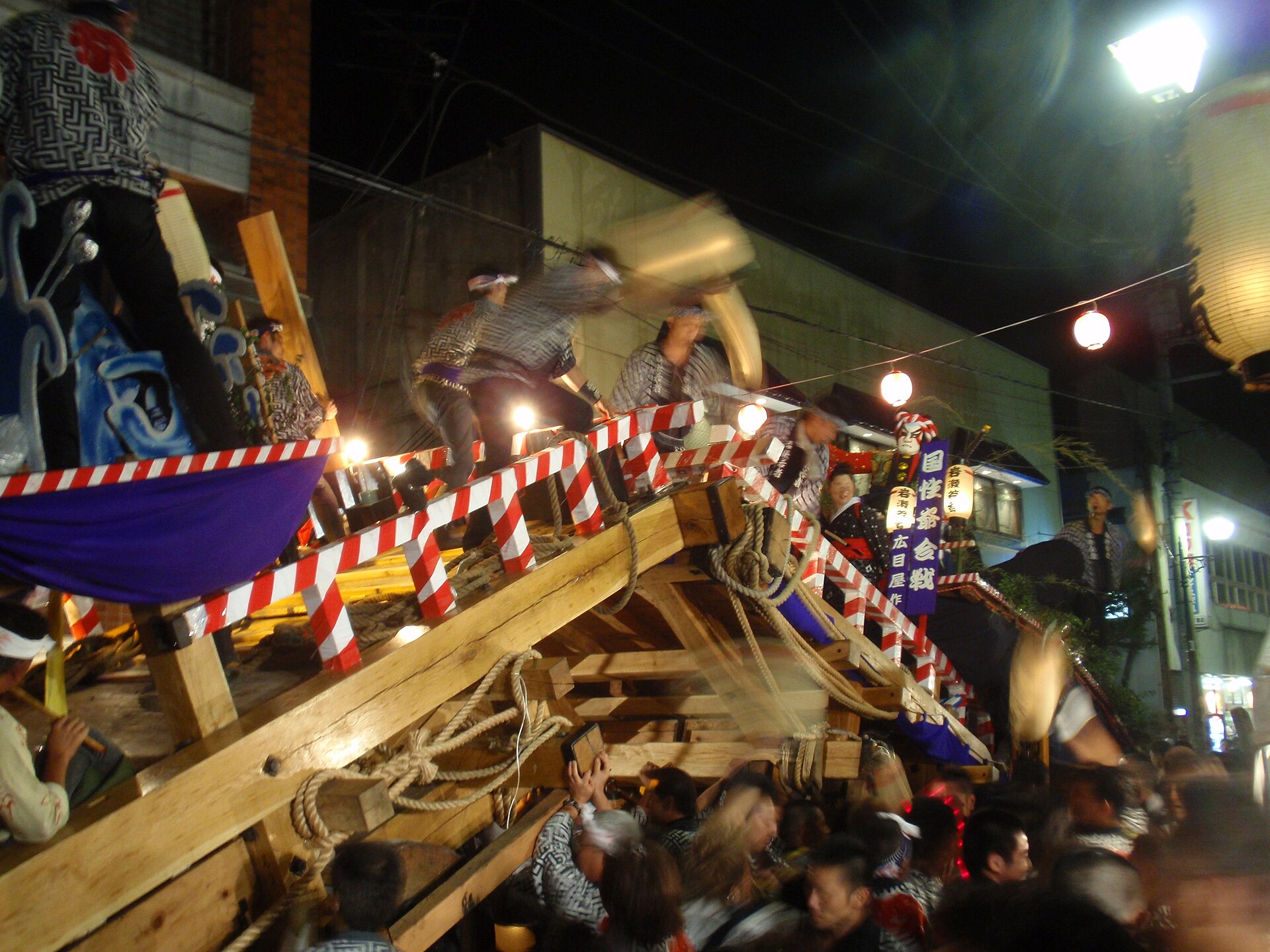
Every year from 7 to 9 September, floats topped with warrior and kabuki dolls move through Kakunodate's old town. Neighbourhoods negotiate the right of way in the street, and when talks fail, the floats collide.
- FromKakunodate Station (Akita Shinkansen and JR Tazawako Line)
- Short walk from the stationWalk from Kakunodate Station
- Kakunodate Festival
The sweet spot
This is no secret. It is a nationally designated folk property and part of a UNESCO listing, and one evening has a clash set in advance for spectators. The rest of the festival follows no timetable, because floats go where their negotiations take them. That makes the shrine the surest place to begin: every float comes to it on the first evening.
Where it is
34 more notes in Akita · open the map →What to look for
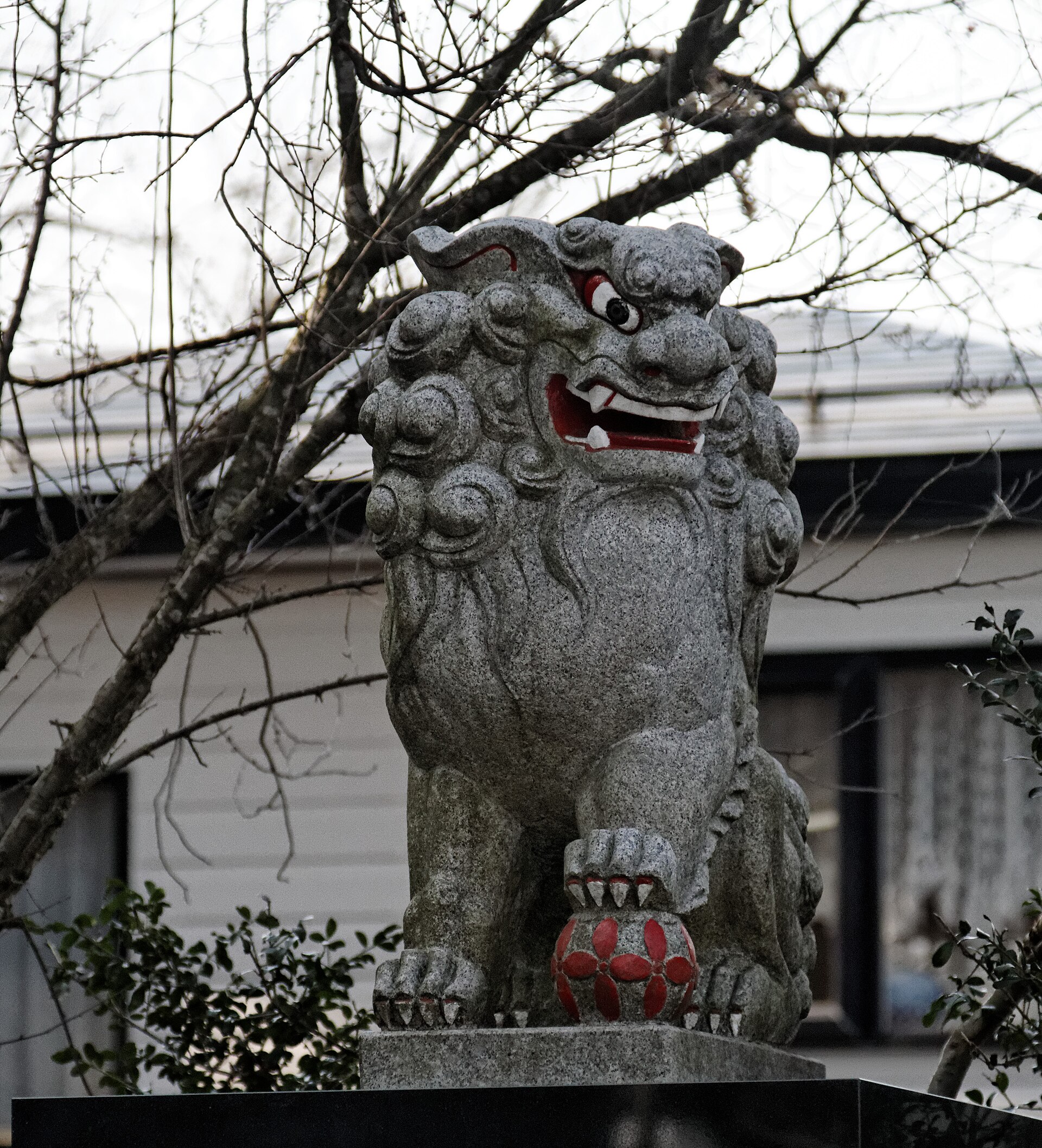
- Kakunodate Shinmeishathe town's tutelary shrine on Shinmei hill, where every float comes on the first evening
- Great standing float at the toriia large float set before the shrine gate for the festival, dressed with a doll tableau
- Sugae Masumi memorial stonejust inside the torii on the left, marking where the travelling diarist's life ended
- Bukeyashiki-dorithe samurai street floats pass along on the middle day, heading for the Satake-Kita viewing
- Jojuin Yakushidothe temple hall the floats climb to on the middle and final days
How to actually get there
- Tokyo Station → Kakunodate Station (Akita Shinkansen Komachi, no change).
- Kakunodate Station → Kakunodate Shinmeisha (walk southwest).
- First evening: wait at the shrine as the floats arrive to pay respects.
- Middle day: the samurai street by day, the scheduled clash at night.
- Akita Shinkansen to Kakunodate
- Kakunodate Station is a stop on the Akita Shinkansen Komachi, so it can be reached from Tokyo without changing trains. The Akita Nairiku Line also ends here. From the station, walk southwest through town to the shrine.
- Back to Kakunodate Station
- Retrace the walk to the station. On festival nights, check the last Komachi and local trains before the evening events begin, and allow extra time: the town is under traffic control and the streets are busy.
About the place
The festival joins the rites of two places: Shinmeisha, the town's tutelary shrine, and the Yakushido hall of Jojuin temple. Floats from 18 neighbourhoods are hauled through streets that survive from the Edo period. Each carries warrior or kabuki dolls on top. Inside sits a band playing o-yama-bayashi on flute, drums, tsuzumi, hand gong and shamisen, and dancers perform on a small stage at the front. Every float moves with a purpose, such as paying respects at the shrine or the hall. When two meet, negotiators argue the right of way. If talks break down, the floats force their way through, and that pushing match is called yama-buttsuke.
How to enjoy it
Be at Shinmeisha on the first evening, when the floats arrive one after another from dusk into the night, each with its music and dancing. On the middle day, follow the floats along the samurai street to the Satake-Kita viewing, then watch the scheduled clash in the evening. On the final day the floats go up to Yakushido. Times and clash locations are announced each year, so check that year's official programme.
Background & history
Kakunodate grew as the castle town of the Satake-Kita family, divided into a samurai quarter and a merchant quarter, and the festival expanded as the merchant side prospered. It is first recorded in the Satake-Kita family diary. Shinmeisha and Yakushido once held their festivals on separate dates; after changes from the early Meiji era, they settled into one shared festival. The state designated it an Important Intangible Folk Cultural Property in 1991. In 2016 UNESCO inscribed it as one of Japan's Yama, Hoko, Yatai float festivals.
Before you go
- Cash
- Watching from the street is free. In 2026 the Tazawako-Kakunodate Tourism Association offered paid, guided seats for the evening clash for the first time; check that year's notice to see whether they return.
- Before you go
- The dates are the same every year, but the floats' movements are not fixed; they depend on negotiations. During the festival the town is under traffic control, and buses and taxis are affected. Check that year's official schedule and road closures before you go.
- Another way
- From the north, the Akita Nairiku Line runs down from Takanosu Station and ends at Kakunodate Station.
- After you get off
- From Kakunodate Station, walk southwest into town. The shrine stands on its own rise, known as Shinmei-yama, a little under a kilometre from the station in a straight line.