Akita · KakunodateNo.1160★★Open in map →
Kakunodate Kabazaiku
— Cherry-bark craft at the top of the samurai street
Thin sheets of mountain cherry bark, glued and burnished onto wood until the surface turns deep and glossy: Kakunodate's craft. The city's Denshokan stands at the northern end of the samurai street, with craftsmen working inside and rooms of what the work produced.
- FromAkita Station
- ~1 h 10 minAkita Shinkansen, ~45 min from Akita
- Get off atKakunodate Station (Akita Shinkansen / Akita Nairiku Line)
- From there
- Kakunodate Kabazaiku
The sweet spot
Kakunodate is not a quiet town. The samurai street and its weeping cherries are on every Tohoku itinerary, and in cherry season the black fences are anything but empty. What stays quiet is the income that kept those houses standing. Kabazaiku was the winter work of retainers with nothing else coming in, and the building that carries it now is a museum rather than a view.
Where it is
34 more notes in Akita · open the map →What to look for — in walking order
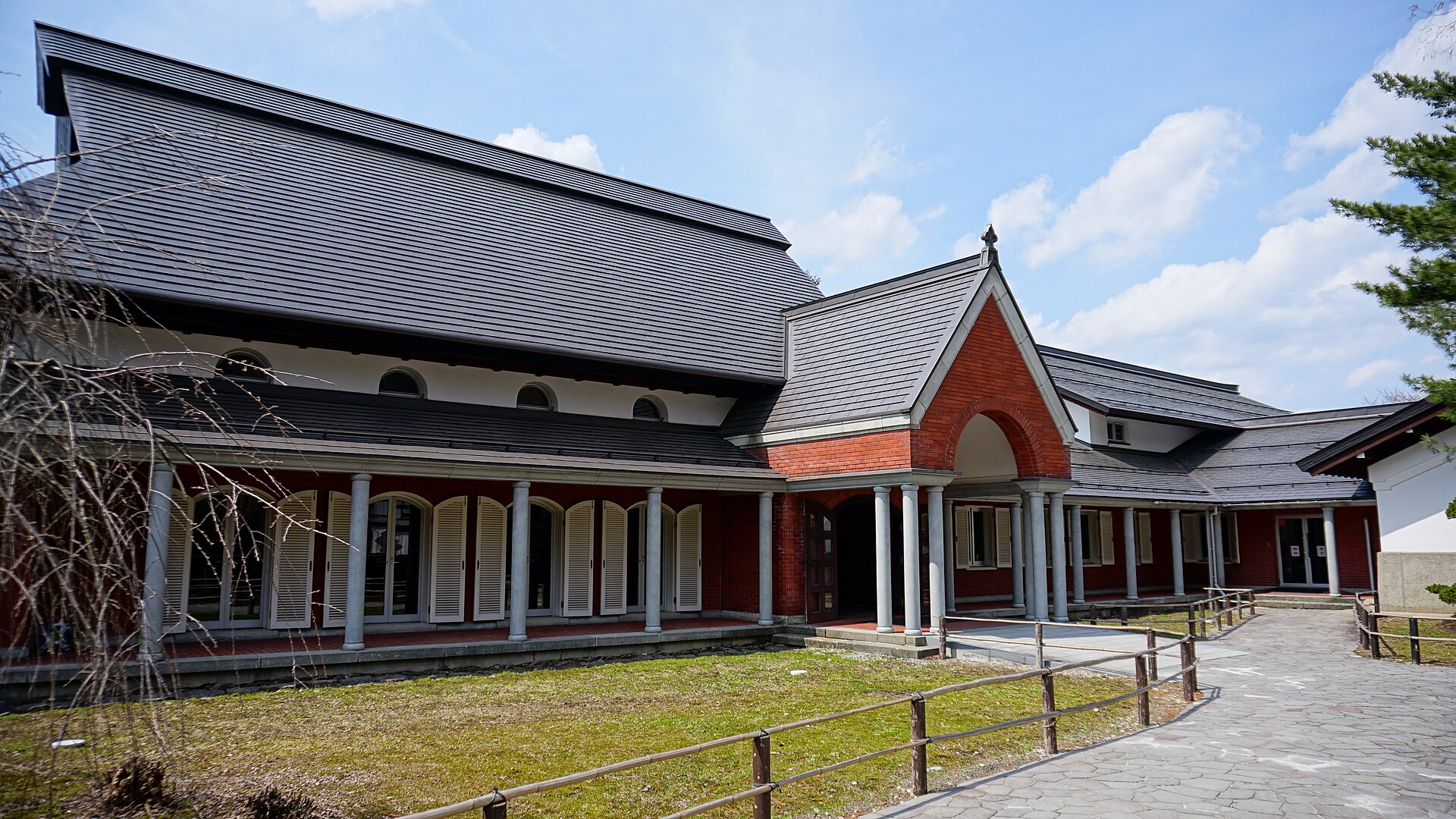
- The Denshokan groundsa low hall in a corner of the samurai quarter, where the black-fenced street runs out
- The demonstration cornercherry-bark craftsmen at work on the premises — sorting, gluing, burnishing
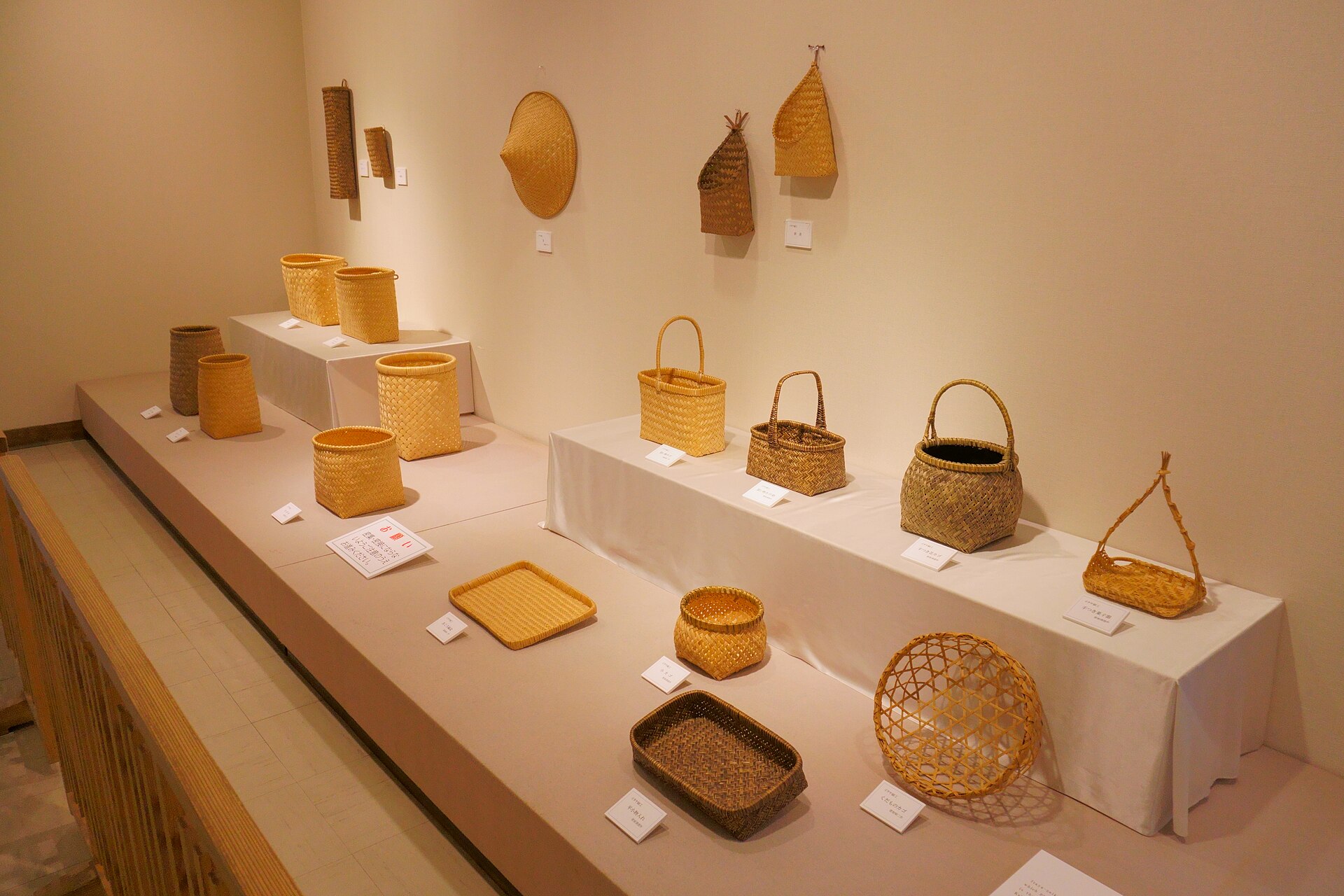
- The exhibition roomskabazaiku with Shiraiwa ware, itaya woven maple, folk tools and Satake Kita family papers
- The local products rooma sales floor for craft from the district, kept apart from the displays
- The tea rooma cafe inside the same building, for a stop before the walk back
How to actually get there
- Akita Station → Kakunodate Station (Akita Shinkansen Komachi, about 45 min).
- Kakunodate Station → the samurai street (walk northwest, about 15 min).
- Follow the black fences north to the far end, where the Denshokan stands (about 5 min more).
- Take the demonstration corner first, then the exhibition rooms, then the products room.
- Akita Shinkansen from Akita
- Akita Station →(Akita Shinkansen Komachi, about 45 min)→ Kakunodate Station, then about 20 minutes on foot northwest through the town. Komachi trains call here through the day in both directions. From Tokyo the same service runs straight to Kakunodate with no change of train.
- Back to Akita, or on to Morioka
- The line runs both ways out of Kakunodate — west to Akita, east over the mountains to Morioka — so the town fits as a stop rather than a there-and-back. What calls here is a limited express only, so a missed train means a real wait. Read the departure board before you settle into the tea room, not after.
About the place
The material is bark from wild mountain cherry, stripped from the trunk and kept until it is worked. Craftsmen sort it by its face — hibikawa, amekawa, chirimenkawa are the same material wearing different surfaces — and that choice settles how the finished piece will read. In katamono the bark is wrapped and glued around a wooden form, then the form is drawn out; tea caddies and inro cases come from this hand. In kijimono it is laid over a shaped wooden body instead. Another method builds the bark up in layers thick enough to carve and polish. Tobacco boxes, small chests, brooches and pendants all branch off the same handling.
How to enjoy it
The doors open at nine and the desk stops admitting half an hour before closing, which falls at five from April to November and at half past four through the winter. The demonstration runs as work rather than to a timetable, so an ordinary weekday morning is as good as any. Left to last on a walk north up the samurai street, the museum becomes the indoor half of the same outing.
Background & history
The technique reached Kakunodate at the end of the eighteenth century, in the Tenmei years, when Fujimura Hikoroku, a retainer of the Satake Kita house, learned it from a mountain ascetic of the Ani district in northern Akita. It spread as winter work for lower-ranking samurai, which is why a woodcraft belongs to a castle town rather than to a village of specialists, and it became a full trade after the Meiji Restoration. In 1976 it was designated a national traditional craft. The city's museum of it opened two years later, in 1978, in a corner of the samurai quarter.
Before you go
- Cash
- The museum charges admission, at separate rates for adults and for school pupils, with young children admitted free. Rates are set by the city and are revised, so read the city's page for the day you are going, and treat a municipal counter as a cash counter.
- Before you go
- Open through the year apart from the new year period, from the end of December into the first days of January. Winter closing is earlier than summer closing. This is deep snow country and the approach from the station is a town walk, which is not the same proposition in February as in May.
- Another way
- From Morioka the same Komachi service comes in from the east, which makes the town a natural break between Morioka and Akita rather than a destination on its own. Kakunodate Station is also the terminus of the Akita Nairiku Line, which comes down through the mountains from Kita-Akita.
- After you get off
- From Kakunodate Station, walk northwest for about 20 minutes. The black fences of the samurai street begin partway along, and the museum stands at their northern end.