Aizu · Aizu-WakamatsuNo.1100★★Open in map →
Aizu Lacquerware
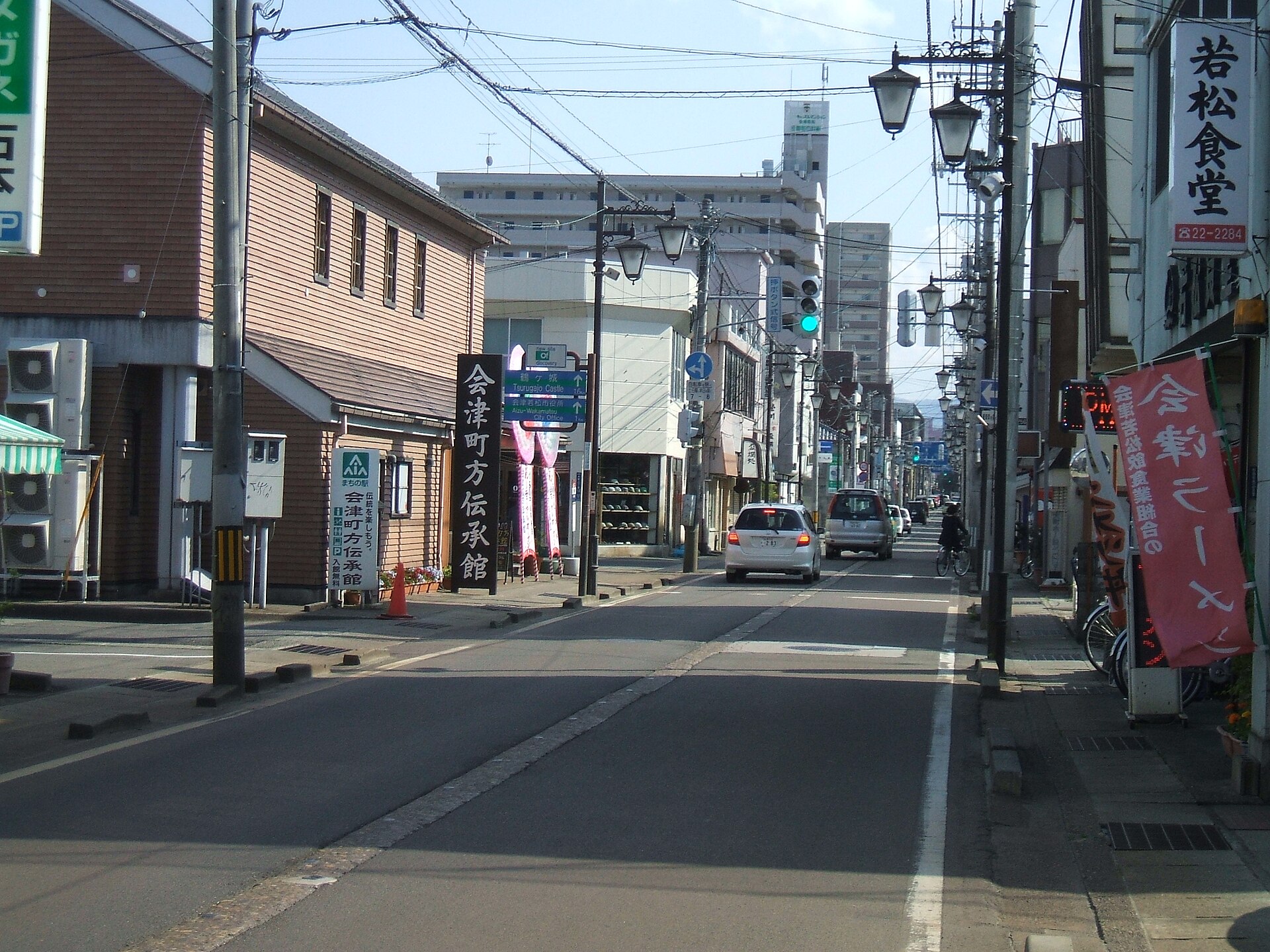
Fukushima's lacquer trade is concentrated in one quarter of Aizu-Wakamatsu. On Omachi, the old merchants' street, the city's craft hall sets bowls and boxes out on open shelves, so the finishes can be compared by hand rather than through glass.
- FromAizu-Wakamatsu Station
- ~7 min on footLoop bus, about every 30 min
- Get off atMachikata Denshokan-mae (Machinaka loop bus)
- From there
- Aizu Lacquerware
The sweet spot
Aizu-nuri is not obscure. It is on gift counters all over Fukushima, usually boxed and behind glass. What almost no visitor does is come to the quarter that sells it, where the same bowls sit on open shelves beside Aizu-Hongo pottery and Aizu cotton, and the finish and the price are yours to judge.
Where it is
20 more notes in Fukushima · open the map →What to look for — in walking order
- The hall's ground flooropen shelves of Aizu lacquerware, Aizu-Hongo pottery and painted candles, displayed for sale
- The upstairs gallery(delete this see item — no source confirms an upstairs gallery)
- Omachi-dorithe commercial heart of the castle town, still a street of shopfronts
- Omachi Yotsukadothe crossing where the five Aizu highways began, and where the notice board stood
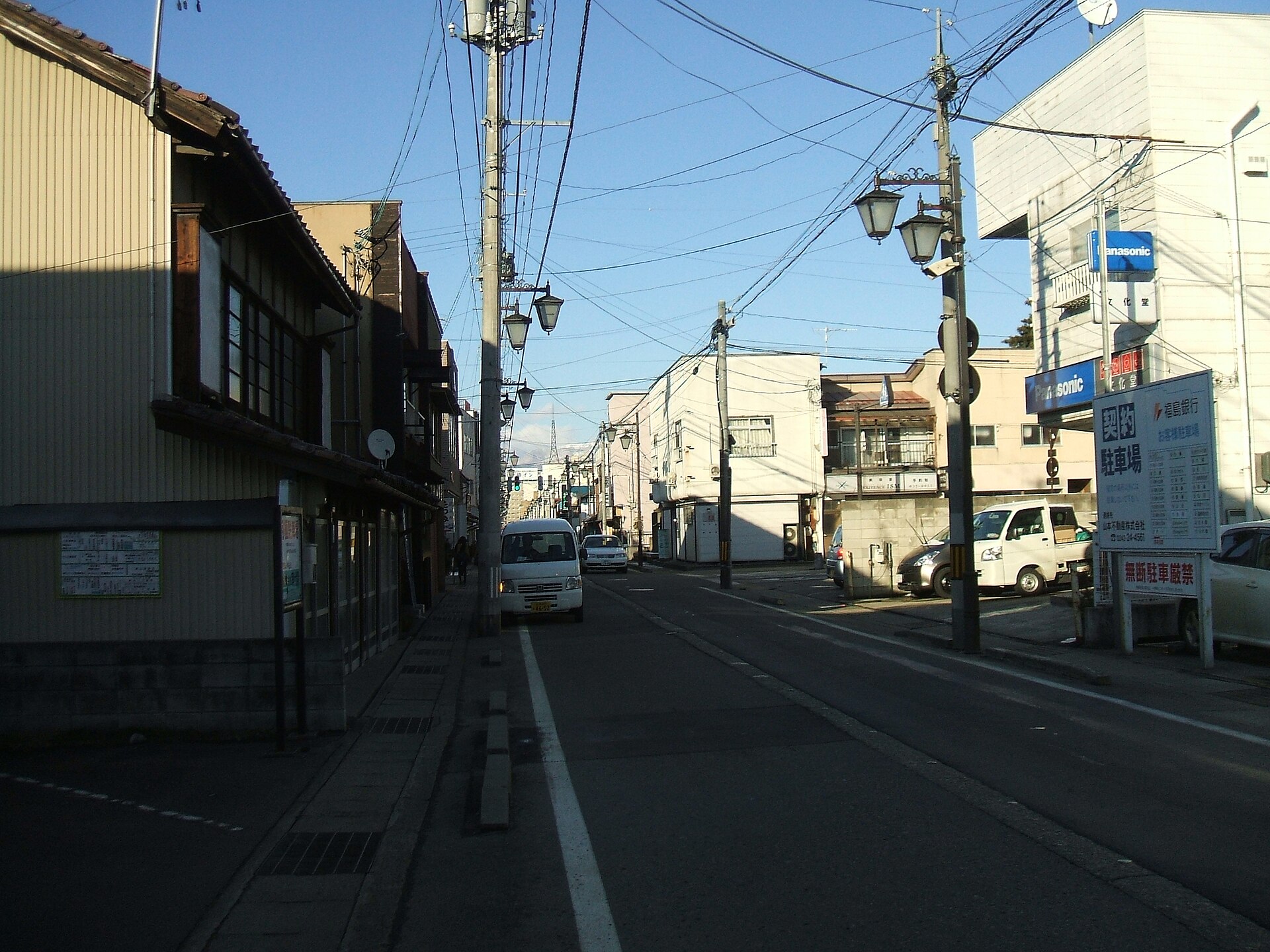
- Nanokamachi-doristorehouses, western-style facades and wooden merchant houses running west from the crossing
How to actually get there
- Shinkansen to Koriyama, then the JR Ban-etsu West Line to Aizu-Wakamatsu
- From the station forecourt, board the Machinaka loop bus branded Haikara-san
- Ride to Machikata Denshokan-mae and walk up Omachi-dori to the hall
- Afterwards carry on to Omachi Yotsukado and turn west into Nanokamachi-dori
- Loop bus from Aizu-Wakamatsu Station
- Aizu-Wakamatsu is the rail gateway for the whole district. From the station forecourt take the Machinaka loop bus, the service branded Haikara-san, and ride it round to Machikata Denshokan-mae. A one-day pass is sold if you plan to link the hall with the castle and Iimoriyama in the same visit.
- The loop bus finishes well before the trains
- The loop runs to a fixed daily timetable and stops for the day in the late afternoon, much earlier than the last departures from the station. Read the return times off the stop pole when you arrive, and set your turning point from them. If you do miss the last one, the station is close enough to walk.
About the place
Aizu lacquerware is the everyday kind, made to be used rather than displayed: bowls, stacked boxes, trays and sake cups. The signature finish is hananuri, in which the last coat is left unpolished, so the surface keeps a soft and faintly uneven warmth. Decoration turns on keshifun makie, where fine metal powder is dusted onto lacquer that has not yet dried and then wiped back to leave the design. Two ground finishes carry Aizu names of their own, the speckled kinmushikui and the rust-toned tetsusabi. Workshops are scattered across the Aizu basin, but the shopfronts and the trade association gather in Omachi.
How to enjoy it
The hall opens at nine, and taking it first leaves the two streets for afterwards, which keeps the walk moving in one direction. Craft painting sessions are run on site, so anyone who would rather decorate a piece than buy one should ask at the counter on arrival. Allow more time than a shop visit needs, because the comparing is the point.
Background & history
Lacquer was worked in Aizu earlier, but the industry dates from 1590, when Gamo Ujisato was moved to Aizu and brought woodturners and lacquerers with him from Hino, his former domain in Omi. Later lords managed the lacquer groves and protected the turners, and Edo became the main market for plain, hard-wearing pieces. The national government listed Aizu-nuri as a designated traditional craft in 1975. Omachi, the quarter where the merchants sold it, is still where the association and the shopfronts are.
Before you go
- Cash
- Admission to the hall is free. Carry cash anyway, because you are here to buy, and the smaller shops in the quarter may not take cards.
- Before you go
- Mondays are the hall's closing day, with the following day taken instead when a public holiday falls on one. Closing is earlier in winter than in summer. Aizu is snow country, so the streets underfoot are wet and slushy from December through March.
- Another way
- By car the Aizu-Wakamatsu interchange on the Ban-etsu Expressway is the nearest exit. The hall's own car park is small, so plan on a paid car park in the town centre if you arrive at a busy hour.
- After you get off
- Machikata Denshokan-mae stands on Omachi-dori and the hall is a minute up the street from the pole. The loop bus names the stop after the hall, so there is nothing to work out when you step off.