Chiba · YachimataNo.950★Open in map →
Yachimata Peanuts
The town on the Shimosa plateau that harvests more peanuts than anywhere else in Japan. A monument on one side of the station, the town's own shop on the other, and the crop stacked in the fields to dry each autumn.
- FromTokyo Stn
- ~1 hrJR Sobu Main Line
- Get off atYachimata Station (JR Sobu Main Line)
- On foot
- Yachimata Peanuts
The sweet spot
This is farm country, not a sight. There is no castle, no famous temple and no view, so tour routes run past Yachimata toward Narita or down to the coast. What it has is the crop itself — shops around the station that sell the local variety by name and let you compare grades before you buy, and a landscape that changes in autumn when the harvest goes up in stacks. It is close to both Tokyo and the airport, which makes it a short, plain, useful detour rather than a day out.
Where it is
50 more notes in Chiba · open the map →What to look for — in walking order
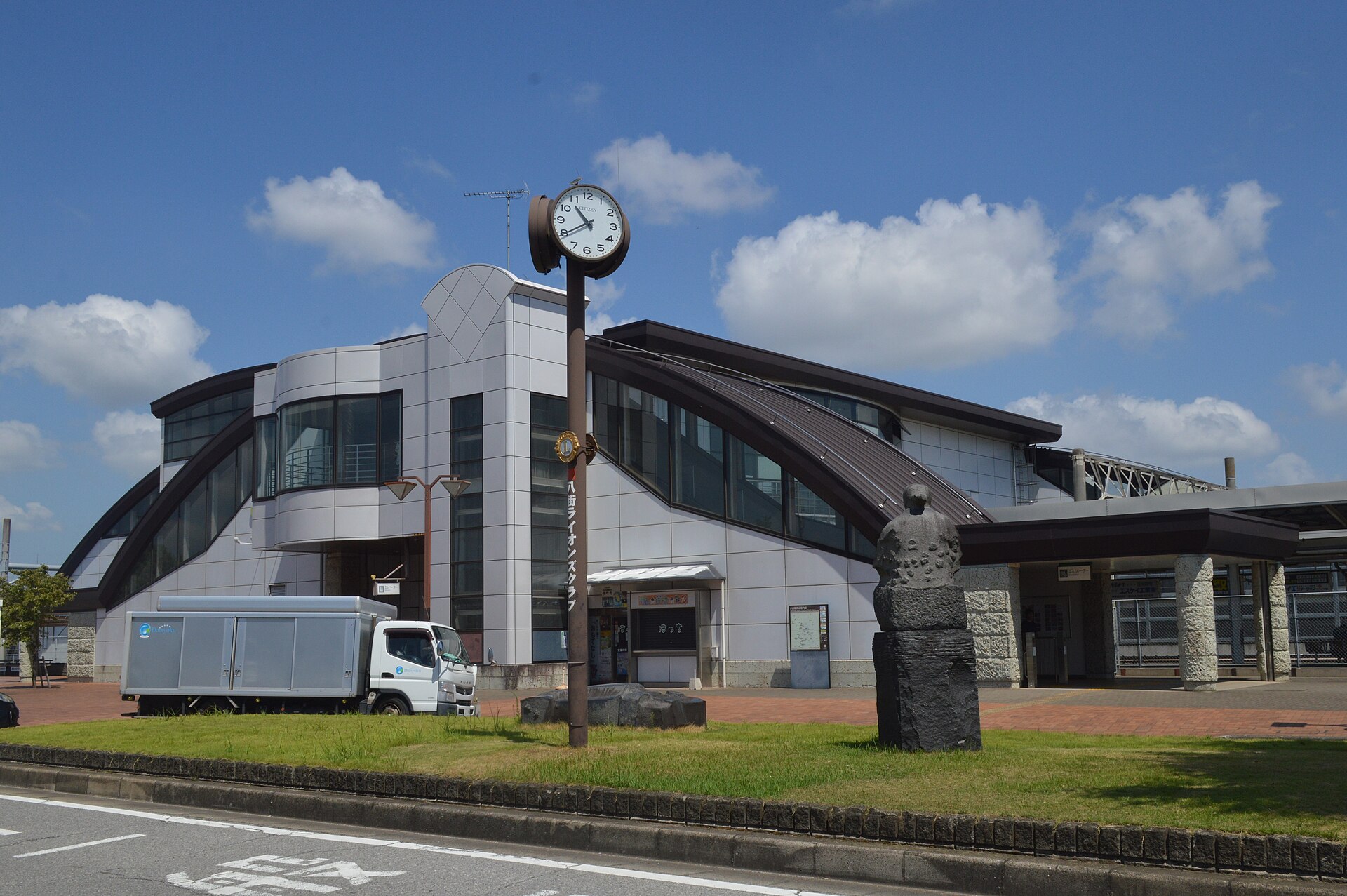
- The north plaza at Yachimata Stationthe square outside the north exit, with its stone peanut monument
- Bocchi, the town's own shopthe city's recommended outlet, a minute from the south exit, for peanuts and local ginger ale
- The peanut shops around the stationgrowers' and wholesalers' outlets on the streets either side of the line
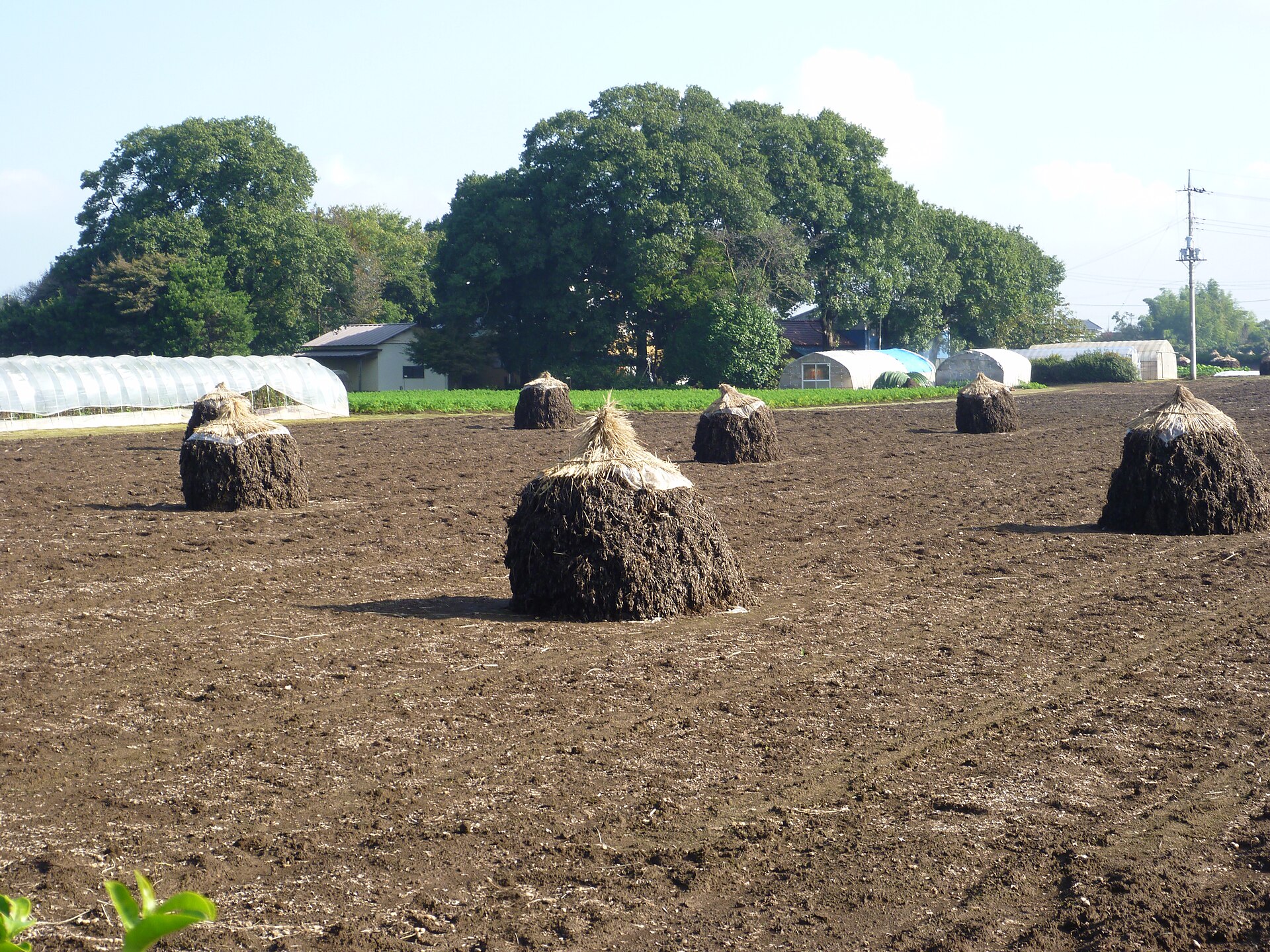
- The fields and the drying stacksfarmland at the edge of town where the crop is built into cylinders each autumn
How to actually get there
- Tokyo Station → Chiba Station (JR Sobu Rapid Line), then change to the Sobu Main Line for Yachimata.
- Or take the limited express Shiosai from Tokyo, which calls at Yachimata without a change.
- North exit first, for the peanut monument in the station plaza.
- Then through to the south exit for the town's own shop and the growers' outlets on the surrounding streets.
- JR Sobu Main Line, changing at Chiba
- Tokyo Station →(JR Sobu Rapid Line to Chiba, change to the Sobu Main Line)→ Yachimata Station. The limited express Shiosai also runs from Tokyo and stops here without a change; Yachimata City puts the journey from Tokyo Station at about an hour. Every scheduled passenger train on the line calls at Yachimata, so the only real decision is whether to pay the express surcharge. IC cards such as Suica work at the gates.
- Return from Yachimata Station
- Take the Sobu Main Line back toward Chiba and change there for Tokyo, or catch a Shiosai if the timing lands. There are only a handful of them a day, so read the platform board when you arrive rather than at the end of the afternoon.
About the place
Yachimata sits on the Shimosa plateau east of Chiba city, and its name records how the town came to exist. This was pasture for the shogunate's horses until the Meiji government opened it for settlement, and each new district was named by pairing a numeral with an auspicious character in the order the land was cleared. Yachimata was the eighth. The character read machi means a place where houses and shops gather, which at the time was a hope rather than a description. The settlers were townspeople from Edo, moved out in family groups into shared longhouses. The soil they were given is light and drains fast, and it turned out to suit peanuts.
How to enjoy it
Come in autumn if you want the bocchi: the crop is dug, left to dry on the ground for about a week, then built into cylinders that stand in the fields into early winter. The rest of the year the shops are the reason to come, and they keep ordinary daytime hours, so late morning to mid-afternoon is the safe window. Half a day is enough here, and it pairs easily with anything else on the Sobu line.
Background & history
The Meiji government began clearing the Shimosa horse pastures in 1869, partly as relief for the destitute, and townspeople from Edo were settled on the new ground in shared longhouses. The railway reached Choshi in 1897 and Yachimata got its station the same year. Peanuts took hold on the cleared plateau, and after the war the town became the largest producer in the country — a position it still holds. The variety it stakes its name on is Chiba-handachi.
Before you go
- Cash
- IC cards work on the trains. The shops around the station are small and some of them take cash only, so bring notes if you plan to buy more than a bag. Peanuts in the shell are light but bulky; the sealed roasted packs travel better.
- Before you go
- The city's own shop by the south exit is listed as closed on Saturdays, Sundays and public holidays, so a weekend visit means relying on the growers' shops instead. The bocchi stacks are a late-autumn and early-winter sight — at other times the fields are just fields. Those fields are working farmland, so look from the road.
- Another way
- From Chiba Station the Sobu Main Line runs here without a change, which is the simpler approach if you are already east of Tokyo. Narita Airport is close as well, by rail with a change at Sakura.
- After you get off
- Yachimata Station has an overhead concourse with exits on both sides. The peanut monument stands in the north plaza and the city's shop is a minute from the south exit. Everything here except the fields is within walking distance of the gates.