Chiba · NarashinoNo.940★Open in map →
Yatsu-higata Tidal Flat
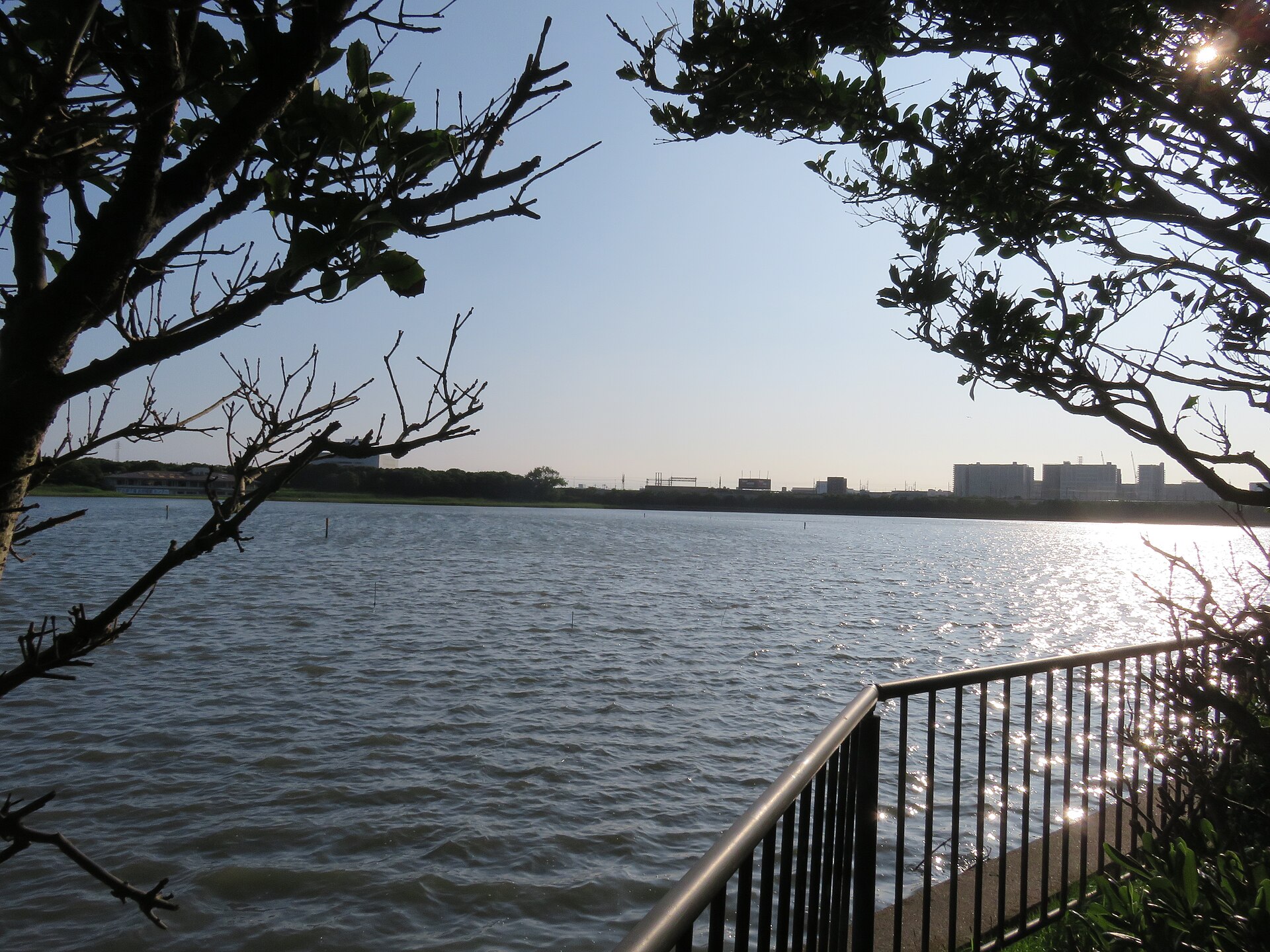
Sandpipers and plovers break their migration on a walled tidal flat wedged between an expressway, a railway and rows of flats in Chiba. A glass-fronted observation centre on the south bank looks straight out over the mud.
- FromTokyo Station
- ~1 hrJR Keiyo Line, then a walk
- Get off atShin-Narashino Station (JR Keiyo Line)
- On foot
- Yatsu-higata Tidal Flat
The sweet spot
This is a protected wetland inside a commuter suburb, not a hidden corner of the countryside. It stays calm because the ground around it is residential rather than a sightseeing district, and because the rhythm here is set by the birds and the tide rather than by opening times.
Where it is
50 more notes in Chiba · open the map →What to look for — in walking order
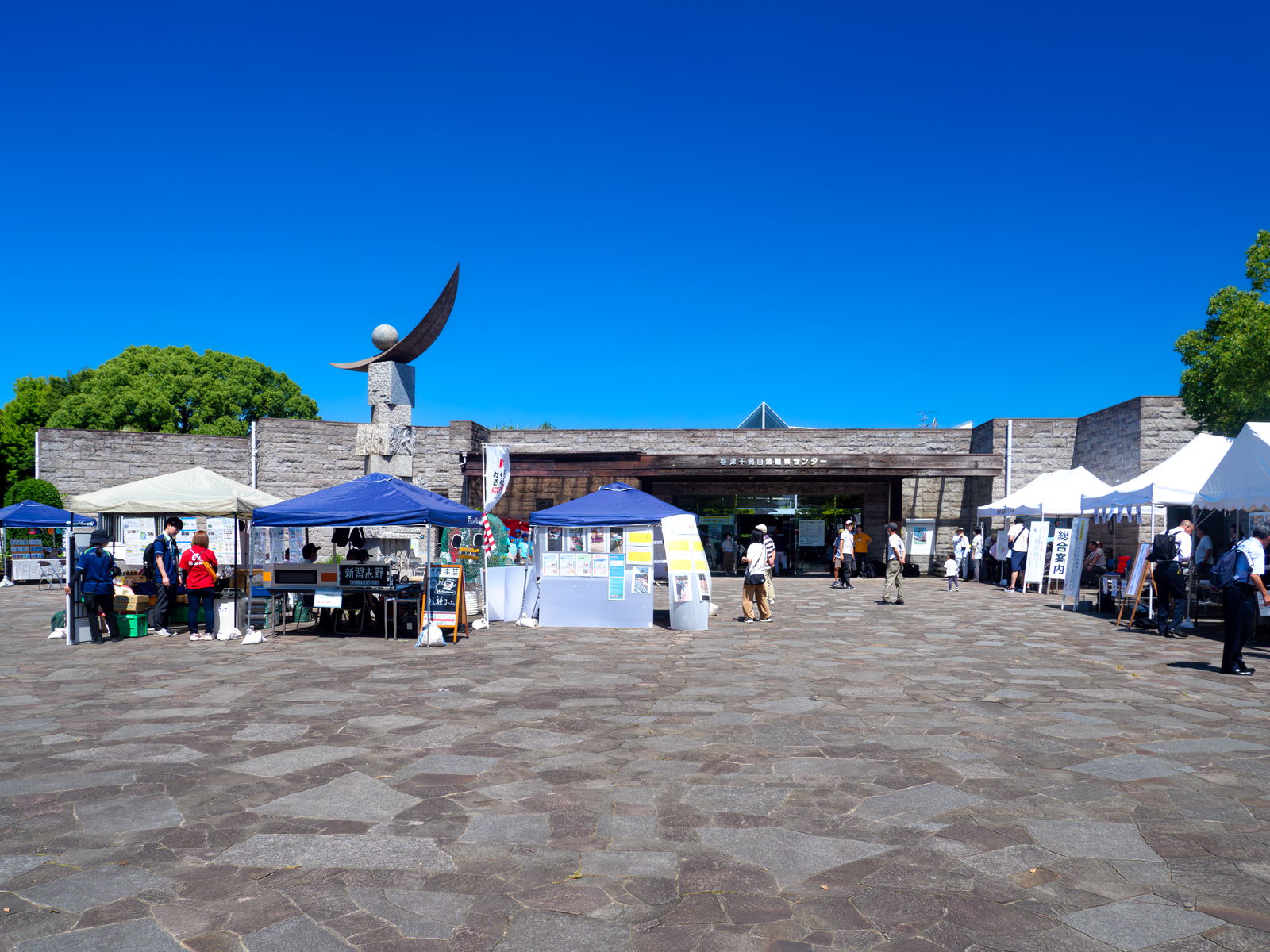
- Yatsu-higata Nature Observation Centrea glass-fronted building on the south bank, with rangers on duty and binoculars lent free
- The upper and lower viewing floorswindows on the ground floor and one level below, set close to the height of the water
- The freshwater pond and screening walla small pond behind the centre, watched from behind a wall so the birds are not flushed
- The perimeter promenadea circuit of about 3.5 km with roofed shelters and decks projecting over the water
How to actually get there
- Tokyo Station → Shin-Narashino Station (JR Keiyo Line, direct).
- Shin-Narashino Station → Yatsu-higata Nature Observation Centre (walk, about 20 minutes).
- Centre → out onto the perimeter promenade and along to the decks over the water.
- Return the same way, or walk on to Minami-Funabashi Station to the west.
- JR Keiyo Line from Tokyo Station, no change
- Take the JR Keiyo Line from Tokyo Station to Shin-Narashino; the ride is direct. From the station it is about a 20-minute walk to the observation centre on the south bank. Trains run through the day, so the outward leg needs no timetable planning.
- Back to Tokyo from Shin-Narashino
- Walk back to Shin-Narashino and take the JR Keiyo Line to Tokyo Station. Services thin out late in the evening, but the centre closes well before that, so the return is easy to time. If you finish on the north side instead, Minami-Funabashi on the same line is a similar walk away.
About the place
Yatsu-higata covers about 40 hectares between the Keiyo Line, an expressway and blocks of housing. Two narrow channels at its eastern and western ends link it to Tokyo Bay, so the water still rises and falls with the sea. Around 110 bird species are recorded here in a year, and the flat is best known as a refuelling stop for sandpipers and plovers on migration. Its near-rectangular outline is the mark of what happened around it: the neighbouring shallows were filled in and this piece was not. Concrete revetment runs the whole way round, and a footpath follows the outside of it.
How to enjoy it
The tide decides what you see: at high water the flat is a sheet of sea, and as it drops the mud comes back and the feeding starts. The observation centre is open from 9:00 to 17:00 with last entry at 16:30, so aim for a falling tide inside those hours. The flat itself is a protected area, looked at from the promenade and through the windows rather than walked on.
Background & history
The shallows along this stretch of Tokyo Bay were filled in through the 1960s and 1970s, and the shoreline moved seawards. This parcel survived because the land stayed in national hands, and because local campaigners argued that migrating shorebirds depended on it. In 1988 it was designated a national wildlife protection area. On 10 June 1993 it was listed under the Ramsar Convention, the first tidal flat in Japan to be entered on that list, and Narashino City has kept the anniversary as Yatsu-higata Day ever since.
Before you go
- Cash
- Admission to the observation centre was 450 yen for ages 19 and over, 300 yen for ages 65 and over, and free for ages 18 and under when checked. The park grounds and the perimeter path are free. JR fares are payable with IC cards such as Suica and Pasmo.
- Before you go
- The centre closes on Mondays, or the next weekday when a Monday falls on a public holiday, and from 28 December to 1 January. The promenade takes the wind off the bay head-on, though roofed rest points are spaced along it.
- Another way
- From the JR Sobu Line, take a Keisei bus from the south exit of Tsudanuma Station bound for Yatsu-higata, ride to the last stop and walk about 15 minutes. From the Keisei Main Line, Yatsu Station is about a 30-minute walk.
- After you get off
- Leave Shin-Narashino Station and walk north-west on pavement to reach the south bank of the flat. The observation centre is the low stone-faced building set behind a wide paved plaza.