Gunma · IsesakiNo.958★★Open in map →
Tajima Yahei Sericulture Farm
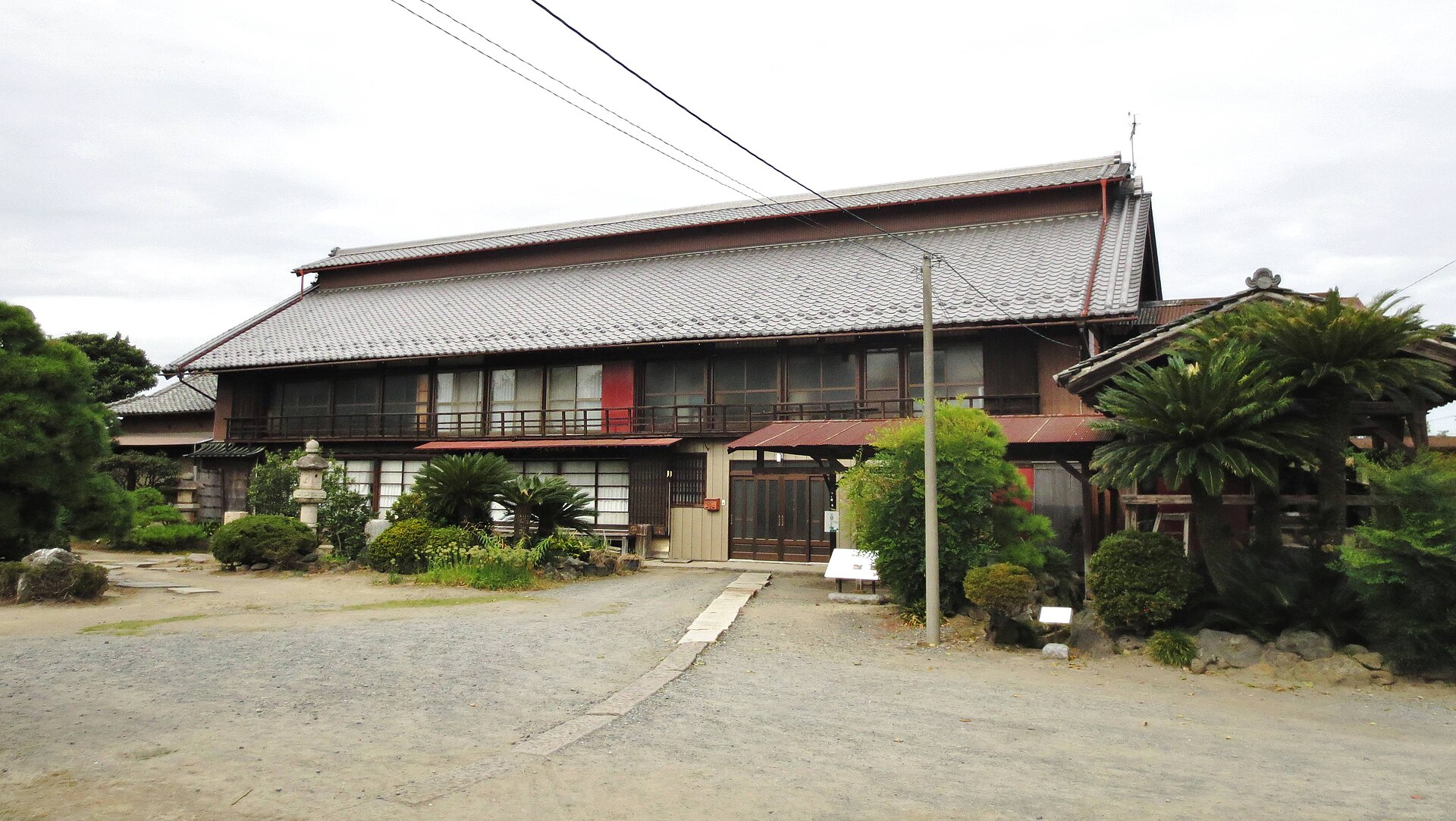
A World Heritage component site in a silkworm-egg village on the Tone River. Its 1863 farmhouse carries a raised vent along the roof ridge, the detail that set the pattern for sericulture farmhouses across Japan. The family still lives here, so viewing stays outdoors.
- FromHonjo Station (JR Takasaki Line)
- ~20 minJR Takasaki Line + taxi
- Tajima Yahei Sericulture Farm
The sweet spot
This is a UNESCO World Heritage component site, not an undiscovered one. What keeps it calm is the way it is used. The Tajima family still lives in the house, so there is no interior tour, no ticket gate and no shop — visitors read the outside, then move on.
Where it is
20 more notes in Gunma · open the map →What to look for — in walking order
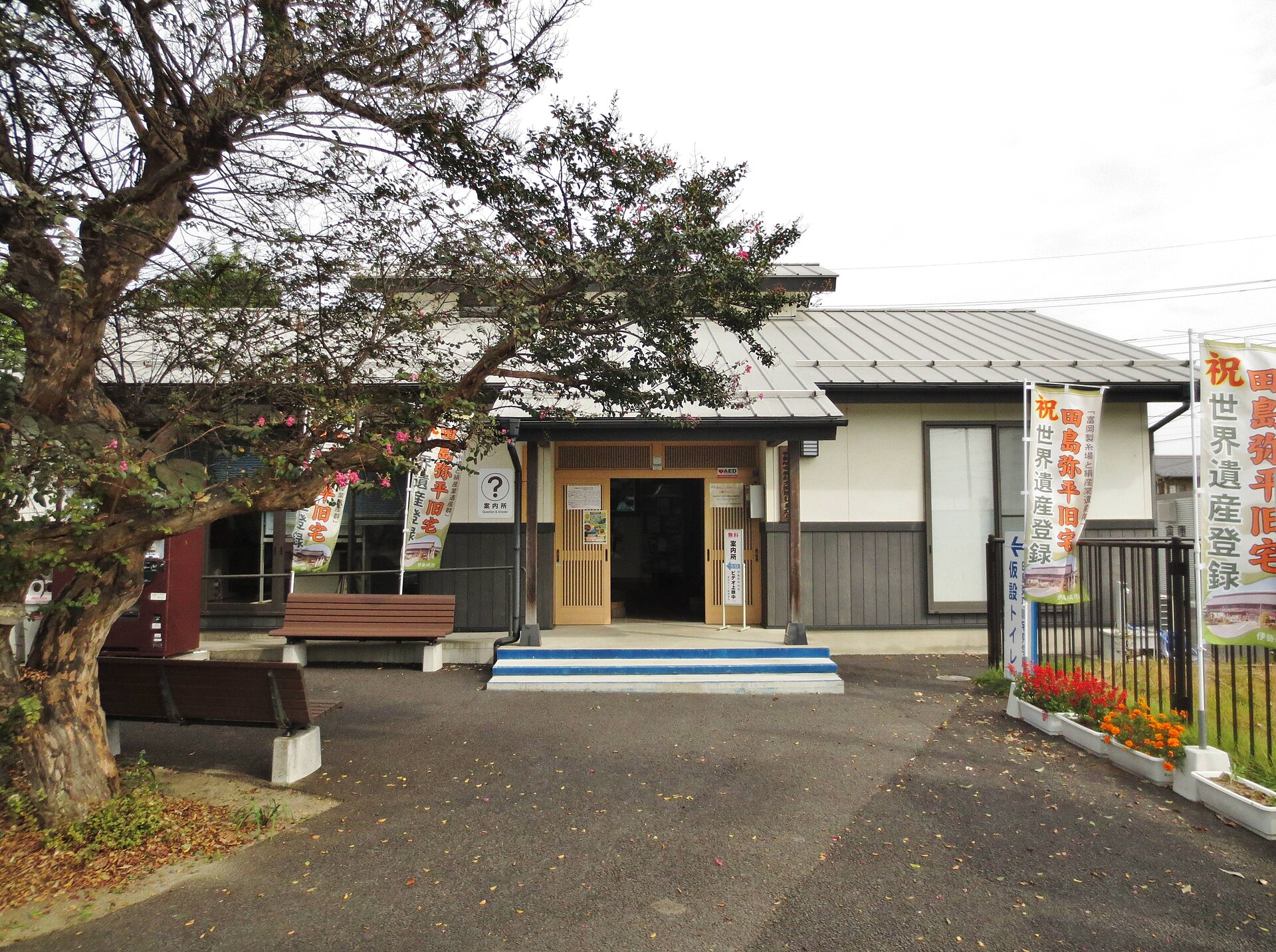
- Tajima Yahei Sericulture Farm Information Centera free visitor room in a former primary school, with panels, documents and a short film
- The ventilation ridgethe raised vent box along the roof, the first of its kind and the model for later farmhouses
- The two-storey main houseliving quarters below and a silkworm rearing floor above, under a tiled roof
- The detached wing and the old cold storeoutbuildings standing inside the marked viewing area of the grounds
- Neighbouring sericulture housesmore long ridge boxes along the village lanes, exteriors only
How to actually get there
- Tokyo Station → Honjo Station (JR Takasaki Line via the Ueno-Tokyo or Shonan-Shinjuku Line, direct).
- Honjo Station → Sakai-Shimamura (taxi, about 20 min).
- Tajima Yahei Sericulture Farm Information Center → the main house (a short walk along flat lanes).
- Return to Honjo Station by taxi; arrange the pickup before you leave the station.
- JR Takasaki Line to Honjo, then a taxi
- Tokyo Station →(JR Ueno-Tokyo Line or Shonan-Shinjuku Line, Takasaki Line services, direct with no transfer)→ Honjo Station. From Honjo Station it is about 20 minutes by taxi to Sakai-Shimamura. Isesaki Station works as a second starting point and takes about the same time by taxi.
- Back to Honjo Station by taxi
- The nearest railway station is Honjo, so the return is a taxi and then the Takasaki Line south. Arrange the return ride before you set out rather than after you arrive, and allow the same 20 minutes.
About the place
Sakai-Shimamura sits on the Tone River, in a stretch of Gunma that the river splits in two. The village made silkworm eggs rather than silk thread, and Tajima Yahei was one of its leading producers. The house he raised in 1863 runs about 25.4 metres along the front and about 9.4 metres deep, tiled and two full storeys: living quarters below, a rearing floor above. What matters is the ridge. Yahei topped the roof with a raised vent so that outside air could move through the rearing floor, and that single detail was copied across the country. Houses with the same long ridge box still stand along these lanes.
How to enjoy it
The grounds are open from 9:00 to 16:00 and cost nothing, and the information center keeps the same hours. Make the information center your first stop: once you know what the ridge vent is for, the rest of the village reads differently. Late morning suits the walk, since the lanes are flat and open with little shade.
Background & history
Shimamura had been producing silkworm eggs since the middle of the Edo period, and once the ports opened its producers sold into Europe. Tajima Yahei worked out a rearing method built on ventilation rather than heat, and set it down in a book of his own so that others could follow it. The house he built in 1863 was the first to carry the ventilation ridge. Japan designated it a national historic site in 2012, and in 2014 it entered the World Heritage list together with the Tomioka Silk Mill and the other silk-industry sites of Gunma.
Before you go
- Cash
- Viewing the farmhouse costs nothing and the information center is free as well, so there is no ticket counter on site. Parking is free both in front of the information center and at Shimamura Kaiko-no-Furusato Park. Carry cash for the taxi.
- Before you go
- Open 9:00 to 16:00, closed 29 December to 3 January. The main house is a private home the family still occupies, so the interior is off limits and viewing is confined to the marked areas; conservation work can close parts of the grounds as well. The city's guidance asks visitors to watch for pit vipers and wasps around the site.
- Another way
- Sakaimachi Station on the Tobu Isesaki Line is another approach — about 15 minutes by taxi. An Isesaki city community bus also serves the area, with a stop at Shimamura Kaiko-no-Furusato Park; check the city timetable before relying on it.
- After you get off
- From Honjo Station take a taxi north into Sakai-Shimamura and ask for the Tajima Yahei Sericulture Farm Information Center, which has its own free car park. The main house is a short walk from there along flat village lanes.