Southeast Yamaguchi · Suo-OshimaNo.835★Open in map →
Suo-Oshima Hawaii Migration Museum
A Seto Inland Sea island whose emigrants filled Hawaii's cane fields, and a museum in a donated timber house that keeps their records. The island and Kauai County are still formally tied to one another.
- FromIwakuni Station
- ~1 hrJR then bus or taxi
- Get off atObatake Station (JR San'yo Line)
- From there
- Suo-Oshima Hawaii Migration Museum
The sweet spot
Nothing here is hidden. The bridge is free and the island is an easy day out from Iwakuni. What keeps the museum quiet is geography: most people cross and follow the coast road toward the beaches, while the museum sits inland up the Yashiro valley, off that line entirely.
Where it is
13 more notes in Yamaguchi · open the map →What to look for — in walking order
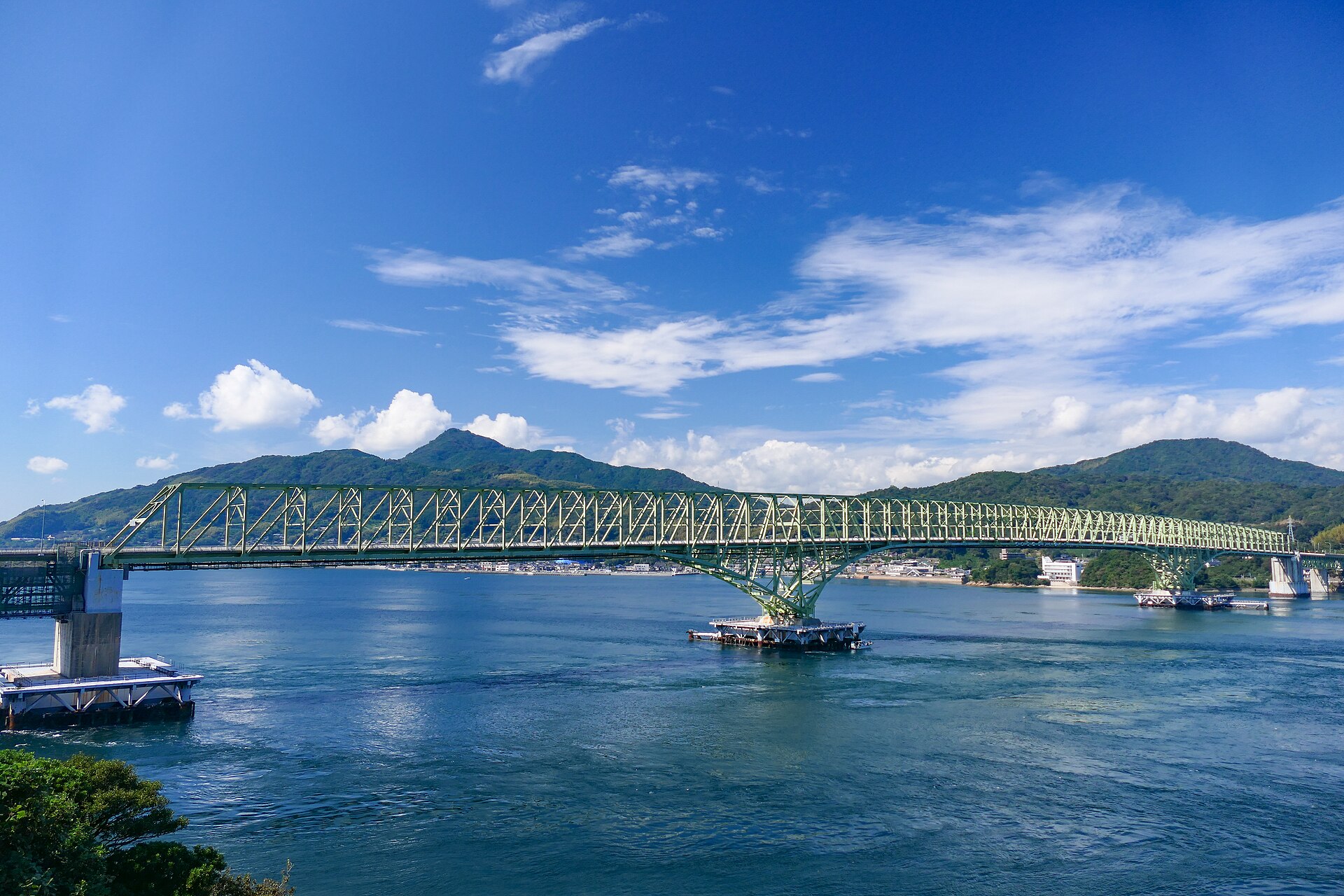
- Oshima Ohashi Bridgethe green truss span over the Obatake strait, with a footway if you want to cross on foot
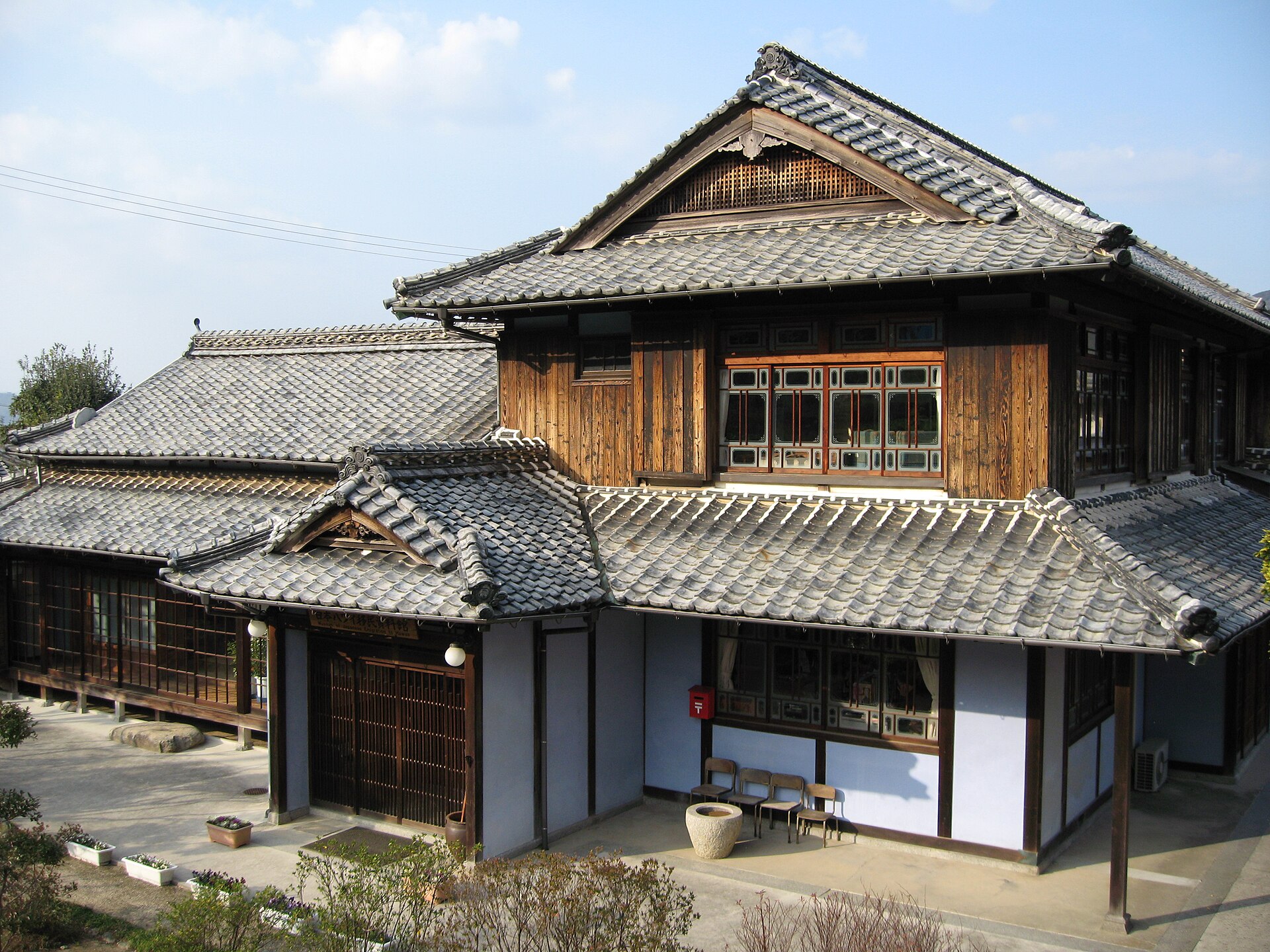
- The museum housea broad timber residence given to the town, registered as a tangible cultural property
- Contract emigration roomthe government-brokered years laid out, including material on King Kalakaua of Hawaii
- Work and daily life roomwhat the plantations asked of people, and the life they assembled around it
- Theatre roomfootage of the crossing years set against the exchange that continues today
How to actually get there
- Iwakuni Station → Obatake Station (JR San'yo Line, about 30 minutes).
- Obatake Station → across the Oshima Ohashi bridge (Bocho bus, about five minutes; taxi if you are going straight to the museum).
- Follow the road inland up the Yashiro valley to the museum.
- Come back to Obatake Station the same way, with the return fixed in advance.
- JR San'yo Line to Obatake Station
- Iwakuni Station →(JR San'yo Line, about 30 minutes)→ Obatake Station, which the tourism association treats as the gateway to the island. From there Bocho buses cross the Oshima Ohashi bridge in about five minutes. The museum itself is inland up the Yashiro valley, so a taxi from the station is the direct option if you are not driving. Hiroshima is the other common starting point, roughly an hour and a half out on the same line.
- Return from Obatake Station
- Everything funnels back through Obatake Station, so the return is the outward leg reversed. San'yo Line services are workable through the day and thin in the evening. If you came by taxi, fix the pick-up before you go inside — the valley is not a place to flag one down.
About the place
Suo-Oshima lies off the coast at Yanai, joined to the mainland by a single green truss bridge across the Obatake strait. The island is farmland, small ports and steep green hills. Its story runs the other way from most rural Japanese islands: people left, and then kept in touch. Households here still have relatives in Hawaii, and the town holds a formal tie with Kauai County to this day. The museum occupies a broad timber house on the inland side, given to the town and now registered as a tangible cultural property.
How to enjoy it
Give the museum longer than a small building suggests. The rooms are dense with names and documents rather than objects, and the theatre room is usually where it lands. Come by taxi from Obatake Station if you are not driving, since buses cross the bridge but the valley road inland is thin. Mondays are closed, so build the day around that.
Background & history
Government-brokered emigration to Hawaii ran from 1885 to 1894, and the Oshima district sent people to the cane fields in numbers out of all proportion to its size. Many stayed. Some came back with savings and built. The connection never faded into sentiment either: in 1963 the town and Kauai County formalised it as a sister-island tie, and it still holds. The bridge that now carries every visitor onto the island came later, opening in 1976.
Before you go
- Cash
- The museum charges admission at the door and expects cash. The Oshima Ohashi bridge is toll-free. Sort money out on the mainland rather than hunting for a machine once you are across.
- Before you go
- The museum closes on Mondays and over the New Year period, and the doors shut in the late afternoon rather than the evening. The island itself is open ground on the Inland Sea — mild for most of the year, hot and short of shade in high summer.
- Another way
- Coming from Kyushu, Tokuyama is the Shinkansen stop to change at for the San'yo Line down to Obatake. By car, the island is reached from the expressway via Yanai, and the bridge is the only road on.
- After you get off
- From Obatake Station the last leg crosses the bridge and then turns inland, away from the coast road, up the Yashiro valley. The museum stands among fields and houses rather than on a seafront, so follow the signs rather than the water.