Gunma · ShimonitaNo.956★Open in map →
Shimonita Konjac
— Gunma's konjac town and its roadside market
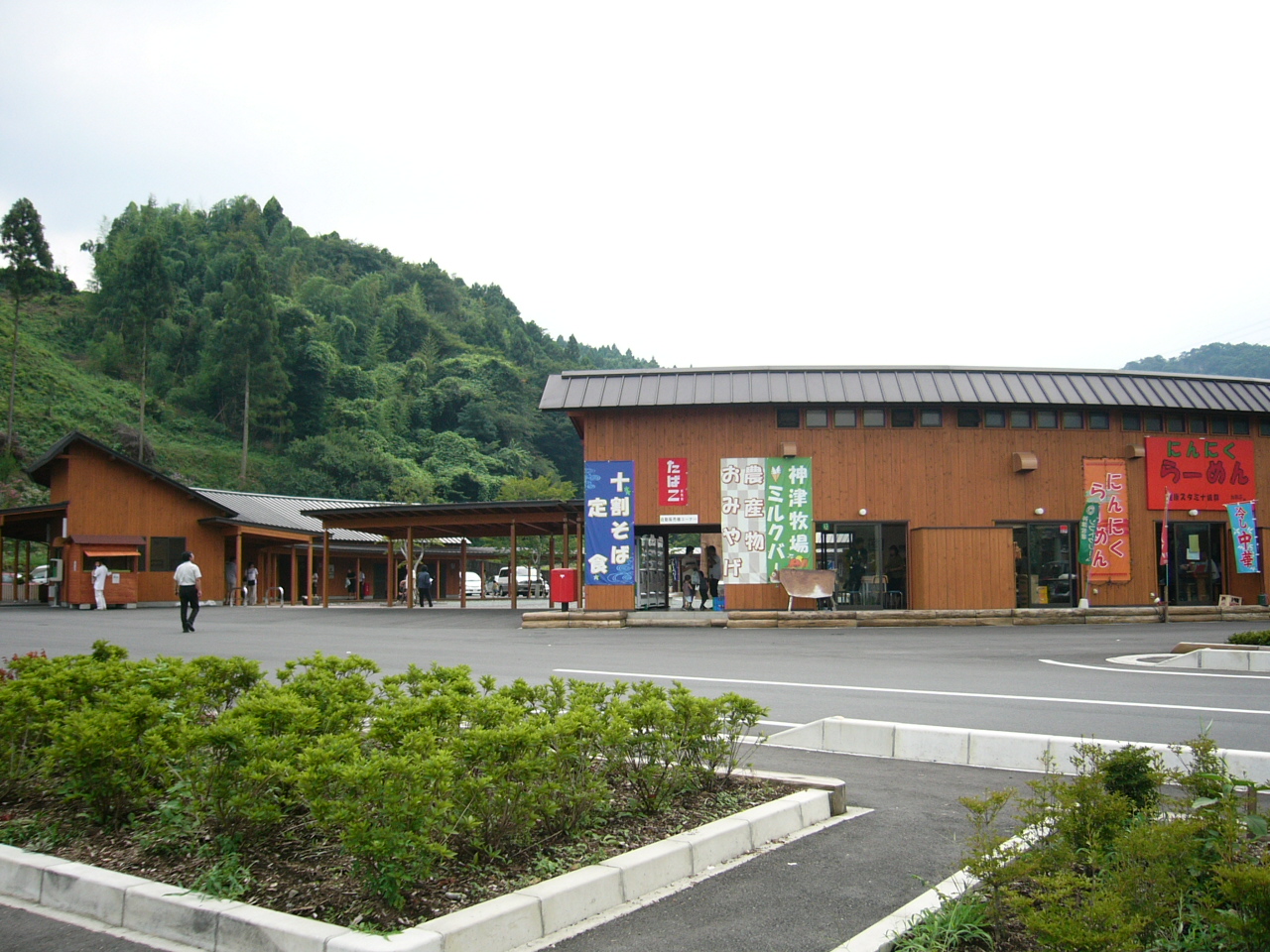
Konjac corms are almost entirely a Gunma crop, and Shimonita is the town that gathers and mills them. The roadside station on Route 254 is the public front of that trade — a produce hall of konjac, winter leeks and a dairy counter.
- FromTakasaki Station
- ~60 minJoshin Line + 10 min walk
- Get off atSendaira Station (Joshin Dentetsu Joshin Line)
- On foot
- Shimonita Konjac
The sweet spot
Shimonita is not obscure — the Gunma karuta deck names its leeks and konjac in a single line. It stays quiet because the town's business is collecting and milling rather than showing. The roadside station is the one public counter where that crop is set out.
Where it is
20 more notes in Gunma · open the map →What to look for — in walking order
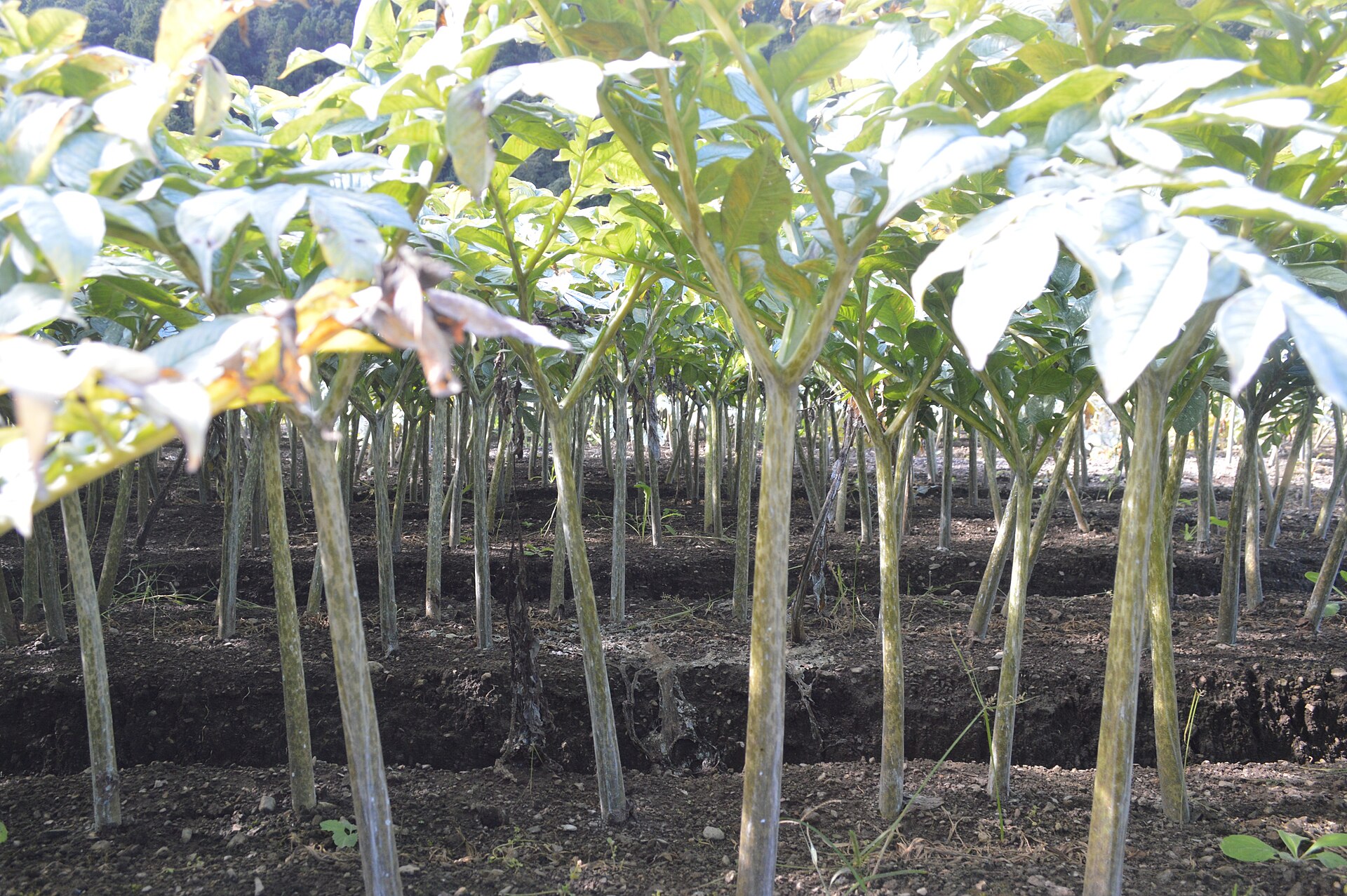
- The produce hallshelves of konjac from the town's makers, including raw-corm blocks in the cold months
- Shimonita negi in winterthe short, thick leek the town is equally known for, sold beside the konjac
- Shimonita tourist information deskthe town's own counter, inside the roadside station and open shorter hours
- Kozu Farm milk bara dairy counter run by the farm of the same name, in the food row
- The konjac terraces on the slopessmall fields cut into the hillsides that surround the town
How to actually get there
- Takasaki Station → Sendaira Station (Joshin Dentetsu Joshin Line, about 50 min; check the timetable, services are spaced out).
- Sendaira Station → Route 254 across the Kabura River, then about 800 m on foot (roughly 10 min) to Michi-no-Eki Shimonita.
- Produce hall first for the konjac shelves, then the tourist desk for what else is open in town that day.
- Return the same way to Sendaira; the station is unstaffed, so check the last departure on arrival.
- Joshin Dentetsu from Takasaki to Sendaira
- Takasaki Station →(Joshin Dentetsu Joshin Line, about 50 minutes)→ Sendaira Station, then about 800 metres on foot to the roadside station, roughly ten minutes. Sendaira is an unstaffed station and services on the line are spaced out, so check the Joshin Dentetsu timetable before you fix the day.
- Back to Takasaki on the same line
- Walk back up to Sendaira Station and take the Joshin Line east to Takasaki. There is no ticket window at Sendaira, so keep cash for the fare, and check the last departure when you arrive rather than at the end of the afternoon.
About the place
Shimonita lies in the folded hills of western Gunma, where the Kabura River cuts through and forest covers most of the town. Konjac wants exactly this: mild rather than bitter cold, short daylight under the ridges, and soil that drains. Growers here worked with those conditions long before anyone wrote them down, and the town became the point where the prefecture's crop was gathered and milled into flour. The trade quoted the flour price with Shimonita as the delivery point, which is how a town this size ended up naming a national market. The fields themselves are small terraces cut into the slopes.
How to enjoy it
The produce hall runs from 8:30 to 18:00 while the tourist desk keeps shorter hours, so a morning visit is the one that lets you ask questions. Raw-corm konjac and Shimonita negi both belong to the cold half of the year; outside that window the shelves carry processed konjac from the town's makers instead. A block bought here keeps well for the rest of the journey.
Background & history
Konjac corms were made storable by milling them into flour, a process worked out in the Edo period, and a drying method brought in from Ibaraki followed in the Meiji years. Both stages suited Shimonita, with its draining slopes and its river mills, and the town grew into the collecting and milling centre for the crop. Its leeks travelled the other way: daimyo households in Edo sent for them, which is why the variety is still called the lord's leek. The Gunma karuta fixed the pair in one line — leeks and konjac, the specialities of Shimonita.
Before you go
- Cash
- The roadside station has no entrance fee; you pay only for what you buy or eat. Joshin Dentetsu is a private railway separate from JR, so its fare is not covered by a JR ticket — buy it at Takasaki. Carry cash for the smaller counters.
- Before you go
- The produce hall runs 8:30 to 18:00, and the tourist desk closes earlier and takes one weekday off. The station also shuts on a Tuesday each month and sources disagree on which, so confirm before a Tuesday visit. Toilets and the car park stay open around the clock.
- Another way
- By car it is a short run off the Joshin-etsu Expressway at the Shimonita interchange, straight onto Route 254. A Chikuma Bus highway coach also calls at the roadside station, which makes it reachable without the local train.
- After you get off
- From Sendaira Station cross the Kabura River to Route 254 and follow the road about 800 metres to Michi-no-Eki Shimonita. The produce hall stands back from the car park, with the food counters alongside it.