Aichi · SetoNo.1051★★Open in map →
Seto Ware
— The kiln town that named Japan's crockery
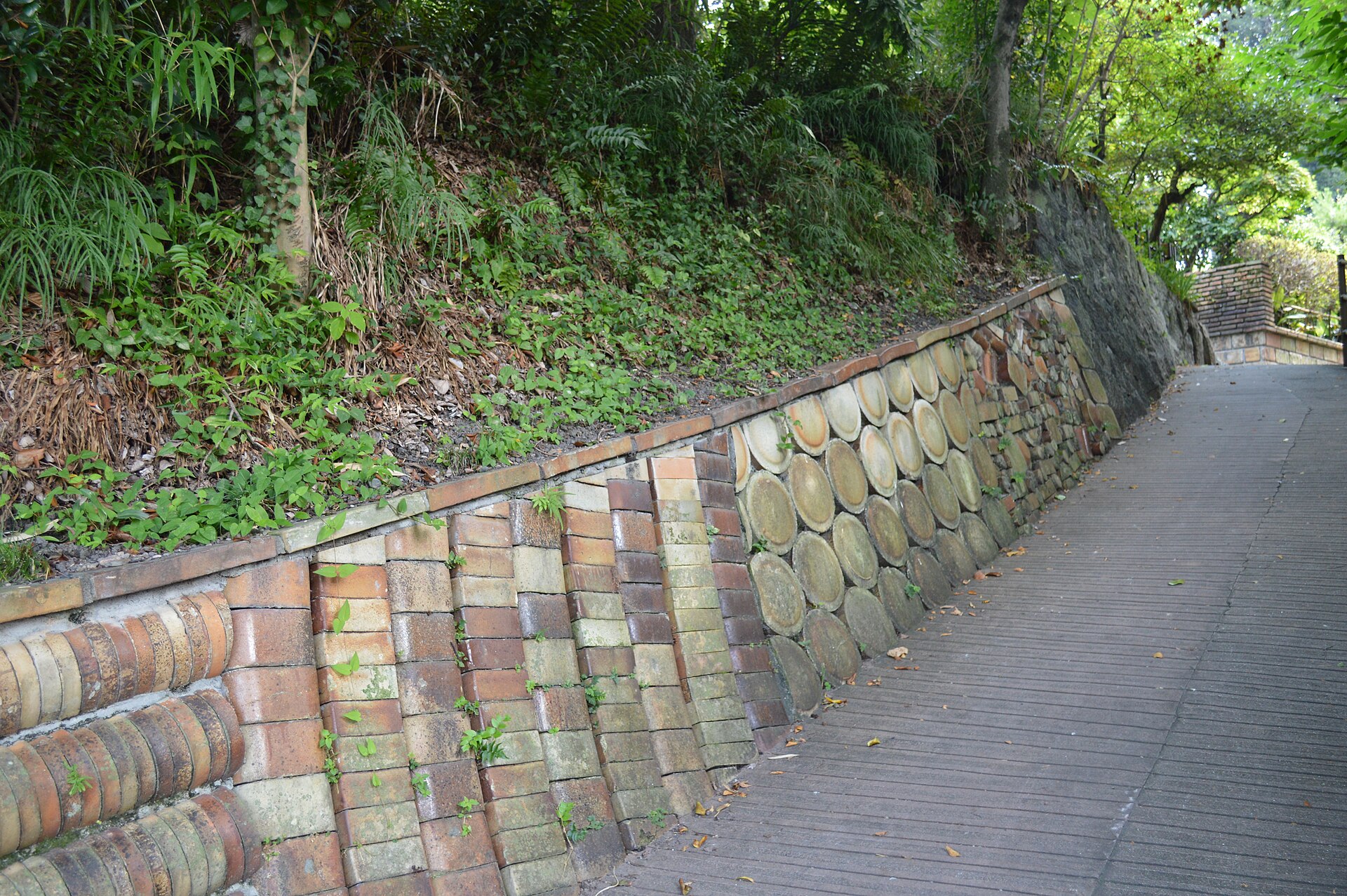
Seto, in the hills north-east of Nagoya, has fired pottery for centuries — long enough that setomono became the everyday Japanese word for ceramics. The town's most telling street is walled with the kiln tools its potters wore out.
- FromNagoya Station
- ~50 minMeitetsu train, then a walk
- Get off atOwari-Seto Station (Meitetsu Seto Line)
- From there
- Seto Ware
The sweet spot
Seto is a working pottery town rather than a single sight with an entrance, so visitors scatter across shops, kilns and museums instead of massing at one gate. The lane is residential and sits a good walk beyond the station, which keeps it calm even when the town centre is busy.
Where it is
27 more notes in Aichi · open the map →What to look for — in walking order
- Seto-Gura Museumthe town's ceramics museum, with a rebuilt Showa-era station hall and a coal kiln indoors
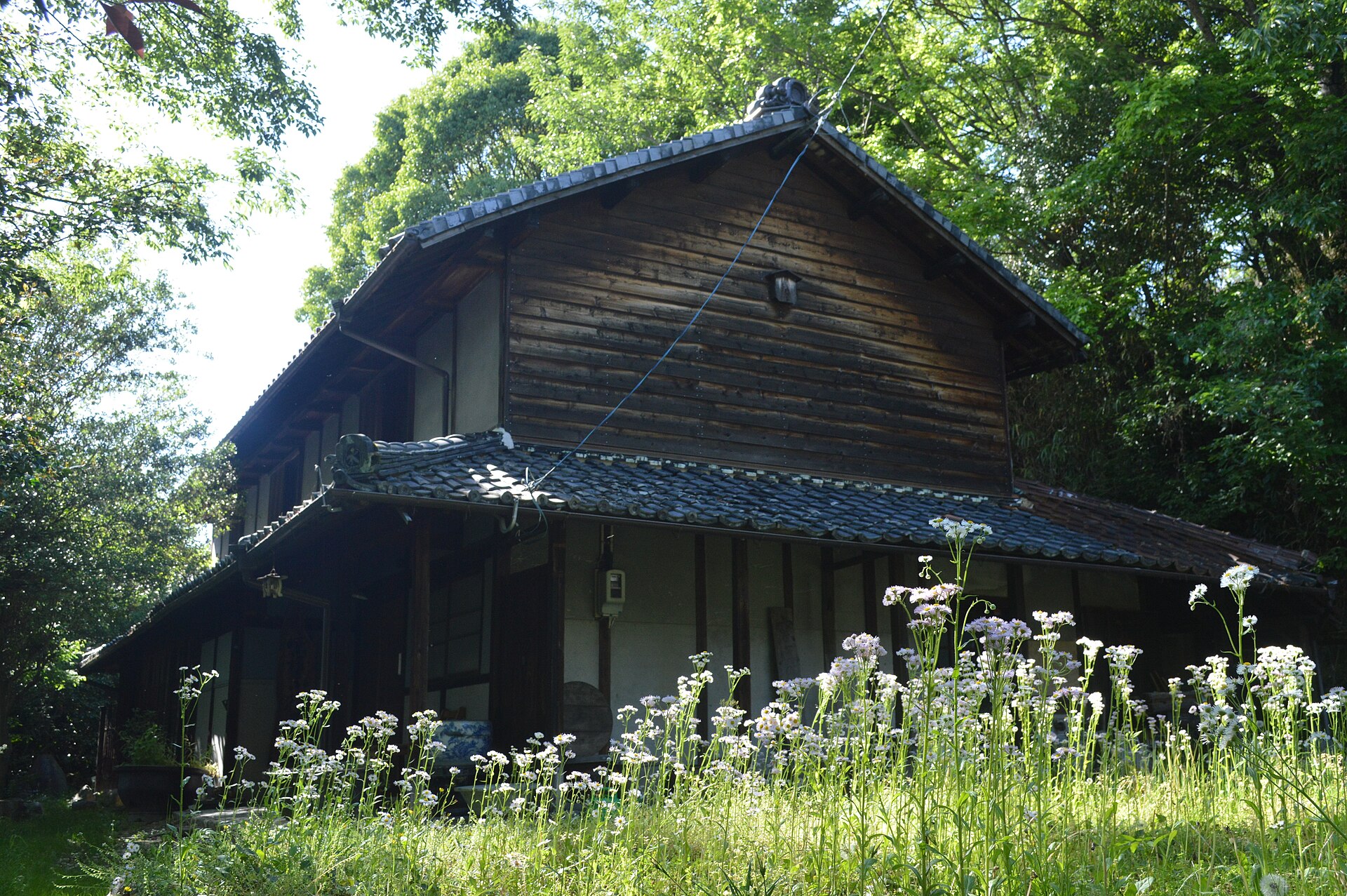
- Fukagawa Shrine and Tohikoshathe town shrine, with an annex to the potter honoured as Seto's ceramic ancestor
- Kamagaki no Komichithe walled lane climbing through Horadori, lined with kiln families' houses
- Kamagaki no Komichi Museuma free exhibit house on the lane about Horadori's kilns and the people who ran them
How to actually get there
- Nagoya Station → Sakae (Higashiyama subway line), then walk through to Sakaemachi.
- Sakaemachi → Owari-Seto (Meitetsu Seto Line, to the end of the line).
- Owari-Seto Station → Seto-Gura and Fukagawa Shrine (walk; Seto-Gura is beside the station, the shrine a little further north-east).
- Seto-Gura → Kamagaki no Komichi in Horadori (walk ~20 min east, or the bus to Toso-koen).
- Meitetsu Seto Line from central Nagoya
- From Nagoya Station take the Higashiyama subway line to Sakae and walk through to Sakaemachi, the underground terminal of the Meitetsu Seto Line. Owari-Seto is the far end of that line, and express services are quicker than the all-stations ones. Allow about an hour door to door, including the change.
- Return from Owari-Seto
- Trains run back to Sakaemachi through the evening, and the subway connects there for Nagoya Station. Services thin out after the evening peak, so check the departure board at Owari-Seto before you walk up to the lane if you plan to stay for dinner.
About the place
Seto lies in the hills north-east of Nagoya, and it has made ceramics for so long that its name turned into the general word for crockery, setomono. The town's signature sight is not an object in a case but a street. Kamagaki no Komichi runs about 400 metres through the Horadori district, and its walls and terraces are built from discarded kiln tools — the fired clay furniture that stacked and separated pots inside the kilns. The lane bends and climbs between houses that still belong to kiln families. Nothing is gated; the walls simply hold up the ground.
How to enjoy it
Start at Seto-Gura beside the station, then follow the river east and climb into Horadori; the lane itself is open air and can be walked at any hour. The museum on it keeps short hours, roughly 11:00 to 15:00, and closes at the beginning of the week, so arrive near midday if you want to go inside. Entry there is free.
Background & history
Kilns spread through the Seto valleys in the late Heian period, and medieval Seto became the one Japanese district firing glazed stoneware. Tradition credits a potter remembered as Kato Shirozaemon Kagemasa, said to have sailed to Song China in 1223 with the Zen monk Dogen and returned with glazing methods; excavation does not fit the legend's dates, but the town honours him at Tohikosha, an annex of Fukagawa Shrine. Porcelain came much later, in the Edo period, brought from Kyushu. In 2017 Seto and five other historic kiln towns were designated Japan Heritage as the Six Ancient Kilns.
Before you go
- Cash
- The lane is a public street and free to walk, and the exhibit house on it is free as well. Seto-Gura Museum by the station charges admission at the desk. IC cards work on both the subway and the Meitetsu line.
- Before you go
- The lane is narrow, sloping and residential, with families still living behind the walls, so keep to the path and keep voices low. It has no visitor lighting after dark, and the stone surface turns slippery in rain.
- Another way
- A Meitetsu bus from Owari-Seto Station towards Akazu stops at Toso-koen, a few minutes from the lane, which skips the climb. Drivers will find a car park at the lane itself.
- After you get off
- From Owari-Seto Station, cross toward the river and follow it east for about twenty minutes on pavements, then turn uphill into Horadori where the walls begin.