South Hiroshima · Tobishima KaidoNo.604★Open in map →
Mitarai Historic Port Town
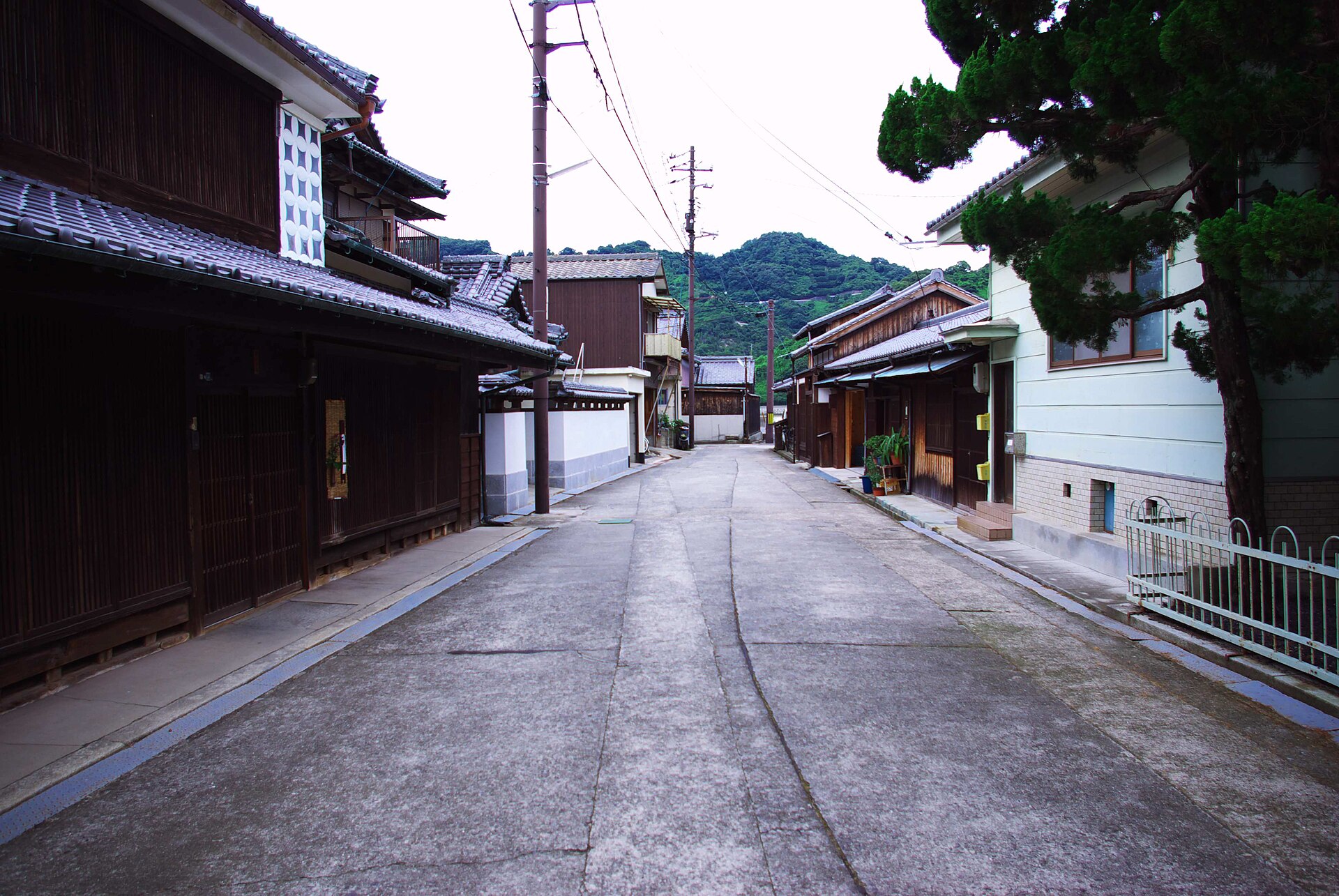
A preserved Edo port on an island in the Inland Sea, where ships once waited out the tide before continuing. The lanes behind the harbour still hold the merchant houses, teahouses and shrines that served them, and no railway ever came through.
- FromHiro Station
- Half-day tripBus from Hiro Station
- Get off atMitarai-ko bus stop (Setouchi Sanko bus)
- On foot
- Mitarai Historic Port Town
The sweet spot
This is not a secret — it is a nationally designated district and the local tourism board promotes it. It stays quiet because it is genuinely awkward to reach: a bus ride out along a chain of island bridges, with services running to a timetable rather than continuously. Most people who come arrive by car, which means the lanes themselves, all too narrow to drive, stay unhurried.
Where it is
25 more notes in Hiroshima · open the map →What to look for — in walking order
- Mitarai Rest Housethe visitor rest stop near the harbour, where the walking map is handed out
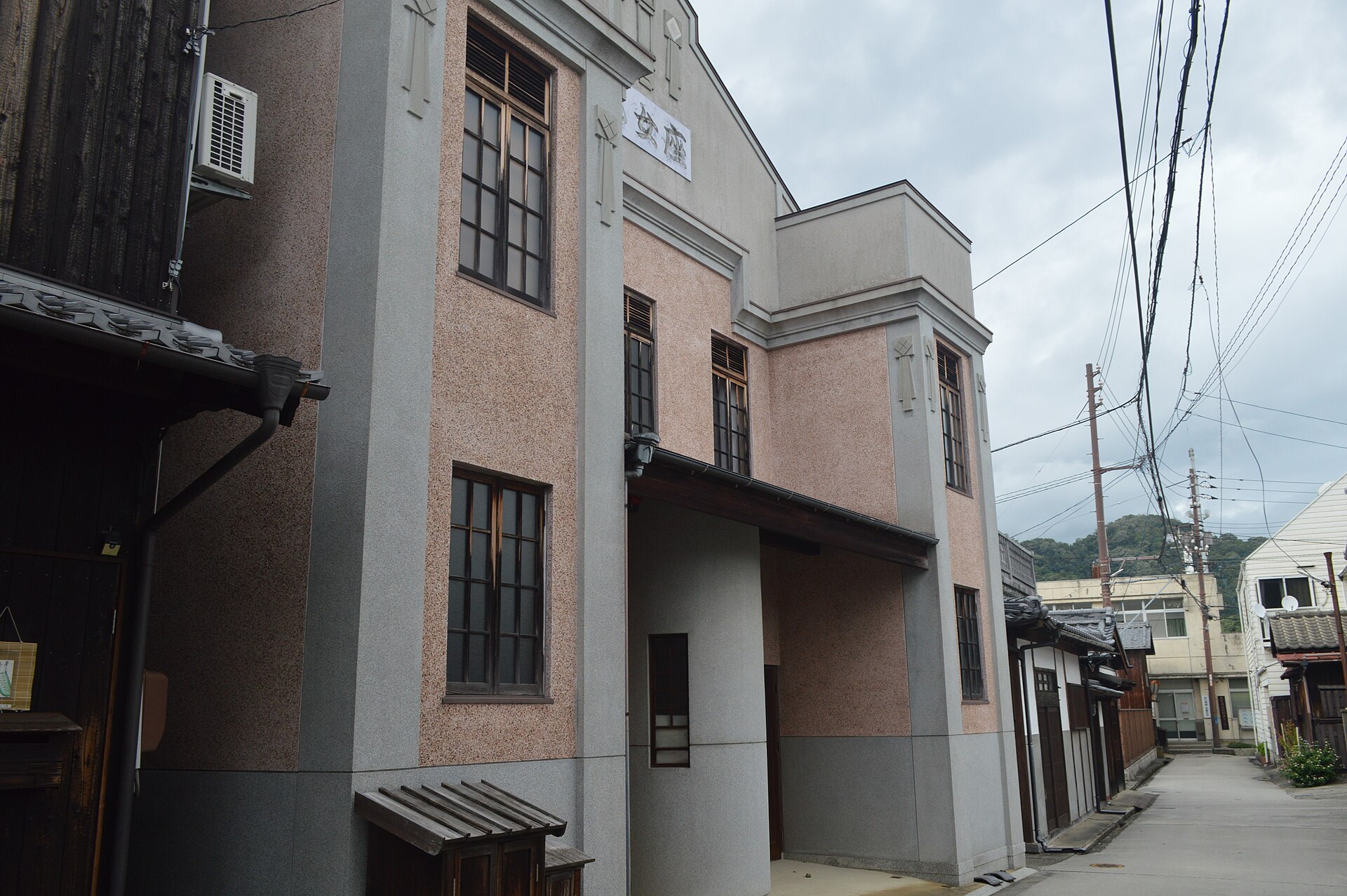
- Otomezaa former cinema of the early Showa era, restored as an exhibition hall on the port town
- Wakaebisuya sitethe site of an Edo-period teahouse on the main lane, designated a prefectural historic site
- Manshuji Templea temple set above the lanes, reached by steps from the street
- Sumiyoshi Shrine and the Chisago breakwaterthe western end of the harbour, with the stone breakwater and the tall lantern that guided ships
How to actually get there
- Hiroshima or Kure → Hiro Station (JR Kure Line).
- Hiro Station → Mitarai-ko (Setouchi Sanko bus, along the Akinada Tobishima Kaido).
- Walk west along the waterfront to Sumiyoshi Shrine and the breakwater.
- Return through the inner lanes past Otomeza and the rest house to the bus stop.
- Setouchi Sanko bus from Hiro Station
- Take the JR Kure Line to Hiro Station, then the Setouchi Sanko bus from the stop in front of the station out along the Akinada Tobishima Kaido bridges. Get off at Mitarai-ko, which is at the edge of the preserved district. The route crosses several islands in sequence, so treat it as the journey rather than a transfer.
- Same bus back to Hiro Station
- The return is the same route in reverse, and the timetable is posted at the Mitarai-ko stop. Services are limited, so check the last departure when you arrive rather than when you are ready to leave. At Hiro Station the Kure Line continues toward Kure and Hiroshima.
About the place
Mitarai sits on the southern shore of Osakishimojima, one of the islands strung together by the Akinada Tobishima Kaido bridges. The preserved district covers about seven hectares and takes in the working parts of an old harbour as well as its houses: the great breakwater, the stone bridge, the tall stone lantern, the revetments and the stepped landing stages. Behind that waterfront the lanes hold merchant houses, teahouses, ship inns, shrines and temples, mixed rather than zoned. Because no railway or main road was ever driven through, the plan of the port survived largely as it was laid out.
How to enjoy it
The town is small enough to see on foot in a morning or an afternoon, and the bus stop is at the harbour edge, so nothing is far. Confirm the return departure at the stop before you start walking, because island services run to a timetable rather than continuously. Walking west along the waterfront and coming back through the inner lanes covers the district without doubling back on yourself.
Background & history
Mitarai took shape as a port in the middle of the seventeenth century, when ships began putting in here to wait for wind and tide. Once the western coastal shipping route was established, cargo vessels called regularly, and the town prospered as a relay harbour on the Inland Sea run until the early Showa era. It was designated a national Important Preservation District for Groups of Traditional Buildings in 1994, in the category of port towns. Sumiyoshi Shrine at the western end was founded by inviting the deity of Osaka's Sumiyoshi Taisha.
Before you go
- Cash
- Walking the district is free. Otomeza and the other exhibition buildings charge their own admissions, and a small free car park serves visitors arriving by road. Carry cash — this is an island with few machines and no reliable card coverage.
- Before you go
- The Wakaebisuya site was closed to visitors for conservation work at the time of checking, so confirm before making it the reason for your trip. The lanes are narrow, unlit at night and lined with occupied houses. There is no railway station on the island, and if the last bus goes without you the only way out is a taxi or a night on the island.
- Another way
- A fast boat runs from Takehara Port to Osakinaga on the same island, from where the district is about a 15-minute walk. That approach suits a trip that starts on the Kure Line's eastern half rather than at Hiro.
- After you get off
- The Mitarai-ko stop is on the harbour front, and the preserved district begins immediately behind it. Turn inland one street and you are on the main lane; nothing in the district is more than a few minutes from the stop.