South Miyagi · MarumoriNo.817★★Open in map →
Sairi Yashiki
— A merchant family's storehouse estate in Marumori
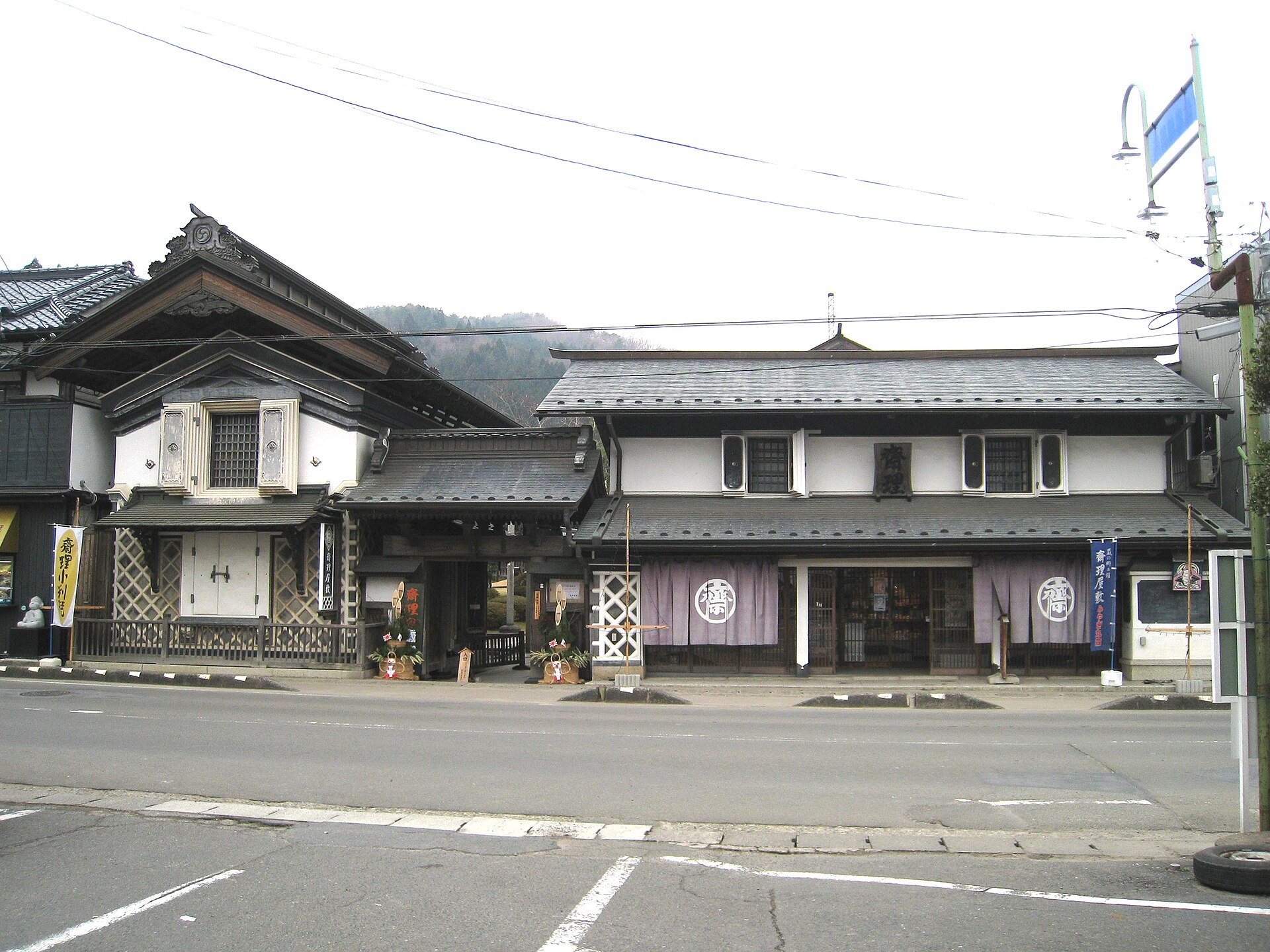
A merchant family's whole estate, left standing in a small town in southern Miyagi and run now as the town museum. Twelve of its buildings are on the national register, and the shop storehouse still faces the road under the family's mark.
- FromFukushima Station
- ~1 hrAbukuma Express, about hourly
- Get off atMarumori Station (Abukuma Express Line)
- From there
- Sairi Yashiki
The sweet spot
Marumori is not on the way to anything. Visitors based in Sendai turn north for Matsushima or west into the hills, and almost nobody rides an hour south down a small private line to a town this size. The estate itself is not hidden — it is the town's main sight, signposted and staffed — it is simply that few people have business in the town.
Where it is
23 more notes in Miyagi · open the map →What to look for — in walking order
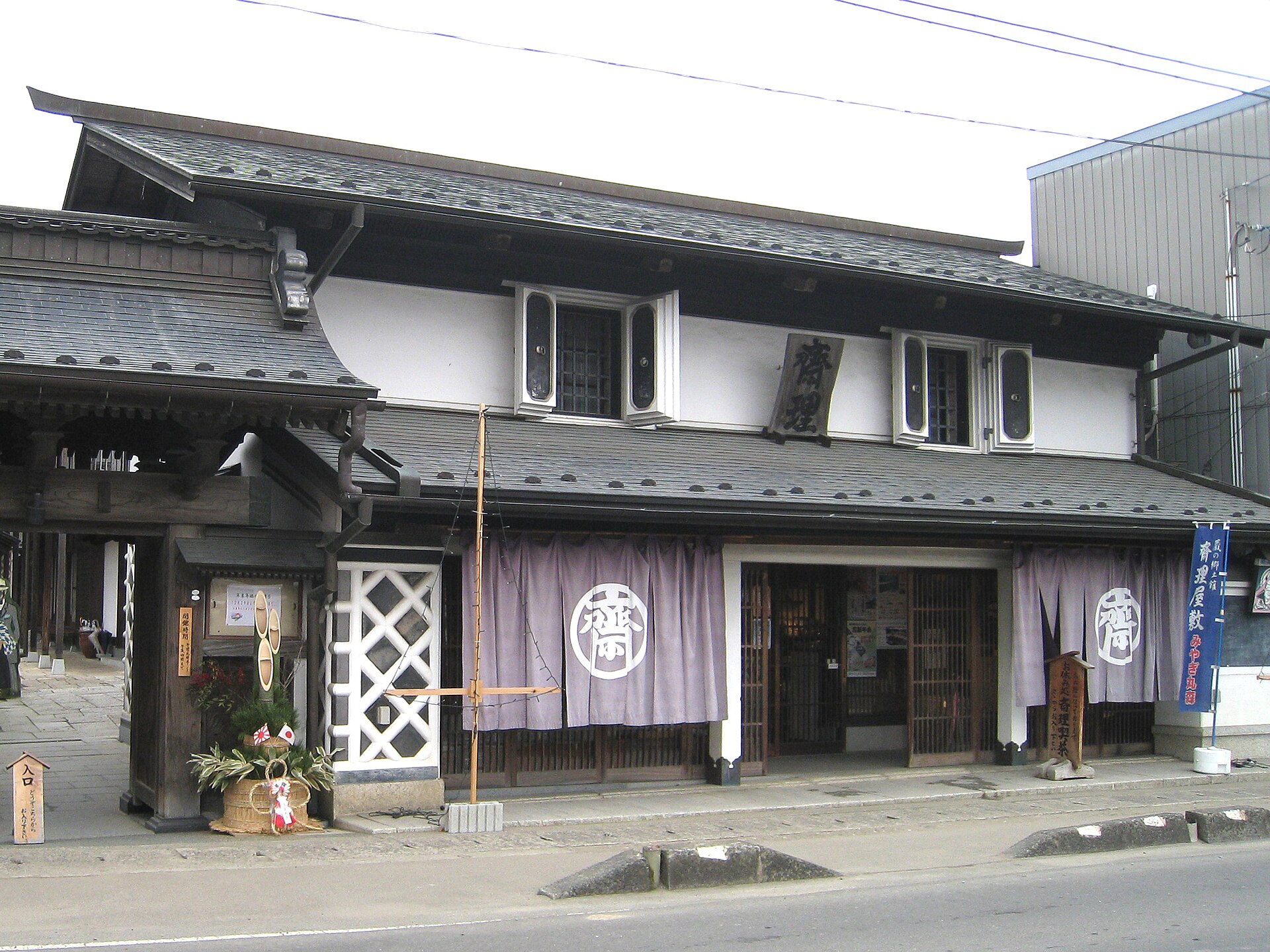
- The shop storehousethe street-facing kura that served as the shopfront, the family mark cut white into the curtain
- The living quartersthe house itself, set back behind the gate and ringed by its own storehouses
- The named storehouseskura called Toki, Waza, Sumi, Warabe and Yome — time, work, living, children, brides
- The stone bath-housea bathhouse built of stone, one of the registered structures on the site
How to actually get there
- Fukushima Station → Marumori Station (Abukuma Express Line; check the train runs through to Marumori).
- Marumori Station → Sairi Yashiki (south along the prefectural road, on foot or by taxi).
- Shop storehouse → living quarters → the named storehouses → the stone bath-house.
- Abukuma Express from Fukushima
- Fukushima Station →(Abukuma Express Line, toward Tsukinoki)→ Marumori Station, about an hour. Departures come roughly once an hour, but a good number of them turn back at Yanagawa or Tomino before reaching Marumori, so read the destination as carefully as the time. The gap is longest in the early afternoon.
- Back from Marumori
- Marumori is a staffed station, so check the return board the moment you arrive and settle on a train before you walk into town. Services toward Fukushima thin out through the evening, and the same short-turn pattern applies in reverse.
About the place
Sairi is a trade name, not a place name. The merchant who built here was Saito Risuke, and the town ran the two names together. The house began in cloth, went on to brew miso and soy sauce, and later added a sewing works — trades stacked on top of each other rather than swapped. So what stands is not one house but a block: a shop storehouse hard against the road, living quarters set behind it, and a row of kura each carrying its own name. Twelve of the structures are on the national register of tangible cultural properties. Nothing here was brought in from elsewhere for display.
How to enjoy it
The museum closes on Mondays, and on the following day when the Monday is a public holiday; the desk stops taking people half an hour before closing. Arrive in the first half of the day and you can take the storehouses one at a time instead of at a walk. The buildings stand apart on a shared ground, so you spend as much of the visit outside as in.
Background & history
The Saito house prospered through seven generations in Marumori, a river town at the southern edge of Miyagi. The money came from trade rather than from land or rank: cloth first, then miso and soy sauce brewing, then a sewing works, and in time an electric light company of its own. In 1986 the head of the seventh generation handed the whole estate — buildings, storehouses and everything inside them — to the town, which reopened it as a museum of local life. What sits on the shelves is therefore one household's accumulation, not a curator's shortlist.
Before you go
- Cash
- Admission is charged at the desk on the way in. The published figure differs between the museum's own site and the town's listing, so treat any amount you have read as provisional and carry cash.
- Before you go
- Closed on Mondays, and on the following day when the Monday is a public holiday. Last admission is half an hour before the doors close, so a late-afternoon arrival leaves very little. The tearoom inside the estate was not operating when this was checked — plan to eat in the town.
- Another way
- From the Sendai side, ride the Tohoku Main Line to Tsukinoki and change to the Abukuma Express there; the line runs the length of the Abukuma valley between Tsukinoki and Fukushima. By car, the estate has its own parking.
- After you get off
- From Marumori Station the estate lies straight south along the prefectural road, roughly two kilometres — a walk in fair weather, a few minutes by taxi from the station rank. The shop storehouse is the black-and-white building standing right on the road, with the entrance gate beside it.