Kagawa · MarugameNo.1185★★Open in map →
Marugame Uchiwa Museum
— Japan's round bamboo fan made here
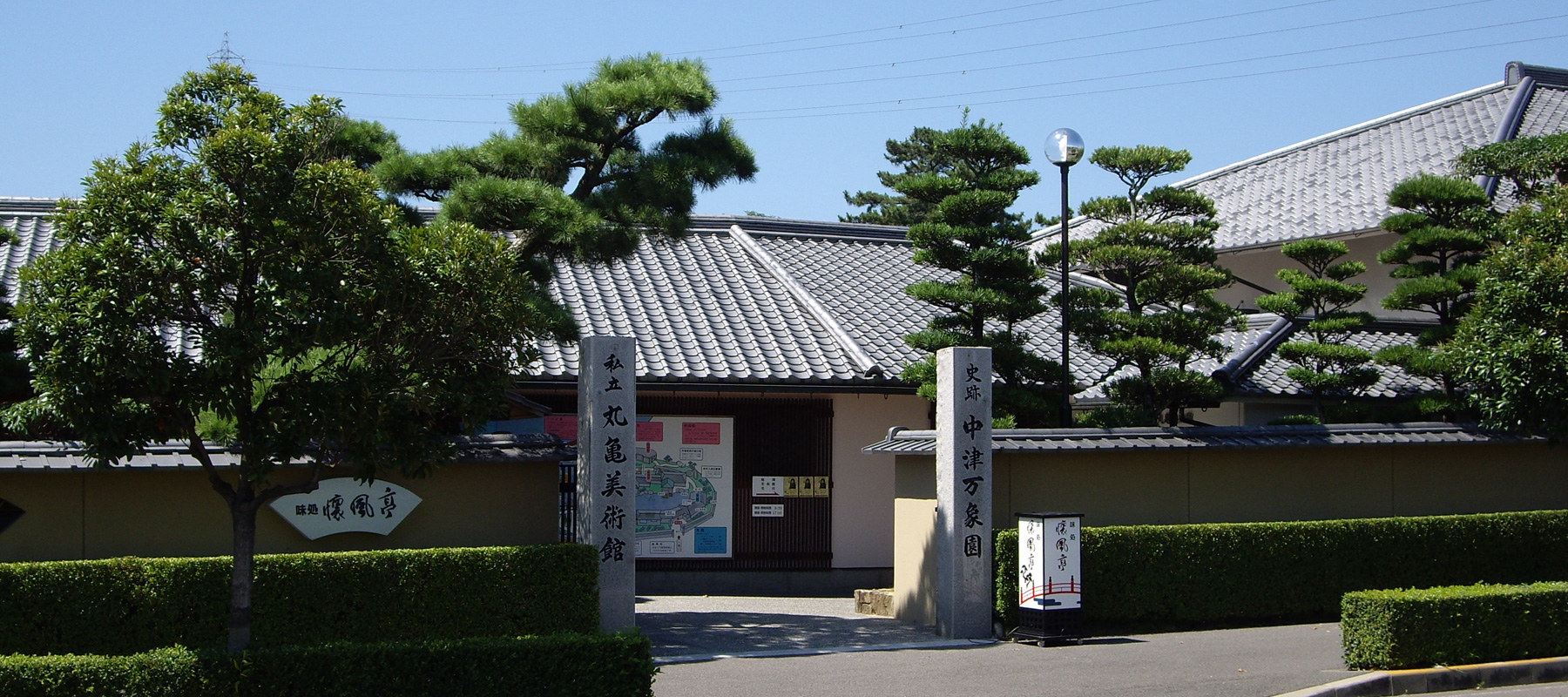
The museum of the town that has made most of Japan's bamboo-and-paper fans. It stands on the north side of a former daimyo garden, and beside the history cases a craftsman splits bamboo and pastes washi. Admission is free.
- FromTakamatsu Station
- ~45 minJR Yosan Line, then a walk
- Get off atSanuki-Shioya Station (JR Yosan Line)
- On foot
- Marugame Uchiwa Museum
The sweet spot
Marugame is no secret. It is the fan capital and the museum appears on the town's own itineraries. What thins the visitors is geography: the museum sits at the western edge of town, one station beyond Marugame itself, while the castle and the station shops pull people the other way.
Where it is
19 more notes in Kagawa · open the map →What to look for — in walking order
- Exhibition roomhistoric Marugame fans, old workshop documents and model figures of the trade
- Demonstration bencha craftsman working the 47 steps that turn one length of bamboo into a fan
- Workshop rooma booked session in which you paste washi onto a finished bamboo frame
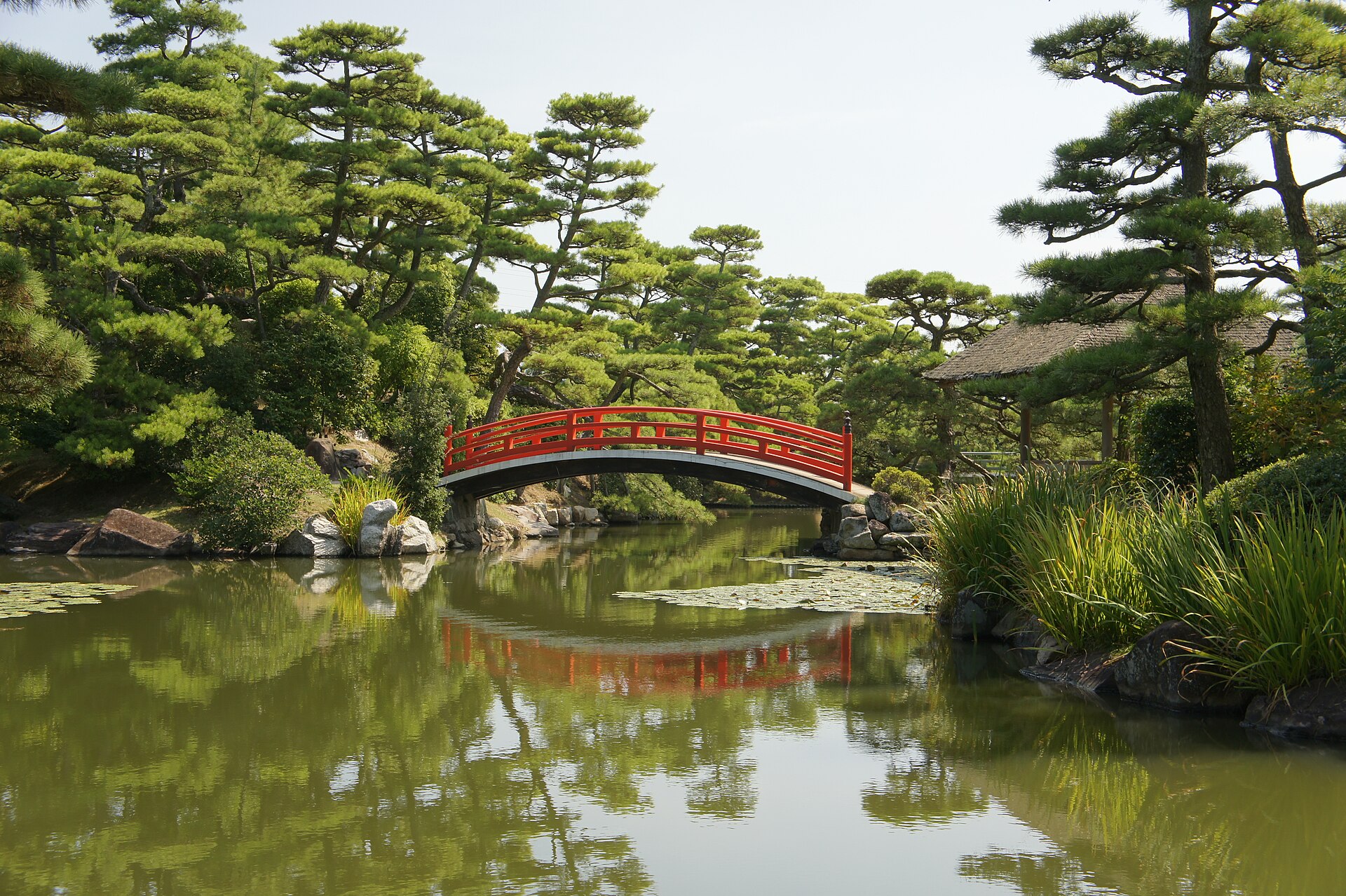
- Nakazu Banshoenthe former daimyo garden whose grounds the museum stands on, north side
How to actually get there
- Takamatsu Station → Sanuki-Shioya Station (JR Yosan Line, one stop past Marugame).
- Sanuki-Shioya Station → the museum (about 15 minutes on foot, heading west).
- Exhibition room → demonstration bench → sales corner, in one pass.
- Nakazu Banshoen next door, if you want the garden as well.
- JR Yosan Line to Sanuki-Shioya
- Takamatsu Station →(JR Yosan Line)→ Sanuki-Shioya Station, one stop beyond Marugame, then about 15 minutes on foot. Sanuki-Shioya is an unstaffed station and accepts ICOCA.
- Return from Sanuki-Shioya Station
- Walk back the same way and take the JR Yosan Line toward Takamatsu. There is no ticket window, so tap in with an IC card or take a numbered ticket from the machine on the platform. Services thin out in the evening, so read the posted departures before you settle into the garden.
About the place
Marugame accounts for about 90 percent of the round paper fans, or uchiwa, made in Japan, and the trade has been concentrated in this corner of Kagawa since the Edo period. The museum stands on the north side of Nakazu Banshoen, a former daimyo garden on the western edge of town. Inside are historic fans, model figures showing how a fan is assembled, and a bench where a craftsman splits bamboo and pastes paper. A local rhyme still records the old supply chain: bamboo from Iyo, paper from Tosa. Admission is free, and a sales corner carries current work.
How to enjoy it
The museum opens at 9:30 and stops admitting at 16:30, and it is shut on Wednesdays. Give the demonstration bench more time than the display cases: the labels read quickly, the hands do not. If you want to paste a fan yourself, arrange it in advance rather than turning up for it.
Background & history
The fans began as a souvenir of the pilgrimage to Konpira, the shrine in the hills south of here. In 1633 the head of the temple that administered the shrine devised a persimmon-dyed red fan stamped with a round gold mark, and pilgrims carried them home. The Marugame domain later pushed fan-making as paid work for its lower-ranking samurai, and the craft spread through the castle town. Marugame uchiwa was designated a national traditional craft in May 1997.
Before you go
- Cash
- Admission to the museum is free. The hands-on fan-pasting is 1,000 yen a fan, paid on site. Nakazu Banshoen, the garden the museum stands in, is run separately and charges its own entry.
- Before you go
- The museum closes on Wednesdays, and on the following day when a Wednesday falls on a public holiday. It also shuts from 29 December to 3 January. The demonstration corner runs when a craftsman is at the bench.
- Another way
- Marugame Station, one stop back toward Takamatsu, is the other way in; the museum's own directions give it as a short bicycle ride rather than a walk. Drivers come off the expressway at the Sakaide interchange.
- After you get off
- From Sanuki-Shioya Station head west toward the coast, about 15 minutes on foot. The museum is on the north side of Nakazu Banshoen, with its own entrance and car park.