Okinawa · Nanjo, south-east main islandNo.673★★Open in map →
Kudaka Island
A ritual island off south-east Okinawa, a short crossing from Azama Port. It is held to be the birthplace of the Ryukyus, and much of its forest and shoreline is closed to visitors, which is the first thing to understand before going.
- FromAzama Port, Nanjo
- ~15 minBoat from Azama, ~15 min
- Get off atTokujin Port (Kudaka Kaiun boats from Azama)
- From there
- Kudaka Island
The sweet spot
Kudaka is well known and easy to reach, and pictures of its shoreline travel far. The quiet is not a shortage of visitors; it is that most of the island is not open. Groves, wells and beaches are places of worship, and the island asks people to keep out of them, which leaves a narrower band of ground for a visitor than most expect.
Where it is
41 more notes in Okinawa · open the map →What to look for — in walking order
- Meagi Beachthe only beach on the island where swimming is permitted, just north of the port
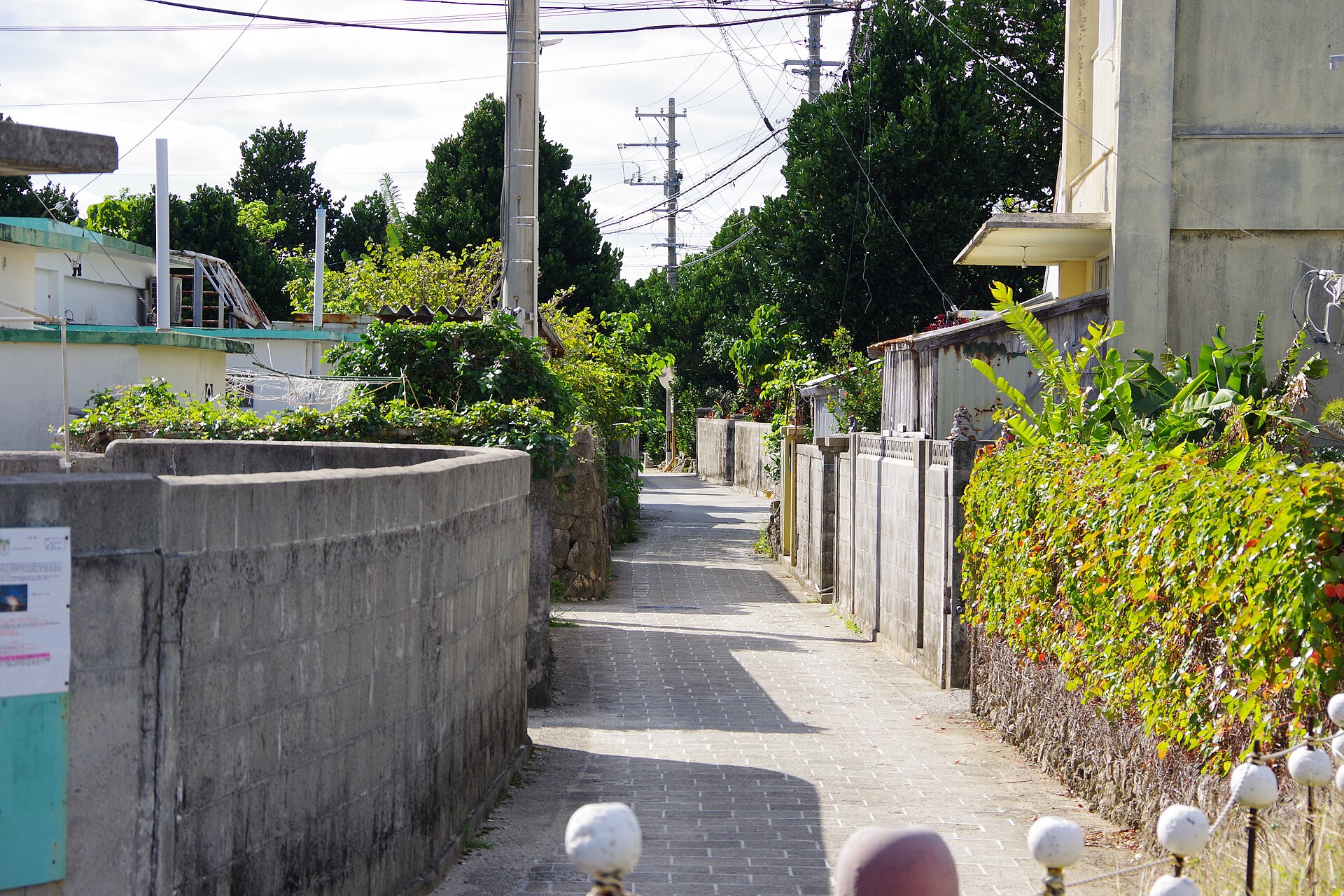
- Kudaka villagethe island's single settlement of low stone walls, wells and family ritual houses
- Ishiki Beachthe east-coast sand where the jar holding the five grains is said to have drifted in
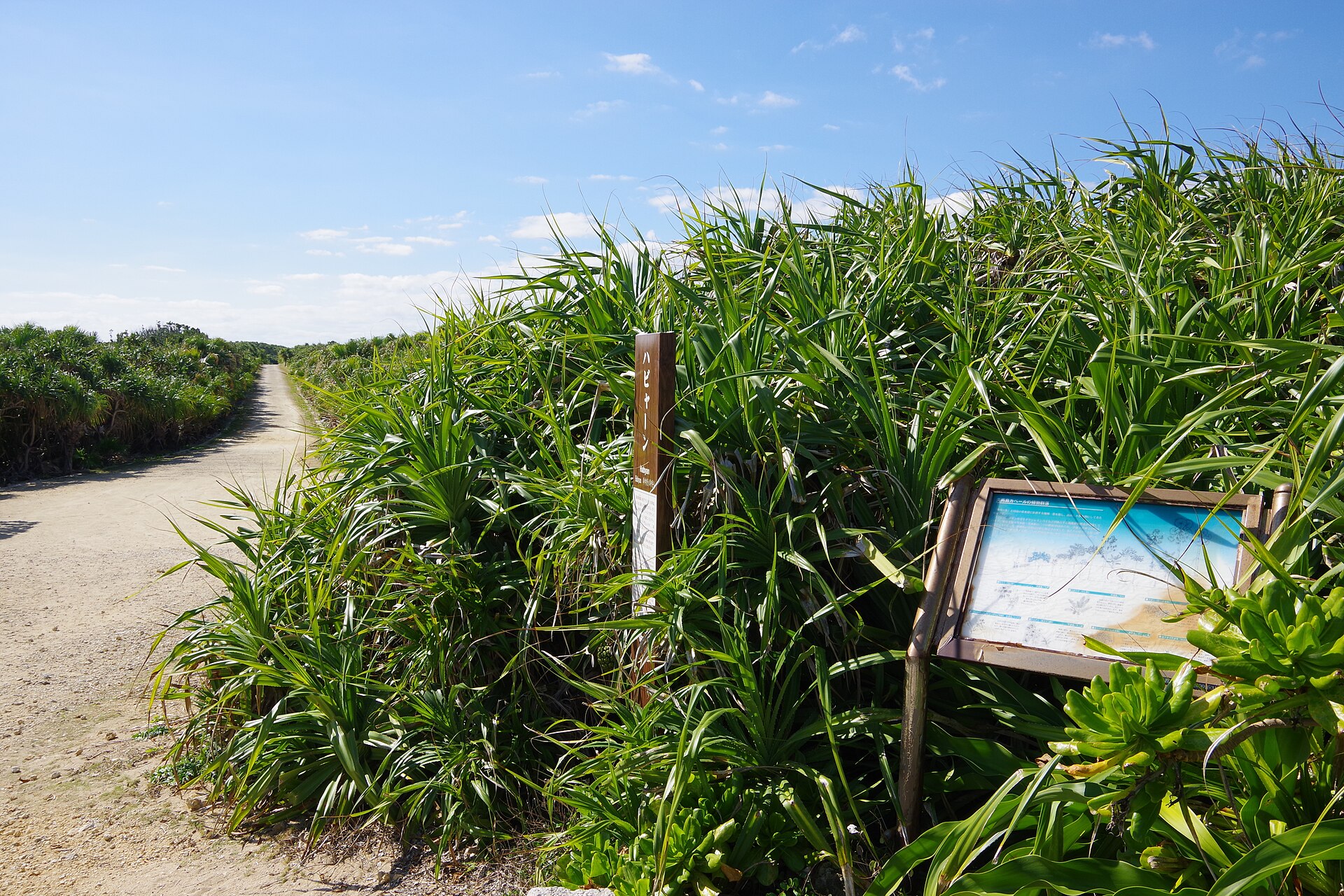
- Fubo Utakithe island's highest sacred grove, closed to everyone year-round and marked by a sign at the path
- Cape Kaberuthe northern tip where the creator Amamikiyo is said to have come ashore
How to actually get there
- Naha Bus Terminal → Azama Sansan Beach entrance (bus 38, Shikiya line), then walk to Azama Port.
- Azama Port → Tokujin Port (Kudaka Kaiun; high-speed boat about 15 min, ferry about 25 min).
- Tokujin Port → rent a bicycle at the ticket hall on the quay.
- Ride the single road north-east: Meagi Beach, the village, Ishiki Beach, the Fubo Utaki sign, Cape Kaberu.
- Bus and boat from Naha
- Naha Airport → Asahibashi on the monorail, walk to Naha Bus Terminal, then bus 38 on the Shikiya line to the Azama Sansan Beach entrance stop, about an hour for 760 yen, and roughly five minutes on foot to Azama Port. Kudaka Kaiun runs a high-speed boat and the ferry Kudaka across to Tokujin Port. By car it is a straightforward run from Naha down the south-east coast.
- Return from Tokujin Port
- The same operator sails back from Tokujin Port to Azama Port. Departures are spaced out rather than frequent, so fix your return time at the counter before you cycle north. From Azama, the bus back to Naha leaves from the same Azama Sansan Beach entrance stop, in reverse of the outbound route.
About the place
Kudaka is a long, narrow, low-lying island off Chinen Point at the south-eastern corner of Okinawa's main island. It has one road, one village, no rental cars and no bus, so people walk it or take a bicycle from the quay. Land here is registered to the district as a whole rather than to individuals, a survival of the Ryukyu-era system of common tenure. When a resort plan appeared for most of the island, the community stopped it and wrote the arrangement down as a land charter. That decision is the reason Kudaka still looks the way it does.
How to enjoy it
Boats run through the day, so half a day is enough: take a bicycle from Tokujin Port, follow the one road north-east and turn at Cape Kaberu. The high-speed boat crosses in about 15 minutes and the ferry in about 25, but departures are an hour or two apart, so choose the return before you leave the quay. If you want to swim, Meagi Beach is where you do it.
Background & history
Kudaka was the destination of royal pilgrimage: the king of Ryukyu crossed here with the high priestess to worship, and later the rite was made from Seifa-utaki on the main island, facing Kudaka across the water. The island kept a system in which women held the ritual offices, crowned by Izaiho, the initiation that made a woman of the island a priestess. It has not been performed for decades, as successors ran short. The kingdom's own chronicle records that the seeds of the five grains washed ashore on the east coast here, which is why Kudaka is called the birthplace of agriculture in the Ryukyus.
Before you go
- Cash
- Landing on the island is free; you pay only for the crossing, and tickets are sold at the port offices on both sides. There is a small post office in the village but no bank branch, so bring cash for the boat, a bicycle and a meal.
- Before you go
- Fubo Utaki is closed to everyone all year, and other sites are closed at certain seasons; the stairway down to Yagurugaa is currently out of use for repairs. Swimming is permitted at Meagi Beach only, because every other shore is an object of worship. Nothing natural may be taken off the island, including sand, stones, coral fragments and plants, and coconut crabs must not be collected.
- Another way
- Azama Port is also reachable by car or taxi from the Nanjo side of the main island, which suits a day that also takes in Seifa-utaki, the mainland grove from which the kingdom worshipped Kudaka across the water.
- After you get off
- Tokujin Port sits at the island's south-western end. The ticket hall on the quay rents bicycles, and the single road runs north-east from there through the village and on to Cape Kaberu. There are no cars to hire and no bus, so it is bicycle or on foot.