Okinawa · YaeyamaNo.665★★★Open in map →
Iriomote Island
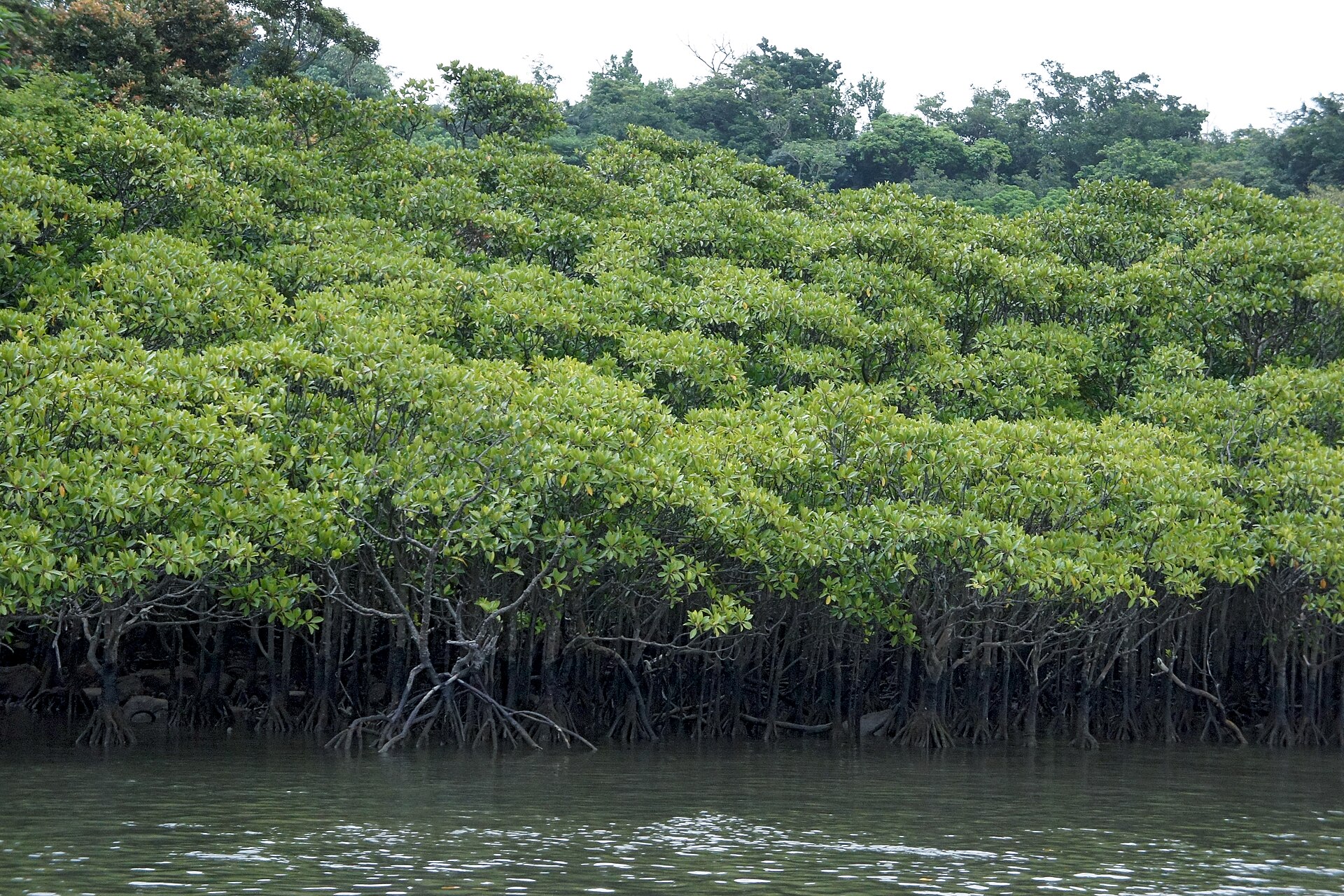
A subtropical island that is almost entirely forest, with Japan's largest mangroves at its river mouths. The Environment Ministry's wildlife centre on the east coast is the free, plain-spoken introduction to what the World Heritage listing actually protects.
- FromIshigaki Port Ferry Terminal
- ~40 min by boatBoat from Ishigaki, ~40 min
- Get off atOhara Port (Anei Kanko / Yaeyama Kanko Ferry)
- From there
- Iriomote Island
Where it is
9 more notes in Okinawa · open the map →What to look for
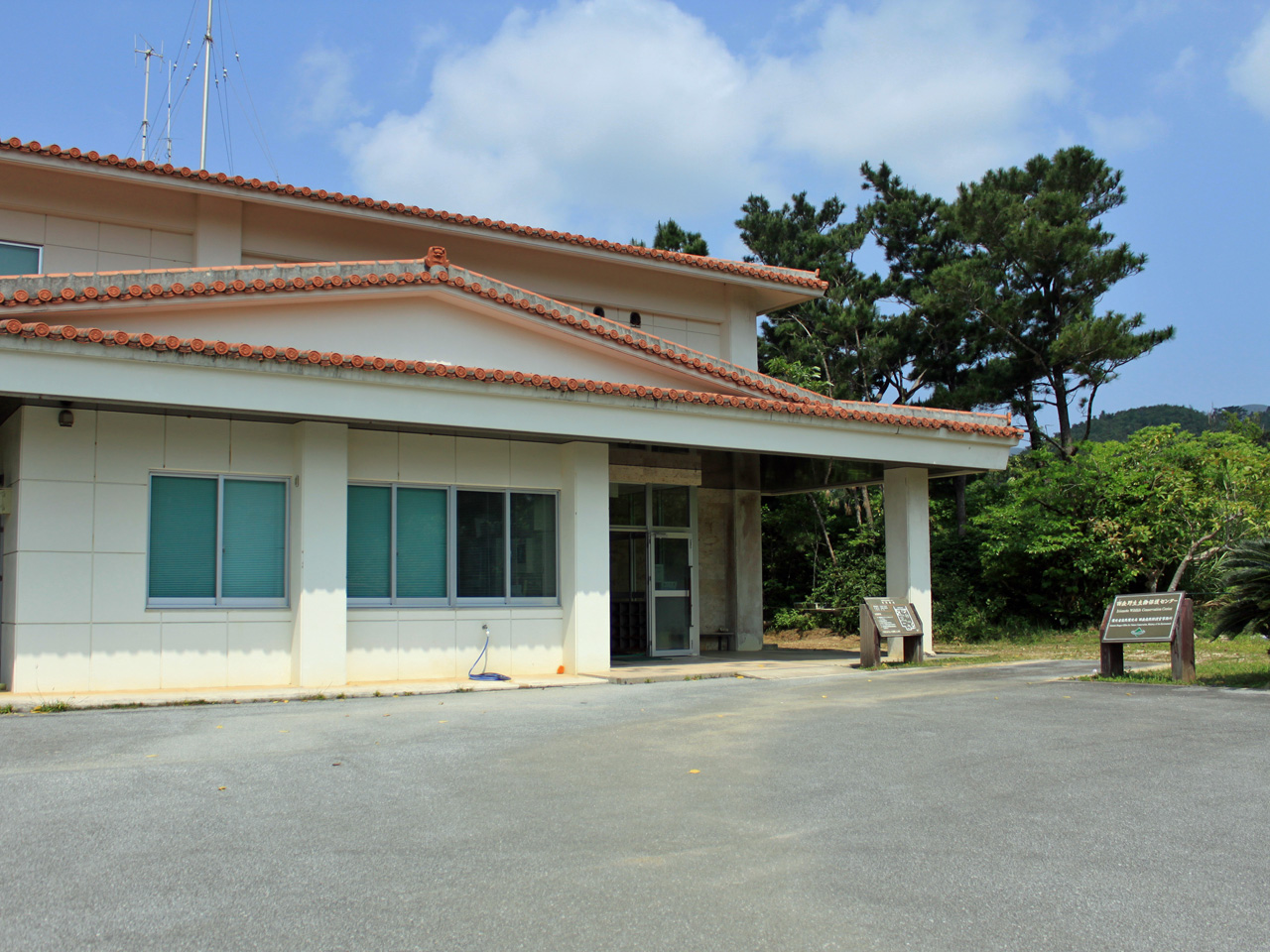
- Iriomote Wildlife Conservation Centrefree government exhibits on the Iriomote cat and the island's other animals
- Nakama River mangrovethe largest mangrove forest in Japan, worked by sightseeing boats from Ohara
- Urauchi Riverthe west-side river, with boats running upstream toward the waterfalls
- Pinaisara Fallsa restricted route since March 2025 — approval from the town is required in advance
How to actually get there
- Ishigaki Port Ferry Terminal → Ohara Port (high-speed boat, about 40 minutes).
- Ohara Port → Iriomote Wildlife Conservation Centre (north on the coast road, by car or taxi).
- See the exhibits, then take a river boat from Ohara into the Nakama mangrove.
- Apply to the town in advance if you intend to walk one of the five restricted routes.
- High-speed boat from Ishigaki to Ohara Port
- Ishigaki Port Ferry Terminal →(high-speed boat, about 40 minutes)→ Ohara Port, on the island's southeast side. Anei Kanko and Yaeyama Kanko Ferry both run the route. From Ohara the wildlife centre lies north along the coast road — a drive, not a walk.
- Return from Ohara Port
- Boats run back to Ishigaki through the day, but the last sailing goes well before nightfall. Fix your return time before you set out, because missing it means staying the night on the island.
About the place
Iriomote is the largest island in the Yaeyama group, and roughly ninety percent of it is subtropical forest. Rivers run out of that forest through mangrove to the sea, and the mangrove of the Nakama River is the largest in Japan. A single prefectural road follows part of the coast; much of the rest of the island is reached by boat, or on foot with a guide, or not at all. The visitor gateway is the Iriomote Wildlife Conservation Centre above the east coast road — a low government building whose exhibits set out what lives in the forest and how little of it people usually see.
How to enjoy it
Start at the wildlife centre. It opens at ten in the morning and closes at five, it is shut on Mondays, and there is no admission charge — so it sits neatly between a morning boat from Ishigaki and an afternoon on the water. Read the driving-caution material there before you take a car anywhere on the island.
Background & history
The island has been separated from the continent long enough for its wildlife to evolve on its own, and the Iriomote cat, found nowhere else, is a nationally designated special natural monument. The Environment Ministry opened the Wildlife Conservation Centre in 1995 as the base for protecting it; the centre still gathers sighting reports and issues driving-caution maps for the island's one road. In 2021 Iriomote was inscribed as a UNESCO World Natural Heritage site together with Amami-Oshima, Tokunoshima and northern Okinawa Island.
Before you go
- Cash
- The wildlife centre is free to enter. Boat tickets are bought at the operators' counters in Ishigaki Port Ferry Terminal or at Ohara Port, and each operator posts its current fare at the counter.
- Before you go
- The centre closes on Mondays, on 23 June — Okinawa's memorial day — and over the New Year period. Boats to the northern port at Uehara are cancelled often in winter, which is why the Ohara route is the more dependable of the two.
- Another way
- When the Uehara route is cancelled the operators may run a connecting bus across the island from Ohara for Uehara ticket holders, but seats are limited and not guaranteed, so booking through Ohara is the safer plan in either season.
- After you get off
- Ohara Port has the island's ferry terminal building, with a bus stop outside it. The wildlife centre is north of the port along the coast road and is not within walking distance — arrange a rental car, a taxi or a tour pick-up before you sail.