Fukuoka · Hakata StationNo.1158★★Open in map →
Hakata Dolls
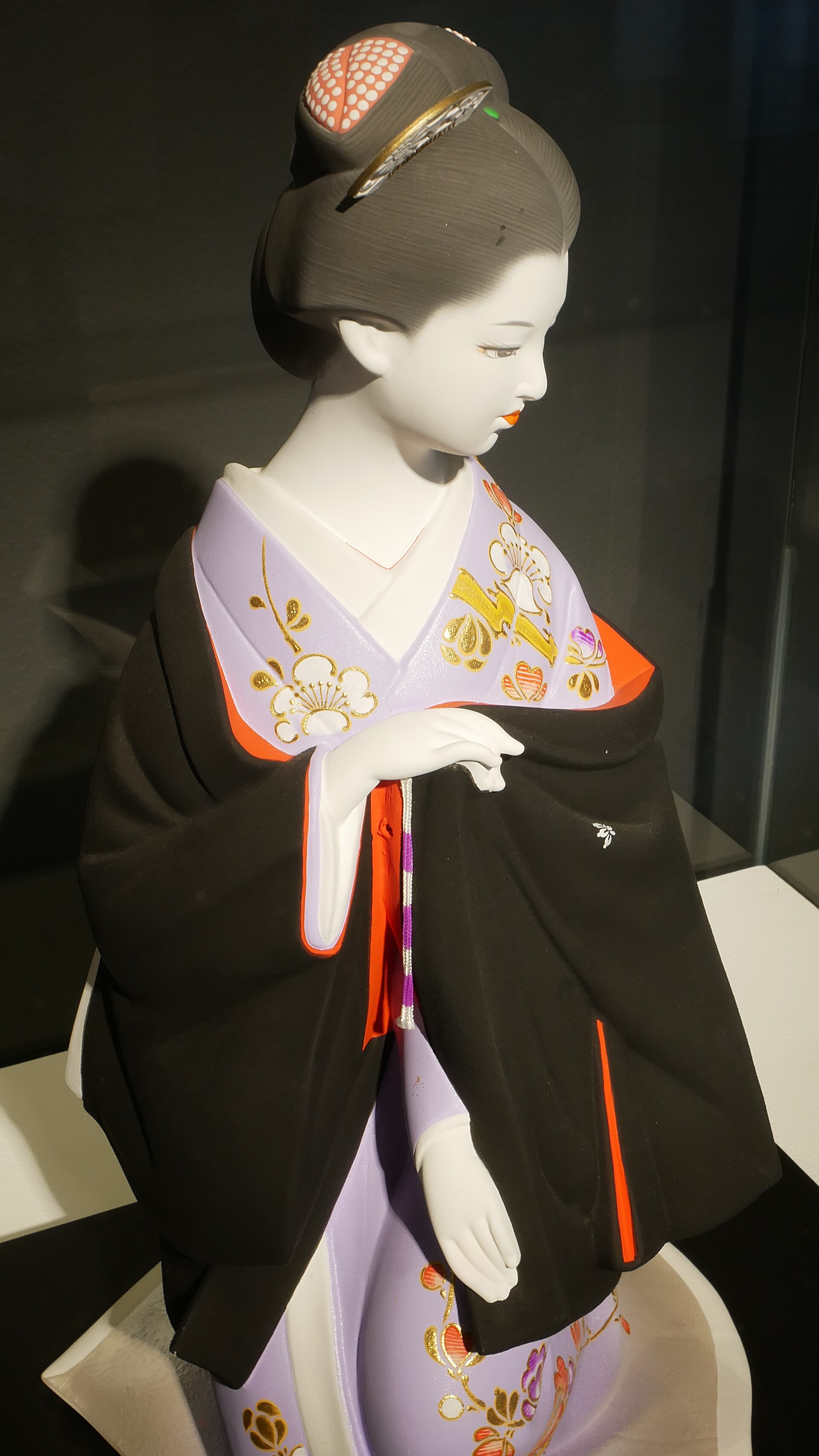
Moulded clay, fired without glaze, then painted one figure at a time — that is a Hakata doll. A free craft gallery on Jotenji-dori, a few minutes from Hakata Station, sets the work beside the other trades that grew up in the same quarter.
- FromFukuoka Airport Station
- ~5 minSubway, direct from the airport
- Get off atHakata Station (Fukuoka City Subway Kuko Line)
- On foot
- Hakata Dolls
The sweet spot
This is not a hidden place. It is free, it sits on a signposted street, and it is a short walk from Hakata Station. It gets skipped because most visitors meet Hakata dolls only through a souvenir shop window, and because the gallery changed address recently enough that older listings still send people to its former home inside the city museum.
Where it is
28 more notes in Fukuoka · open the map →What to look for — in walking order
- Hakata doll displaymoulded, unglazed figures in the standing subjects — beauties, children, warriors and lucky gods
- Hakata-ori weavingthe sash silk of the same district, worked here for about 780 years
- The smaller craftsspinning tops, papier-mache figures, bentwood boxes and hand-forged Hakata scissors
- Hands-on cornerpaid classes in which visitors do the painting or the weaving themselves
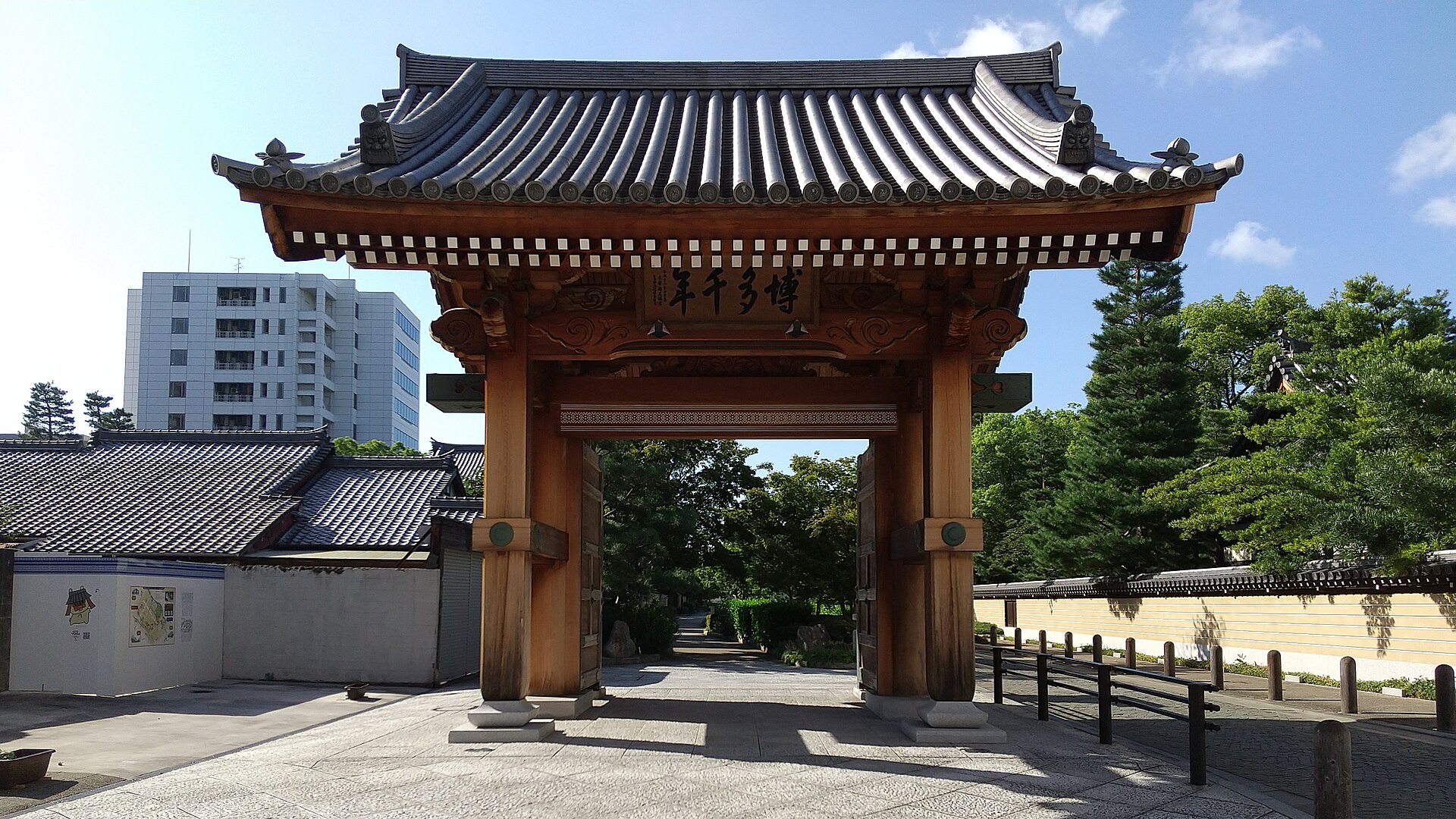
- Hakata Sennen-no-mona wooden gate a short way up the street, the entrance to the temple quarter
How to actually get there
- Fukuoka Airport Station to Hakata Station (Fukuoka City Subway, Kuko Line, about five minutes).
- Leave Hakata Station on the Hakata-guchi side and walk northwest onto Jotenji-dori (about six minutes).
- See the dolls, the weaving and the smaller crafts, then carry on up the street to Hakata Sennen-no-mon.
- Subway Kuko Line from Fukuoka Airport
- From Fukuoka Airport Station the Kuko Line runs straight through to Hakata Station in about five minutes. Leave the station on the Hakata-guchi side, the exit facing the old town, and walk northwest. IC cards and cash both work at the gates.
- Back to Hakata Station on foot
- Retrace Jotenji-dori to the southeast and the station comes up in about the same time as the walk out. Subway trains toward the airport run into the evening, and the final departure is posted on the platform board, so check it if you are flying out or staying near the airport.
About the place
A Hakata doll starts as clay pressed into a mould. It is fired unglazed, so the colour laid on afterwards sits on bare earth instead of a glassy surface, and the finish stays matte. Painting comes after the firing and is done by hand, figure by figure. The place that gathers the work is the Hakata Dento Kogeikan, a traditional-craft gallery on the ground floor of a building on Jotenji-dori, the temple street that runs northwest out of the Hakata Station blocks. Nine crafts of the district share the room: the dolls and Hakata-ori weaving, plus spinning tops, papier-mache figures, bentwood boxes and hand-forged scissors. Entry is free.
How to enjoy it
Doors open at ten and the last admission is at half past five, so this works better as the opening move of a morning than as a late addition. Wednesday is the closed day. From the entrance it is about six minutes on foot back to Hakata Station, which makes it easy to slot in around a train.
Background & history
The trade is traced to 1600, when Kuroda Nagamasa entered Chikuzen and craftsmen were gathered around the new castle town; the unglazed clay figures they made are counted as the ancestor of today's dolls. In the Meiji period the dolls were sent to international expositions in Paris and elsewhere, and the name carried abroad. The state listed Hakata dolls as a traditional craft in 1976. The gallery is far newer than the craft: it left the Fukuoka City Museum in 2025 and reopened here on Jotenji-dori.
Before you go
- Cash
- Admission is free. The hands-on classes are charged separately and are booked in advance. Subway gates take IC cards as well as cash.
- Before you go
- The gallery closes on Wednesdays, and on the following weekday when a public holiday falls on one, as well as over the new-year days from 29 December to 3 January. Jotenji-dori itself is a public street and can be walked at any hour.
- Another way
- If you arrive by highway bus, the Hakata Bus Terminal beside the station is about five minutes away on foot.
- After you get off
- From Hakata Station take the Hakata-guchi side and walk northwest for roughly six minutes. Jotenji-dori opens off the main road, and the entrance is on the ground floor of a building along it.